Bad Breath Remedies That Actually Work
We ranked the popular fixes by how strong the evidence really is, so you know what to do first.
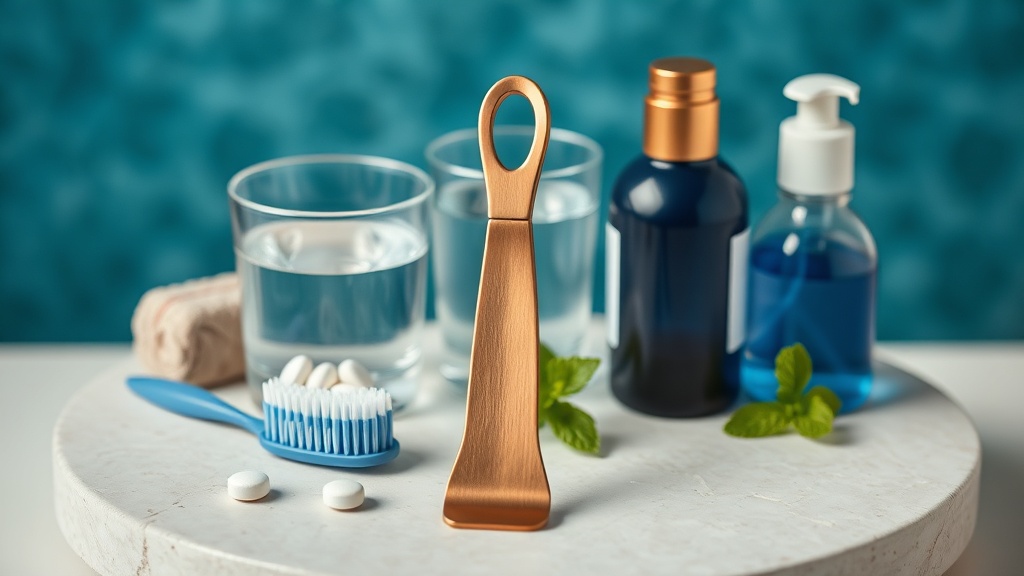
- Most bad breath comes from odour-producing bacteria on the tongue, so the remedies that work best are the ones that physically remove or reduce that bacterial load.
- Ranked by evidence and impact: cleaning the tongue comes first, then flossing and daily brushing, then staying hydrated, then oral probiotics, and finally rinses as a finishing touch.
- Tongue scraping has the clearest evidence for cutting the sulfur gases behind odour, but the effect is short-lived, which is why it needs to be a daily habit rather than a one-off.
- Probiotics and mouthwashes can help at the margins, but the research is more modest and mixed, and no rinse or supplement replaces mechanical cleaning.
- If breath stays bad despite doing all of this well, that is a signal to see a dentist rather than to keep buying stronger products.
The bad breath remedies that actually work, in order of evidence and impact, are: clean your tongue daily, floss and brush well, stay hydrated, then add an oral probiotic and use a rinse as a finishing step. Tongue cleaning has the strongest evidence but is short-lived, so consistency matters more than any single product.
Why some remedies work and others just mask
Fresh-breath products fall into two camps, and telling them apart is the key to spending your effort well. The first camp removes or reduces the cause: bad breath is mostly the smell of volatile sulfur compounds (VSCs), gases that anaerobic bacteria release as they break down trapped proteins, mainly in the coating on the back of the tongue and between the teeth. Anything that physically clears that biofilm, tongue scraping, flossing, brushing, attacks the odour at its source. The second camp only masks: mints, sprays and many quick rinses cover the smell for minutes without touching the bacteria making it, which is why the odour keeps returning. A third, in-between group tries to change the ecology rather than scrub it, such as oral probiotics that aim to crowd out odour-makers, or rinses whose active ingredients reduce bacteria or neutralise the sulfur gases chemically. When we rank remedies below, we are really ranking how directly and reliably each one addresses that underlying bacterial cause, and how well that is backed by research rather than by marketing.

Remedies that remove the tongue biofilm attack the cause; mints and sprays only mask it.
What the research actually shows
Every claim below maps to a named, peer-reviewed source in the Sources section. According to PubMed.
| Claim | Evidence | Source |
|---|---|---|
| A Cochrane review found tongue scraping and cleaning produced small but measurable reductions in the sulfur compounds behind odour, making it the mechanical remedy with the clearest direct evidence. | Cochrane systematic review of tongue scraping for treating halitosis. | Outhouse et al., Cochrane 2006 |
| A broader Cochrane review of halitosis interventions concluded the overall evidence is of low certainty, so even helpful remedies should be described as supportive rather than guaranteed. | Cochrane systematic review of interventions for managing halitosis. | Kumbargere Nagraj et al., Cochrane 2019 |
| Meta-analysis found oral probiotics improved breath scores and lowered sulfur compounds in the short term (four weeks or less), but the sulfur benefit did not persist longer, pointing to a modest, transient effect. | Systematic review and meta-analysis of probiotics for halitosis. | Huang et al., BMJ Open 2022 |
| A Cochrane review of mouthrinses found rinses containing agents such as chlorhexidine, cetylpyridinium chloride or zinc can reduce odour, but with tradeoffs like tooth staining from stronger formulas. | Cochrane systematic review of mouthrinses for halitosis. | Fedorowicz et al., Cochrane 2008 |
| A systematic review of oil pulling with coconut oil found only low-quality, high-bias evidence of benefit for oral hygiene, so it is best seen as an optional adjunct rather than a proven remedy. | Systematic review of oil pulling with coconut oil. | Woolley et al., Heliyon 2020 |
Bad breath remedies, ranked by evidence and impact
| Remedy | Evidence and impact | Honest caveat |
|---|---|---|
| 1. Clean the tongue daily | Strongest direct evidence for cutting sulfur gases | Effect is short-lived, so it must be daily |
| 2. Floss and brush well | Removes between-teeth and gumline sources of odour | Cannot reach the tongue coating alone |
| 3. Stay hydrated | Keeps saliva flowing, which naturally limits odour bacteria | Supportive rather than a standalone fix |
| 4. Add an oral probiotic | Modest, short-term improvement in breath scores | Mixed data on sulfur gases; fades after stopping |
| 5. Use a rinse to finish | Active ingredients can reduce or neutralise odour | Masks if used alone; strong formulas can stain |
| Optional: oil pulling | Low-quality evidence, high risk of bias | An add-on at best, not a core remedy |
How to combine them into a routine that lasts
The ranking is not a menu to pick one item from; it is a sequence to stack. Start where the evidence is strongest and the cause is most concentrated: scrape the back of the tongue every morning and night, because that biofilm is where most VSCs are made. Then floss and brush to clear the sources between teeth and along the gumline that a tongue scraper cannot reach. Support both by keeping the mouth moist through the day, since saliva is your built-in defence and a dry mouth lets odour bacteria flourish, which is a big reason breath is worst on waking. Those three habits do most of the real work. Only then does it make sense to layer on the more marginal options: an oral probiotic if you want to nudge the bacterial balance, understanding the benefit is modest and short-lived, and a rinse as a finishing polish rather than a substitute for cleaning. The reason this order matters is that every remedy below tongue cleaning becomes far more effective on an already-clean mouth, and far less effective if you are using it to avoid the cleaning. Consistency, not novelty, is what keeps breath fresh, and no single product on this list works if the daily basics are skipped.
Evidence you can act on.
Occasional emails — new research, new protocols, no noise.
The evidence-ranked fresh-breath routine
Do these in order; the earlier steps carry the most weight.
- 1
Scrape your tongue, front to back
twice dailyGently draw a tongue scraper from as far back as is comfortable toward the tip a few times, rinsing between passes. This targets the biofilm that produces most odour and has the clearest evidence of any single remedy, though you must repeat it daily because the effect is short.
- 2
Floss, then brush
twice dailyFloss to clear trapped food and plaque between teeth, then brush teeth and gumline for two minutes. Together these remove the other main sources of odour that a tongue scraper cannot reach, and they protect gum health at the same time.
- 3
Keep saliva flowing
all daySip water regularly, breathe through your nose, and consider sugar-free gum to stimulate saliva. A moist mouth naturally limits odour bacteria, which is why hydration is a quietly powerful, no-cost remedy.
- 4
Consider an oral probiotic
daily, 2 to 4 weeksIf you want to try shifting the bacterial balance, add an oral probiotic and give it a few weeks. Keep expectations modest: the benefit is short-term and mixed in the research, so treat it as an adjunct to cleaning, not a replacement.
- 5
Finish with a suitable rinse
as neededUse an alcohol-free rinse with an active ingredient such as zinc or cetylpyridinium chloride to polish already-clean breath. Reserve strong antibacterial rinses like chlorhexidine for short courses, since long-term use can stain teeth.
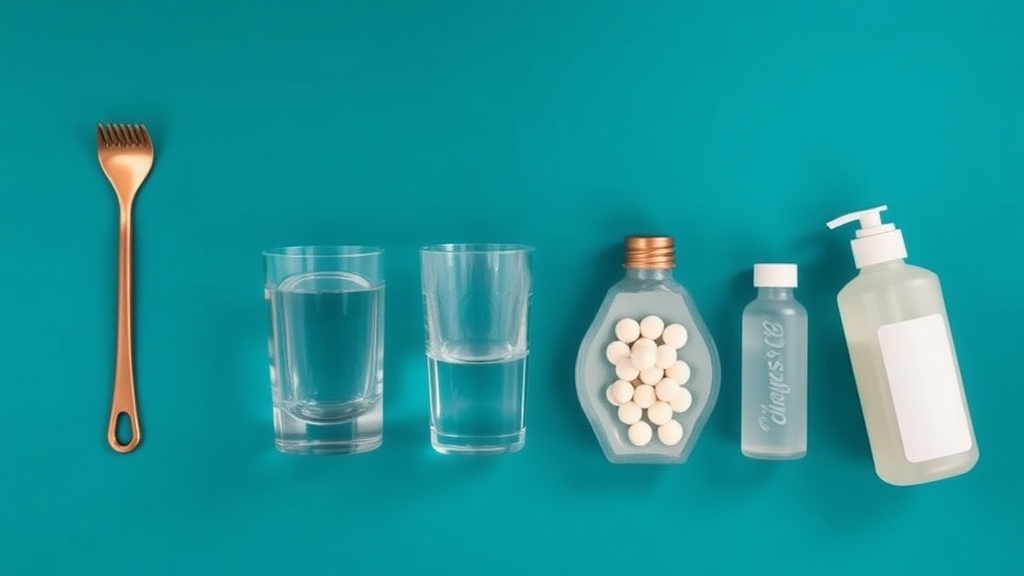
The routine, in order of impact: tongue cleaning and flossing first, hydration throughout, extras last.
If bad breath persists even when you clean the tongue, floss, hydrate and finish with a rinse, see a dentist. Ongoing odour can point to gum inflammation, a dry mouth, an old restoration trapping bacteria, or occasionally a cause outside the mouth. A dentist can find the source and address it, which is more effective than escalating to ever-stronger products.
Frequently asked questions
Sources
- 1.
- 2.
- 3.
- 4.
- 5.
- 6.
- 7.

Fix your breath at the source.
The complete science-backed protocol — engineered to eliminate volatile sulfur compounds at the biological source.
Start the Breath Protocol →Related reading
Educational purposes only. The content on this page is not medical advice and is not a substitute for consultation with a qualified dental or medical professional.
More from the library
 Guides8 min
The Best Way to Clean Your Tongue for Fresh Breath
Most bad breath starts on the back of the tongue — here is the gentle, evidence-based way to clean it for fresher breath.
Read →→ Best Of8 min
The Best Mouthwash for Bad Breath, by Active Ingredient
There is no single winner, only the right rinse for the right job. Here is how the active ingredients compare on the evidence, and which suits everyday fresh breath.
Read →→ Best Of8 min
The Best Oral Probiotics for Bad Breath
Oral probiotics aim to shift the balance of bacteria in your mouth toward fresher breath — here is which strains have the evidence and how to choose one.
Read →→ Answers7 min
Why Does My Breath Smell in the Morning? The Overnight Biology
It is not something you did wrong before bed. It is what your mouth does while you sleep.
Read →→ Guides8 min
How to Get Rid of Bad Breath Permanently: An Evidence-Based Plan
The honest version: "permanently" means ongoing control, not a one-time fix. Here is the daily routine the research actually supports, and when to get help.
Read →→ Guides7 min
Bad Breath Even After Brushing? The Biological Reason (and Fix)
You brushed, flossed and rinsed — and the smell is still there. The reason usually isn't hygiene; it's where the odour-causing bacteria actually live.
Read →→