Why Does My Breath Smell in the Morning?
It is not something you did wrong before bed. It is what your mouth does while you sleep.

- Morning breath is normal physiology, not a sign of poor hygiene — nearly everyone has some.
- While you sleep, saliva flow slows down, and saliva is the mouth's natural rinse that clears bacteria and washes away odour-causing gases.
- With less saliva and a still, closed mouth overnight, anaerobic bacteria on the tongue multiply and produce more volatile sulfur compounds (VSCs) by morning.
- You cannot eliminate morning breath, but you can reduce it: scrape the tongue, hydrate, and support a healthier oral microbiome.
- If breath stays bad through the day despite good care, the cause may be elsewhere — worth a professional check.
Your breath smells in the morning because saliva flow slows while you sleep. Saliva normally rinses away bacteria and the gases they make, so when it drops overnight, anaerobic bacteria on the tongue multiply and volatile sulfur compounds build up. It is normal physiology. Scraping the tongue, hydrating, and supporting a balanced oral microbiome all reduce it.
What your mouth does while you sleep
Morning breath starts with saliva — or rather, the lack of it. During the day, a steady flow of saliva acts as your mouth's natural rinse: it physically washes bacteria off surfaces, carries away the food debris they feed on, and dilutes the smelly gases they produce. During sleep, saliva production slows, and the mouth becomes still and often closed for hours. That combination is what changes overnight. On the back of the tongue, anaerobic bacteria live in a biofilm and break down proteins from food debris and shed cells, releasing volatile sulfur compounds (VSCs) — chiefly hydrogen sulfide, the rotten-egg smell, and methyl mercaptan, a sharper odour. With saliva no longer clearing them away and the bacteria multiplying undisturbed, VSCs accumulate through the night. By the time you wake, the concentration is at its peak, which is why breath is worst first thing and improves within an hour or two of eating, drinking and talking — all of which get saliva flowing again. This is a physiological process, not a hygiene failure: reviews of halitosis note that around 40% of people with bad breath have no underlying disease at all, and everyday oral bacteria drive it. It is also why morning breath is so nearly universal — the mechanism is simply how a resting mouth behaves, regardless of how carefully you brushed the night before. The practical takeaway is that reducing morning breath is less about scrubbing harder and more about two levers: sending fewer bacteria to bed on the tongue, and getting saliva flowing again quickly on waking.

A morning tongue scrape removes the biofilm that built up overnight while saliva flow was low.
What the research actually shows
Every row maps to a named, peer-reviewed source in the Sources section. According to PubMed.
| Claim | Evidence | Source |
|---|---|---|
| About 40% of people with bad breath have no underlying organic disease; it is physiological, driven by ordinary oral bacteria. | Systematic review of treatments for physiological halitosis, which is the category morning breath falls into. | Scully and Porter, BMJ Clinical Evidence 2008 |
| The tongue is the main reservoir of odour-causing bacteria, and a scraper reduces volatile sulfur compounds more than a toothbrush (about 75% versus 45% in one trial). | Cochrane systematic review of randomised tongue-cleaning trials. | Outhouse et al., Cochrane Review 2006 |
| A single tongue clean is short-lived — reduced VSC levels could not be detected beyond about 30 minutes — so a daily habit matters. | Same Cochrane review. | Outhouse et al., Cochrane Review 2006 |
| For longer-lasting control, the probiotic S. salivarius K12 reduced VSCs substantially in 85% of subjects versus 30% on placebo one week later. | Preliminary controlled study in 23 adults with halitosis, after a chlorhexidine rinse. | Burton et al., J Appl Microbiol 2006 |
Why breath is worse in the morning than midday
| Factor | Overnight | During the day |
|---|---|---|
| Saliva flow | Slows during sleep | Steady — rinses the mouth |
| Bacterial clearance | Reduced; bacteria multiply undisturbed | Ongoing as you eat, drink and talk |
| VSC build-up | Accumulates through the night | Diluted and cleared continuously |
| Result | Peak odour on waking | Breath freshens within an hour or two |
Habits that make morning breath worse
Some morning breath is unavoidable, but a few things reliably intensify it — and each points to a fix. Mouth breathing and snoring dry the mouth further overnight, removing even the small amount of saliva that would otherwise help; if you routinely wake with a parched mouth, this is often why your morning breath is stronger than average. Alcohol and caffeine late in the evening are dehydrating, and a genuinely dry mouth (from medications such as antihistamines or antidepressants, for example) leaves bacteria unchecked all night. Going to bed with food debris still in the mouth — skipping the evening brush and tongue clean — gives the anaerobic bacteria more protein to break down, and protein-rich late meals can add to that supply. Strong alcohol-based mouthwash at bedtime can backfire by drying the mouth rather than freshening it. And skipping water on waking means the odour lingers longer than it needs to, because you are not restarting the saliva flow that clears it. None of these cause morning breath on their own; they simply turn the volume up on a normal process — which is good news, because each one is something you can adjust.
Evidence you can act on.
Occasional emails — new research, new protocols, no noise.
How to reduce morning breath
You cannot switch off overnight biology, but you can shrink it. The aim is fewer bacteria going to bed, and faster clearance on waking.
- 1
Clean the tongue before bed and again on waking
30 to 60 secondsScrape the back of the tongue with a metal scraper at night to reduce the biofilm that would otherwise feed bacteria overnight, and again in the morning to clear what built up. Draw the scraper forward with light pressure, rinsing between passes. Because a single clean is short-lived, doing it twice around sleep targets the worst window.
- 2
Hydrate around sleep
ongoingHave water before bed and again first thing, and go easy on late-evening alcohol and caffeine, which dry the mouth. If you tend to breathe through your mouth or wake with a very dry mouth, mention it to a dentist or doctor — restoring saliva flow is one of the most direct ways to reduce morning breath.
- 3
Support a healthier overnight microbiome
daily, over weeksRepopulating the mouth with competitive bacteria helps crowd out the odour producers. In an early controlled study, the probiotic S. salivarius K12 reduced VSCs in 85% of users versus 30% on placebo. Used consistently alongside tongue cleaning, it aims for a longer-lasting shift than any single morning clean can give.
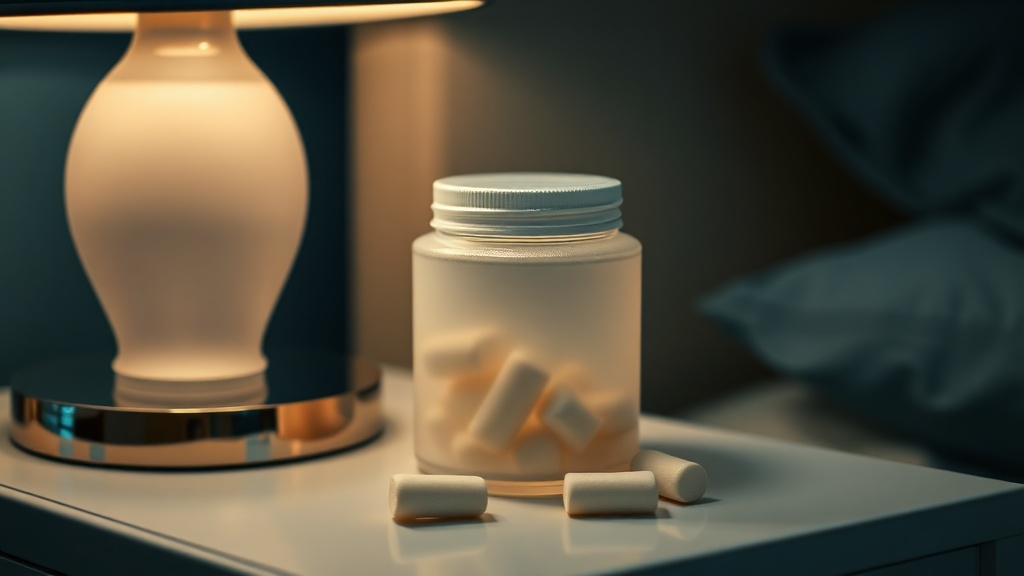
A probiotic such as S. salivarius K12 aims to repopulate the mouth with competitive bacteria for longer-lasting control.
Morning breath that clears within an hour or two is normal. But if bad breath persists all day despite good oral care, or comes with a constant bad taste, bleeding gums, a very dry mouth, or nasal congestion and post-nasal drip, see a dentist or doctor. Persistent daytime halitosis can point to gum disease, a salivary problem, sinus issues or reflux — causes that a morning routine will not resolve.
Frequently asked questions
Sources
- 1.
- 2.
- 3.

Fix your breath at the source.
The complete science-backed protocol — engineered to eliminate volatile sulfur compounds at the biological source.
Start the Breath Protocol →Related reading
Educational purposes only. The content on this page is not medical advice and is not a substitute for consultation with a qualified dental or medical professional.
More from the library
 Guides7 min
Bad Breath Even After Brushing? The Biological Reason (and Fix)
You brushed, flossed and rinsed — and the smell is still there. The reason usually isn't hygiene; it's where the odour-causing bacteria actually live.
Read →→ Ingredients7 min
S. salivarius K12: The Fresh-Breath Probiotic, Explained
The idea is not to sterilise your mouth. It is to repopulate it with the right bacteria.
Read →→ Guides8 min
How to Get Rid of Bad Breath Permanently: An Evidence-Based Plan
The honest version: "permanently" means ongoing control, not a one-time fix. Here is the daily routine the research actually supports, and when to get help.
Read →→ Best Of8 min
The Best Mouthwash for Bad Breath, by Active Ingredient
There is no single winner, only the right rinse for the right job. Here is how the active ingredients compare on the evidence, and which suits everyday fresh breath.
Read →→ Ingredients9 min
Probiotics for Bad Breath: Do Oral Probiotics Actually Work?
Oral probiotics try to fix bad breath at the source, by shifting which bacteria live on your tongue. The idea is promising; the evidence is still early.
Read →→ Best Of7 min
Copper Tongue Scraper Benefits: What the Evidence Supports
Copper scrapers are having a moment — but which benefits are backed by research and which are marketing? Here is the honest, evidence-based breakdown.
Read →→