The Best Oral Probiotics for Bad Breath
Oral probiotics aim to shift the balance of bacteria in your mouth toward fresher breath — here is which strains have the evidence and how to choose one.

- Oral probiotics aim to freshen breath by shifting the balance of bacteria in the mouth — seeding beneficial strains that crowd out and inhibit the sulfur-producing microbes behind the odour, rather than wiping bacteria out.
- The most studied strain for breath is Streptococcus salivarius K12, a naturally occurring oral bacterium, and it is the lead ingredient in most commercial oral-probiotic lozenges marketed for fresh breath.
- Meta-analyses find probiotics can improve breath in the short term (around four weeks), with the clearest gains in organoleptic smell scores; effects on measured sulfur compounds are more mixed and long-term benefit is less certain.
- The benefit is transient: beneficial strains fade from the mouth within weeks of stopping, so oral probiotics are an ongoing adjunct, not a one-time cure.
- Choose a product that names a specific, breath-studied strain like S. salivarius K12, states its CFU count, and dissolves in the mouth — and use it alongside tongue cleaning, not instead of it.
The best oral probiotics for bad breath are lozenges built around Streptococcus salivarius K12, the most breath-studied oral strain, ideally with a stated CFU count and a dissolve-in-the-mouth format. Meta-analyses show probiotics can freshen breath in the short term, mainly by improving smell scores, though the effect is transient and works best alongside daily tongue cleaning rather than in place of it.
How oral probiotics work on breath
Your mouth is an ecosystem, and bad breath is usually a sign that the balance has tipped: sulfur-producing anaerobes have come to dominate the tongue, churning out the volatile sulfur compounds that carry the smell. Oral probiotics take a different route from mouthwash. Instead of trying to kill bacteria across the board, they add friendly strains that compete with the odour-makers for space and nutrients, and that produce their own inhibitory molecules to hold them in check. Streptococcus salivarius K12 is the poster strain here. It is a natural early coloniser of the healthy human mouth, and it produces bacteriocin-like inhibitory substances (BLIS) — antimicrobial compounds that suppress the growth of many odour-associated species. That is exactly why K12 was singled out for breath in the first place, and why oral probiotics come as lozenges or dissolvable tablets rather than gut capsules: to help freshen breath, the strain needs to settle in the mouth and on the tongue, not travel to the intestine. The goal is a gentler, more ecological one: not a sterile mouth, but a better-balanced one.
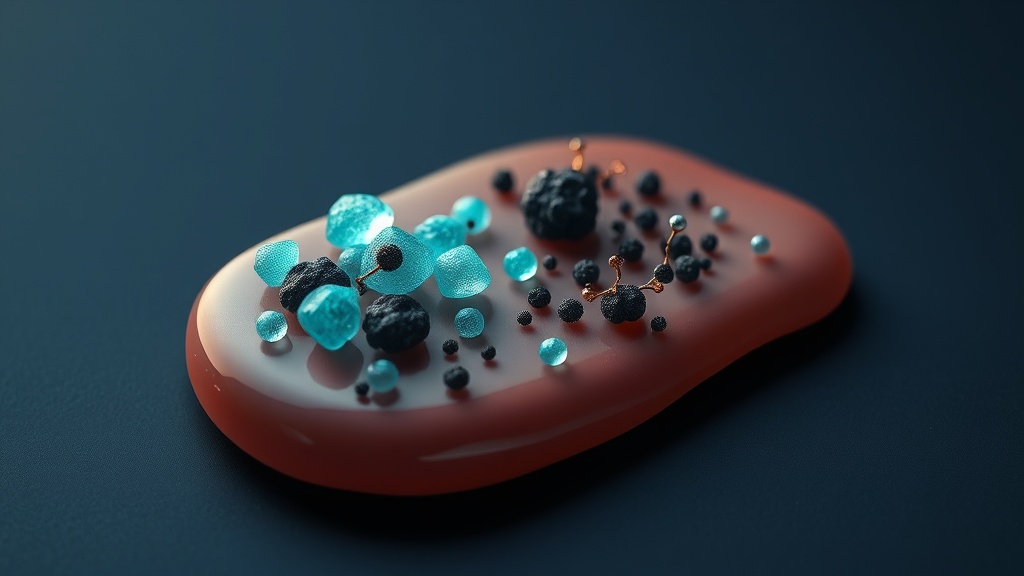
Balance, not sterility: probiotic strains compete with and inhibit the sulfur-producing bacteria rather than wiping the microbiome out.
What the research actually shows
Every claim below maps to a named, peer-reviewed source in the Sources section. According to PubMed.
| Claim | Evidence | Source |
|---|---|---|
| Supplementation with Streptococcus salivarius K12 was associated with a reduction in oral malodour parameters in a substantial proportion of users. | Clinical study of K12 for oral malodour. | Burton et al., 2006 |
| S. salivarius K12 produces bacteriocin-like inhibitory substances that suppress odour-associated bacteria — the rationale for using it against malodour. | Study of the BLIS activity and safety rationale of K12. | Burton et al., 2005 |
| K12 showed antimicrobial activity in the laboratory against sulfur-compound-producing species implicated in halitosis. | In vitro study of K12 against malodour-associated bacteria. | Masdea et al., 2012 |
| Probiotics significantly improved smell (organoleptic) scores and modestly reduced sulfur compounds in the short term (four weeks or less); long-term VSC benefit was not significant. | Meta-analysis of 7 randomised controlled trials. | Huang et al., BMJ Open 2022 |
| Probiotics significantly improved organoleptic scores, but showed no significant difference in measured VSC concentration, underlining mixed objective evidence. | Meta-analysis of randomised clinical trials. | Yoo et al., 2019 |
Oral probiotic strains for breath, compared
| Strain | How it may help | Evidence for breath | Best suited to |
|---|---|---|---|
| S. salivarius K12 | BLIS inhibits odour bacteria; colonises the mouth | Most breath-specific data | An everyday fresh-breath lozenge |
| S. salivarius M18 | BLIS producer, oral-health focus | More on plaque than odour | Broader oral-care routines |
| Lactobacillus reuteri | Competes with and inhibits oral bacteria | Some malodour and gum trials | A gum-focused adjunct |
| Weissella cibaria | Reduces VSC production in studies | Promising but smaller evidence base | A VSC-focused adjunct |
| Lactobacillus salivarius | Competes for space on the tongue | Limited breath-specific data | General oral probiotic use |
What to look for in a product — and the honest limits
A good oral probiotic is easy to spec once you know what matters. First, it should name a specific strain with breath evidence — S. salivarius K12 is the safest bet — rather than a vague blend. Second, it should state a CFU (colony-forming unit) count, so you know there are enough live organisms to matter. Third, it should be a lozenge or dissolvable tablet meant to be held in the mouth, because a gut capsule delivers the strain to the wrong place. Now the honest part. The evidence is strongest in the short term: meta-analyses consistently show improvements in how breath is judged to smell (organoleptic scores), while the effect on machine-measured sulfur compounds is inconsistent — significant in some pooled analyses, not in others. Colonisation is also transient, with beneficial strains fading from the mouth within weeks once you stop, which is why probiotics are best framed as an ongoing adjunct rather than a course you finish. None of this makes them a cure, and none of it replaces the basics: the durable source of odour is the tongue biofilm, so a probiotic works with daily cleaning, not instead of it.
Evidence you can act on.
Occasional emails — new research, new protocols, no noise.
How to choose and use an oral probiotic
This is a cosmetic, breath-freshening routine and an adjunct to good daily hygiene. It supports a better-balanced mouth; it is not a treatment for any medical condition.
- 1
Choose a named, breath-studied strain
onceLook for S. salivarius K12 on the label, ideally with the CFU count stated. A specific, studied strain tells you far more than a generic probiotic blend, and K12 is the one with the most direct oral-malodour research behind it.
- 2
Pick a dissolve-in-the-mouth format
onceOral probiotics for breath should be lozenges or slow-dissolving tablets, not swallowed capsules. The strain needs to settle in the mouth and on the tongue, so let it dissolve slowly rather than washing it straight down with water.
- 3
Take it after cleaning, ideally at night
dailyBrush, floss and clean the tongue first, then let the lozenge dissolve — many people use it last thing before bed, so the strain has an undisturbed overnight window to settle in a freshly cleaned mouth without food or drink washing it away.
- 4
Give it a couple of weeks, and judge by smell
2 to 4 weeksThe short-term evidence centres on the first few weeks, so use it consistently for two to four weeks and judge by how fresh your breath actually is — the organoleptic reality — rather than by marketing claims about counts or exotic strains.
- 5
Keep it as an adjunct and keep it up
ongoingBecause colonisation fades after you stop, treat a probiotic as an ongoing habit layered on top of tongue cleaning and hydration, not a one-time fix. If breath is fresh with it and slips without it, that is the strain doing its job transiently.

Look for a named strain like K12, a stated CFU count, and a dissolve-in-the-mouth lozenge format.
Oral probiotics are a cosmetic adjunct, not a diagnosis. See a dentist if bad breath persists despite good daily cleaning and a suitable probiotic, or if you notice bleeding gums, a persistently dry mouth, loose teeth or a bad taste that will not clear. Persistent odour can signal gum disease or dry mouth that a lozenge only masks. If you are immunocompromised or have a heart-valve condition, check with a clinician before starting any probiotic.
Frequently asked questions
Sources
- 1.
- 2.
- 3.
- 4.
- 5.
- 6.

Fix your breath at the source.
The complete science-backed protocol — engineered to eliminate volatile sulfur compounds at the biological source.
Start the Breath Protocol →Related reading
Educational purposes only. The content on this page is not medical advice and is not a substitute for consultation with a qualified dental or medical professional.
More from the library
 Ingredients7 min
S. salivarius K12: The Fresh-Breath Probiotic, Explained
The idea is not to sterilise your mouth. It is to repopulate it with the right bacteria.
Read →→ Answers7 min
Does Mouthwash Kill Good Bacteria? What the Evidence Says
Antibacterial rinses do not tell friendly bacteria from unfriendly ones. Here is what that means for your breath, and how to use mouthwash without working against yourself.
Read →→ Best Of8 min
The Best Mouthwash for Bad Breath, by Active Ingredient
There is no single winner, only the right rinse for the right job. Here is how the active ingredients compare on the evidence, and which suits everyday fresh breath.
Read →→ Guides8 min
How to Get Rid of Bad Breath Permanently: An Evidence-Based Plan
The honest version: "permanently" means ongoing control, not a one-time fix. Here is the daily routine the research actually supports, and when to get help.
Read →→ Guides7 min
Bad Breath Even After Brushing? The Biological Reason (and Fix)
You brushed, flossed and rinsed — and the smell is still there. The reason usually isn't hygiene; it's where the odour-causing bacteria actually live.
Read →→ Ingredients9 min
Probiotics for Bad Breath: Do Oral Probiotics Actually Work?
Oral probiotics try to fix bad breath at the source, by shifting which bacteria live on your tongue. The idea is promising; the evidence is still early.
Read →→