
Baby Teeth Chart: When Each Tooth Comes In (and Falls Out)
A reassuring guide to the order baby teeth arrive and fall out, why the timing varies so widely, and when a check-in with the dentist makes sense.
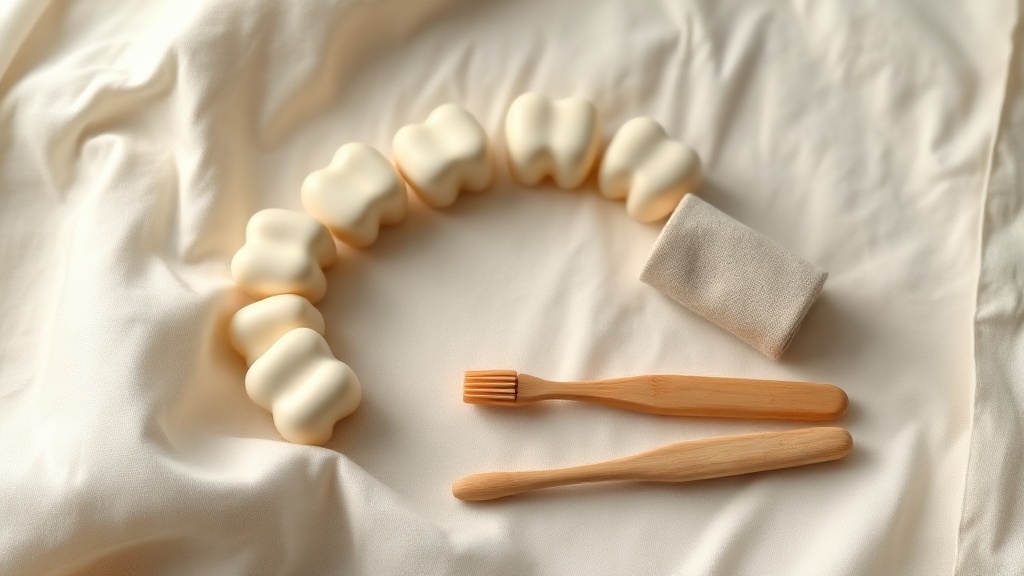
- Most babies get their first tooth around 6 months, but anywhere from about 4 months to just after the first birthday is completely normal — the healthy range is wide.
- Teeth usually arrive in a predictable order: the two bottom front teeth first, then the top front teeth, then outward to the molars and canines, with the full set of 20 baby teeth in by about age two and a half.
- The order matters more than the exact dates. Teeth tend to erupt in symmetrical pairs and follow the same sequence in most children, so a tooth arriving a month or two late is rarely a concern on its own.
- Baby teeth start falling out around age 6 and are replaced through about age 12, usually in a similar order to how they came in — the bottom front teeth lead the way again.
- Timing this varied is normal, but a few signs are worth a professional look: no teeth at all by around 18 months, white or brown spots on a new tooth, or teething blamed for a genuinely high fever.
Most children get their first tooth around 6 months — usually a bottom front tooth — and finish the full set of 20 baby teeth by about two and a half. Teeth then fall out from roughly age 6 to 12 as permanent teeth replace them. Wide timing differences between healthy children are normal.
How baby teeth arrive, in order
Baby teeth — dentists call them primary or deciduous teeth — begin forming before birth, tucked in the gums and waiting. They emerge in a sequence that is remarkably consistent from child to child, which is why a simple chart is so reassuring: you are usually watching a familiar pattern unfold, not a race against the calendar. The two lower central incisors — the bottom front teeth — almost always appear first, typically around six to ten months. The four upper front teeth tend to follow, then the remaining incisors, so that most children have their eight front teeth by their first birthday or soon after. Next come the first molars further back, then the pointed canines that fill the gap between the incisors and molars, and finally the second molars right at the back. By about age two to two and a half, the full set of twenty is usually in place. Teeth also tend to erupt in mirror-image pairs — a left tooth and its right partner arriving close together — which is part of why the whole process looks so orderly.
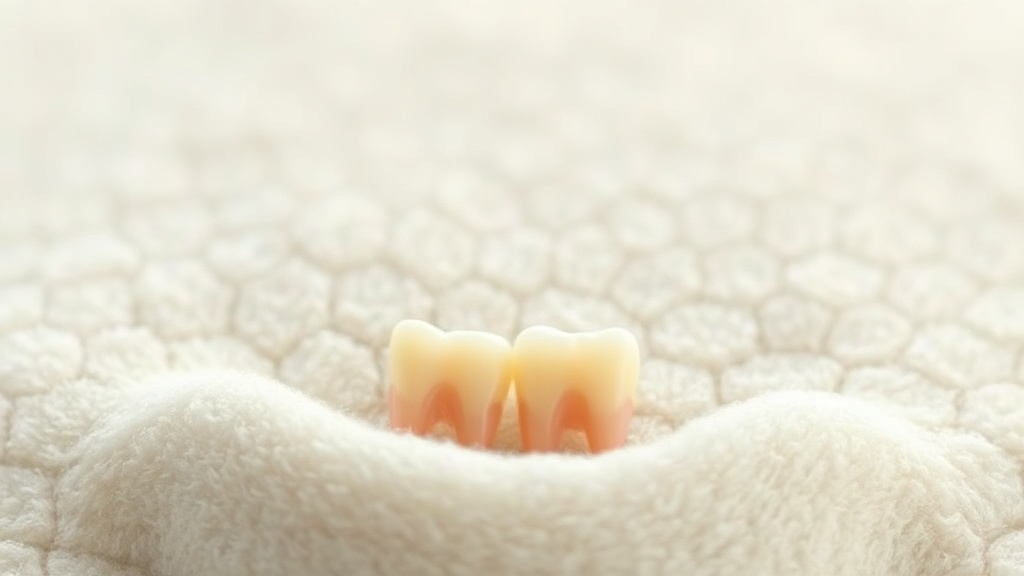
The two lower front teeth almost always lead the way, usually around six to ten months.
What the research says about timing
Every claim below maps to a named, peer-reviewed source in the Sources section. According to PubMed.
| Claim | Evidence | Source |
|---|---|---|
| Most children get their first tooth around 6-7 months, and it is almost always a lower front tooth. | Study of 592 children; mean first-tooth age 7.55 months, a lower incisor first in 82.3%. | Savic Pavicin et al., 2015 |
| Teeth usually arrive in a set order: central incisors, lateral incisors, first molars, canines, then second molars. | 865 children; the typical sequence was observed in 86-89%. | Zadzinska et al., 2013 |
| The full set of 20 primary teeth is usually complete between about 2 and 2.5 years. | 1,988 children; deciduous dentition acquired across a range of roughly 8 to 27.5 months. | Al-Batayneh et al., 2014 |
| Timing varies markedly even among healthy children, so a single milestone rarely means a problem on its own. | 129 children; one tooth present at about 7.1 months, 19 teeth by about 27.8 months, with wide variation. | Nystrom et al., 2000 |
| Permanent teeth generally begin replacing baby teeth around age 6 and finish about age 12-13. | 1,211 schoolchildren; lower central incisors and first molars emerge first, second molars last at about 11-12 years. | Dashash & Al-Jazar, 2017 |
A simple baby-teeth timeline
| Stage | Rough age (wide normal range) | What is usually happening |
|---|---|---|
| First tooth | ~6-10 months (some as early as 4, some after the first birthday) | A lower front tooth usually breaks through first |
| Front teeth in | ~6-16 months | The four bottom and four top incisors arrive |
| First molars & canines | ~13-23 months | Back chewing teeth and the pointed canines fill in |
| Full set of 20 | ~2-2.5 years | All primary teeth are usually in place |
| Baby teeth fall out | ~6-12 years | Permanent teeth push through and replace them, roughly in the order they came |
When baby teeth fall out, and why timing varies so much
Around age six, the same orderly process runs in reverse. Permanent teeth developing beneath the gums slowly dissolve the roots of the baby teeth above them, so a primary tooth loosens, wobbles, and is eventually pushed out by the adult tooth arriving behind it. The bottom front teeth usually loosen first — the same ones that erupted first — and the process continues, tooth group by tooth group, until about age twelve. The first permanent molars are the exception: they come in behind the baby teeth around age six without replacing anything, which is why they are sometimes missed. Why does timing vary so widely? Genetics is the strongest single factor, and children often follow a parent pattern closely. Sex plays a small role, and birth history matters too: babies born prematurely or at a very low birth weight tend to get their first teeth a little later when counted from their birthday, though they usually catch up once you account for their due date. Because so many normal influences push the dates around, dentists pay far more attention to the order and symmetry of eruption than to any single expected age.
Evidence you can act on.
Occasional emails — new research, new protocols, no noise.
How to support your child smile at every stage
You do not need to manage the schedule — teeth arrive on their own timetable. What you can do is keep the new teeth clean and comfortable, and know when to check in with a professional. None of this treats a medical condition; it simply gives little teeth the best start.
- 1
Clean from the very first tooth
twice dailyAs soon as that first tooth appears, start cleaning it. A soft baby brush with a tiny rice-grain smear of toothpaste, or a clean damp cloth wiped over the gums, is enough. Building the habit early makes brushing a normal part of the day long before your child can do it alone.
- 2
Watch the pattern, not the calendar
ongoingUse a chart as a rough guide, not a deadline. Teeth arriving in the usual order, in symmetrical pairs, is far more reassuring than any tooth hitting an exact month. A little early or a little late is usually just your child own rhythm.
- 3
Soothe teething the gentle way
as neededA chilled (not frozen) teething ring, a clean finger to rub the gums, or a cool damp cloth can ease sore gums as teeth push through. Skip amber necklaces, which carry choking and strangulation risks, and avoid over-the-counter numbing gels in babies unless a clinician advises them.
- 4
Book a first dental visit by around age one
yearlySeeing a dentist when the first teeth appear — or by the first birthday — sets up a dental home and a calm relationship with the chair. The evidence for a year-one visit is strongest for children at higher risk of decay, but an early, friendly visit also helps head off fear later on.
- 5
Keep sugary drinks and snacks occasional
dailyNew enamel is more vulnerable than adult enamel, and it is how often — not just how much — sugar appears that matters most. Water and milk between meals, and putting your baby to bed without a bottle of anything sweet, go a long way to protecting those fresh teeth.
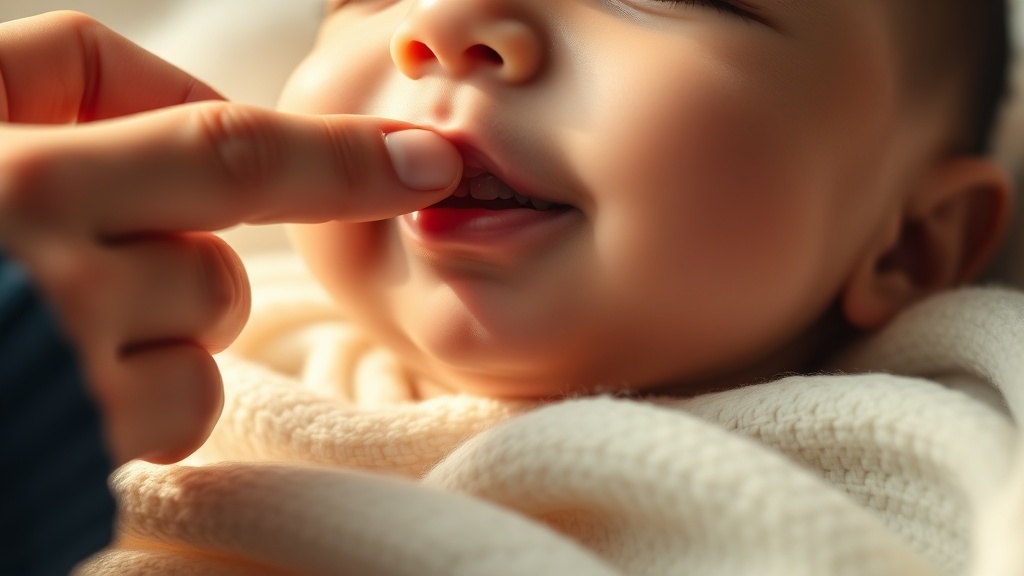
Watching the order teeth arrive — and keeping them clean — matters more than hitting an exact age.
Wide timing differences are normal, so most late or early teeth need no action. Still, it is worth booking a check with a pediatric dentist or your pediatrician if your child has no teeth at all by around 18 months, if teeth are arriving very out of order alongside other developmental delays, or if you notice white, brown, or pitted spots on a new tooth, which can be an early sign of decay a dentist should look at. Teething itself can cause drooling, fussiness, and a slightly raised temperature — but not a genuinely high fever, so a temperature over 38 C (100.4 F) or a poorly baby should be assessed for another cause rather than blamed on teeth.
Frequently asked questions
Sources
- 1.
- 2.
- 3.
- 4.
- 5.
- 6.
- 7.
- 8.

Fix your breath at the source.
The complete science-backed protocol — engineered to eliminate volatile sulfur compounds at the biological source.
Start the Breath Protocol →Related reading
Educational purposes only. The content on this page is not medical advice and is not a substitute for consultation with a qualified dental or medical professional.
More from the library
 Answers8 min
When Do Molars Come In? Baby & Toddler Molar Timeline
When the baby molars arrive, how to soothe sore gums, and the honest truth about teething and fever.
Read →→ Answers8 min
How Long Does Teething Last? Timeline by Tooth
How long teething really lasts — a reassuring timeline by tooth, why each tooth is only briefly uncomfortable, and safe soothing (no benzocaine, no amber necklaces).
Read →→ Guides8 min
Two-Year Molars: Timeline, Symptoms & How to Soothe Them
When two-year molars arrive, what teething really feels like, and how to soothe your toddler safely - plus why a high fever is never just teething.
Read →→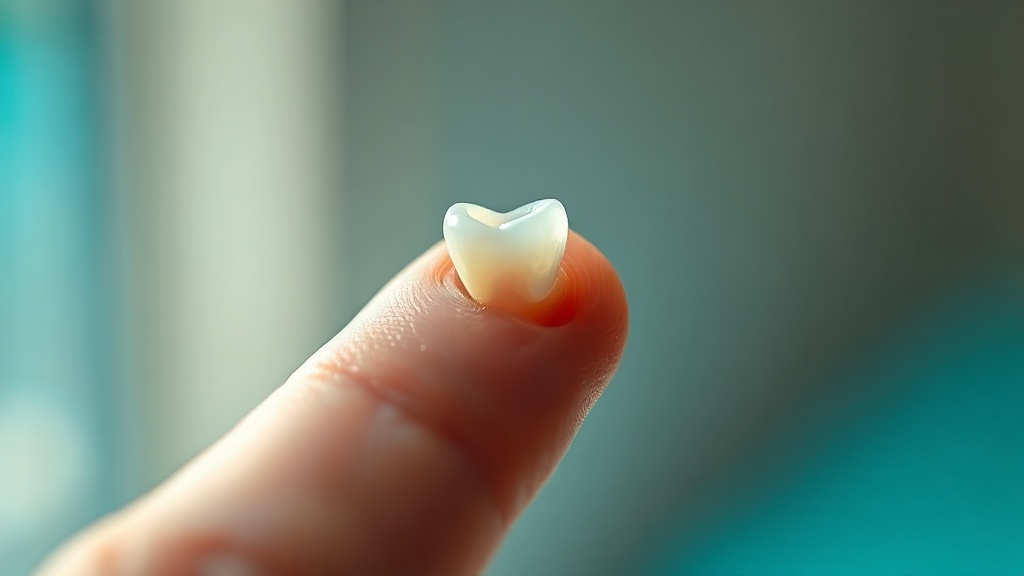 Answers8 min
When Do Kids Lose Teeth? Age and Order Explained
The baby-teeth timeline in plain terms - the usual order, how wide normal really is, and the few signs worth a pediatric dentist visit.
Read →→ Guides9 min
Early Childhood Caries: Gentle Prevention for Little Smiles
What early childhood caries is, why it happens, and the calm daily habits - diet, bottle routines, brushing, dental visits - that lower a young child's risk.
Read →→ Best Of8 min
Best Teething Gel for Babies: Safer Soothing Options Compared
Why the honest best is non-medicated relief - and why the FDA warns against benzocaine and lidocaine teething gels for babies and toddlers.
Read →→