
How Long Does Teething Last? A Timeline by Tooth
How long teething really lasts — a reassuring timeline by tooth, why each tooth is only briefly uncomfortable, and safe soothing (no benzocaine, no amber necklaces).

- Teething as a whole stretches from around six months, when the first tooth appears, to about two and a half or three years, when the last baby molars arrive.
- Each individual tooth is only briefly uncomfortable — usually a few days around the time it breaks through the gum — so a child is not in pain for two straight years.
- The most common signs are gum irritation, drooling, wanting to bite on things, and being generally out of sorts; the first teeth and the two-year molars are often the fussiest.
- Teething can nudge a baby's temperature up slightly but does not cause a true fever — a genuine fever, diarrhoea, or a very unsettled baby points to something else and is worth a call to the doctor.
- Safe soothing is simple: a chilled (not frozen) teething ring, a clean finger or cool washcloth to rub the gums, and, if truly needed, an infant pain reliever your paediatrician approves. Skip benzocaine gels and amber necklaces.
Teething overall lasts from about six months to two and a half or three years, as all twenty baby teeth come in. But each single tooth only causes noticeable discomfort for roughly a few days as it pushes through — so instead of constant pain, most children have short, spread-out fussy spells, often worst with the very first teeth and the two-year molars.
How long each tooth takes — and the whole process
It helps to separate two different questions that get tangled together. The first is how long the entire teething journey lasts, and the answer is a couple of years: the first tooth usually appears around six months, and the full set of twenty primary teeth is generally complete by about two and a half to three years of age. The second question — the one that actually matters night to night — is how long any one tooth is uncomfortable, and here the news is far more reassuring. The tender phase for a single tooth is short, typically the few days on either side of the moment it breaks through the gum, after which the discomfort settles even though the tooth keeps rising into place. So rather than picturing years of continuous pain, it is more accurate to picture a series of brief flare-ups, clustered around each new tooth, with long calm stretches in between. Some teeth barely register at all and a parent only notices when they spot a new white edge. Others, especially the first teeth and the large two-year molars, can bring a few genuinely unsettled days. Understanding this pattern is itself comforting: a fussy patch is usually a passing few days, not a new normal.
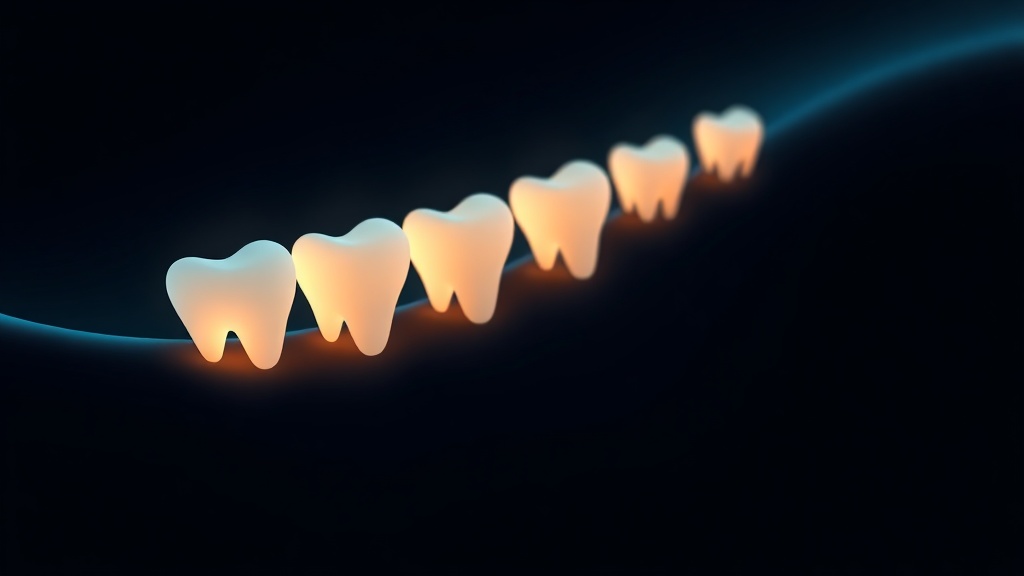
The whole process spans roughly six months to three years, but each tooth is only briefly tender as it emerges.
What the research actually shows
Every claim below maps to a named, peer-reviewed source in the Sources section. According to PubMed.
| Claim | Evidence | Source |
|---|---|---|
| Signs and symptoms really do occur during eruption — pooled across studies, about 70% of the time — with gum irritation, irritability and drooling the most common. | Meta-analysis of 16 studies, 3,506 children aged 0 to 36 months. | Massignan et al., 2016 |
| Eruption can lead to a slight rise in body temperature, but this was not characterised as a fever — a true fever should not be blamed on teething. | Same meta-analysis of body-temperature data during eruption. | Massignan et al., 2016 |
| Teething problems are common worldwide (pooled prevalence about 80%), with increased biting and irritability the most frequently reported. | Systematic review and meta-analysis of 25 studies. | Jhunjhunwala et al., 2024 |
| The US Food and Drug Administration has warned against benzocaine teething products because of the risk of methemoglobinemia, a dangerous blood-oxygen condition. | Survey documenting the FDA warning and provider recommendations. | Ip et al., 2017 |
| Pediatric exposures to topical benzocaine have caused methemoglobinemia, most often in children aged four and under — a real hazard behind the warning. | Ten-year review of poison-control exposures. | Vohra et al., 2017 |
A rough timeline by tooth
| Teeth | Typical age they come in | What to expect |
|---|---|---|
| Lower front teeth (central incisors) | About 6 to 10 months | Often the first, and sometimes the fussiest, with lots of drooling |
| Upper front teeth (incisors) | About 8 to 16 months | Usually straightforward once front teeth are underway |
| First molars (back) | About 13 to 19 months | Bigger teeth can mean a few more unsettled days |
| Canines (pointed teeth) | About 16 to 23 months | Come in beside the incisors, often with mild fussiness |
| Second molars (two-year molars) | About 23 to 33 months | The last and largest baby teeth; can be the most uncomfortable set |
Teething versus actually being unwell
One of the most important things a parent can know is what teething does not do, because blaming a real illness on teething can delay care. The research is clear that eruption is linked to mild, local symptoms — sore gums, drooling, wanting to chew, a bit of extra fussiness — and at most a slight bump in temperature that does not reach the level of a fever. What teething does not reliably cause is a true fever (generally 100.4 degrees Fahrenheit or 38 degrees Celsius and above), significant diarrhoea, vomiting, a widespread rash, or a baby who seems genuinely unwell and hard to console. If any of those appear, the safe assumption is that something other than teething is going on — a viral infection is common at this age, as babies also start putting everything in their mouths — and it is worth contacting your doctor rather than waiting it out. This distinction is not about being over-cautious; it is about not missing an ear infection or another treatable illness because its signs were written off as teething. When symptoms genuinely are just teething, they tend to be mild, come and go with each tooth, and respond to simple comfort.
Evidence you can act on.
Occasional emails — new research, new protocols, no noise.
Safe ways to soothe teething
The goal is gentle comfort while the tooth does its thing. The safest options are also the simplest — and a couple of popular products are best avoided entirely.
- 1
Offer something cool and safe to chew
as neededA solid silicone or rubber teething ring chilled in the fridge (never frozen hard, which can bruise gums) gives firm, cold counter-pressure that many babies find soothing. Choose one-piece designs with no small parts.
- 2
Rub the gums
1 to 2 minutesA clean finger or a cool, damp washcloth pressed and rubbed gently over the sore gum can calm a grizzly baby surprisingly well, and a chilled washcloth doubles as something safe to gnaw on.
- 3
Keep the drool off the skin
through the dayTeething means extra drool, which can irritate the chin and cheeks. Wipe gently and often and use a plain barrier ointment if the skin looks red, so a drool rash does not add to the discomfort.
- 4
Use pain relief only if truly needed
per your paediatricianFor a genuinely uncomfortable child, an age- and weight-appropriate dose of infant paracetamol (acetaminophen) or ibuprofen can help — but check with your paediatrician or pharmacist first, and follow the dosing exactly.
- 5
Skip the risky remedies
alwaysAvoid benzocaine or lidocaine teething gels, which carry a serious blood-oxygen risk in babies, along with amber teething necklaces (a choking and strangulation hazard) and homeopathic teething tablets. Never tie anything around a baby's neck or tape the mouth.
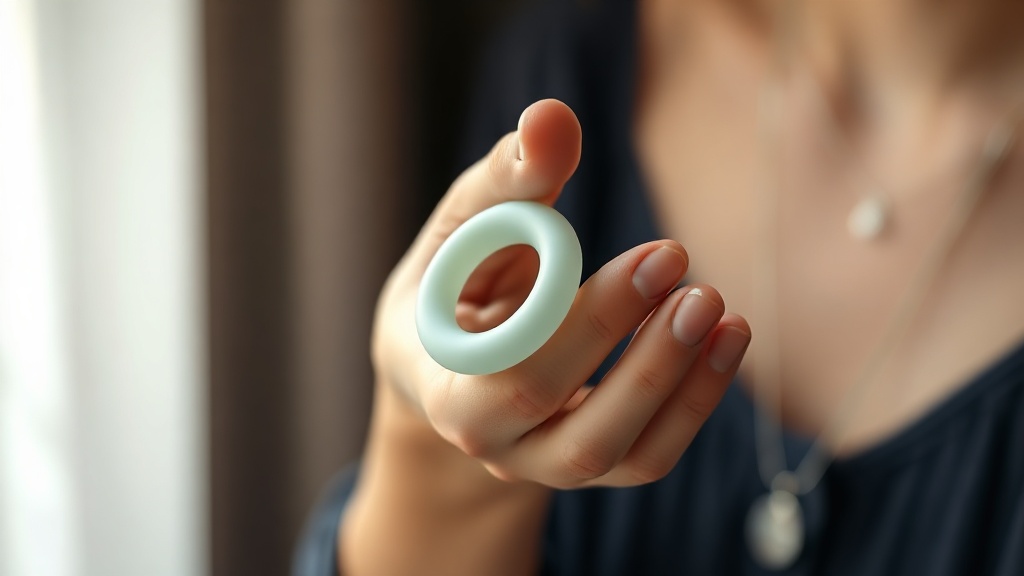
A chilled — not frozen — silicone teething ring is one of the simplest and safest ways to soothe a sore gum.
Call your paediatrician if your baby has a true fever, is refusing to feed, has diarrhoea or a rash, or is very unsettled and hard to comfort — these are not teething and deserve a look. On the dental side, plan a first dental visit by your child's first birthday or within six months of the first tooth, and check in with a dentist if no teeth have appeared by around 18 months. When in doubt about a symptom, it is always reasonable to ask rather than assume it is teething.
Frequently asked questions
Sources
- 1.
- 2.
- 3.
- 4.
- 5.

Fix your breath at the source.
The complete science-backed protocol — engineered to eliminate volatile sulfur compounds at the biological source.
Start the Breath Protocol →Related reading
Educational purposes only. The content on this page is not medical advice and is not a substitute for consultation with a qualified dental or medical professional.
More from the library
 Guides8 min
Teething and Fever: What's Normal and When to Call
A teething baby who feels warm worries every parent. Here is the honest science on teething and temperature, and the fever signs that mean it is time to call.
Read →→ Guides9 min
Teething Pain Relief: How to Soothe Your Baby Without Medicine
When a teething baby is in real distress, you want relief that is both effective and safe. Here is the step-by-step ladder, from cold and cuddles to careful use of medicine.
Read →→ Answers8 min
Signs of Teething: How to Tell Your Baby Is Teething
What teething actually looks like, and the warning signs that are not teething at all.
Read →→ Answers8 min
Are Amber Teething Necklaces Safe? What Parents Should Know
Pediatric and safety authorities say no. Here is the honest science on the risks, the debunked succinic-acid theory, and what to soothe with instead.
Read →→ Guides9 min
Early Childhood Caries: Gentle Prevention for Little Smiles
What early childhood caries is, why it happens, and the calm daily habits - diet, bottle routines, brushing, dental visits - that lower a young child's risk.
Read →→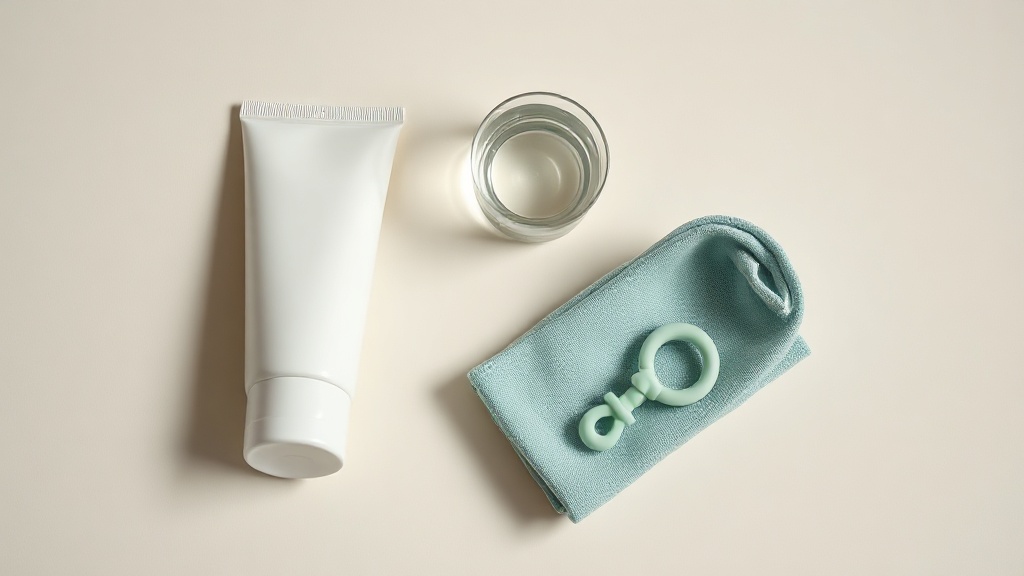 Best Of8 min
Best Teething Gel for Babies: Safer Soothing Options Compared
Why the honest best is non-medicated relief - and why the FDA warns against benzocaine and lidocaine teething gels for babies and toddlers.
Read →→