
When Do Kids Lose Teeth? Age and Order Explained
The baby-teeth timeline in plain terms - the usual order, how wide normal really is, and the few signs worth a pediatric dentist visit.
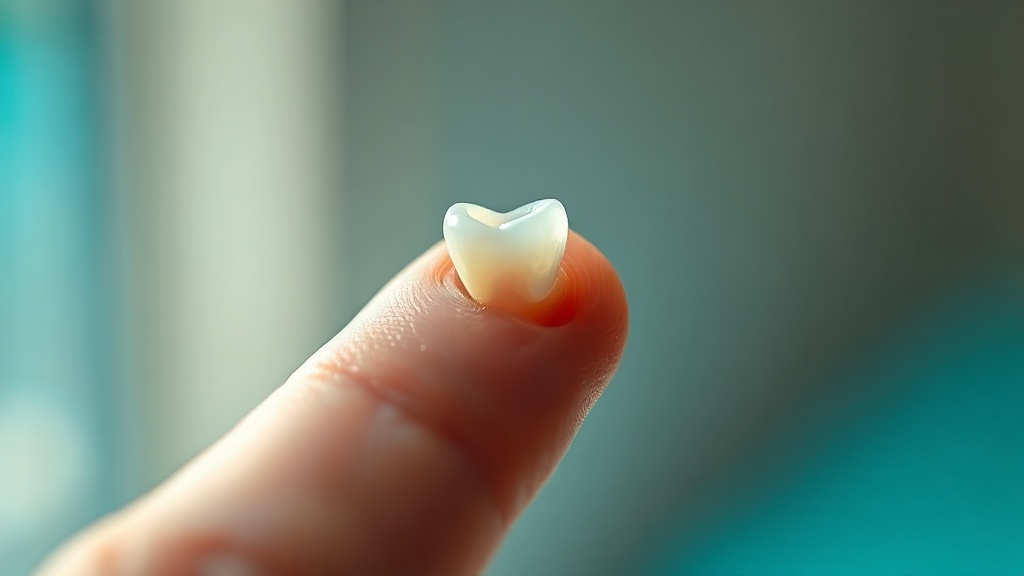
- Most children lose their first baby tooth around age 6 and their last around age 12, so the loose-tooth years stretch across roughly six years.
- The lower front teeth (central incisors) are almost always the first to go, and the second molars at the back are usually the last.
- Baby teeth tend to fall out in roughly the same order they came in, which is why the process is fairly predictable child to child.
- Normal is a wide window: an early start near age 4 or a later start after 7 can both be fine, and girls often run a few months ahead of boys.
- A tooth lost very early to decay or injury, or no teeth lost by around age 8, is worth a relaxed check-in with a pediatric dentist.
Children usually start losing baby teeth around age 6 and finish around age 12. The lower front teeth typically go first, followed by the upper front teeth, then the ones further back, ending with the second molars. Timing varies widely, so starting a year or two earlier or later is often completely normal.
The order teeth are lost - and why it is so predictable
Baby teeth tend to leave in roughly the same order they arrived, and that first-in, first-out pattern is not a coincidence. Each baby tooth is pushed out by the permanent tooth developing directly beneath it, and those permanent teeth mature on a fairly set schedule. The teeth that erupted earliest in babyhood - the lower front teeth - are also the first to have a permanent successor ready underneath, so they are the first to loosen and fall. That is why, for most children, a wobbly lower front tooth around age 6 is the opening act. From there the pattern moves outward and backward: the upper front teeth, then the teeth beside them, then the canines and the broad baby molars further back. The very last to go are usually the second baby molars, tucked at the back, which often stay put until around age 11 or 12. Because the whole sequence is driven by the steady march of the permanent teeth below, the order stays remarkably consistent even when the exact ages differ from one child to the next.
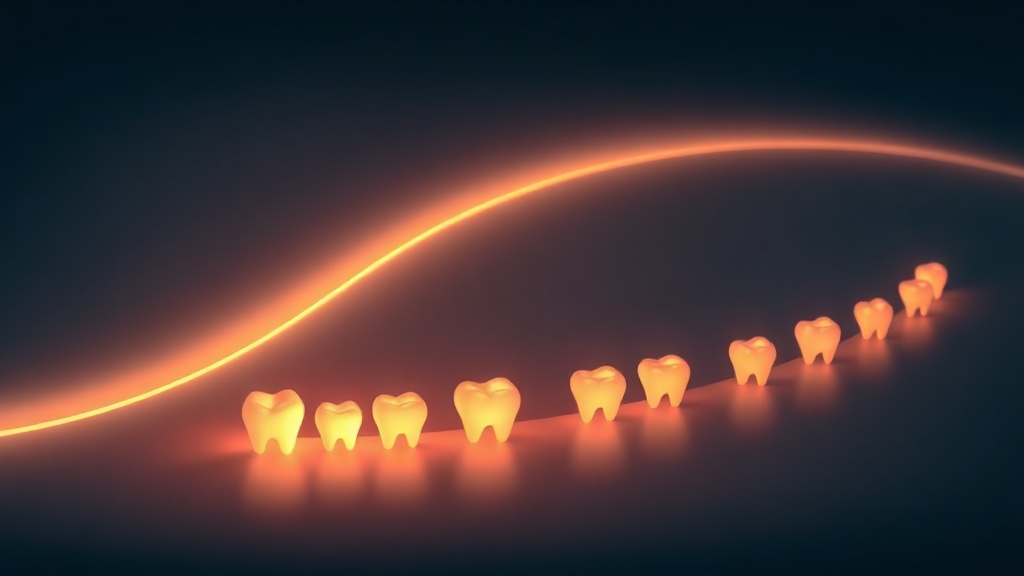
The loose-tooth years unfold in a steady sequence, from the lower front teeth around age 6 to the back molars around 12.
What the research actually shows
Every claim below maps to a named, peer-reviewed source in the Sources section. According to PubMed.
| Claim | Evidence | Source |
|---|---|---|
| The first baby teeth are typically lost around age 6, with a normal range from roughly 5 to 7 years. | Survey of 37,973 children; median transition age 6.0 years (3rd-97th percentile 4.9-7.1). | Zhang et al., 2020 |
| The lower central incisors are usually the first teeth to be replaced, and the upper second molars around age 12 are among the last. | Emergence standards from 3,596 children. | Almonaitiene et al., 2012 |
| Girls tend to reach these milestones about 4 to 5 months ahead of boys, on average. | Sex-difference analysis within the same emergence standards. | Almonaitiene et al., 2012 |
| Baby teeth generally shed in roughly the same order they first erupted, following a consistent front-to-back sequence. | Emergence timing and sequence in 1,988 children. | Al-Batayneh et al., 2014 |
| When a baby tooth is lost prematurely - for example to decay - the permanent tooth beneath it can emerge months earlier or later than usual. | Prospective study of 4,468 children. | Leroy & Declerck, 2004 |
The usual order baby teeth are lost
| Baby teeth | Usual age lost | Notes |
|---|---|---|
| Lower central incisors | 6 to 7 | Almost always the first to go |
| Upper central incisors | 6 to 7 | Often close behind the lower front teeth |
| Lateral incisors | 7 to 8 | The teeth on either side of the front two |
| First baby molars | 9 to 11 | The broad baby chewing teeth further back |
| Canines | 9 to 12 | The pointed teeth between molars and incisors |
| Second baby molars | 10 to 12 | Usually the last baby teeth to leave |
How wide normal really is
It is easy to worry when a friend child loses teeth on a different timetable, but the honest picture is that normal covers a very wide range. In large studies of thousands of children, the age at which the baby teeth start giving way to permanent ones clustered around 6 years, yet the healthy span reached from before 5 to after 7. In other words, two perfectly healthy children can be more than two years apart and both be entirely on track. Some of that spread is simply individual, some tracks a child overall growth, and some comes down to sex - girls tend to reach these milestones a few months ahead of boys. What stays steady through all this variation is the sequence: even a late starter usually loses teeth in the same recognisable order. This is why dentists pay far more attention to the pattern than to the calendar. A child who is a little behind but losing teeth in a sensible order is usually just moving to their own rhythm, not falling behind.
Evidence you can act on.
Occasional emails — new research, new protocols, no noise.
How to handle the loose-tooth years
You do not need to manage the timeline - it manages itself. These small habits keep things comfortable and let you spot the rare thing worth a mention.
- 1
Follow the order, not the calendar
ongoingKeep a loose mental note of which teeth have gone rather than watching the dates. If teeth are leaving lower-front-first and moving backward over time, the process is almost certainly on track, even if your child seems early or late compared with classmates.
- 2
Let each loose tooth fall on its own
days to weeks per toothA tooth comes out cleanly when its root has fully dissolved. Gentle wiggling is fine and can be fun; forcing a stubborn tooth is not, and can cause pain and bleeding. If a tooth has been loose for many weeks without progress, mention it at a routine visit.
- 3
Handle a little bleeding calmly
a few minutesA newly empty socket may bleed slightly. A clean piece of gauze or a damp washcloth with light pressure for a few minutes settles it, followed by a rinse with cool water. This is normal and rarely needs anything more.
- 4
Protect the permanent teeth from day one
twice dailyThe adult teeth arriving in the gaps are the ones your child keeps for life, so brush them gently and thoroughly as they come through, including the new molars at the very back that do not replace a baby tooth.
- 5
Note anything genuinely out of pattern
as neededTeeth lost badly out of order, a wide unexplained gap in the timeline, a permanent tooth erupting while the baby tooth is still firmly in place, or a tooth lost to decay or a knock are the details worth raising with a pediatric dentist.

A wiggly tooth is a milestone to enjoy - gentle wiggling is fine, forcing it is not.
The timeline almost always sorts itself out, but a calm check with a pediatric dentist is sensible in a few situations: if your child has not lost any baby teeth by around age 8, if a first tooth is lost very early (well before age 4), if a baby tooth is lost to decay or knocked out by injury rather than shed naturally, if a permanent tooth is clearly erupting while the baby tooth ahead of it is still solid, or if teeth are leaving in a markedly unusual order. None of these are emergencies on their own, but a dentist can confirm the adult teeth are developing normally and holding their space - and reassurance is a perfectly good reason to book.
Frequently asked questions
Sources
- 1.
- 2.
- 3.
- 4.

Fix your breath at the source.
The complete science-backed protocol — engineered to eliminate volatile sulfur compounds at the biological source.
Start the Breath Protocol →Related reading
Educational purposes only. The content on this page is not medical advice and is not a substitute for consultation with a qualified dental or medical professional.
More from the library
 Answers8 min
How Many Baby Teeth Do Kids Lose?
Every child sheds all 20 primary teeth to make room for their adult set - here is what is normal and what is worth a dentist visit.
Read →→ Answers8 min
When Do Molars Come In? Baby & Toddler Molar Timeline
When the baby molars arrive, how to soothe sore gums, and the honest truth about teething and fever.
Read →→ Guides8 min
Two-Year Molars: Timeline, Symptoms & How to Soothe Them
When two-year molars arrive, what teething really feels like, and how to soothe your toddler safely - plus why a high fever is never just teething.
Read →→ Causes8 min
Pacifier Teeth: How Prolonged Pacifier Use Affects Your Child's Bite
What 'pacifier teeth' really means, why it happens, and why stopping early usually lets the bite recover.
Read →→ Guides9 min
Early Childhood Caries: Gentle Prevention for Little Smiles
What early childhood caries is, why it happens, and the calm daily habits - diet, bottle routines, brushing, dental visits - that lower a young child's risk.
Read →→ Best Of8 min
Best Teething Gel for Babies: Safer Soothing Options Compared
Why the honest best is non-medicated relief - and why the FDA warns against benzocaine and lidocaine teething gels for babies and toddlers.
Read →→