When Do Molars Come In? Baby and Toddler Molar Timeline
When the baby molars arrive, how to soothe sore gums, and the honest truth about teething and fever.
- A baby first molars usually come in around 13 to 19 months, and the second molars - the two-year molars - arrive around age 2, completing the full set of 20 baby teeth.
- Molars are broad and blunt, so they push through more gum than a pointed front tooth, which is why they can be the fussiest teeth to cut.
- Teething is real but mild: the most common signs are sore gums, drooling, irritability and extra biting - not a high fever or serious illness.
- Teething may nudge a baby temperature up a little, but it does not cause a true fever. A genuine fever means you should look for another cause.
- Cool, firm pressure on the gums is the safest comfort. Skip benzocaine teething gels and amber necklaces, which carry safety warnings, and ask your pediatrician about pain relief.
A baby first molars typically come in between about 13 and 19 months, and the second molars arrive around age 2, usually finishing by about two and a half. They are often the most uncomfortable teeth to cut because they are wide and break through more gum, but teething stays mild and does not cause a high fever.
How baby molars come in - and why they feel different
Molars are the workhorses at the back of the mouth, and they are built differently from the teeth that came before. A front tooth has a single narrow edge that slices through the gum fairly quickly. A molar has a broad, flat top with several bumps, so it has to open a much larger area of gum to emerge - which is exactly why molars have a reputation for being the fussiest teeth to cut. In the baby set, the first molars arrive after the front teeth and canines have already come through, usually somewhere between 13 and 19 months. Then, after a pause, the second molars make their appearance around the second birthday, tucked right at the back. These second molars, often called the two-year molars, are the grand finale of teething: once they are in, your child has the complete set of 20 baby teeth. Because a molar takes longer to break through and covers more ground, the discomfort tends to come in waves over several days rather than all at once, easing as soon as the tooth clears the gum.
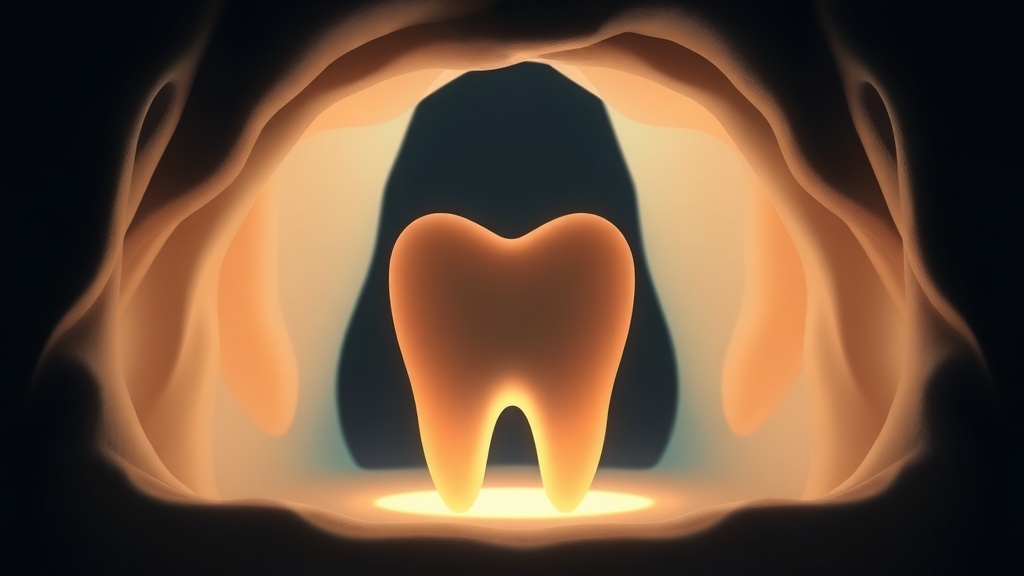
A molar is broad and blunt, so it opens a larger area of gum than a front tooth - the reason molars can be the fussiest to cut.
What the research actually shows
Every claim below maps to a named, peer-reviewed source in the Sources section. According to PubMed.
| Claim | Evidence | Source |
|---|---|---|
| In the baby set, the first molars emerge after the incisors and the second molars come last, completing the primary teeth over roughly the first two to two-and-a-half years. | Emergence timing and sequence in 1,988 children (span about 8 to 28 months). | Al-Batayneh et al., 2014 |
| Signs during baby-tooth eruption occur about 70% of the time; the most common are gum irritation, irritability and drooling. | Meta-analysis of 16 studies, 3,506 children. | Massignan et al., 2016 |
| Around 80% of infants show some teething sign worldwide, with increased biting the most common local symptom. | Systematic review and meta-analysis of 25 studies. | Jhunjhunwala et al., 2024 |
| Teething may raise a baby temperature slightly, but the rise is not high enough to be classed as a fever. | Body-temperature analysis within the eruption meta-analysis. | Massignan et al., 2016 |
| In a prospective study of 125 infants, no teething child had a high fever or a serious illness - so a real fever points to another cause. | Daily records across 19,422 child-days and 475 tooth eruptions. | Macknin et al., 2000 |
The baby molar timeline
| Baby molars | Typical age in | What to expect |
|---|---|---|
| Upper first molars | 13 to 19 months | Broad back teeth; some fussiness, drooling and biting |
| Lower first molars | 14 to 18 months | Often arrive close to the upper first molars |
| Lower second molars | 23 to 31 months | The two-year molars; among the last to come in |
| Upper second molars | 25 to 33 months | Complete the full set of 20 baby teeth |
Teething and fever: the honest truth
This is the point where a lot of parents are led astray. It is often assumed that teething causes fever, but the best research does not support that. When investigators followed babies day by day and measured their temperatures, children were no warmer on the days a tooth came through than on ordinary days. A large meta-analysis reached the same conclusion: eruption might nudge a temperature up a fraction, but not enough to count as a true fever. And in a careful study of 125 infants tracked for months, not a single teething child ran a high fever or turned out to be seriously ill from teething alone. Why does this matter so much? Because blaming a real fever on teething can delay spotting something that needs attention. Teething sits at the same age when babies are exploring the world with their mouths and catching their first common infections, so the timing overlaps - but overlap is not cause. The safe rule is simple: mild gum soreness, drooling and crankiness can be teething; a fever over 100.4F (38C), diarrhea, vomiting, a rash beyond the mouth and chin, or a genuinely unwell baby are not teething, and deserve a call to your pediatrician.
Evidence you can act on.
Occasional emails — new research, new protocols, no noise.
How to soothe a teething toddler safely
Molar teething passes on its own once the tooth is through. The goal is simple, safe comfort - cool pressure and calm - while you wait it out.
- 1
Offer cool, firm pressure
as neededGentle counter-pressure is what actually helps a sore gum. A chilled (not frozen) solid teether, a clean finger, or a cool damp washcloth for your child to gnaw on works well. Frozen-hard objects can bruise the gum, so aim for cool rather than icy.
- 2
Keep the drool off delicate skin
through the dayMolars often come with a lot of drooling, and constant wetness can irritate the skin around the mouth and chin. Pat it dry gently through the day and a plain barrier ointment at night can protect against a teething rash.
- 3
Use cool drinks and soft foods
mealtimesOn sore days, cool water and softer foods are easier on tender gums. For babies on solids, a chilled soft food or a cold spoon can double as soothing relief. Keep sugary drinks and juice to a minimum, since sore gums do not need added sugar.
- 4
Lean on comfort and routine
ongoingExtra cuddles, a calm bedtime and a familiar routine do more than any product. Teething discomfort comes in waves and settles as each tooth clears, so steady reassurance carries most children through the fussiest days.
- 5
Skip the risky remedies
alwaysAvoid benzocaine teething gels and amber teething necklaces, both of which carry recognised safety warnings. If your child is in real pain, ask your pediatrician about an appropriate, weight-based pain reliever rather than reaching for an over-the-counter numbing gel.
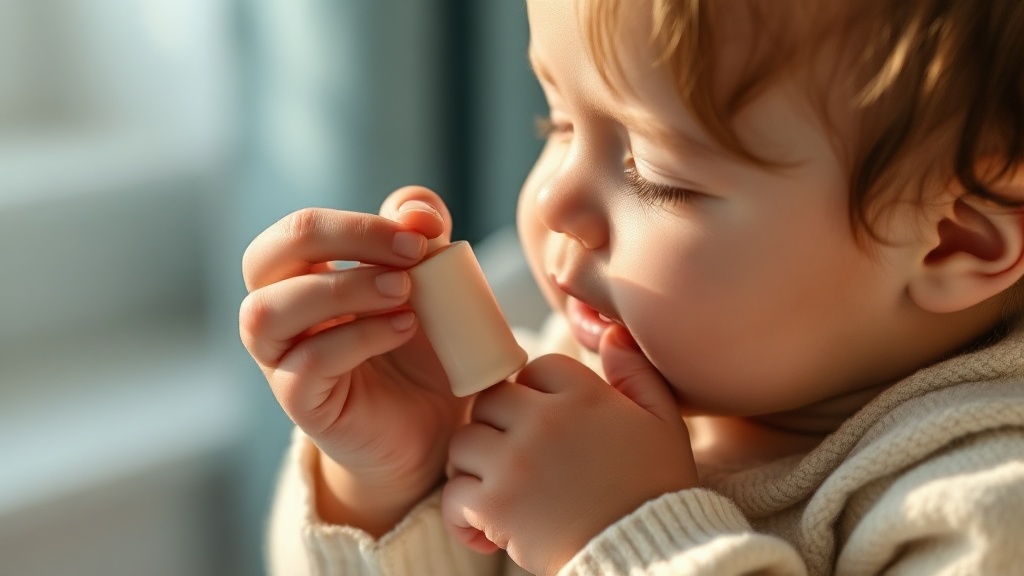
Cool, firm pressure and calm comfort are the safest ways to ease sore gums while a molar comes through.
Teething itself rarely needs a doctor, but the symptoms wrongly blamed on it sometimes do. Call your pediatrician if your baby has a fever over 100.4F (38C), seems genuinely unwell, is refusing feeds, or has diarrhea, vomiting, or a rash spreading beyond the mouth and chin - these are signs of illness, not teething. It is also worth seeing a pediatric dentist if a molar seems stuck or painful for a long stretch, if you notice swelling, or if the first tooth of any kind has not appeared by around 18 months. When in doubt, a quick check is always reasonable - it is far better to ask than to assume it is just teething.
Frequently asked questions
Sources
- 1.
- 2.
- 3.
- 4.
- 5.

Fix your breath at the source.
The complete science-backed protocol — engineered to eliminate volatile sulfur compounds at the biological source.
Start the Breath Protocol →Related reading
Educational purposes only. The content on this page is not medical advice and is not a substitute for consultation with a qualified dental or medical professional.
More from the library
 Guides8 min
Two-Year Molars: Timeline, Symptoms & How to Soothe Them
When two-year molars arrive, what teething really feels like, and how to soothe your toddler safely - plus why a high fever is never just teething.
Read →→ Answers8 min
How Long Does Teething Last? Timeline by Tooth
How long teething really lasts — a reassuring timeline by tooth, why each tooth is only briefly uncomfortable, and safe soothing (no benzocaine, no amber necklaces).
Read →→ Answers8 min
How Many Baby Teeth Do Kids Lose?
Every child sheds all 20 primary teeth to make room for their adult set - here is what is normal and what is worth a dentist visit.
Read →→ Guides8 min
Teething Rash: What It Looks Like and How to Soothe It
That red, chapped patch on your baby chin is usually drool rash from teething saliva, soothed with simple, gentle care.
Read →→ Guides9 min
Early Childhood Caries: Gentle Prevention for Little Smiles
What early childhood caries is, why it happens, and the calm daily habits - diet, bottle routines, brushing, dental visits - that lower a young child's risk.
Read →→ Best Of8 min
Best Teething Gel for Babies: Safer Soothing Options Compared
Why the honest best is non-medicated relief - and why the FDA warns against benzocaine and lidocaine teething gels for babies and toddlers.
Read →→