Two-Year Molars: Timeline, Symptoms & How to Soothe Them
When two-year molars arrive, what teething really feels like, and how to soothe your toddler safely - plus why a high fever is never just teething.

- Two-year molars are the second set of baby molars - the last of your child's 20 baby teeth - and they usually come in between about 23 and 33 months, often a little later on the top than the bottom.
- Because these molars are large with a broad chewing surface, teething can feel more drawn-out than it did for the little front teeth, with drooling, gum-rubbing, chewing and some fussiness.
- Teething does NOT cause a high fever. Research shows only a slight, brief rise in temperature on the day a tooth breaks through - a true fever of 100.4F (38C) or higher, or diarrhea and vomiting, points to an illness, not the molars.
- The safest comfort is simple: a chilled (not frozen) teething ring, a clean cool washcloth, gentle gum-rubbing with a clean finger, and plenty of cuddles - the very measures research found most effective.
- Skip the risky 'remedies': benzocaine and lidocaine gels are dangerous under age two, amber teething necklaces are a strangulation and choking hazard, and recalled homeopathic teething tablets have no place here.
Two-year molars - the second baby molars at the back - usually erupt between about 23 and 33 months, and they are the last baby teeth to arrive. Expect drooling, gum-rubbing, chewing and some fussiness that comes and goes over days. Soothe with chilled teething rings and cuddles; a high fever is never just teething.
What the two-year molars actually are
By around your child's second birthday, most of the baby teeth are already in place - the front teeth arrived in the first year, and the first molars followed. The two-year molars are the second set of molars at the very back, and they are the grand finale: once they are through, your child has all 20 baby teeth. They usually erupt somewhere between 23 and 33 months, and it is completely normal for them to come a little later on the top jaw than the bottom, or for one side to lead the other. What makes these particular teeth memorable is their size. Unlike the thin, sharp incisors that sliced through the gum in the first year, the second molars are broad, blunt-topped teeth that have to push a large surface through the gum. That can make the process feel slower and grumpier - a few days of a swollen, tender patch at the back of the mouth, some extra drool, and a toddler who wants to chew on everything. It looks dramatic, but it is ordinary biology finishing an ordinary job.
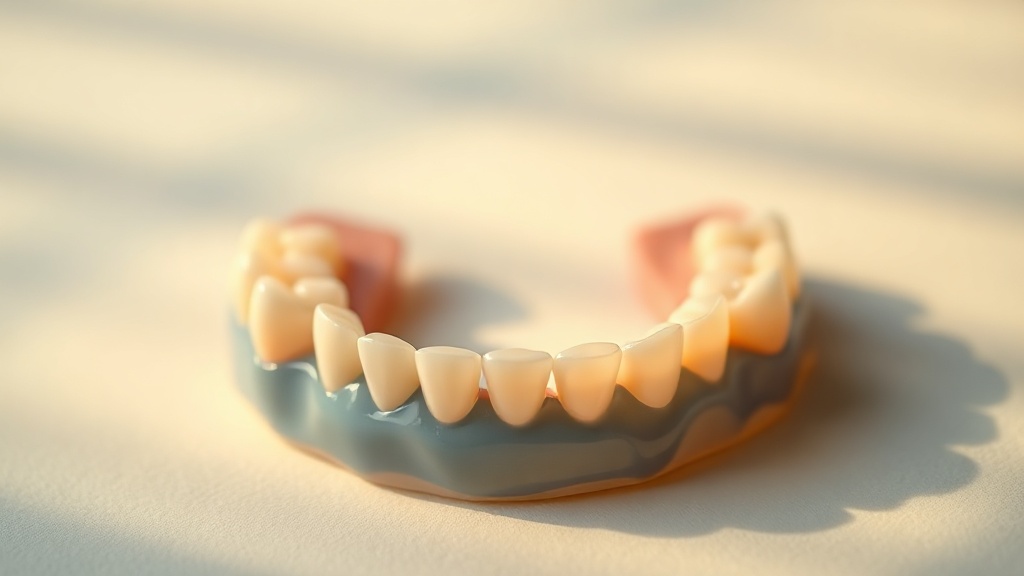
The two-year molars are the second, rearmost baby molars - the last of the 20 baby teeth to come in.
What the research actually shows
Every claim below maps to a named, peer-reviewed source in the Sources section. According to PubMed.
| Claim | Evidence | Source |
|---|---|---|
| Teething is linked only to a slight rise in temperature on the day a tooth erupts (readings peaked around 36.8C) - genuine fever cannot be attributed to teething. | Prospective longitudinal study of infants (daily temperature readings). | Ramos-Jorge et al., 2011 |
| The most common teething signs are drooling (about 92%), sleep disturbance (82%) and irritability (76%); there was no association between teething and fever or diarrhea. | Clinical trial of 254 children during tooth eruption. | Memarpour et al., 2015 |
| Teething rings, cuddling and gently rubbing the gums were the most effective, safest ways to ease teething symptoms. | Comparison of non-pharmacological remedies in the same trial. | Memarpour et al., 2015 |
| The FDA warned against benzocaine teething products for infants because of a risk of methemoglobinemia, a dangerous blood-oxygen disorder. | Study documenting the FDA warning and prescriber behaviour. | Ip et al., 2017 |
| Hard candy is the single food most often involved in child choking, with a mean age of about 4.5 years - a reason to supervise anything a teething toddler chews. | National study of nonfatal food choking in children. | Chapin et al., 2013 |
Teething or something else? A quick guide
| Sign | Typical of teething? | When it points to illness instead |
|---|---|---|
| Drooling, chewing, gum-rubbing | Yes - among the most common signs | Rarely a concern on its own |
| Fussiness and disturbed sleep | Yes, usually mild and short-lived | If your child is inconsolable or it drags on for many days |
| Slightly warm, under 100.4F (38C) | Yes, often just on the day a tooth breaks through | A true fever of 100.4F (38C) or higher is not caused by teething |
| Diarrhea or vomiting | No - not caused by teething | Points to a stomach bug or other illness - worth a call |
| Spreading rash, lethargy, refusing fluids | No | See a doctor promptly; look for another cause |
Why teething gets blamed for more than it causes
Teething has a reputation for causing everything from raging fevers to diarrhea, and it is easy to see why. The two-year molars arrive during the same stretch of life when toddlers are exploring the world with their mouths, mixing with other children, and catching their first run of ordinary bugs. When a fever and a new molar show up in the same week, the tooth gets the blame. But when researchers actually tracked children day by day, the pattern was clear: teething coincided with only a small, brief bump in temperature on the day of eruption, and it was not associated with fever, diarrhea or vomiting at all. That distinction matters for safety, not just tidiness. If you assume a high fever is 'just teething,' you might wait on an illness that needs attention. The reliable rule is simple - teething can make a toddler drooly, chewy and cranky, but a temperature of 100.4F (38C) or higher, persistent diarrhea, vomiting, a spreading rash or unusual sleepiness are signals to look beyond the mouth and, if in doubt, call your pediatrician.
Evidence you can act on.
Occasional emails — new research, new protocols, no noise.
How to soothe two-year molars safely
None of this treats an illness - it simply makes a normal, uncomfortable few days easier, using the measures with the best safety record.
- 1
Offer something cool and chewable
as neededA chilled (never frozen) teething ring or a clean, cool damp washcloth gives the sore gums firm, cold counter-pressure - the comfort children in studies responded to best. Frozen-solid objects can be hard enough to bruise, so chilled is the aim.
- 2
Rub the gums and offer comfort
a minute at a timeGently massaging the tender patch at the back with a clean finger, along with cuddles and distraction, was among the most effective approaches. Sometimes your calm presence does more than any object.
- 3
Let safe, firm foods help - with supervision
at mealtimesFor a child who is eating solids, cold cucumber sticks or other firm, age-appropriate foods can feel good to gnaw on. Always stay within arm's reach - hard foods are a choking risk, so supervise every bite.
- 4
Keep the mouth clean as the molars come in
twice dailyBrush the new molars gently with a soft, small-head brush and a rice-grain smear of toothpaste. Fresh molars have deep grooves that trap food, so this is the moment good brushing habits pay off.
- 5
Ask about pain relief only if truly needed
—If your child is genuinely miserable, ask your pediatrician about an age-appropriate dose of a children's pain reliever. Avoid numbing gels entirely (see the safety note below).
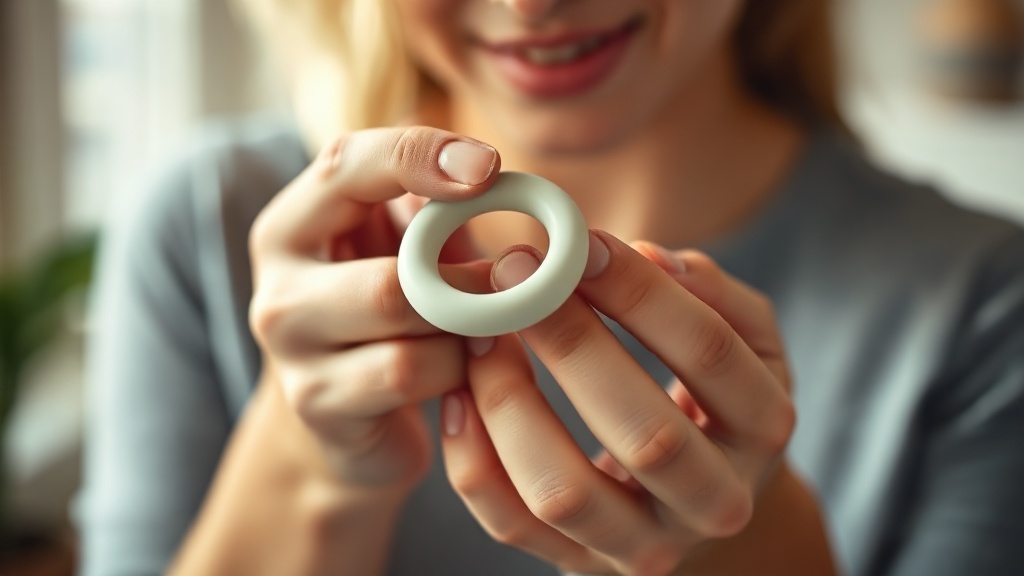
A chilled teething ring, gentle gum-rubbing and cuddles are the comfort measures research supports.
Trust your instincts and pick up the phone if your toddler has a true fever of 100.4F (38C) or higher, persistent diarrhea or vomiting, a spreading rash, unusual drowsiness, or refuses to drink - none of these are caused by teething, and they deserve a look for another cause. A crucial safety line: never use benzocaine or lidocaine teething gels in a child under two (the FDA warns of methemoglobinemia), skip amber teething necklaces entirely (a strangulation and choking hazard), and avoid recalled homeopathic teething tablets. If molars seem stuck for weeks, brushing hurts, or you spot white or brown marks on the new teeth, your pediatric dentist or pediatrician is the right person to check.
Frequently asked questions
Sources
- 1.
- 2.
- 3.
- 4.
- 5.

Fix your breath at the source.
The complete science-backed protocol — engineered to eliminate volatile sulfur compounds at the biological source.
Start the Breath Protocol →Related reading
Educational purposes only. The content on this page is not medical advice and is not a substitute for consultation with a qualified dental or medical professional.
More from the library
 Answers8 min
When Do Molars Come In? Baby & Toddler Molar Timeline
When the baby molars arrive, how to soothe sore gums, and the honest truth about teething and fever.
Read →→ Guides8 min
Teething and Fever: What's Normal and When to Call
A teething baby who feels warm worries every parent. Here is the honest science on teething and temperature, and the fever signs that mean it is time to call.
Read →→ Answers8 min
How Long Does Teething Last? Timeline by Tooth
How long teething really lasts — a reassuring timeline by tooth, why each tooth is only briefly uncomfortable, and safe soothing (no benzocaine, no amber necklaces).
Read →→ Guides9 min
Teething Pain Relief: How to Soothe Your Baby Without Medicine
When a teething baby is in real distress, you want relief that is both effective and safe. Here is the step-by-step ladder, from cold and cuddles to careful use of medicine.
Read →→ Guides9 min
Early Childhood Caries: Gentle Prevention for Little Smiles
What early childhood caries is, why it happens, and the calm daily habits - diet, bottle routines, brushing, dental visits - that lower a young child's risk.
Read →→ Best Of8 min
Best Teething Gel for Babies: Safer Soothing Options Compared
Why the honest best is non-medicated relief - and why the FDA warns against benzocaine and lidocaine teething gels for babies and toddlers.
Read →→