
Why Is My Tongue White? The Real Reasons It Turns Pale
A white tongue is usually a thicker-than-usual coating, not a disease — here's the mechanism behind it and the everyday triggers that cause it.
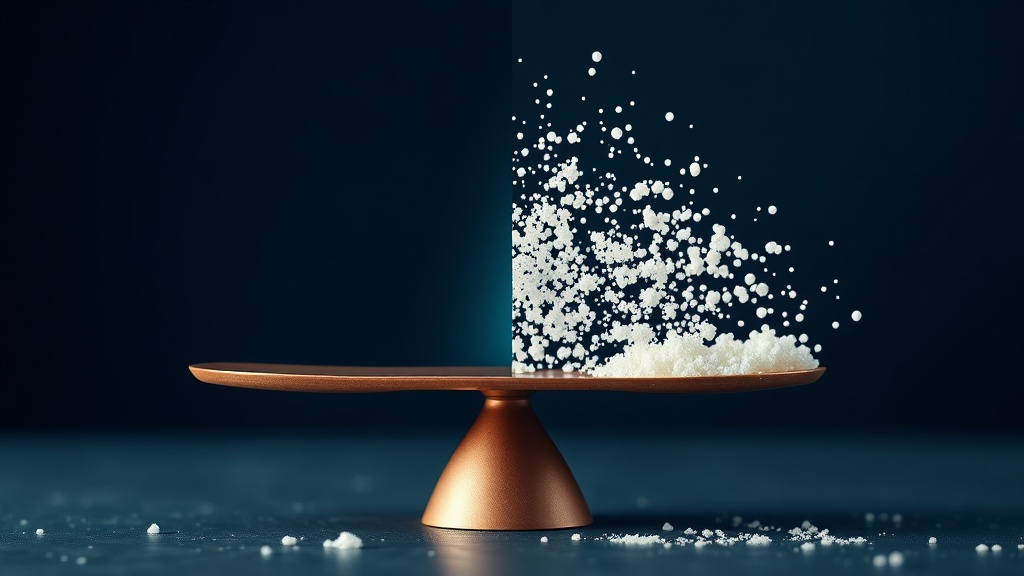
- A tongue looks white when pale, keratin-rich cells and debris pile up on its tiny papillae faster than they are naturally worn away, so the surface reads as coated rather than pink.
- It is usually a question of balance, not illness: anything that increases buildup — a dry mouth, mouth-breathing, a soft diet — or reduces natural wear tips the tongue toward white.
- The colour comes mainly from trapped dead cells and food debris catching the light, with bacteria living throughout the coating.
- Most white tongues are harmless and reverse once the cause is addressed; the important exceptions are patches that will not wipe away or come with pain.
- Because whitening is a process rather than a permanent change, gently clearing the tongue and keeping the mouth moist usually restores a pinker surface.
Your tongue looks white when dead surface cells, debris and bacteria accumulate between its tiny papillae faster than everyday eating and saliva can wear them away. A dry mouth, mouth-breathing, a soft diet, smoking or simply skipping tongue cleaning all tip that balance, so the coating thickens and the surface reads pale rather than pink.
Why a tongue turns white in the first place
The top of your tongue is covered in thousands of small, finger-like projections called filiform papillae. Each one is tipped with keratin — the same tough protein in skin and nails — and each is constantly shedding old cells and growing new ones. On a healthy tongue this shed material is worn away almost as fast as it forms: the friction of food, the flow of saliva, and the movement of the tongue against your palate all keep the surface swept clean, so it looks pink. A tongue turns white when that balance tips. When the papillae elongate, or when too little wears them down, the pale keratin cells and everyday debris are no longer cleared quickly enough. They accumulate between the papillae, trap food particles and mucus, and become home to bacteria — and the layer of pale, light-scattering cells is what your eye reads as white. In other words, a white tongue is rarely something new growing on the surface; it is usually the normal coating simply left to build up thicker than usual.
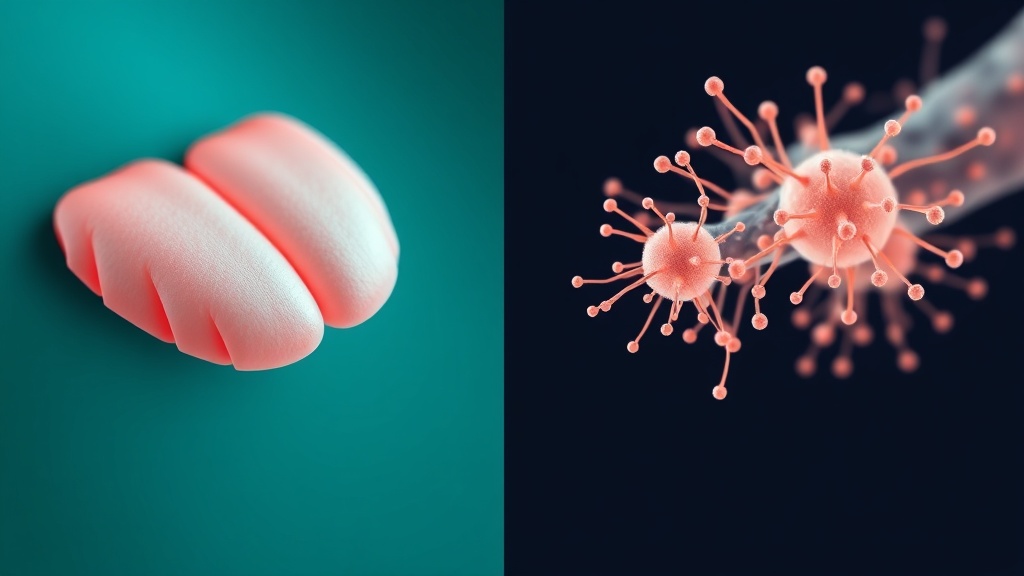
A tongue turns white when pale keratin cells and debris accumulate faster than the papillae are worn clean — a tipped balance, not a new growth.
What the research actually shows
Every claim below maps to a named, peer-reviewed source in the Sources section. According to PubMed.
| Claim | Evidence | Source |
|---|---|---|
| The tongue coating is a layer of desquamated cells, food debris and anaerobic bacteria that populate the tongue dorsum. | Review of the microbiology of the tongue and halitosis. | Loesche & Kazor, 2002 |
| Tongue coating is considered the single most important source of the volatile sulfur compounds behind oral odour. | Journal of Breath Research overview of halitosis. | Tangerman & Winkel, 2010 |
| The make-up of the tongue-coating microbiome differs measurably between people with and without oral malodour. | 16S microbiome comparison of 28 adults. | Ye et al., 2019 |
| Physically reducing the coating by scraping produces a small but real drop in the tongue's odour compounds. | Cochrane systematic review of tongue scraping. | Outhouse et al., 2006 |
| Most bad-breath cases originate in the mouth — chiefly the tongue coating — rather than the stomach or elsewhere. | BMJ Clinical Evidence review of halitosis. | Scully & Porter, 2008 |
What tips the tongue toward white
| Trigger | Why it whitens the tongue | Can you change it? |
|---|---|---|
| A dry mouth or low saliva | Less natural rinsing, so debris and cells sit and pile up | Often — hydrate, address the cause |
| Breathing through the mouth | Dries the surface, especially overnight | Partly — nasal breathing where possible |
| A soft, processed diet | Little friction to wear the coating away as you eat | Yes — add firmer, fibrous foods |
| Skipping tongue cleaning | Coating is never physically lifted | Yes — gentle daily cleaning |
| Smoking or heavy alcohol | Dries the mouth and shifts the bacterial balance | Yes — reducing helps |
| A recent fever or illness | Reduced eating and saliva let the coating thicken | Usually settles as you recover |
When white is worth a second look
The vast majority of white tongues are the harmless, reversible kind described above — a coating that has simply thickened and will lift with gentle cleaning. A few look-alikes behave differently and deserve a professional eye rather than self-treatment. A creamy white that scrapes off to leave a red, tender surface can be a sign of a yeast overgrowth. Flat white patches that cannot be wiped away, a lacy white network on the sides of the tongue or cheeks, or a single thickened patch that persists are all things a dentist should assess in person, because they are set within the tissue rather than sitting on top of it. The simple home test is behaviour: a normal coating is soft and lifts a little with each gentle pass, growing thinner over a few days of care. Anything that stays fixed, feels sore, bleeds, or keeps returning unchanged despite good tongue hygiene is a reason to book a check rather than scrub harder — most turn out to be minor, but they are worth confirming.
Evidence you can act on.
Occasional emails — new research, new protocols, no noise.
How to bring back a pinker tongue
If your white tongue is the ordinary coating kind, you address it by tipping the balance back — clearing the surface gently while cutting down what feeds the buildup. None of this treats a disease; it simply restores the tongue's normal surface.
- 1
Clear the coating gently each day
under a minuteA soft scraper or the back of a toothbrush, drawn lightly from back to front a few times, lifts the loose coating before it thickens. Rinse the tool between passes and keep the pressure light — you are clearing a film, not sanding the tongue. Fresher breath usually follows within days.
- 2
Rehydrate and protect saliva
all daySince a dry mouth is the most common driver, sip water steadily, ease back on coffee and alcohol, and breathe through your nose where you can. Better saliva flow means the tongue starts rinsing itself again, which does much of the work for you.
- 3
Give the tongue something to work against
dailyCrunchier, fibrous foods — raw vegetables, firm fruit — create friction that naturally wears the coating down as you eat. A diet of only soft, processed food removes that scrubbing effect, so a small shift in texture helps a surprising amount.
- 4
Lower the overall bacterial load
twice dailyBrush and floss well and, if you like, finish with an alcohol-free rinse. This slows how fast the coating re-forms. It supports the whole mouth rather than lifting the coating directly, so pair it with gentle tongue cleaning rather than relying on it alone.
- 5
Give it a few days, then reassess
about a weekAn ordinary coating visibly thins within several days of consistent care. If yours does not budge at all, will not wipe off, or comes with soreness, that is your cue to have it looked at rather than pushing harder.
Most white tongues reverse with the basics: hydration, gentle daily clearing and a little more friction from firmer foods.
See a dentist or doctor if the whiteness will not wipe away, sits in a fixed patch, appears as a lacy network, or leaves a raw, tender surface when disturbed. Also seek care if it is painful, bleeds, keeps coming back unchanged despite good tongue hygiene, or comes with a lump or difficulty swallowing. These belong to a professional to assess in person rather than something to manage at home — most are minor, but a persistent white patch should always be confirmed rather than assumed.
Frequently asked questions
Sources
- 1.
- 2.
- 3.
- 4.
- 5.
- 6.

Fix your breath at the source.
The complete science-backed protocol — engineered to eliminate volatile sulfur compounds at the biological source.
Start the Breath Protocol →Related reading
Educational purposes only. The content on this page is not medical advice and is not a substitute for consultation with a qualified dental or medical professional.
More from the library
 Guides9 min
White Film on the Tongue: What It Is and How to Gently Clear It
A thin white film is usually the tongue's normal coating — soft, removable, and easy to keep thin with the right gentle routine.
Read →→ Causes10 min
White Coating on the Tongue: A Clear Guide to the Causes
A white coating is a thicker tongue layer — here the many causes are sorted into clear groups, from everyday and reversible to the few that need a dentist.
Read →→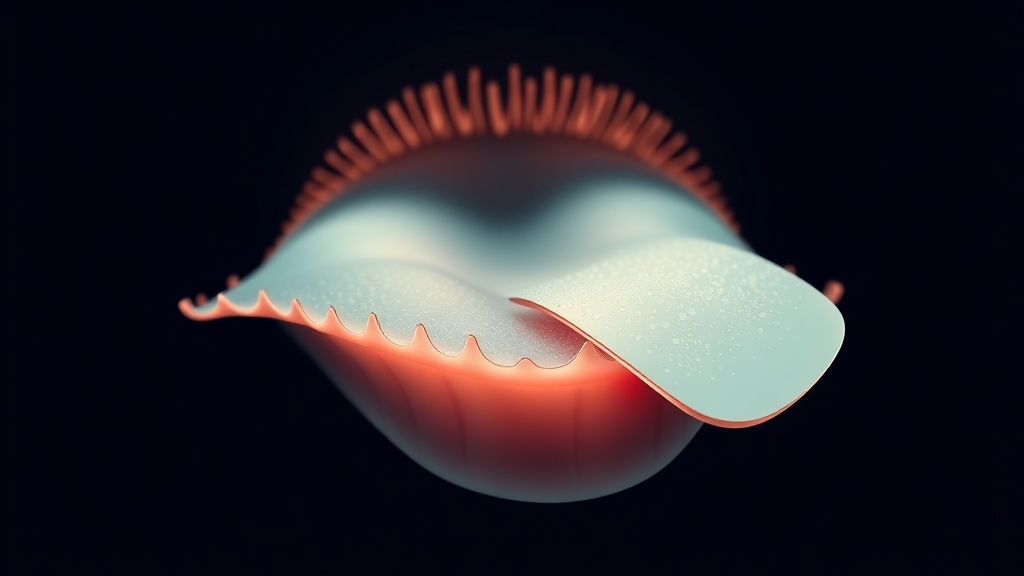 Answers9 min
How to Get Rid of White Tongue: The Coating, Cleared Honestly
The honest, science-based way to clear the soft coating behind a white tongue — and how to tell simple biofilm from a patch that needs a professional.
Read →→ Guides8 min
The Best Way to Clean Your Tongue for Fresh Breath
Most bad breath starts on the back of the tongue — here is the gentle, evidence-based way to clean it for fresher breath.
Read →→ Guides8 min
How to Get Rid of Bad Breath Permanently: An Evidence-Based Plan
The honest version: "permanently" means ongoing control, not a one-time fix. Here is the daily routine the research actually supports, and when to get help.
Read →→ Guides7 min
Bad Breath Even After Brushing? The Biological Reason (and Fix)
You brushed, flossed and rinsed — and the smell is still there. The reason usually isn't hygiene; it's where the odour-causing bacteria actually live.
Read →→