White Coating on the Tongue: A Clear Guide to the Causes
A white coating is a thicker tongue layer — here the many causes are sorted into clear groups, from everyday and reversible to the few that need a dentist.

- A white coating is a heavier version of the tongue's normal surface layer — the same shed cells, debris and bacteria, simply built up more thickly.
- Its causes sort into a few clear groups: too little saliva, too little friction, too little cleaning, and a small set of look-alikes that need a professional.
- By far the most common causes are everyday and reversible — a dry mouth, mouth-breathing, a soft diet, smoking, or skipping tongue cleaning.
- A genuine coating is soft and lifts with gentle clearing; anything that stays fixed, wipes off to a raw surface, or forms a lacy or patchy pattern belongs to a different group and should be checked.
- Because a heavy coating is the mouth's biggest reservoir of odour-producing bacteria, clearing it gently is also one of the most effective steps for fresher breath.
A white coating on the tongue is the ordinary surface layer built up thicker than usual. Its causes fall into a few groups — reduced saliva, too little natural friction, missed tongue cleaning, and a handful of look-alike conditions that need a dentist. Most are everyday and reversible, and clearing the coating gently usually restores a pinker tongue.
What a thick white coating really is
A white coating is not a separate substance that appears on the tongue — it is the tongue's own surface layer, the same one everyone carries, simply grown thicker. The top of the tongue is covered in tiny keratin-tipped papillae, and between them collects a natural mix of shed cells, food debris, mucus and bacteria. On most days this layer stays thin because saliva and the friction of eating keep sweeping it away. When that clearing slows or the buildup speeds up, the layer thickens into what you notice as a coating: a soft, pale mat that harbours a dense community of bacteria, particularly the anaerobes that thrive toward the back of the tongue. This is why a heavier coating so reliably travels with a stale taste or morning breath — it is, in effect, a bacterial reservoir. Understanding it this way makes the causes easy to organise: almost every cause is really just one more thing that either dries the mouth, removes the natural scrubbing of food, or lets the coating sit undisturbed.
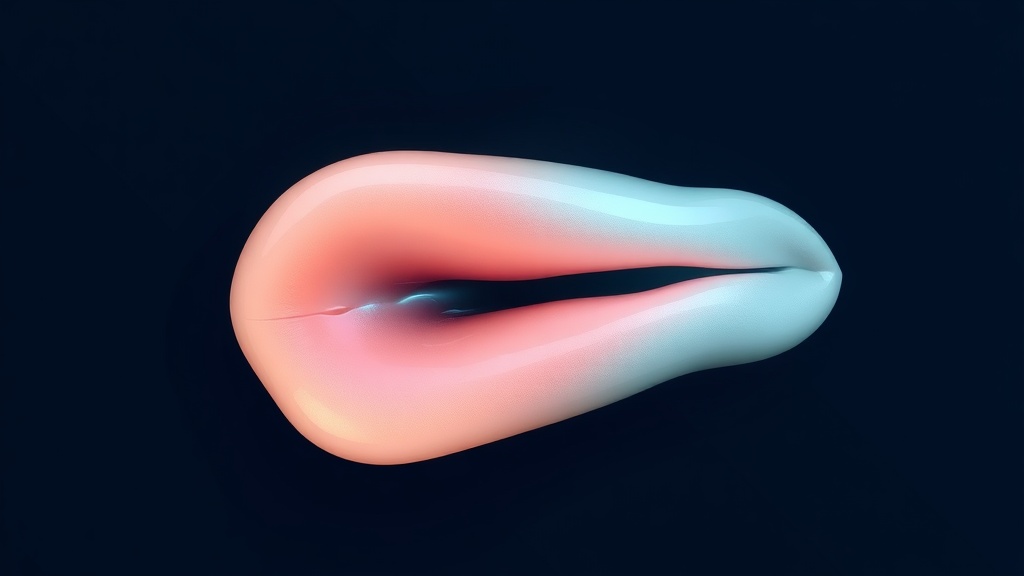
A white coating is the tongue's normal layer grown thick — densest toward the back, where anaerobic bacteria gather.
What the research actually shows
Every claim below maps to a named, peer-reviewed source in the Sources section. According to PubMed.
| Claim | Evidence | Source |
|---|---|---|
| Oral malodour largely reflects anaerobic bacteria in tongue coatings, and reducing the coating by brushing or scraping is the mainstay of managing it. | Archives of Oral Biology review of oral malodour. | Hughes & McNab, 2008 |
| The coating on the tongue dorsum is a layer of desquamated cells, debris and anaerobic bacteria. | Review of the microbiology and treatment of halitosis. | Loesche & Kazor, 2002 |
| The tongue-coating microbiome is richer and more diverse in people with oral malodour than in those without it. | 16S microbiome study of 28 adults. | Ye et al., 2019 |
| Tongue coating is considered the single most important source of the volatile sulfur compounds behind oral odour. | Journal of Breath Research overview of halitosis. | Tangerman & Winkel, 2010 |
| Physically scraping the coating gives a small but measurable reduction in the tongue's odour compounds. | Cochrane systematic review of tongue scraping. | Outhouse et al., 2006 |
The causes, sorted into groups
| Cause group | Typical examples | Reversible at home? |
|---|---|---|
| Reduced saliva | Dehydration, mouth-breathing, some medications, ageing, a recent fever | Usually — restore moisture |
| Too little friction | A soft or mostly liquid diet, not chewing firm foods | Yes — add texture to meals |
| Missed cleaning | No tongue scraping or brushing as part of the routine | Yes — gentle daily clearing |
| Lifestyle factors | Smoking, heavy alcohol, generally poor oral hygiene | Yes — reducing helps |
| Look-alikes (see a pro) | Yeast overgrowth, leukoplakia, oral lichen planus, geographic tongue | No — needs professional assessment |
Telling a harmless coating from a look-alike
The last group in the table is the one to know, because it is the reason a white tongue occasionally matters. The clue is behaviour, not colour. A genuine coating is soft and diffuse, densest toward the back, and lifts a little with every gentle pass of a scraper — thinning over a few days of care. The look-alikes act differently. A creamy coating that wipes away to leave a red, raw, tender surface can point to a yeast overgrowth, which is common but worth confirming. A flat white patch that cannot be rubbed off, a fine lace-like white pattern along the sides of the tongue or the inner cheeks, a map-like patchwork of smooth red areas with pale borders that seems to move week to week, or a single thick patch that persists — none of these are ordinary coating, and all sit within the tissue rather than on top of it. You do not need to diagnose which is which; you only need to notice that it is not behaving like a coating, and let a dentist take the closer look.
Evidence you can act on.
Occasional emails — new research, new protocols, no noise.
How to clear an everyday white coating
If your coating is one of the common, reversible kinds, you clear it by acting on its group — restoring moisture, adding friction, and lifting the layer gently. None of this treats a disease; it simply thins an overgrown coating back to normal.
- 1
Lift the coating gently, once a day
under a minuteDraw a soft scraper or the back of a toothbrush lightly from back to front a few times, rinsing between passes. The back third holds most of the coating and most of the odour bacteria, so reach as far as is comfortable. Keep it light — you are lifting a layer, not scouring the surface.
- 2
Restore saliva and moisture
all dayBecause reduced saliva is the largest cause group, sip water through the day, cut back on drying coffee and alcohol, and breathe through your nose where you can. If a medication is drying your mouth, mention it to your dentist rather than stopping it yourself.
- 3
Add friction back to your meals
dailyFirm, fibrous foods — raw vegetables, crisp fruit — scrub the tongue naturally as you chew, doing quietly what a soft, processed diet cannot. A small shift toward more texture noticeably slows how fast a coating rebuilds.
- 4
Reduce what feeds the buildup
ongoingCutting down on smoking and heavy alcohol both improves saliva and steadies the bacterial balance, so the coating re-forms more slowly. Good all-round brushing and flossing support the same goal by lowering the mouth's overall bacterial load.
- 5
Reassess after about a week
about a weekAn everyday coating thins visibly within several days of consistent care. If yours will not lift, wipes off to a raw patch, or forms a fixed or lacy pattern, that is your signal to stop and have it assessed rather than keep clearing.
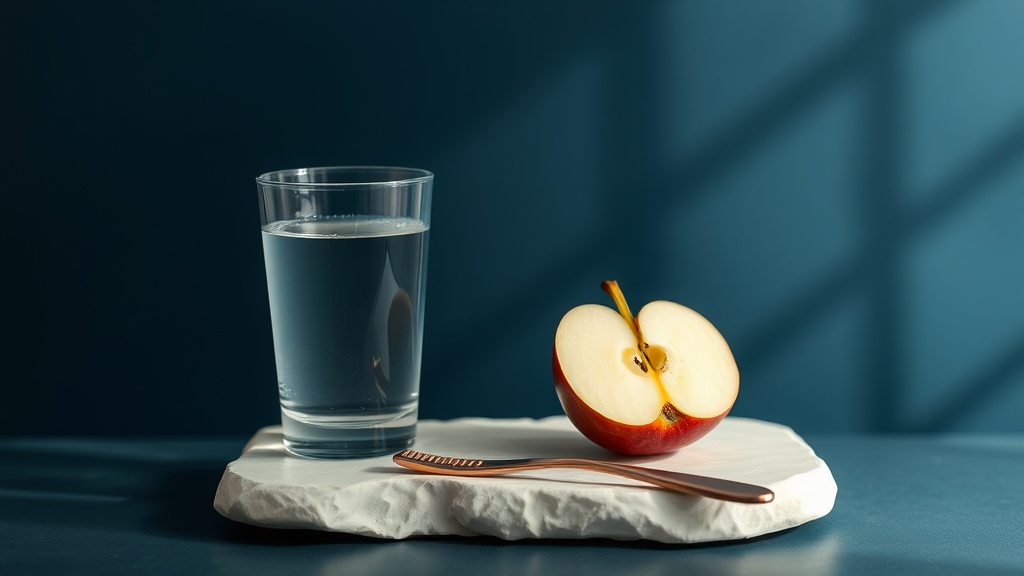
The common causes share simple fixes: more moisture, more friction from firm foods, and gentle daily clearing.
See a dentist or doctor if the coating will not wipe away, sits in a fixed patch, appears as a lacy white network, forms a shifting map-like pattern, or leaves a raw, tender surface when disturbed. Also seek care if it is painful, bleeds, persists for more than two to three weeks despite good tongue care, or comes with a lump or difficulty swallowing. These are matters for a professional to examine in person rather than manage at home — most turn out to be minor, but a coating that does not behave like a coating should always be confirmed.
Frequently asked questions
Sources
- 1.
- 2.
- 3.
- 4.
- 5.
- 6.

Fix your breath at the source.
The complete science-backed protocol — engineered to eliminate volatile sulfur compounds at the biological source.
Start the Breath Protocol →Related reading
Educational purposes only. The content on this page is not medical advice and is not a substitute for consultation with a qualified dental or medical professional.
More from the library
 Causes9 min
Why Is My Tongue White? The Real Reasons It Turns Pale
A white tongue is usually a thicker-than-usual coating, not a disease — here's the mechanism behind it and the everyday triggers that cause it.
Read →→ Guides9 min
White Film on the Tongue: What It Is and How to Gently Clear It
A thin white film is usually the tongue's normal coating — soft, removable, and easy to keep thin with the right gentle routine.
Read →→ Answers9 min
How to Get Rid of White Tongue: The Coating, Cleared Honestly
The honest, science-based way to clear the soft coating behind a white tongue — and how to tell simple biofilm from a patch that needs a professional.
Read →→ Guides8 min
The Best Way to Clean Your Tongue for Fresh Breath
Most bad breath starts on the back of the tongue — here is the gentle, evidence-based way to clean it for fresher breath.
Read →→ Guides8 min
How to Get Rid of Bad Breath Permanently: An Evidence-Based Plan
The honest version: "permanently" means ongoing control, not a one-time fix. Here is the daily routine the research actually supports, and when to get help.
Read →→ Guides7 min
Bad Breath Even After Brushing? The Biological Reason (and Fix)
You brushed, flossed and rinsed — and the smell is still there. The reason usually isn't hygiene; it's where the odour-causing bacteria actually live.
Read →→