Why Do My Teeth Hurt When I Eat Sweets?
Sweetness itself is not painful. Here is why sugar makes an exposed tooth zing, and the one pattern you should never ignore.
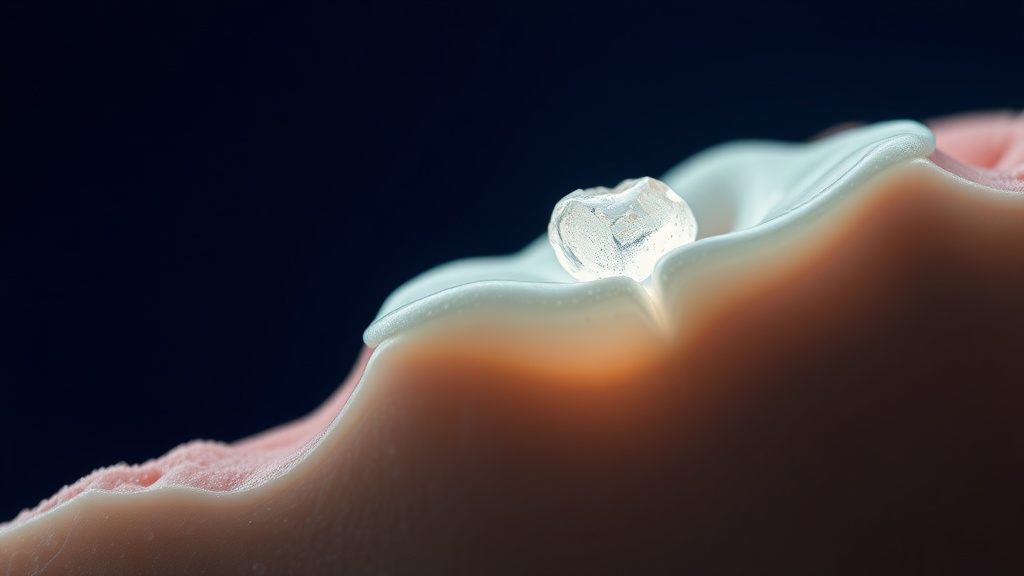
- Sweets hurt when the sugary solution meets exposed dentin and draws fluid outward through the open tubules by osmosis, which moves the fluid and triggers the nerve in the same way cold does.
- Unlike cold, the sugar trigger is chemical rather than thermal: a concentrated sugar layer sitting on the tooth creates an osmotic gradient that pulls fluid toward the surface, tripping the nerve endings deeper in.
- Sugar also feeds acid-producing bacteria; repeated acid dips below about pH 5.5 soften and thin the enamel, which over time exposes more dentin and widens the problem.
- There is one pattern worth taking seriously: a sweet-triggered ache from one specific tooth, especially if it lingers, can be an early cavity or a leaking filling and should be checked by a dentist.
- For general sweet sensitivity, the same comfort tools help - pastes that plug the tubules (stannous fluoride, arginine) or calm the nerve (potassium) - alongside cutting how long sugar sits on your teeth.
Teeth hurt with sweets when sugar reaches exposed dentin and osmotically pulls fluid out through the open tubules, and that fluid movement triggers the nerve as a sharp twinge. Sugar also fuels acid that thins enamel over time. General sweet sensitivity is manageable, but a sharp ache from one tooth can signal a cavity.
How sugar, not temperature, sets off the pain
With cold, the trigger is temperature. With sweets, the trigger is chemistry, but the final step is the same. Dentin is riddled with microscopic tubules filled with fluid, each one leading toward the nerve, and for a tooth to hurt those tubules must be exposed at the surface and still connected to the pulp. When a concentrated sugary solution settles on exposed dentin, it creates an osmotic gradient: the sugar draws fluid out of the tubules toward the surface, the way salt draws water. That outward rush of fluid bends the nerve endings at the inner end of each tubule, and under the hydrodynamic theory, any stimulus that moves the tubule fluid quickly enough is felt as a short, sharp pain. So the sweetness is not being tasted by the tooth; the sugar is physically moving fluid inside it. There is also a slower, second effect. Sugar is fuel for the acid-producing bacteria in plaque, and each time they turn sugar into acid the surface pH can fall below roughly 5.5, the point at which enamel begins to dissolve. Over months and years, that repeated softening thins the enamel shield and exposes still more dentin, which is why a sweet tooth and a sensitive tooth so often travel together.

A concentrated sugar layer pulls fluid outward through open tubules by osmosis - the same fluid movement, a chemical trigger.
What the research actually shows
Every claim below maps to a named, peer-reviewed source in the Sources section. According to PubMed.
| Claim | Evidence | Source |
|---|---|---|
| Under the hydrodynamic theory, any stimulus that changes fluid flow within the dentin tubules activates the nerve - which is why an osmotic sugar pull produces pain, not only cold. | Narrative review of dentinal-sensitivity mechanisms. | Aminoshariae & Kulild, 2021 |
| To be sensitive, dentin must be exposed with tubules open at the surface and patent to the pulp; gingival recession and enamel loss are the routes to that exposure. | Review of epidemiology and mechanism. | Cummins, 2009 |
| Enamel begins to dissolve below a critical pH of around 5.5, so the acid produced from dietary sugar gradually thins the enamel shield over the dentin. | Review of erosive tooth wear and enamel pH. | Lussi et al., 2011 |
| Toothpastes that reduce dentine permeability - including potassium nitrate and calcium-silicate formulations - lowered fluid conductance through dentin, the pathway behind the pain. | In-vitro dentine-permeability study. | Joao-Souza et al., 2019 |
| A stannous fluoride toothpaste occluded about 82% of dentin tubules versus 35% for control and significantly reduced sensitivity over 8 weeks. | In-vitro plus double-blind clinical study. | Hines et al., 2019 |
Sweet twinge, or something more?
| What you notice | Likely meaning | What to do |
|---|---|---|
| A brief zing across several teeth with sweets | General dentin sensitivity from exposed surfaces | Desensitizing paste plus less sugar contact time |
| Sharp pain from one specific tooth | Possible early cavity or leaking filling | See a dentist to check that tooth |
| Sweet pain that lingers or throbs | Possible deeper decay or pulp involvement | Book a dental visit soon |
| Sensitivity worse after acidic sweets (soda, candy) | Acid has softened the enamel surface | Rinse with water; wait before brushing |
| Sweet and cold both trigger it | Classic exposed-dentin sensitivity | Occluding or potassium paste, given weeks |
Why a sweet ache can be an early warning
Most sweet sensitivity is the harmless, plumbing kind: exposed dentin across several teeth reacting to the osmotic pull of sugar. But sugar is also the classic way an early cavity announces itself. When decay breaches the enamel and reaches the dentin, that spot has an especially direct, open pathway to the nerve, and a sugary hit produces a sharp, well-localized pain from one tooth rather than a general zing. This matters because of a hard biological line: early, non-cavitated softening of enamel can re-harden with good care, but once the surface actually breaks into a cavity, the enamel cannot repair itself and only a dentist can restore it. A leaking or failing filling behaves the same way, letting sugar seep to sensitive tooth structure underneath. So the useful question is not just how much it hurts, but where and for how long. Sweet pain spread across many teeth that fades quickly points to sensitivity you can manage at home. Sweet pain that keeps coming from the same tooth, or that lingers after the sweetness is gone, is the tooth asking to be looked at.
Evidence you can act on.
Occasional emails — new research, new protocols, no noise.
How to reduce sweet sensitivity
This calms the fluid movement and shortens sugar's contact with your teeth. It does not treat decay - if one tooth is the culprit, see a dentist. Give a paste routine two to four weeks.
- 1
Use a desensitizing toothpaste twice daily
twice dailyPick one that plugs the tubules (stannous fluoride or arginine with calcium carbonate) or calms the nerve (potassium nitrate). Sealing or narrowing the tubules blunts the osmotic pull that sugar creates; the benefit builds over several weeks of consistent use.
- 2
Shorten how long sugar sits on your teeth
every timeSipping a sweet drink over an hour bathes your teeth far longer than finishing it in a few minutes. Enjoy sweets with a meal rather than grazing, and follow with water so the sugary layer does not linger and keep pulling fluid.
- 3
Rinse with water, and wait before brushing
after sweets and acidsSwishing plain water clears much of the sugar and dilutes the acid. If the treat was also acidic, wait 30 to 60 minutes before brushing so you are not scrubbing enamel that the acid has temporarily softened.
- 4
Support the enamel shield
dailyA fluoride or hydroxyapatite toothpaste helps keep the enamel surface mineralized and more acid-resistant, which slows the thinning that exposes new dentin. This is prevention working alongside the desensitizing step.
- 5
Brush gently along the gumline
every brushingAggressive brushing wears enamel and gum away, exposing more dentin and more tubules for sugar to reach. A soft brush and light pressure protect the shield you still have.
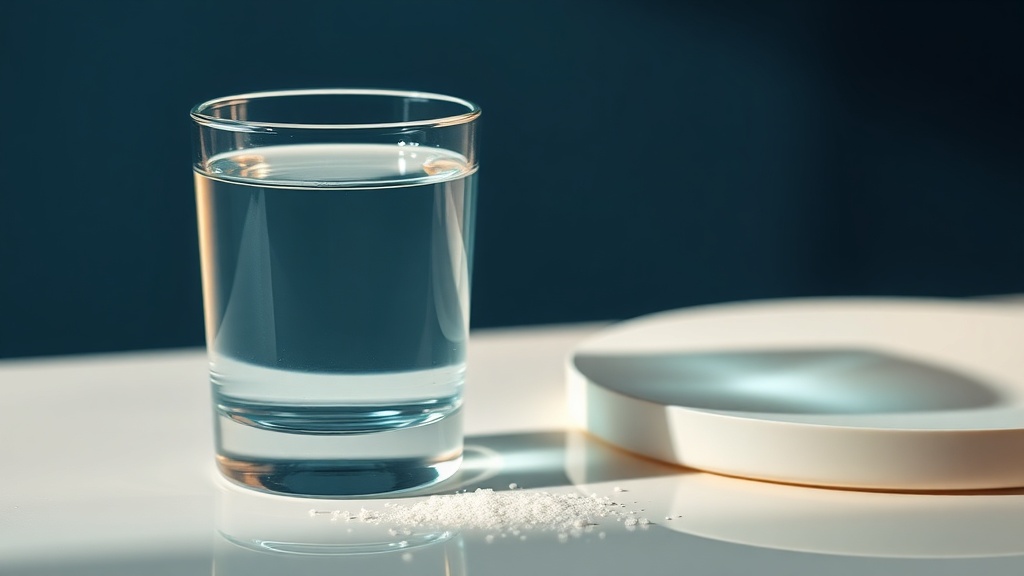
Shortening sugar's contact time - eating sweets with a meal and rinsing after - reduces the osmotic pull on exposed dentin.
A brief, general twinge with sweets is usually exposed-dentin sensitivity. See a dentist if the pain comes sharply from one particular tooth, lingers after the sweetness is gone, throbs, or is joined by pain on biting or visible discoloration. A localized sweet ache is one of the most common early signs of a cavity or a failing filling, and only a dentist can confirm it and repair the tooth - home care will not fix a hole in the enamel.
Frequently asked questions
Sources
- 1.
- 2.
- 3.
- 4.
- 5.
- 6.

Fix your breath at the source.
The complete science-backed protocol — engineered to eliminate volatile sulfur compounds at the biological source.
Start the Breath Protocol →Related reading
Educational purposes only. The content on this page is not medical advice and is not a substitute for consultation with a qualified dental or medical professional.
More from the library
 Causes8 min
Why Are My Teeth Sensitive? Every Common Cause, Explained
One mechanism sits behind nearly every kind of tooth sensitivity. Understand it, and the causes - and the fixes - fall into place.
Read →→ Answers9 min
How to Get Rid of Sensitive Teeth: An Evidence-Based Relief Routine
The relief that works is simple, but the details matter. Here is the routine, ingredient by ingredient.
Read →→ Guides8 min
White Spots on Teeth: Causes and What to Do
The two common reasons enamel turns chalky white, and the honest guide to which spots you can rebuild at home and which need professional care.
Read →→ Answers8 min
How to Remineralize Teeth: An Honest, Practical Guide
The practical routine that supports enamel remineralization, and the clear line between the early lesions it can rebuild and the decay it cannot.
Read →→ Answers8 min
How to Get Rid of White Spots on Teeth: Your Options, Ranked
An honest, evidence-based ladder of options, from what you can do at home to what only a dentist can fix.
Read →→ Ingredients8 min
Hydroxyapatite Toothpaste Benefits: What the Evidence Actually Supports
A calm, science-first look at what hydroxyapatite toothpaste can genuinely do for your enamel, and where the evidence stops.
Read →→