
How to Get Rid of Sensitive Teeth
The relief that works is simple, but the details matter. Here is the routine, ingredient by ingredient.
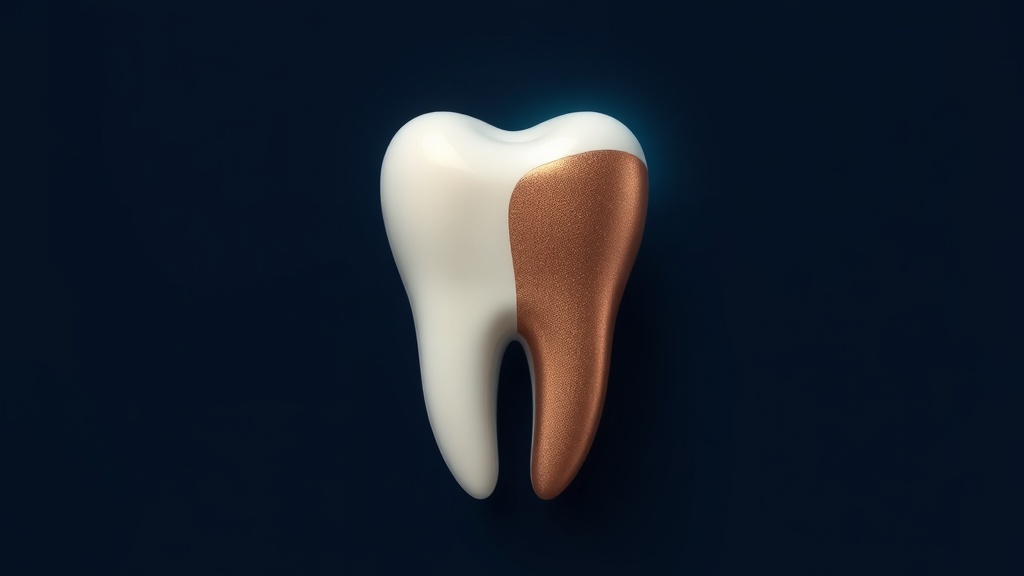
- Getting rid of sensitivity means doing two things: sealing the open dentin tubules so stimuli cannot reach the nerve, and calming the nerve so it responds less - the best routines do both.
- The evidence-backed ingredients are stannous fluoride and arginine (which plug the tubules) and potassium nitrate (which calms the nerve); calcium-based pastes add another sealing option.
- How you use them matters as much as which you pick: twice daily, given several weeks, and ideally smeared onto the sensitive spots and left on rather than rinsed straight off.
- Technique changes make the paste stick: a soft brush with light pressure, easing off acids, and not brushing right after acidic food all stop new dentin from being exposed.
- If a careful home routine has not helped after a few weeks, or the pain is from one tooth, sharp on biting, or lingering, a dentist has stronger tools and can rule out a cavity or crack.
To get rid of sensitive teeth, use a desensitizing toothpaste twice daily - stannous fluoride or arginine to plug the dentin tubules, or potassium nitrate to calm the nerve - and give it a few weeks. Smear it on the sensitive spots and leave it on, brush gently with a soft brush, and ease off acids. See a dentist if it does not improve.
The two jobs a relief routine has to do
Sensitive teeth hurt because dentin is exposed and its fluid-filled tubules give cold, sweet and touch a route to the nerve. So an effective routine has exactly two jobs: block the route, and quiet the nerve at the end of it. Blocking the route means occluding the tubules. Stannous fluoride does this by laying down a mineral coating that seals the openings; in testing it plugged the large majority of tubules while a plain paste barely touched them, and it cut measured sensitivity over several weeks. Arginine paired with calcium carbonate builds a calcium-phosphate plug that resists the normal pressure inside a tooth, and calcium-silicate pastes similarly reduce how easily fluid moves through the dentin. Quieting the nerve is the second job, and that is what potassium does: potassium salts raise the potassium around the nerve endings so they are slower to fire, turning the signal down. The honest picture is that each of these helps, none is instant, and the potassium evidence in particular is real but modest - which is why the strongest routines combine an occluding paste with a nerve-calming one and give the pair time. Layered on top is the quiet third job: stop exposing new dentin, by brushing gently and easing off acids, so the paste is not fighting a habit that keeps stripping the shield away.

An effective routine does two jobs: seal the open tubules and calm the nerve - then stop exposing new dentin.
What the research actually shows
Every claim below maps to a named, peer-reviewed source in the Sources section. According to PubMed.
| Claim | Evidence | Source |
|---|---|---|
| A stannous fluoride toothpaste occluded about 82% of dentin tubules versus 35% for control and significantly reduced tactile and air-blast sensitivity by roughly 42% and 32% at 8 weeks. | In-vitro plus double-blind clinical study. | Hines et al., 2019 |
| A toothpaste with 8% arginine and calcium carbonate physically seals dentin tubules with a plug resistant to pulpal pressure and acid, reducing sensitivity. | Review with mechanism-of-action and clinical studies. | Cummins, 2009 |
| Potassium-containing toothpaste significantly reduced air-blast and tactile sensitivity at 6-8 weeks, though the overall evidence base is modest. | Meta-analysis of six randomized trials. | Poulsen et al., 2006 (Cochrane) |
| Potassium nitrate and calcium-silicate toothpastes reduced dentine permeability, lowering the fluid conductance that carries the sensitivity signal. | In-vitro dentine-permeability study. | Joao-Souza et al., 2019 |
| CPP-ACP has defensible clinical niches in hypersensitivity and erosion, offering a further calcium-phosphate route to comfort. | ADA clinical practice guideline. | Slayton et al. (ADA), 2018 |
Choosing your desensitizing ingredient
| Ingredient | How it works | Good to know |
|---|---|---|
| Stannous fluoride | Plugs tubules with a mineral coating | Strong tubule-occlusion in testing; also fluoride benefit |
| Arginine + calcium carbonate | Builds a calcium-phosphate plug | Plug resists pressure and acid |
| Potassium nitrate | Calms the nerve so it fires less | Widely available; effect is real but modest |
| Calcium silicate / phosphate | Reduces dentine permeability | Another sealing option |
| CPP-ACP | Delivers calcium and phosphate | Recognized niche in hypersensitivity and erosion |
Why how you use it decides whether it works
People often conclude a sensitive toothpaste did not work when the real problem was how it was used. These pastes are not painkillers you feel in minutes; their benefit is measured over four to eight weeks of consistent, twice-daily use, as the plug builds up or the nerve gradually calms. Rinsing your mouth out vigorously right after brushing washes much of the active ingredient away before it can act, which is why smearing a little onto the sensitive spots with a clean fingertip and leaving it there - especially at night - noticeably improves results. Technique protects that investment. A hard brush used with force is one of the main ways dentin gets exposed in the first place, so scrubbing harder to reach the sensitive area is self-defeating; a soft brush with light pressure is the correct move. Acids matter too: acidic drinks soften the enamel surface, and brushing straight afterward can wear away that softened layer and any freshly deposited plug, so rinsing with water and waiting before brushing preserves both. Do these small things consistently and the same paste that seemed to do nothing often becomes the thing that finally works. Skip them and even the best ingredient is fighting uphill.
Evidence you can act on.
Occasional emails — new research, new protocols, no noise.
The step-by-step relief routine
Follow this for a few weeks before judging it. It seals the tubules, calms the nerve and stops new dentin being exposed. It does not treat cavities, cracks or failing fillings - see a dentist for those.
- 1
Pick a desensitizing toothpaste and commit to it
twice dailyChoose stannous fluoride or arginine with calcium carbonate to plug the tubules, or potassium nitrate to calm the nerve. Use it every morning and night. If one type has not helped after a few weeks, try the other family, or use both.
- 2
Smear it on and leave it on
nightlyAfter brushing, rub a small amount directly onto the sensitive teeth with a clean fingertip and do not rinse it away. Leaving it overnight gives the plugging or calming ingredients the long contact time they need.
- 3
Do not rinse vigorously after brushing
every brushingSpit out the excess but skip the big water rinse, so the active ingredient stays on your teeth working instead of going down the sink. A small change that meaningfully improves results.
- 4
Brush gently with a soft brush
every brushingUse a soft-bristled brush and light pressure, with short strokes along the gumline. This stops the abrasion and recession that exposed the dentin in the first place, so the paste is not fighting fresh exposure.
- 5
Ease off acids and time your brushing
dailyCut back on acidic drinks, rinse with water after them, and wait 30 to 60 minutes before brushing softened enamel. Protecting the enamel surface keeps new dentin from being uncovered.
- 6
See a dentist if it is not improving
after a few weeksIf a careful routine has not helped, or the pain is sharp from one tooth, hurts on biting, or lingers, a dentist can apply stronger in-office desensitizers or fluoride varnish, seal exposed roots, and rule out a cavity or crack.
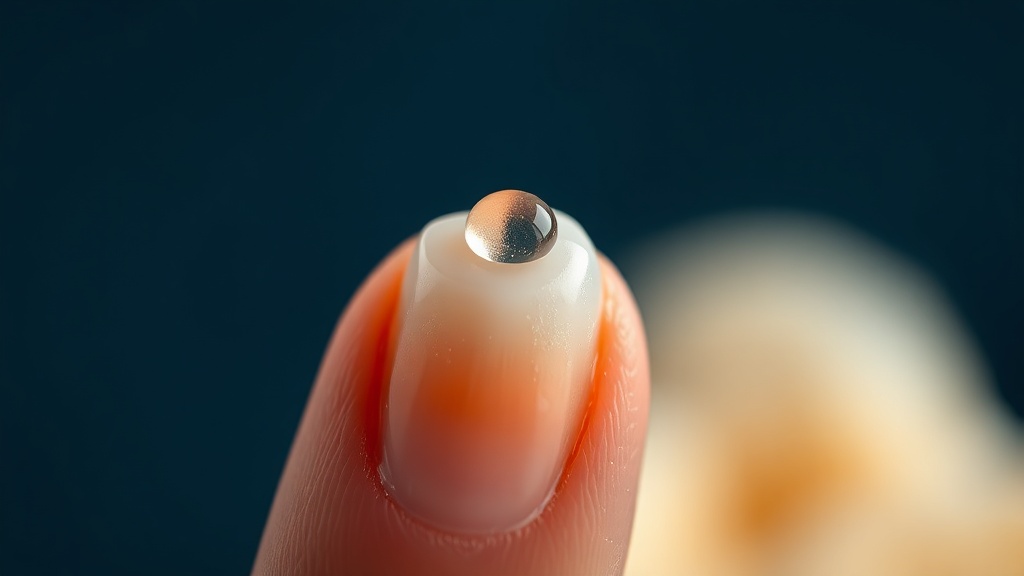
Smearing paste onto the sensitive spots and leaving it on - and not rinsing hard after brushing - is what makes the ingredients work.
A home routine handles most exposed-dentin sensitivity, but it has limits. See a dentist if a careful routine has not helped after a few weeks, or if pain is sharp from one specific tooth, hurts when you bite down, lingers or throbs, arrives on its own, or comes with swelling or a bad taste. A dentist can apply professional desensitizing agents and fluoride varnish, bond over exposed roots, fit a night guard, and - importantly - rule out a cavity, crack or failing filling that no toothpaste can fix.
Frequently asked questions
Sources
- 1.
- 2.
- 3.
- 4.
- 5.
- 6.

Fix your breath at the source.
The complete science-backed protocol — engineered to eliminate volatile sulfur compounds at the biological source.
Start the Breath Protocol →Related reading
Educational purposes only. The content on this page is not medical advice and is not a substitute for consultation with a qualified dental or medical professional.
More from the library
 Causes8 min
Why Are My Teeth Sensitive? Every Common Cause, Explained
One mechanism sits behind nearly every kind of tooth sensitivity. Understand it, and the causes - and the fixes - fall into place.
Read →→ Causes8 min
Why Are My Teeth Sensitive to Cold? The Real Reason (and What Helps)
A cold sip should not sting. Here is why it does, and the two proven ways to quiet it.
Read →→ Guides8 min
Sensitive Teeth After Whitening: Why It Happens and How to Soothe It
That post-whitening zing is common and almost always temporary. Here is what is happening, and how to calm it.
Read →→ Ingredients8 min
Remineralizing Toothpaste: How It Works and What Actually Rebuilds Enamel
A plain-English guide to how remineralizing toothpaste works — and an honest comparison of fluoride, n-HA and CPP-ACP.
Read →→ Answers8 min
How to Get Rid of White Spots on Teeth: Your Options, Ranked
An honest, evidence-based ladder of options, from what you can do at home to what only a dentist can fix.
Read →→ Ingredients8 min
Hydroxyapatite Toothpaste Benefits: What the Evidence Actually Supports
A calm, science-first look at what hydroxyapatite toothpaste can genuinely do for your enamel, and where the evidence stops.
Read →→