Toothache During Pregnancy: Why It Happens and What Is Safe
Pregnancy makes teeth and gums more vulnerable; here is what drives the ache and how to manage it safely with your dentist and OB.
- Toothache is more common in pregnancy because hormonal changes inflame the gums, morning-sickness acid can wear enamel, and more frequent snacking raises decay risk.
- Dental care during pregnancy is safe and important; leading dental and obstetric bodies advise pregnant people to keep up routine and needed dental care rather than avoid it.
- Safe comfort measures include a warm salt-water rinse, a cold compress, gentle brushing and flossing, and rinsing with water after being sick; anything beyond this should be guided by your dentist and OB.
- Do not start or adjust any painkiller, antibiotic, or supplement for a toothache on your own during pregnancy; medication choices are decisions for your dentist, doctor, or OB.
- A toothache is a signal to book a dental visit and tell them you are pregnant; swelling, fever, or severe pain needs prompt professional and medical attention.
Toothache during pregnancy often stems from hormone-driven gum inflammation, acid erosion from morning sickness, and more frequent snacking. Safe comfort measures include a warm salt-water rinse, gentle cleaning, and a cold compress. Dental care in pregnancy is safe and encouraged, so see a dentist promptly and let your dentist and OB guide any medication.
Why pregnancy makes teeth and gums ache
Pregnancy changes the mouth in several ways at once, which is why so many people notice new tooth and gum discomfort during these months. Rising levels of hormones make the gums react more strongly to plaque, so they swell, redden, and bleed more easily; this pregnancy gingivitis is very common and can leave teeth feeling tender at the gum line. Morning sickness adds a second pressure: repeated waves of stomach acid across the teeth can soften and wear the enamel, exposing the sensitive dentin underneath and leaving teeth reactive to hot, cold, and sweet. Appetite changes often mean grazing more frequently and craving sweeter or more acidic foods, which keeps the mouth in an acidic state for longer and raises the risk of decay. Dry mouth, more common in pregnancy, removes some of saliva natural protection. None of these is a reason for alarm, but together they explain why a mouth that felt fine before can start to ache, and why steady, gentle care matters more than usual right now.
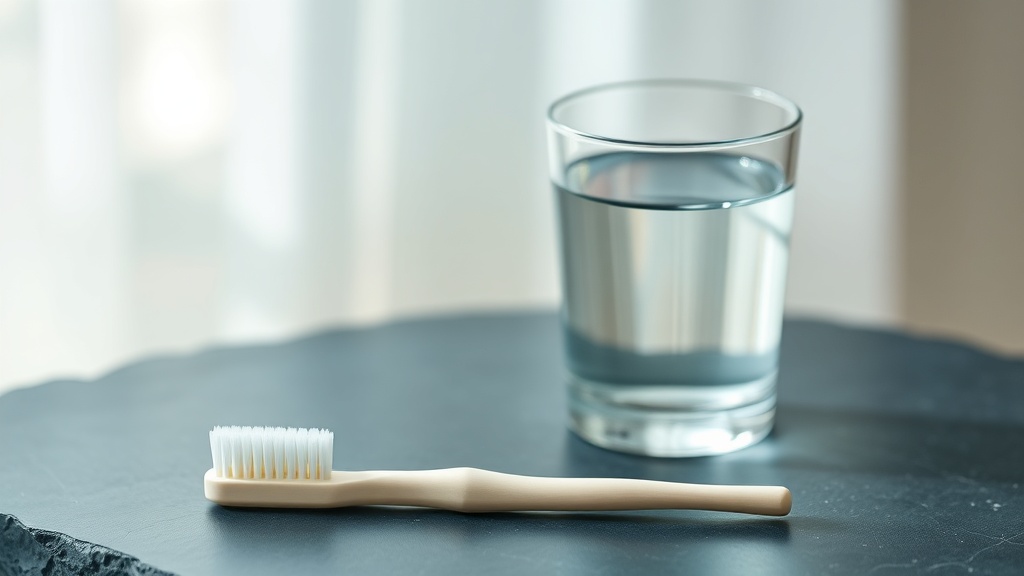
Gentle, consistent care and rinsing with water after sickness help protect teeth softened by pregnancy changes.
What the research actually shows
Every claim below maps to a named, peer-reviewed source in the Sources section. According to PubMed.
| Claim | Evidence | Source |
|---|---|---|
| Leading dental and obstetric bodies affirm that timely oral health care is a safe and important part of a healthy pregnancy. | Narrative review citing ADA and ACOG guidance on dental care in pregnancy. | Aliabadi et al., 2022 |
| Unfounded beliefs that dental treatment is unsafe in pregnancy are common and lead people to delay care they actually need. | Systematic review of beliefs about oral health in pregnancy. | Kamalabadi et al., 2023 |
| Dry mouth, more common in pregnancy, reduces saliva protective role and raises the risk of tooth decay. | JAMA review of dry mouth prevalence and consequences. | Stoopler et al., 2024 |
| Dental caries is a biofilm-mediated, sugar-driven disease, so more frequent snacking during pregnancy can accelerate it. | Nature Reviews Disease Primers consensus definition. | Pitts et al., 2017 |
| Fear and avoidance drive a cycle of worsening dental disease, which makes not delaying care in pregnancy especially important. | Study of the vicious cycle of dental fear. | Armfield, 2013 |
Common pregnancy causes and safe responses
| What is driving the ache | Why pregnancy raises it | A safe response |
|---|---|---|
| Pregnancy gingivitis | Hormones make gums react more to plaque | Gentle brushing and flossing; see a dentist |
| Acid erosion from morning sickness | Stomach acid softens enamel | Rinse with water after being sick; wait to brush |
| Tooth sensitivity | Exposed dentin from wear or recession | Desensitising toothpaste; dentist assessment |
| Decay from frequent snacking | Longer acid exposure in the mouth | Limit grazing on sweets; keep up cleaning |
| Dry mouth | Less protective saliva | Sip water; ask your dentist for advice |
Dental care in pregnancy is safe, and delay is the real risk
One of the most stubborn myths in pregnancy is that you should put off the dentist until after the birth. The evidence points the other way. Major dental and obstetric organisations agree that routine check-ups, cleanings, and needed dental treatment are safe during pregnancy and are part of looking after both you and your baby, and reviews of the topic note that unfounded fears about safety are exactly what lead people to skip care they need. The practical reason this matters is that a small, manageable problem left alone tends to grow, and an untreated toothache can progress to infection, which is far more of a concern in pregnancy than a check-up ever is. The sensible approach is simple: tell your dental practice you are pregnant and how many weeks along you are, and let them tailor the timing and the care. Many elective treatments are comfortably done during the middle months, urgent problems are addressed whenever they arise, and your dentist and OB coordinate on anything, such as medicines or imaging, that needs extra thought. Avoiding care is the option that carries the risk, not seeking it.
Evidence you can act on.
Occasional emails — new research, new protocols, no noise.
Managing a pregnancy toothache safely
These comfort measures are safe first steps while you arrange dental care. For anything involving medicine, let your dentist and OB decide.
- 1
Rinse with warm salt water
30 secondsHalf a teaspoon of salt in a glass of warm water, swished and spat, soothes inflamed gums and clears debris. It is gentle and safe to repeat through the day.
- 2
Rinse with water after morning sickness
right afterStomach acid softens enamel, so rinse with plain water or a fluoride mouth rinse after being sick and wait about half an hour before brushing, so you are not scrubbing softened enamel.
- 3
Keep up gentle cleaning
twice dailyBrush softly with a fluoride toothpaste and floss carefully, even if the gums bleed a little. Consistent gentle cleaning is one of the best ways to calm pregnancy gingivitis.
- 4
Use a cold compress for comfort
10 to 15 minutesA wrapped cold pack against the cheek can numb an aching area and ease mild swelling, with a cloth between the pack and your skin.
- 5
Call your dentist, and ask before any medicine
as soon as possibleBook a visit and mention that you are pregnant. Do not start a painkiller, antibiotic, or supplement for the tooth on your own; ask your dentist and OB, who will choose what is appropriate for you.

Rinsing with water after sickness, then waiting to brush, protects enamel softened by stomach acid.
A toothache in pregnancy is a reason to see a dentist, not to wait it out, and dental care during pregnancy is safe. Book a visit promptly and let the practice know you are pregnant and how far along you are. Seek urgent professional and medical care straight away if you have facial or gum swelling, fever, a foul taste or discharge, or severe or throbbing pain, as an untreated dental infection is a real concern in pregnancy. Never start or change a medication for the tooth on your own; your dentist and OB will decide what is safe for you and your baby.
Frequently asked questions
Sources
- 1.
- 2.
- 3.
- 4.
- 5.

Fix your breath at the source.
The complete science-backed protocol — engineered to eliminate volatile sulfur compounds at the biological source.
Start the Breath Protocol →Related reading
Educational purposes only. The content on this page is not medical advice and is not a substitute for consultation with a qualified dental or medical professional.
More from the library
 Guides8 min
Tooth Nerve Pain Relief: A Comfort Toolkit That Buys You Time
You can calm the ache for a while; here is how to do it sensibly, and why it is only ever a bridge to professional care.
Read →→ Ingredients8 min
Salt-Water Rinse for Toothache: How and Why It Soothes
The oldest toothache remedy is also one of the safest; here is what it really does, and what it cannot.
Read →→ Causes8 min
Tooth Nerve Pain: What Causes It and When It Is Serious
The sharp, throbbing, or lingering ache of an irritated tooth nerve is a signal worth understanding, and acting on.
Read →→ Ingredients8 min
How Fluoride Toothpaste Remineralizes Teeth
The chemistry behind fluoride's remineralizing power, and the honest line between the early lesions it can rebuild and the cavities it cannot.
Read →→ Answers8 min
How to Get Rid of White Spots on Teeth: Your Options, Ranked
An honest, evidence-based ladder of options, from what you can do at home to what only a dentist can fix.
Read →→ Ingredients8 min
Hydroxyapatite Toothpaste Benefits: What the Evidence Actually Supports
A calm, science-first look at what hydroxyapatite toothpaste can genuinely do for your enamel, and where the evidence stops.
Read →→