Salt-Water Rinse for Toothache: How It Works and How to Use It
The oldest toothache remedy is also one of the safest; here is what it really does, and what it cannot.
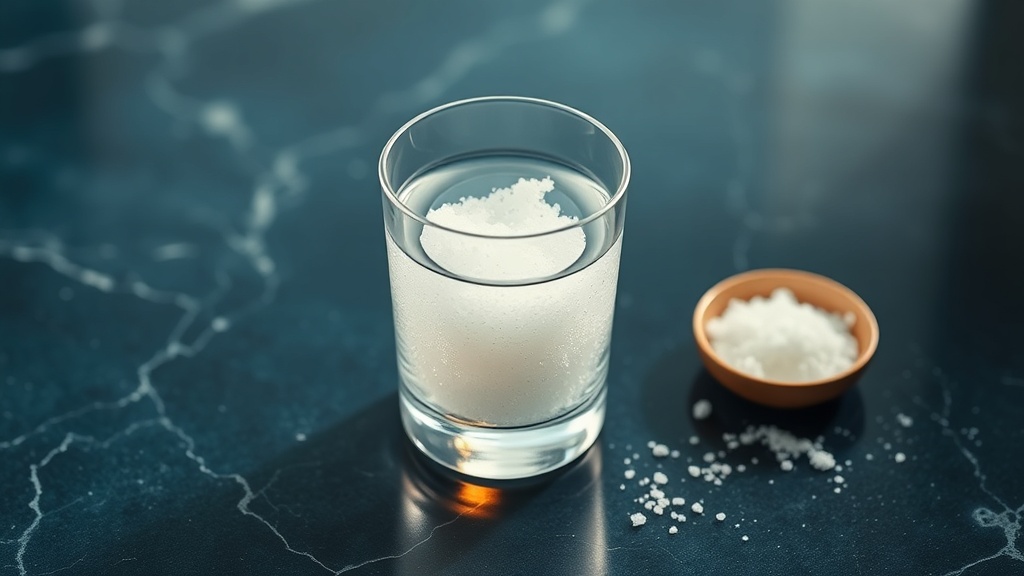
- A warm salt-water rinse soothes a toothache by cleansing debris from around the tooth, drawing fluid out of swollen gum tissue by osmosis, and gently freshening the mouth.
- It is one of the safest home comfort measures, but it works on the gum and the surrounding area, not on the nerve inside the tooth, and it does not remove decay or infection.
- The evidence for salt water specifically is modest; its soothing role is best understood through the well-studied behaviour of simple buffering and cleansing rinses.
- To make one, dissolve about half a teaspoon of salt in a glass of warm, not hot, water, swish gently for around thirty seconds, and spit; repeat a few times a day.
- A rinse is temporary comfort while you arrange care; persistent pain, swelling, or fever is a signal to see a dentist promptly.
A warm salt-water rinse eases a toothache by cleaning debris from around the tooth, drawing fluid from inflamed gum tissue through osmosis, and soothing the area. Dissolve about half a teaspoon of salt in a glass of warm water, swish gently, and spit, a few times a day. It is safe comfort only, not a cure, so see a dentist for the cause.
How a salt-water rinse actually soothes
Salt water has been the reflex response to a sore mouth for centuries, and there is real, if modest, logic to why it helps. The first effect is simple cleansing. Swishing a warm rinse physically flushes food particles and loose debris out from around a sore tooth and along the gum line, removing some of the irritation that makes a tender area feel worse. The second effect is osmotic. A salty solution is more concentrated than the fluid in swollen, inflamed gum tissue, and water tends to move across tissue from the weaker solution toward the stronger one, so a salt rinse gently draws fluid out of puffy gum tissue, which can ease that tight, throbbing pressure. The warmth itself is soothing and encourages blood flow that supports the gum. What salt water does not do is reach inside the tooth. The nerve that produces true toothache sits deep in the pulp, behind enamel and dentin, where no rinse can travel. So a salt-water rinse is best understood as a gentle way to calm the neighbourhood around a sore tooth, not a treatment for whatever is wrong inside it.
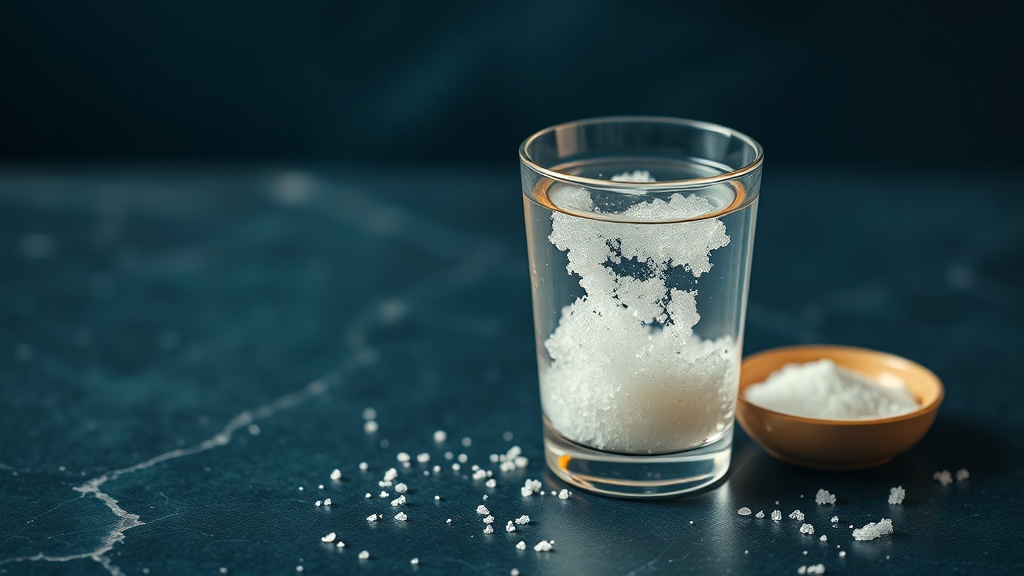
A warm salt rinse cleanses and draws fluid from inflamed gum by osmosis; it soothes the area, not the nerve within.
What the research actually shows
Every claim below maps to a named, peer-reviewed source in the Sources section. According to PubMed.
| Claim | Evidence | Source |
|---|---|---|
| A simple rinse that buffers acids raises oral pH, part of why a gentle rinse can freshen and soothe an irritated mouth. | Clinical measurement of plaque pH after a bicarbonate rinse. | Blake-Haskins et al., 1997 |
| That same class of rinse buffers acid but does not suppress plaque, showing a soothing rinse does not treat the underlying cause. | Controlled study of a bicarbonate rinse on plaque and gingivitis. | Ozanich et al., 1993 |
| Sharp tooth sensitivity arises from fluid movement in exposed dentin tubules, which is inside the tooth and beyond a rinse. | Evidence-based review of dentin hypersensitivity. | Liu et al., 2020 |
| For actual pain, an ibuprofen and acetaminophen combination is the better-evidenced comfort step, alongside a soothing rinse. | JADA review of acute dental pain management. | Moore and Hersh, 2013 |
| Lingering or spontaneous pain reflects symptomatic irreversible pulpitis, which a rinse cannot help and a dentist must manage. | Systematic review of pain in irreversible pulpitis. | Nogueira et al., 2018 |
What a salt-water rinse can and cannot do
| What people hope for | What a salt rinse actually does | Honest verdict |
|---|---|---|
| Numb the toothache | Soothes gum and clears debris nearby | Comfort only, not numbing the nerve |
| Cure an infection | Freshens the mouth, draws fluid from gum | Cannot reach or treat an infection |
| Reduce gum swelling | Osmosis eases fluid from puffy tissue | A gentle, temporary help |
| Replace a dentist visit | Buys short-term comfort | No substitute for professional care |
| Be safe to repeat | Gentle enough for several times a day | Yes, when made and used correctly |
An honest look at the evidence
It is worth being candid about how strong the science really is, because salt water is often described as if it were a proven treatment. High-quality clinical trials testing a plain salt-water rinse against toothache specifically are limited, and much of its reputation rests on tradition, plausibility, and the general behaviour of simple rinses rather than on large studies of salt itself. What the research does support is the mechanism around it: gentle rinses that buffer and cleanse can raise oral pH and freshen an irritated mouth, yet the same studies show these rinses do not suppress plaque or treat the underlying problem. That is the honest picture. A salt-water rinse is safe, soothing, and sensible as a first comfort step, and there is little downside to it when made correctly. But it belongs in the comfort column, not the cure column. If you want the step with the best evidence for actual pain, that is an over-the-counter pain reliever used as directed, and the step that addresses the cause is a dental visit. Salt water pairs nicely with both while you wait to be seen.
Evidence you can act on.
Occasional emails — new research, new protocols, no noise.
How to make and use a salt-water rinse
A simple, safe routine for comfort while you arrange dental care. It soothes the area; it does not treat the tooth.
- 1
Mix the rinse
1 minuteStir about half a teaspoon of table salt into a glass, roughly 250 millilitres, of warm water until it dissolves. Warm, not hot, so you do not scald already-tender tissue.
- 2
Swish gently
about 30 secondsTake a mouthful and swish it slowly around the sore area, letting it wash along the gum line. There is no need to swish hard; gentle is enough and kinder to inflamed tissue.
- 3
Spit, do not swallow
a momentSpit the rinse out rather than swallowing it, since it is salty and meant for cleansing. Avoid rinsing vigorously right after any dental procedure unless your dentist says it is fine.
- 4
Repeat through the day
a few times dailyYou can use a salt-water rinse several times a day, such as after meals, for comfort. It is gentle enough for regular use while you wait for your appointment.
- 5
Pair it with proper care
ongoingCombine the rinse with gentle brushing and flossing, and if you need pain relief, use an over-the-counter option as directed. Above all, book a dental visit to deal with the cause.
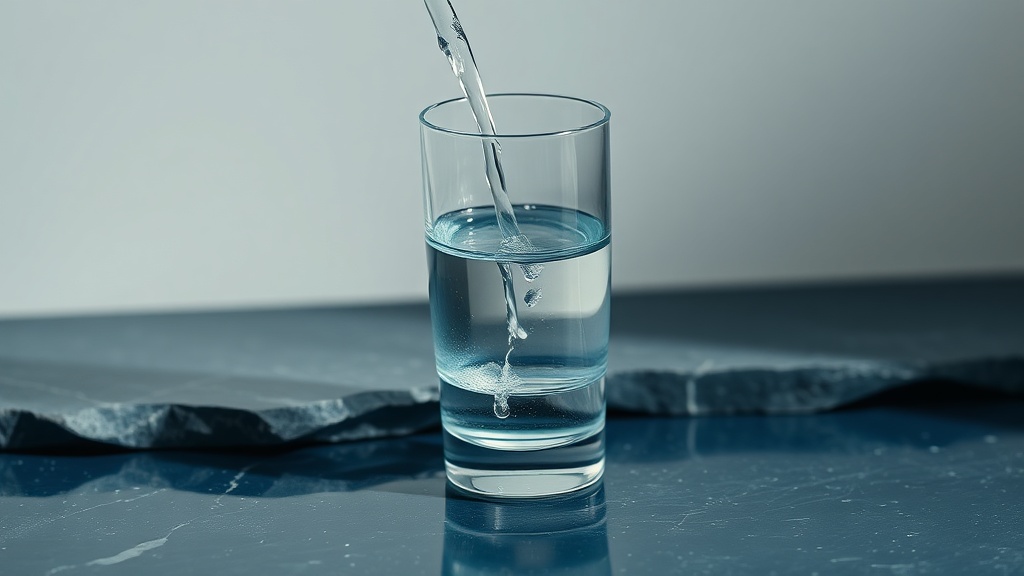
Warm, gentle, and spat out, not swallowed: a salt-water rinse is safe to repeat several times a day for comfort.
A salt-water rinse is comfort while you wait, never a treatment for the cause. See a dentist promptly if a toothache is severe, throbbing, spontaneous, or lasts more than a day or two, or if it keeps returning once the rinse and other comfort measures wear off. Seek urgent professional or medical care right away if you develop facial or gum swelling, fever, a foul taste or discharge, or difficulty swallowing, as these can signal an infection that no rinse can reach or resolve.
Frequently asked questions
Sources
- 1.
- 2.
- 3.
- 4.
- 5.

Fix your breath at the source.
The complete science-backed protocol — engineered to eliminate volatile sulfur compounds at the biological source.
Start the Breath Protocol →Related reading
Educational purposes only. The content on this page is not medical advice and is not a substitute for consultation with a qualified dental or medical professional.
More from the library
 Guides8 min
Home Remedies for Toothache: What Works, What Does Not
Some toothache remedies genuinely soothe, some do little, and none replace a dentist. Here is the honest rundown.
Read →→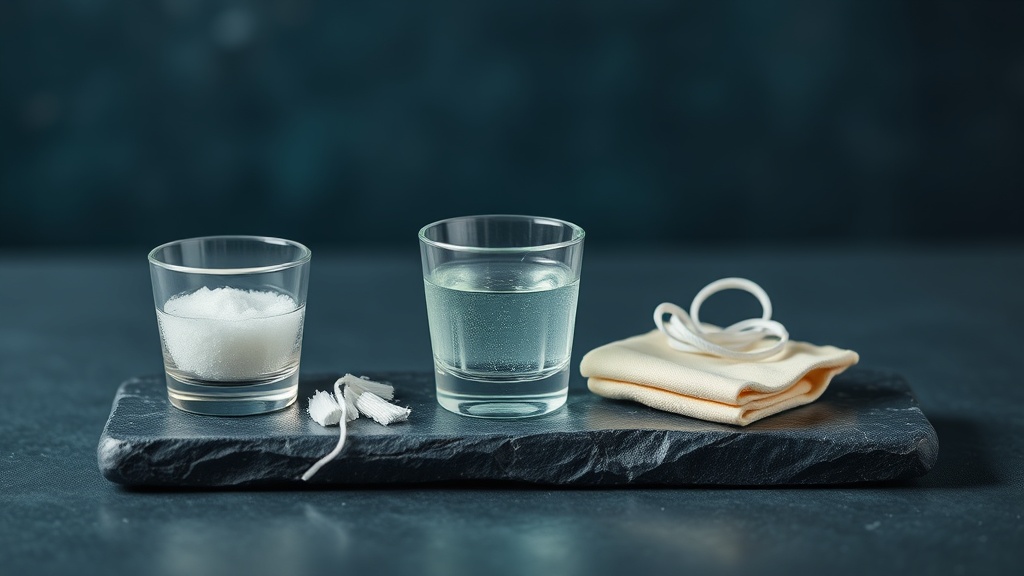 Answers8 min
How to Stop Tooth Pain Fast: A Quick, Honest Checklist
When a tooth flares up, here is what to do in the next ten minutes, and what to do next.
Read →→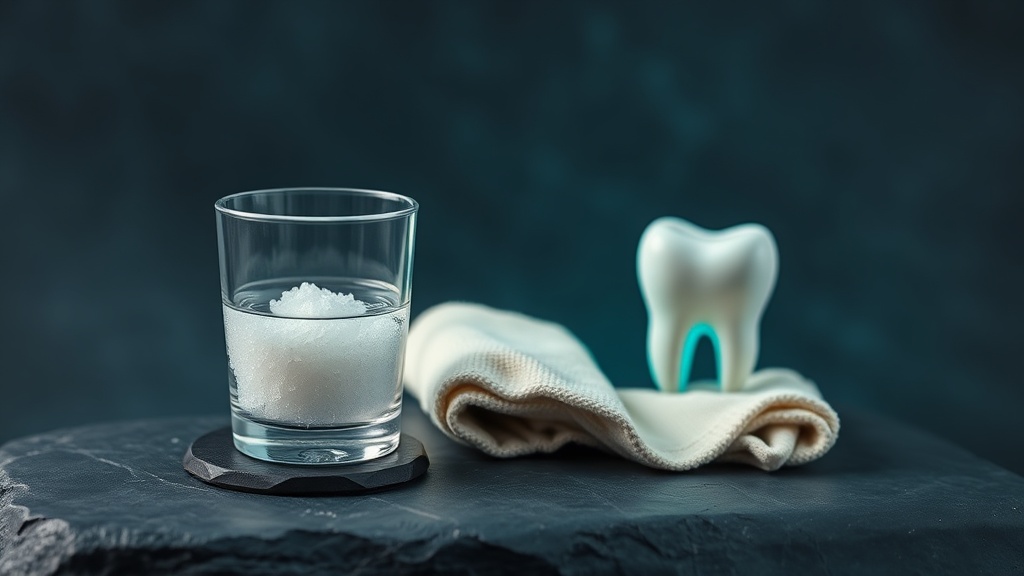 Guides8 min
Tooth Nerve Pain Relief: A Comfort Toolkit That Buys You Time
You can calm the ache for a while; here is how to do it sensibly, and why it is only ever a bridge to professional care.
Read →→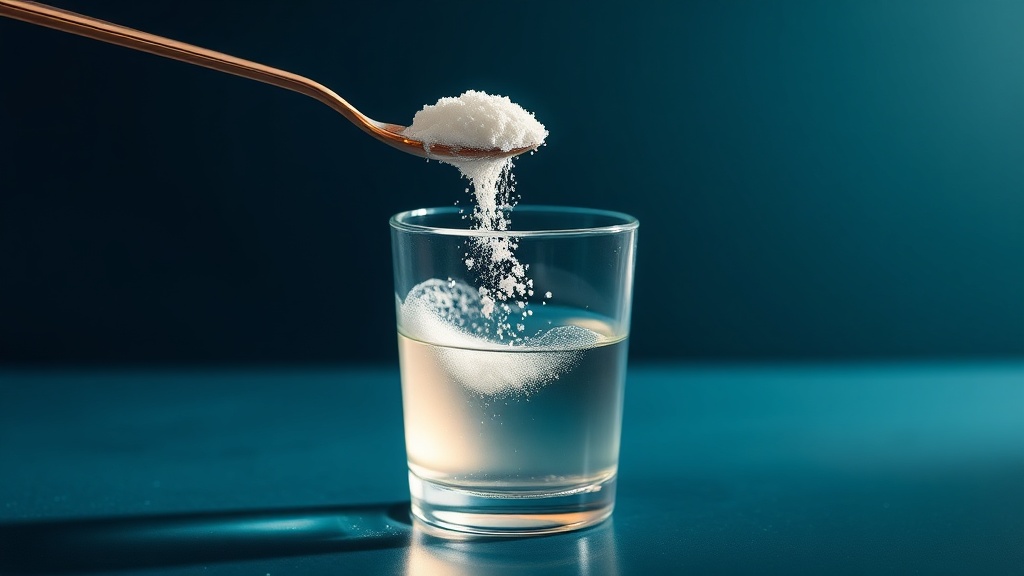 Ingredients8 min
Baking Soda Mouthwash: What a DIY Rinse Can and Cannot Do
How a simple baking-soda rinse buffers acid, why it is not a plaque-buster, and how to mix and use it without overdoing it.
Read →→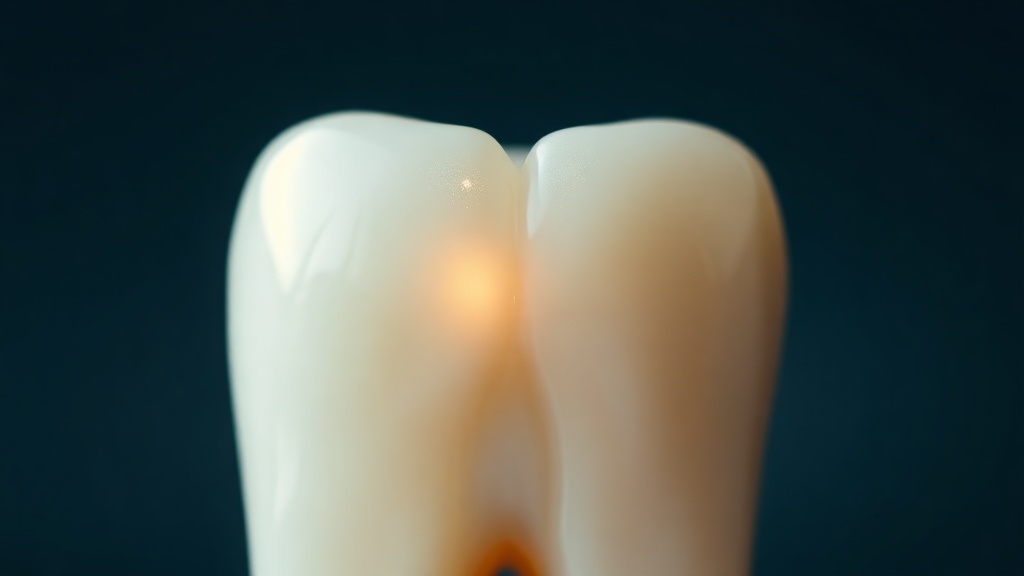 Answers8 min
How to Get Rid of White Spots on Teeth: Your Options, Ranked
An honest, evidence-based ladder of options, from what you can do at home to what only a dentist can fix.
Read →→ Ingredients8 min
Hydroxyapatite Toothpaste Benefits: What the Evidence Actually Supports
A calm, science-first look at what hydroxyapatite toothpaste can genuinely do for your enamel, and where the evidence stops.
Read →→