Tooth Nerve Pain Relief: The Comfort Toolkit
You can calm the ache for a while; here is how to do it sensibly, and why it is only ever a bridge to professional care.
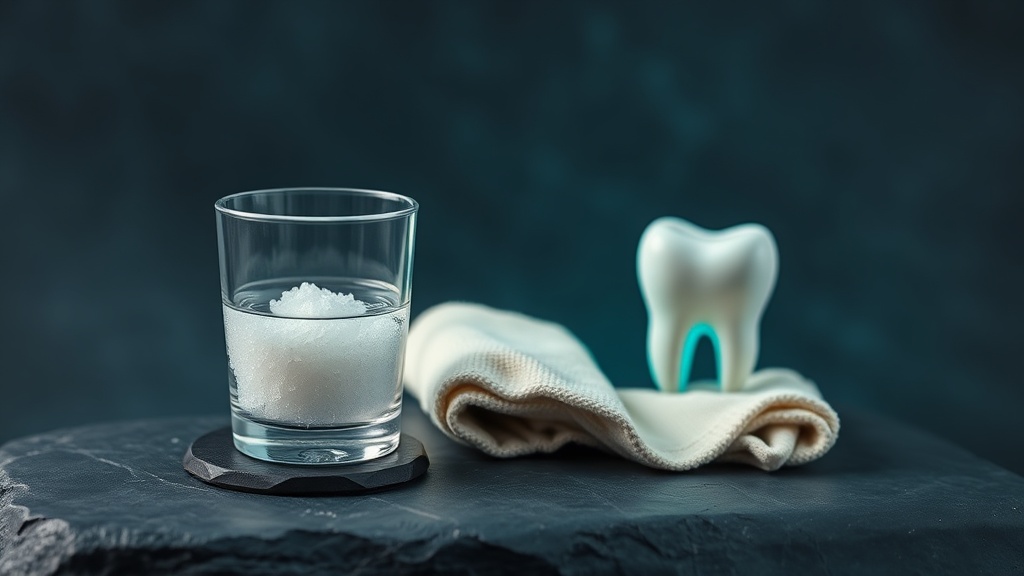
- Home measures for tooth nerve pain are about comfort, not cure: they can quiet the sensation for a few hours but never remove decay, a crack, or an infection.
- The best-evidenced comfort step is an over-the-counter pain reliever used strictly as its label directs; for many adults a combination of ibuprofen and acetaminophen relieves dental pain well, but dosing is a decision for you and your pharmacist or doctor.
- Simple measures help too: a warm salt-water rinse, a cold compress on the cheek, avoiding hot, cold, and sweet triggers, and a desensitising toothpaste if the pain is the sharp, short kind.
- Clove oil contains eugenol, which has a genuine numbing action on tooth nerves, but it can irritate gum and pulp tissue, so use it sparingly and never pack it into an open tooth.
- Any pain that is severe, throbbing, spontaneous, or comes with swelling or fever is a signal to see a dentist promptly, not to keep reaching for another remedy.
To ease tooth nerve pain, rinse with warm salt water, apply a cold compress to the cheek, and take an over-the-counter pain reliever exactly as directed. Avoid hot, cold, and sweet triggers, and try a desensitising toothpaste for sharp sensitivity. These steps are temporary comfort only; see a dentist promptly, especially with swelling or fever.
Why comfort measures work, and where they stop
Tooth nerve pain is the pulp, the nerve-rich core of the tooth, reacting to something reaching it through worn enamel, exposed dentin, decay, or a crack. Comfort measures work by dialling down that reaction rather than repairing the tooth. A pain reliever lowers the inflammatory signalling that makes an irritated pulp ache. A cold compress on the outside of the cheek numbs the area and eases swelling around it. A warm salt-water rinse gently cleans debris from around the tooth and soothes irritated gum tissue. A desensitising toothpaste, used over days, helps calm or block the exposed dentin tubules that carry sharp sensations to the nerve. Each of these can genuinely make you more comfortable. What none of them can do is remove the cause. Decay does not rinse away, a crack does not seal itself, and an infection does not clear with a compress. That is the honest boundary of home relief: it buys you time and comfort while you arrange the professional care that actually addresses the problem.
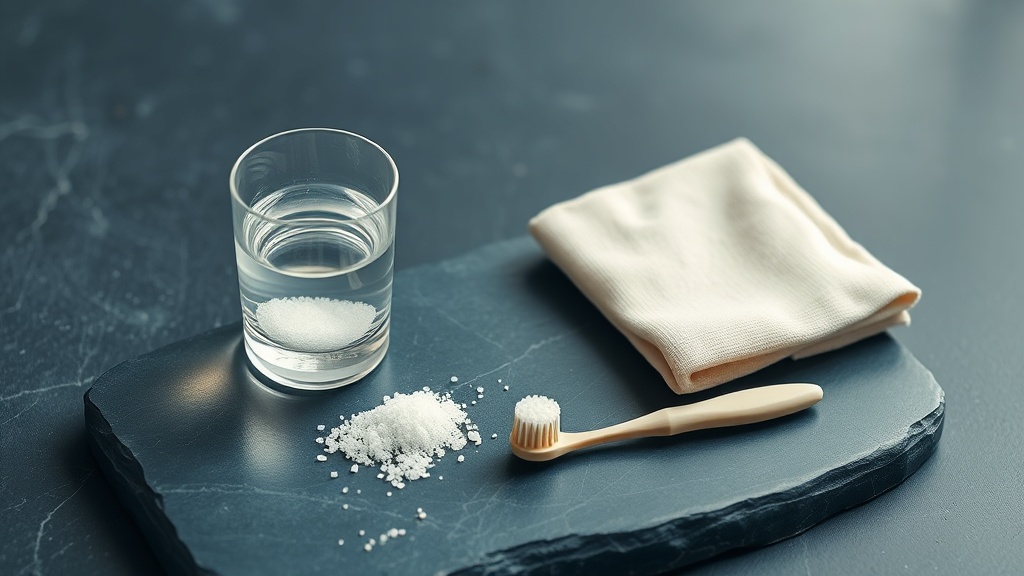
Home comfort measures ease the sensation of tooth nerve pain; they do not repair the tooth underneath.
What the research actually shows
Every claim below maps to a named, peer-reviewed source in the Sources section. According to PubMed.
| Claim | Evidence | Source |
|---|---|---|
| A combination of ibuprofen and acetaminophen provides effective relief for acute dental pain, often with fewer adverse effects than opioid-containing options. | JADA analysis of quantitative systematic reviews and trials. | Moore and Hersh, 2013 |
| Eugenol, the active compound in clove oil, inhibits sodium currents in dental sensory neurons, which explains its local numbing effect. | Patch-clamp study of dental afferent neurons. | Park et al., 2006 |
| Eugenol-containing material is highly cytotoxic to dental pulp cells, especially while setting, so it should be kept off exposed or open tissue. | Cell-viability analysis of ZOE dental materials. | Lee et al., 2016 |
| A bicarbonate rinse buffers plaque acids and raises oral pH, supporting the soothing role of a simple alkalising rinse. | Clinical plaque-pH measurement study. | Blake-Haskins et al., 1997 |
| Lingering or spontaneous pain reflects symptomatic irreversible pulpitis, which is managed professionally rather than with home relief. | Systematic review of pain control in irreversible pulpitis. | Nogueira et al., 2018 |
Matching the measure to the pain
| Comfort measure | Best suited to | Honest limit |
|---|---|---|
| Over-the-counter pain reliever, per label | Most kinds of dental pain, short term | Masks pain; does nothing to the cause |
| Warm salt-water rinse | Sore gum tissue and trapped debris | Soothes only; will not reach inside a tooth |
| Cold compress on the cheek | Aching with tenderness or swelling | Temporary; swelling still needs assessment |
| Desensitising toothpaste | Short, sharp sensitivity to cold or sweet | Works over days, not on sudden severe pain |
| Clove oil dab (sparingly) | Brief numbing of a sore spot | Irritates tissue; not for open or broken teeth |
Using over-the-counter relief sensibly
For everyday tooth pain, an over-the-counter pain reliever is the most reliable comfort tool, and the evidence in dentistry is strongest for anti-inflammatory relief. Reviews of acute dental pain show that a combination of ibuprofen and acetaminophen can relieve pain at least as well as many stronger options, with a favourable safety profile, which is why dentists often suggest it after procedures. The important caveats are personal: how much, how often, and whether these medicines suit you at all depends on your age, your health, other medications, and whether you are pregnant, so the right dose is a conversation with a pharmacist or doctor and a careful read of the label, never a number from an article. Take relief with food and water, do not exceed the stated limits, and treat a good response as breathing room to get seen, not as a sign the tooth is fine. If you find yourself topping up pain relief around the clock just to cope, that is itself a clear signal the tooth needs professional attention now.
Evidence you can act on.
Occasional emails — new research, new protocols, no noise.
A calm home routine for tooth nerve pain
Use these to stay comfortable while you arrange a dental visit. None of them treats the cause, and none replaces seeing a dentist.
- 1
Rinse gently with warm salt water
30 secondsDissolve about half a teaspoon of salt in a glass of warm water and swish gently, then spit. It cleans debris from around a sore tooth and soothes irritated gum. Repeat a few times a day; it is gentle enough to use freely.
- 2
Take an over-the-counter pain reliever as directed
per labelUsed strictly to the label, an anti-inflammatory reliever is the best-evidenced comfort step for dental pain. Confirm with a pharmacist that it suits you, take it with food, and never exceed the stated dose.
- 3
Apply a cold compress to the outside of the cheek
10 to 15 minutesA wrapped cold pack against the cheek numbs the area and can ease tenderness and mild swelling. Keep a cloth between the pack and your skin, and give the skin a break between rounds.
- 4
Steer clear of triggers
ongoingVery hot, very cold, sweet, and acidic foods and drinks provoke an irritated nerve. Chew on the other side and keep things lukewarm until you are seen. For sharp, short sensitivity, brushing with a desensitising toothpaste over several days can help.
- 5
Use clove oil sparingly, if at all
as neededA small amount of clove oil on a cotton swab dabbed on a sore spot can briefly numb it, thanks to its eugenol. Use very little, keep it off the gum and out of any open tooth, and stop if it stings. It is a short-term comfort, not a treatment.

Clove oil offers real but brief numbing from its eugenol; used sparingly and never on open tissue.
Comfort measures are a bridge, not a destination. See a dentist promptly if tooth nerve pain is severe, throbbing, spontaneous, or lasts more than a day or two, or if it keeps returning once relief wears off. Seek urgent professional or medical care if you develop facial or gum swelling, fever, a bad taste or discharge, or pain that stops you sleeping or eating, as these can signal an infection that no home remedy can reach. Relying on round-the-clock pain relief to cope is itself a reason to be seen now.
Frequently asked questions
Sources
- 1.
- 2.
- 3.
- 4.
- 5.

Fix your breath at the source.
The complete science-backed protocol — engineered to eliminate volatile sulfur compounds at the biological source.
Start the Breath Protocol →Related reading
Educational purposes only. The content on this page is not medical advice and is not a substitute for consultation with a qualified dental or medical professional.
More from the library
 Causes8 min
Tooth Nerve Pain: What Causes It and When It Is Serious
The sharp, throbbing, or lingering ache of an irritated tooth nerve is a signal worth understanding, and acting on.
Read →→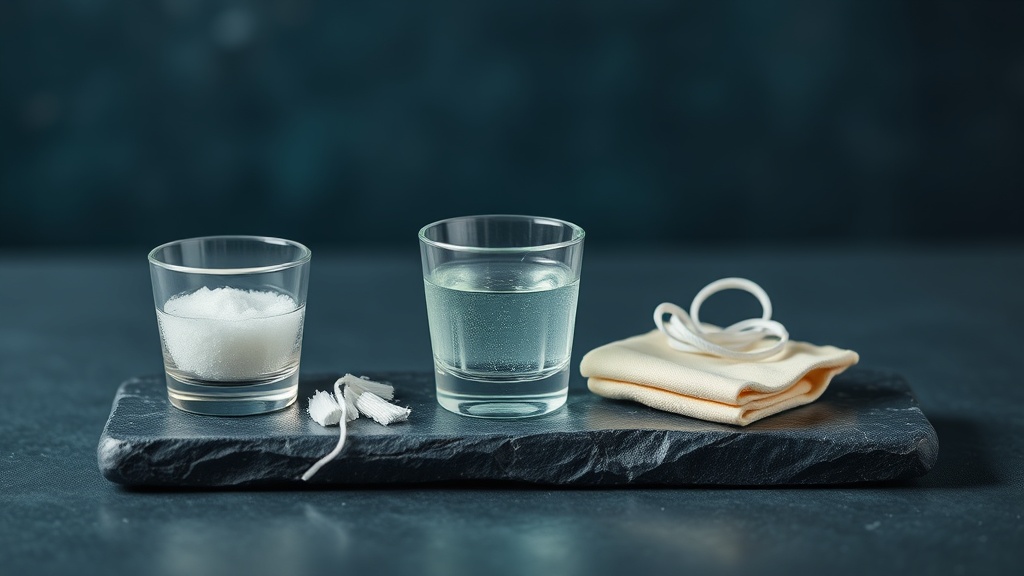 Answers8 min
How to Stop Tooth Pain Fast: A Quick, Honest Checklist
When a tooth flares up, here is what to do in the next ten minutes, and what to do next.
Read →→ Guides8 min
Home Remedies for Toothache: What Works, What Does Not
Some toothache remedies genuinely soothe, some do little, and none replace a dentist. Here is the honest rundown.
Read →→ Ingredients8 min
How Fluoride Toothpaste Remineralizes Teeth
The chemistry behind fluoride's remineralizing power, and the honest line between the early lesions it can rebuild and the cavities it cannot.
Read →→ Answers8 min
How to Get Rid of White Spots on Teeth: Your Options, Ranked
An honest, evidence-based ladder of options, from what you can do at home to what only a dentist can fix.
Read →→ Ingredients8 min
Hydroxyapatite Toothpaste Benefits: What the Evidence Actually Supports
A calm, science-first look at what hydroxyapatite toothpaste can genuinely do for your enamel, and where the evidence stops.
Read →→