Brown Stains on Teeth: What Causes Them and How to Fade Them Safely
Most brown tooth stains are surface deposits from everyday food, drink and tobacco. Here is why they form and the enamel-safe ways to lighten them.
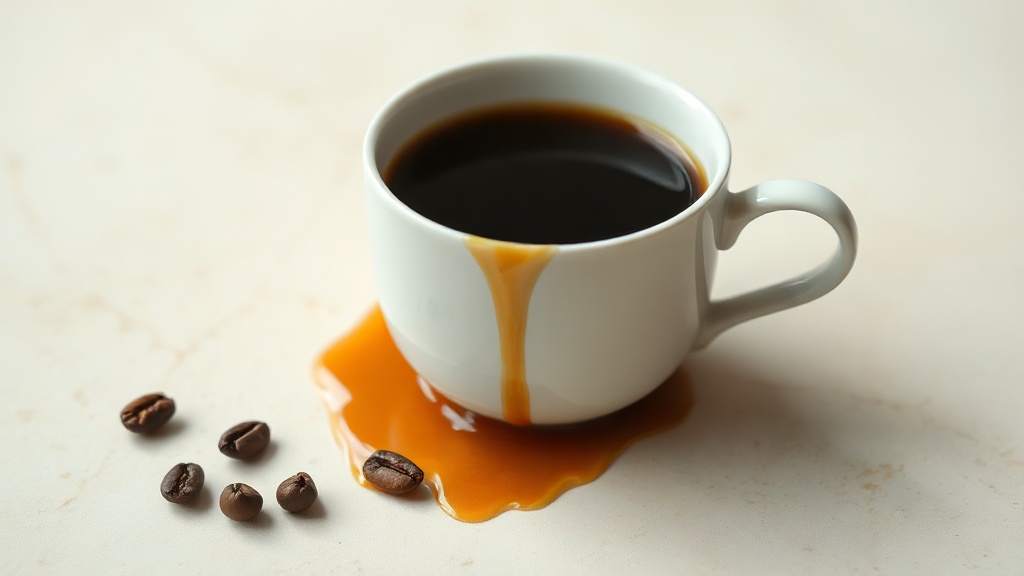
- Most brown stains on teeth are extrinsic, meaning they sit on the surface of the enamel rather than inside the tooth, and come from everyday coffee, tea, red wine, cola and tobacco.
- These stains form when coloured compounds called chromogens react with the thin protein film on your teeth and lodge in the microscopic pores of the enamel, building up gradually over weeks and months.
- Hardened plaque, or tartar, can also look brown, especially near the gumline and between teeth, but this can only be removed by a professional cleaning, not by brushing harder at home.
- A smaller number of brown marks are intrinsic, coming from inside the tooth, such as staining from tetracycline antibiotics or dental fluorosis; these are cosmetic to a dentist, not something a home product removes.
- Surface brown stains can usually be faded safely with gentle, low-abrasion cleaning and by cutting the contact time of staining drinks, while harsh acids, lemon and charcoal scrubs risk wearing the enamel away.
Brown stains on teeth are usually surface deposits left by coffee, tea, red wine, tobacco and tartar. Coloured compounds in these bind to the film on your enamel and settle into its tiny pores. Most surface stains fade with gentle cleaning and less contact time, but tartar and stains from inside the tooth need a dental visit.
What a brown stain on a tooth actually is
Enamel looks solid, but under a microscope it is slightly porous, and every tooth is coated in a thin, sticky protein layer called the pellicle that reforms within seconds of brushing. Brown staining is really a story about that surface. When you drink coffee, black tea, red wine or cola, coloured molecules known as chromogens, along with the tannins that carry them, react with the pellicle and settle into the shallow pores of the enamel. Reviewers describe three overlapping routes for this kind of extrinsic discolouration: a browning reaction between sugars and proteins similar to how food browns when cooked, the formation of dark iron and tin sulphide pigments, and the direct deposit of dietary colour. The important point is that this is material added on top of the tooth, not a change in the tooth itself, which is exactly why surface stains respond to cleaning. Tannins make it worse because they prime the pellicle to hold pigment: in laboratory work, enamel exposed to tannic acid picked up far more staining than enamel that met the same pigment without that priming step. Tobacco is the heaviest everyday stainer of all, because tar and nicotine by-products bake a stubborn brown-yellow film into the same surface.
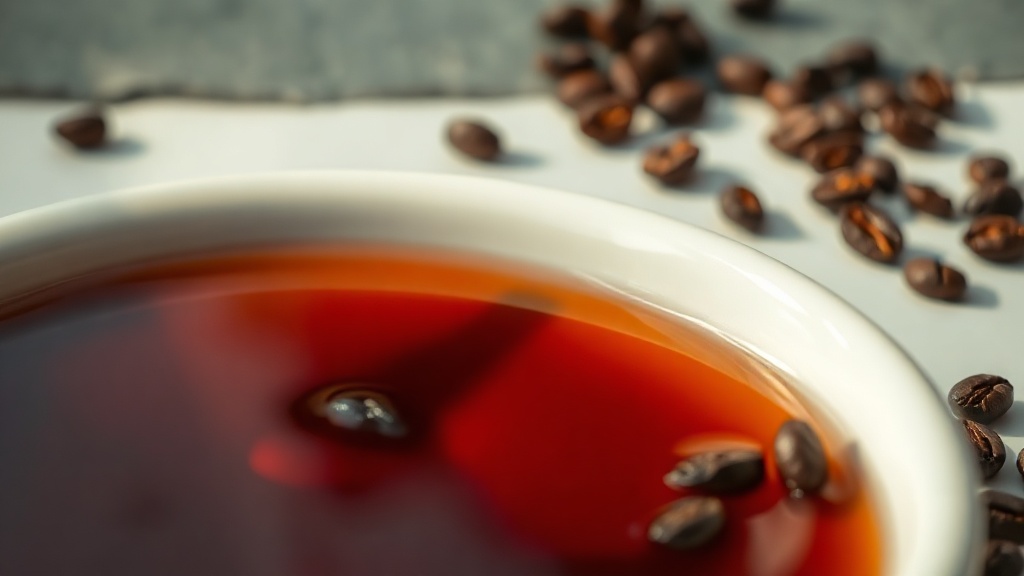
Extrinsic brown stains build up where pigment-rich drinks meet the thin film on the enamel and settle into its microscopic pores.
What the research actually shows
Every claim below maps to a named, peer-reviewed source in the Sources section. According to PubMed.
| Claim | Evidence | Source |
|---|---|---|
| Extrinsic brown stains form by three overlapping routes: a browning reaction between food and proteins, dark iron and tin sulphide pigments, and direct deposit of dietary colour. | Review of extrinsic tooth-discolouration mechanisms. | Eriksen & Nordbo, 1985 |
| Tannins from tea, coffee and red wine prime the protein film on enamel so that pigment binds far more heavily than it would on its own. | Human in-situ pellicle-staining model. | Nordbo et al., 1982 |
| Red wine is the most aggressive everyday stainer, producing colour changes on enamel far larger than coffee or tea. | Spectrophotometer staining study. | Ardu et al., 2018 |
| Staining is cumulative and time-dependent, building by roughly 0.34 colour units for each day of contact with a staining liquid. | In-vitro staining and re-staining study. | Farawati et al., 2019 |
| A chlorhexidine mouthrinse used for four weeks or more reliably causes visible extrinsic brown-to-black staining. | Cochrane review of 51 trials. | James et al., 2017 |
Where brown stains come from
| Source | Type of stain | Can you lift it at home? |
|---|---|---|
| Coffee, tea, red wine, cola | Extrinsic, on the surface | Yes, with gentle cleaning and less contact time |
| Tobacco or smoking | Extrinsic, heavy and stubborn | Partly, but heavy tar often needs a professional clean |
| Tartar, hardened plaque | Extrinsic build-up near the gumline | No, this needs a professional scale and polish |
| Tetracycline or fluorosis | Intrinsic, inside the tooth | No, only cosmetic options with a dentist |
| A single dark spot or dark line | Possibly decay or an ageing filling | No, have it checked in person |
When a brown mark is not just a stain
Most brown discolouration is harmless surface staining, but a few patterns deserve a closer look because they come from inside the tooth or from a problem the surface cannot explain. Intrinsic stains are built into the tooth structure. Tetracycline and minocycline antibiotics taken while teeth are forming can leave a permanent yellow-grey to brown band, seen in an estimated three to six percent of people exposed, and dental fluorosis can leave brown mottling; neither of these lifts with any home product, so the honest route is cosmetic care with a dentist rather than a scrubbing routine. Age plays a quieter role too: as enamel gradually thins and becomes more translucent, the naturally yellow-brown dentine underneath shows through more, which reads as an overall darkening rather than a distinct stain. The marks that genuinely need attention are the ones a stain should not produce. A single concentrated brown or black spot, a dark line tucked against the gum or between two teeth that does not brush away, or discolouration paired with sensitivity or a rough catch can signal early decay or a failing old filling rather than a coffee habit. Those are worth having looked at in person, because no cosmetic approach fixes a cavity.
Evidence you can act on.
Occasional emails — new research, new protocols, no noise.
How to fade surface stains safely
You can lift most extrinsic brown staining without harsh chemicals or abrasive gimmicks. The goal is to remove what sits on the surface and slow how fast it returns, never to scrub the enamel itself. None of this treats a disease; it simply keeps the surface clean and bright.
- 1
Cut the contact, not just the drink
every dayBecause staining builds up with time in contact, how you drink matters as much as what you drink. Sipping a coffee slowly over an hour bathes your teeth far longer than finishing it promptly. Use a straw for iced coffee and cola, rinse your mouth with water after tea, wine or coffee, and avoid nursing dark drinks all afternoon.
- 2
Brush gently with a low-abrasion paste
twice dailyYou do not need a harsh, gritty paste to remove surface stain. Gentle polishing agents such as baking soda clean stain effectively at low abrasivity, so look for a mild whitening or baking-soda toothpaste and use a soft brush. Scrubbing hard with a stiff brush wears enamel without removing stain any faster.
- 3
Consider a powered toothbrush
twice dailyAn oscillating powered brush can remove extrinsic stain about as well as a professional polish over a couple of weeks in trials, simply because it delivers more consistent, controlled contact than most people manage by hand. It is one of the most reliable at-home upgrades for keeping surface stain from setting in.
- 4
Get a professional clean for tartar
every 6 to 12 monthsOnce plaque hardens into tartar it takes on colour and can only be removed with professional instruments. A hygienist can also lift set-in surface stain that brushing misses. It is worth knowing that professional cleaning removes stain but does not restore the tooth to its original factory colour, so think of it as maintenance rather than a reset.
- 5
Skip lemon, charcoal and DIY acid scrubs
avoidThe most damaging thing you can do to stained teeth is attack them with acid or grit. Lemon juice, vinegar and homemade fruit-and-baking-soda pastes soften and erode enamel, and charcoal powders are more abrasive while whitening less than ordinary paste. Thinner, rougher enamel actually picks up stain faster afterwards.
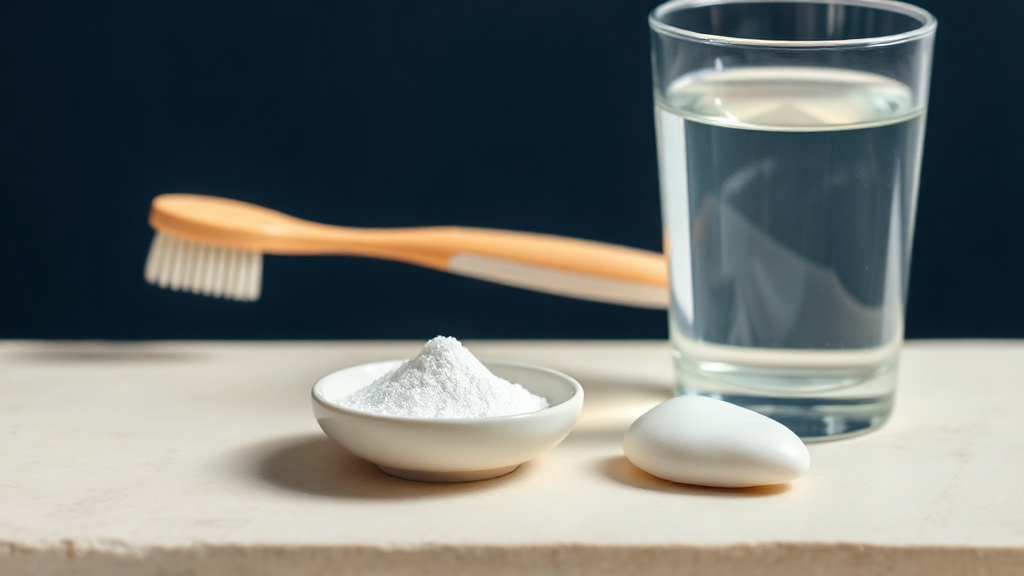
Gentle, low-abrasion cleaning lifts surface stain safely; harsh acids and gritty scrubs wear enamel and let stain return faster.
See a dentist if a brown mark does not brush away and looks like a concentrated spot or a dark line against the gum or between teeth, if discolouration comes with sensitivity, pain or a rough catch, or if a single tooth darkens on its own. These can point to decay, a failing filling or a tooth-nerve issue rather than surface staining, and only an in-person exam can tell the difference. Brown mottling present since childhood is also worth discussing so a dentist can talk you through cosmetic options.
Frequently asked questions
Sources
- 1.
- 2.
- 3.
- 4.
- 5.
- 6.
- 7.
- 8.
- 9.

Fix your breath at the source.
The complete science-backed protocol — engineered to eliminate volatile sulfur compounds at the biological source.
Start the Breath Protocol →Related reading
Educational purposes only. The content on this page is not medical advice and is not a substitute for consultation with a qualified dental or medical professional.
More from the library
 Causes8 min
Does Turmeric Stain Teeth? Why It Happens and How to Remove It
The golden spice is a potent natural dye — but the stains it leaves sit on the surface and lift with the right gentle habits.
Read →→ Guides8 min
How to Remove Coffee Stains From Teeth
A honest, evidence-based guide to lifting coffee stains from teeth without wrecking your enamel: what works, what only polishes the surface, and why to skip charcoal.
Read →→ Answers8 min
Does Teeth Whitening Damage Enamel? The Evidence-Based Answer
The honest, evidence-based answer to whether whitening harms enamel — what peroxide really does to the surface, why sensitivity is not damage, and the DIY methods that actually cause wear.
Read →→ Causes8 min
White Spots on Teeth After Braces: Causes and How to Fix Them
What causes the white marks left after braces come off, and the evidence-based cosmetic options that make them fade or blend in.
Read →→ Answers8 min
Does Baking Soda Whiten Teeth? What the Evidence Says
An honest look at what baking soda can and cannot do for a whiter smile.
Read →→ Best Of9 min
Best Fluoride-Free Whitening Toothpaste: An Honest, Evidence-Based Guide (2026)
Which fluoride-free whitening ingredients hold up to the research — and which are marketing. An honest buyer's guide.
Read →→