
Best Teething Biscuits and Safe Alternatives
The honest guide to teething biscuits - the sugar, the choking risk, and the safer alternatives.
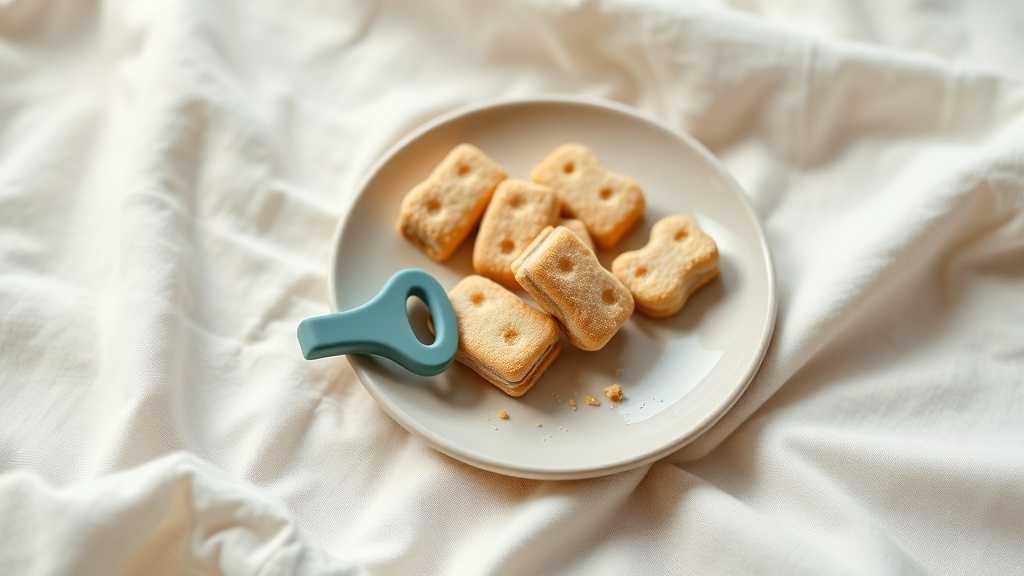
- The honest headline: many teething biscuits and rusks contain added sugar and can snap into a hard lump, so the two biggest issues are a choking hazard and sugar sitting against brand-new teeth.
- In one analysis of commercial baby snacks the median sugar content was about 20 grams per 100 grams, and roughly six in ten snack products contained added or free sugar - often behind a friendly no added sugar style label.
- A teething biscuit is a food, not a soothing device: it is only appropriate once a baby is truly eating solids (usually around six months, sitting up well), never for a young infant, and never unsupervised.
- Safer, sugar-free ways to soothe a sore gum give the same cold-and-pressure comfort without the risk: a solid one-piece silicone teether, a clean chilled washcloth, or chilled unsweetened soft food for a baby who is ready for it.
- If you do offer a biscuit, keep the baby upright and watched, take it away once it softens into a chunk, and wipe the gums and any teeth afterwards to keep sugar from lingering.
There is no single best teething biscuit, because most share two honest downsides: many contain added sugar that clings to new teeth, and hard biscuits can break into a chunk that is a choking risk. Safer options - a chilled solid teether, a cold washcloth, or chilled unsweetened soft food - soothe just as well. If you do use a biscuit, offer it only to a baby eating solids, always supervised and upright.
Why teething biscuits are not the obvious win they seem
A teething biscuit looks perfect: firm enough to gnaw, it seems to give a sore gum something to press against. The trouble is what happens as a baby works on it. Saliva softens the biscuit unevenly, and a firm edge can suddenly snap off as a lump - and hard, breakable food is exactly the shape that most often blocks a small airway. Then there is the sugar. Independent surveys of commercial baby snacks keep finding the same thing: these products are frequently high in free sugars, often with reassuring front-of-pack wording that does not match the ingredients list. For teething, the timing is unlucky - a baby is nibbling a sugary biscuit slowly, over many minutes, right as the very first teeth are arriving, which is the most vulnerable moment for those teeth. None of this makes a biscuit a catastrophe, but it does mean the humble teething biscuit is less a soothing tool and more a sometimes-food that needs the same care as any first finger food.
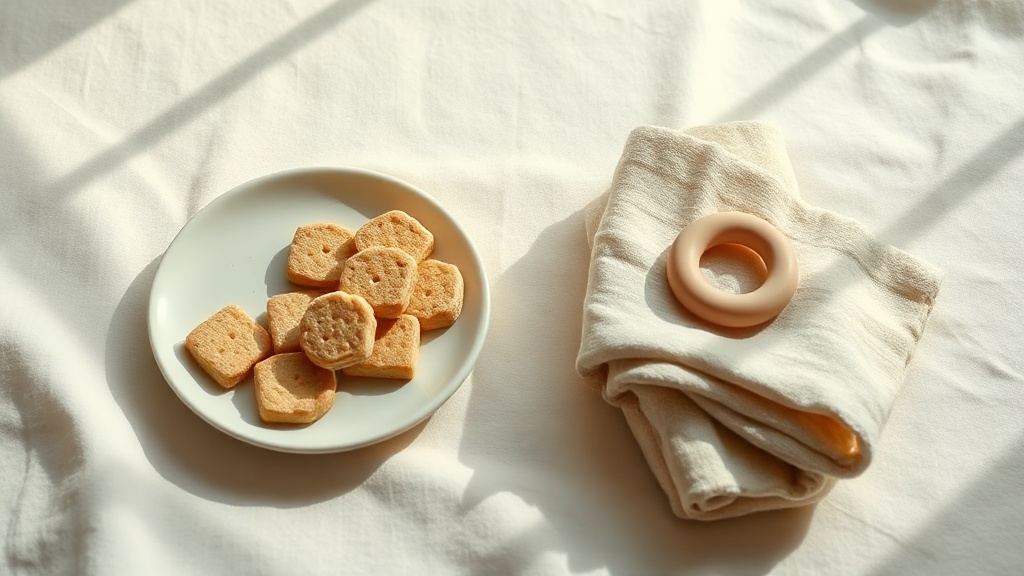
Side by side, the honest trade-off: a biscuit is a sugary, breakable food, while a solid teether or cold cloth gives the same comforting pressure with none of the risk.
What the research actually shows
Every claim below maps to a named, peer-reviewed source in the Sources section. According to PubMed.
| Claim | Evidence | Source |
|---|---|---|
| Food is the leading cause of childhood choking, and infants under one make up 37.8% of nonfatal food-choking ED visits - the reason a hard, breakable biscuit needs constant supervision. | National US surveillance of nonfatal food-related choking in children. | Chapin et al., 2013 |
| In commercial baby snacks the median sugar content was about 20.3 g per 100 g, and 62% of snack products contained added or free sugars - frequently alongside misleading front-of-pack claims. | Narrative review of commercial baby foods across the UK, Europe, Australia and New Zealand. | Brand-Williamson et al., 2025 |
| About 89% of toddler foods (and 93% of infant foods) contained added or free sugars, and dry finger foods and snacks made up the bulk of the toddler category. | Retail audit of 250 commercial infant and toddler foods. | Scully et al., 2023 |
| Across 42 of 50 studies in children, higher sugar intake was linked with more tooth decay, and decay was lower when free sugars stayed under 10% of energy - the case for keeping sugary snacks occasional. | Systematic review underpinning the WHO sugars guideline. | Moynihan & Kelly, 2014 |
| It is the frequency of free-sugar exposure that carries most of the decay risk - free-sugar intake accounted for about 52% of the social gap in early childhood caries - so a biscuit nibbled slowly through the day is worse than the sugar total alone suggests. | Birth-cohort causal-mediation analysis. | Dao et al., 2025 |
Teething biscuits vs. the safer alternatives
| Option | Choking risk | Sugar / decay risk | Best used how |
|---|---|---|---|
| Traditional teething biscuits and rusks | Higher - can snap into a hard chunk | Often high - many contain added sugar | Only for babies eating solids; supervise every bite |
| Lower-sugar teething wafers | Moderate - still breaks apart | Lower, but read the label carefully | Supervised, upright, taken away when small |
| Chilled solid one-piece silicone teether | Low - cannot break into pieces | None | Any teething baby, supervised |
| Clean cold, damp washcloth to gnaw | Low | None | Cheap and effective, supervised |
| Chilled unsweetened soft foods | Depends on the food and how it is prepared | None if unsweetened | Baby-led, upright, watched closely |
The label trap: what no added sugar really means
The most useful skill here is reading past the front of the pack. Baby-food marketing leans hard on words like natural, wholesome and no added sugar, but audits keep finding that a large share of these products still deliver free sugars - the kind that matter for teeth - through fruit purees, juice concentrates and syrups that count as no added sugar under the rules while behaving exactly like sugar in the mouth. For a first tooth, the biology does not care about the marketing category: a sticky, slowly-eaten sweet biscuit bathes the gumline and any new enamel in sugar for the whole time the baby is working on it. That is why the honest advice is not simply pick the healthiest biscuit but rather treat every teething biscuit as a sometimes-food, check the ingredients list rather than the claims, and lean on the sugar-free comfort options for the day-to-day soreness. Diet, not any single product, is the lever that actually protects little teeth.
Evidence you can act on.
Occasional emails — new research, new protocols, no noise.
If you do use a teething biscuit, use it safely
A biscuit can be an occasional treat for a baby who is genuinely eating solids - the goal is simply to remove the two real risks, choking and lingering sugar.
- 1
Make sure your baby is truly ready for solids
from about 6 monthsA teething biscuit is food, not a soothing gadget for a young infant. Wait until your baby can sit up well with support, holds their head steady, and is starting to chew and manage soft food. If in doubt, ask your pediatrician before offering finger foods.
- 2
Read the ingredients, not the front of the pack
one minute in the aisleScan for added sugar, cane sugar, syrups, fruit-juice concentrate and honey (honey is unsafe under one year for a separate reason). Do not take a no added sugar claim at face value - the fruit-based sugars still reach the teeth. Choose the plainest option you can.
- 3
Always supervise, always upright
every single timeSit your baby upright and stay within arm's reach for the whole biscuit - never in a moving car seat, bouncer, stroller or while lying down. Most choking happens in a distracted moment; treat a biscuit like any first finger food that needs your full attention.
- 4
Take it away at the break-off point
watch closelyThe riskiest moment is when a firm biscuit softens and a chunk snaps loose. Once the biscuit has worn down to a small piece, take it and offer a solid teether instead. Learn the signs of choking versus normal gagging, and know your infant first-aid basics.
- 5
Wipe the gums and teeth afterwards
under a minuteA quick wipe with a clean damp cloth or a soft baby brush clears the sugary residue from the gumline and any new teeth. Never send a baby to nap with a biscuit or a sweet drink, which leaves sugar pooling against the teeth for a long stretch.
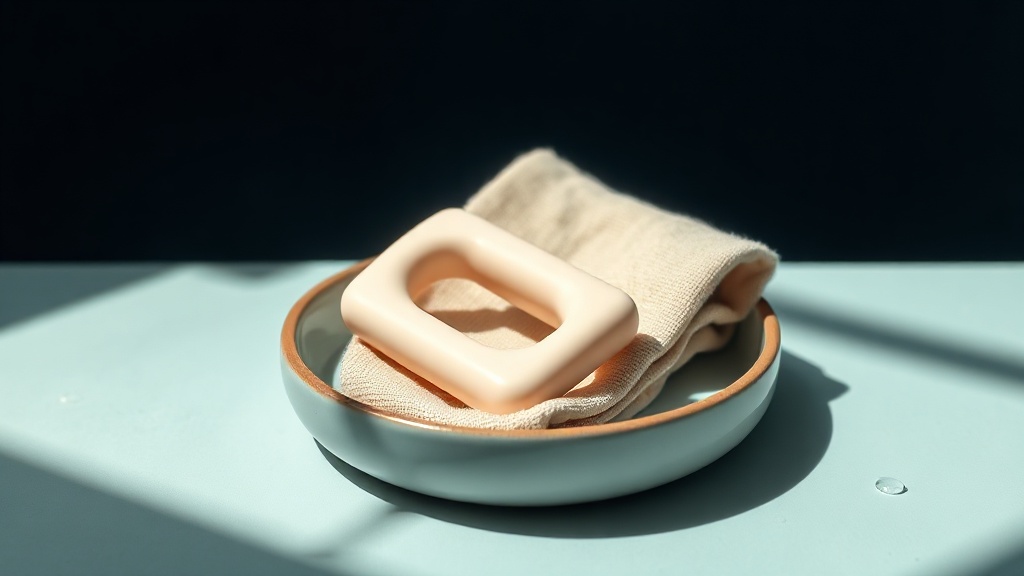
The safer swap: a solid one-piece teether and a chilled cloth deliver the same soothing cold and pressure with no sugar and nothing to break off.
Learn infant choking first aid before offering any finger food, and call emergency services immediately if your baby cannot breathe, cough or cry. Book a first visit with a pediatric dentist when the first tooth appears or by the first birthday - and sooner if you notice white, brown or pitted spots on new teeth, which a dentist should check. Your pediatrician can also confirm when your baby is ready to start solids.
Frequently asked questions
Sources
- 1.
- 2.
- 3.
- 4.
- 5.
- 6.

Fix your breath at the source.
The complete science-backed protocol — engineered to eliminate volatile sulfur compounds at the biological source.
Start the Breath Protocol →Related reading
Educational purposes only. The content on this page is not medical advice and is not a substitute for consultation with a qualified dental or medical professional.
More from the library
 Best Of8 min
Best Teething Toys for Babies (2026): Safe, Simple Picks
Forget the gadgets. A solid, one-piece teether you can chill in the fridge is the honest best - here is how to choose one safely and what to avoid.
Read →→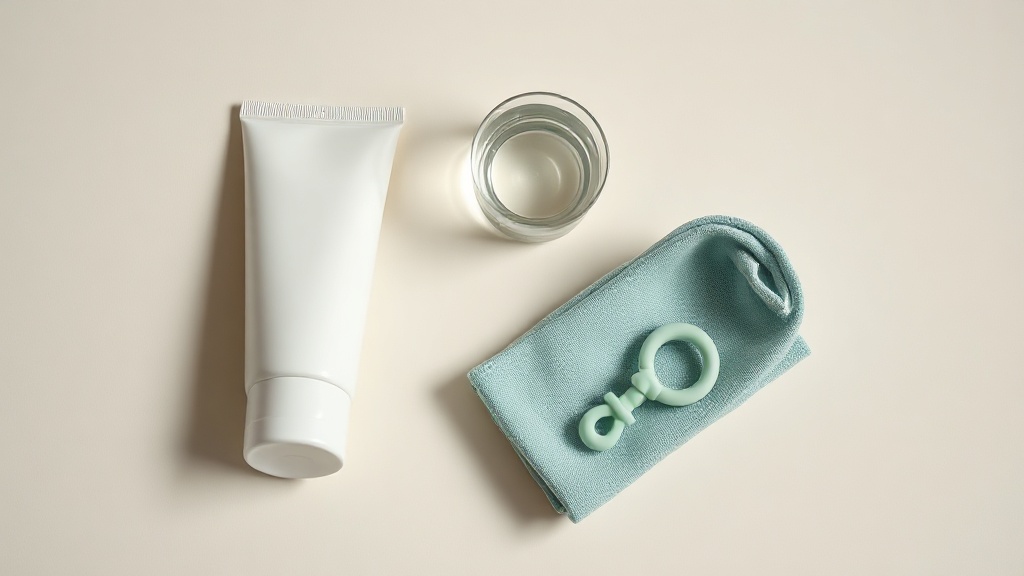 Best Of8 min
Best Teething Gel for Babies: Safer Soothing Options Compared
Why the honest best is non-medicated relief - and why the FDA warns against benzocaine and lidocaine teething gels for babies and toddlers.
Read →→ Answers8 min
Signs of Teething: How to Tell Your Baby Is Teething
What teething actually looks like, and the warning signs that are not teething at all.
Read →→ Guides9 min
Natural Teething Remedies: Safe, Gentle Ways to Soothe Sore Gums
Sore gums, endless drool, a miserable baby. Here are the gentle, genuinely safe natural teething remedies, and the natural-sounding ones that are best left on the shelf.
Read →→ Guides9 min
Early Childhood Caries: Gentle Prevention for Little Smiles
What early childhood caries is, why it happens, and the calm daily habits - diet, bottle routines, brushing, dental visits - that lower a young child's risk.
Read →→ Best Of8 min
Best Toothbrush for Kids by Age (2026 Buying Guide)
A calm, honest guide to choosing a child toothbrush by age — soft bristles, small head, and the habits that matter more than any brand.
Read →→