Signs of Teething: How to Tell Your Baby Is Teething
What teething actually looks like, and the warning signs that are not teething at all.

- Teething is a normal milestone, and its real signs are mild and local: lots of drooling, rubbing or gnawing at the gums, a strong urge to bite, extra fussiness, and a few nights of broken sleep as a tooth pushes through.
- In a meta-analysis of 3,506 children, roughly 70% of infants showed some sign during tooth eruption - the most common being gum irritation (about 87%), irritability (about 68%) and drooling (about 56%).
- Teething can nudge a baby's temperature up a little, but it does not cause a true fever. In a large prospective study, no teething infant ran a fever of 104F, and high fever, loose stools and vomiting were not linked to a tooth coming through.
- Because no single sign reliably predicts a tooth, a genuinely unwell baby can be brushed off as just teething. The honest rule: a real fever, diarrhoea, vomiting, or a listless baby is a reason to call a doctor, not to reach for the teething drawer.
- Skip the risky shortcuts. Benzocaine gels (FDA-warned over a blood-oxygen risk), homeopathic belladonna tablets, and amber necklaces (a strangulation and choking hazard) are dangers, not remedies - gentle cold and pressure are far safer.
The everyday signs of teething are mild and local: heavy drooling, gum-rubbing, a strong urge to bite, more fussiness than usual, and a few disturbed nights around the days a tooth breaks through. Teething may raise a baby's temperature slightly, but it does not cause a true fever, diarrhoea or vomiting - those point to a separate illness and a call to your doctor.
What is actually happening when a baby teethes
A first tooth usually appears around six months, though anywhere from three to twelve months is normal. As the crown pushes up through the gum, the tissue right above it becomes tender and slightly inflamed - which is why babies rub, gnaw and want to bite down on that spot: firm counter-pressure genuinely feels good against a sore gum. The same weeks bring a surge in saliva, so drooling ramps up and, with it, a damp chin and sometimes a mild rash where skin stays wet. The key thing most guides get wrong is how brief and how local it all is. When researchers tracked 125 healthy infants day by day, teething symptoms clustered only in a narrow window - about four days before a tooth emerged, the day it broke through, and three days after - an eight-day span, then quiet again. Outside that window, most babies show nothing at all. So teething is best pictured not as a long illness but as a short, localised episode of gum soreness and extra dribble that comes and goes tooth by tooth.
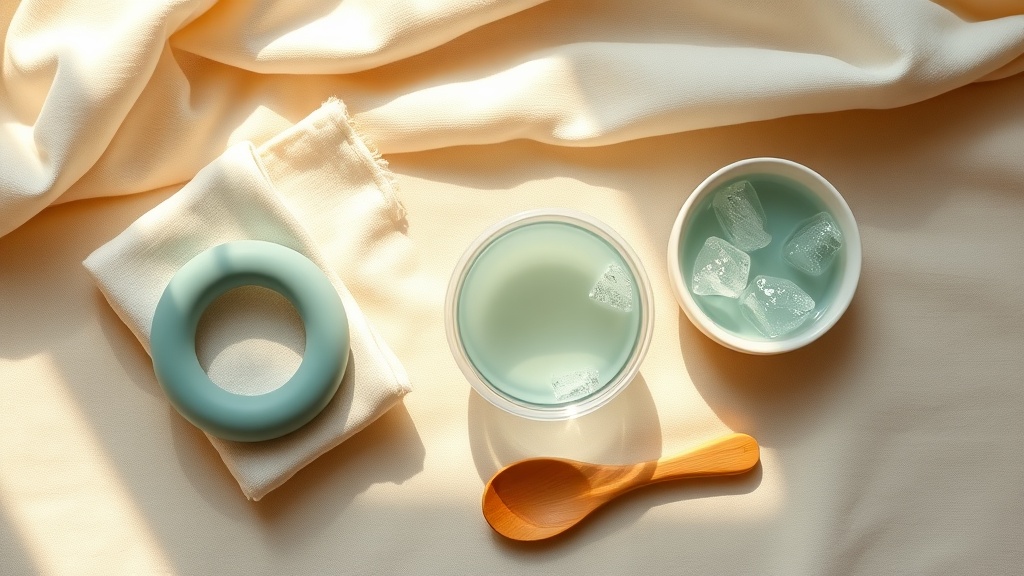
The real signs of teething are gentle and local - the calm, low-tech comforts (cold, pressure, something safe to chew) are usually all a baby needs.
What the research actually shows
Every claim below maps to a named, peer-reviewed source in the Sources section. According to PubMed.
| Claim | Evidence | Source |
|---|---|---|
| About 70% of infants show at least one sign during primary tooth eruption; the most common are gum irritation (86.8%), irritability (68.2%) and drooling (55.7%). | Meta-analysis of 16 studies, 3,506 children aged 0-36 months. | Massignan et al., 2016 |
| In 125 healthy infants tracked over 19,422 child-days, biting, drooling, gum-rubbing, irritability and mild temperature elevation were linked to teething - but congestion, loose stools, fever over 102F and vomiting were not. | Prospective daily-diary cohort; 475 tooth eruptions. | Macknin et al., 2000 |
| Eruption could lead to a small rise in body temperature, but it was not characterised as a fever - the honest boundary for worried parents. | Pooled body-temperature analysis within the same meta-analysis. | Massignan et al., 2016 |
| Across 25 studies the global prevalence of teething signs was about 80%, with increased biting (65.9%) and irritability (60.7%) the most common - reassuringly universal and mostly mild. | Systematic review and meta-analysis, infants 0-36 months. | Jhunjhunwala et al., 2024 |
| The US FDA warned against benzocaine teething gels over a serious blood-oxygen risk (methemoglobinemia), yet 63% of surveyed pharmacists would still have recommended one - a reason to choose non-drug soothing first. | Survey of 200 community pharmacists plus the 2011 FDA safety warning. | Ip et al., 2017 |
Teething, or something else? Reading the signs
| What you are seeing | Typical of normal teething? | What it may really be telling you |
|---|---|---|
| Heavy drooling, gum-rubbing, wanting to bite | Yes - the classic local signs | Normal; offer a clean, chilled teether |
| Extra fussiness and broken sleep for a few days | Yes, around a tooth breaking through | Normal; lean on comfort and patience |
| Slightly warm, up to about 38C / 100.4F | Can happen | Usually fine, but keep rechecking |
| A true, persistent fever (38C/100.4F or higher, or 39C+) | No | A separate illness - call your doctor |
| Diarrhoea, vomiting, refusing all fluids, a spreading rash, or unusual listlessness | No | Not teething - seek medical care |
Why teething gets blamed for everything - and why that is risky
Teething has been blamed for fevers, diarrhoea, ear infections and worse for centuries, and the reason is simple timing. Babies cut teeth on and off from roughly six months to two-and-a-half years - exactly the same window in which they catch their first colds, stomach bugs and ear infections as maternal antibodies fade. So a baby who is teething and unwell at the same time is common, but the tooth is not causing the illness; the two just overlap. This matters more than it sounds. In the same detailed cohort study, the authors were blunt: before any of a baby's symptoms are attributed to teething, other possible causes of a potentially serious illness must first be ruled out. In other words, teething is an explanation for the mild and the local - it is a safe explanation for dribble and grizzling, and a dangerous one for a high fever or a lethargic baby. The practical takeaway is to treat teething as the explanation only after nothing worrying is going on, never as the reason to wait and see when a baby seems genuinely sick.
Evidence you can act on.
Occasional emails — new research, new protocols, no noise.
How to soothe a teething baby, safely
None of this treats an illness - it simply eases the soreness of a gum while a tooth comes through. Cold, pressure and something safe to chew do most of the work.
- 1
Lead with cold and counter-pressure
a few minutes, as neededA chilled (never frozen) solid teether, or a clean cold wet washcloth to gnaw on, dulls a sore gum and gives that satisfying pressure. A gentle rub of the gum with a clean finger works in a pinch. Chill teethers in the fridge, not the freezer - rock-hard frozen toys can bruise tender gums.
- 2
Keep the drool off the skin
throughout the dayHeavy dribble can leave a red, chapped patch on the chin, neck and chest. Pat the area dry gently rather than rubbing, change damp bibs and tops, and a thin plain barrier ointment can protect the skin. This is comfort care, not a sign anything is wrong.
- 3
Offer safe things to chew - and supervise
supervised playA one-piece silicone or firm rubber teether is ideal. Avoid liquid-filled teethers that can split, anything small enough to be a choking risk, and hard foods a baby could break a piece off. If you offer chilled soft food, stay within arm's reach the whole time.
- 4
Comfort first; medicine only on advice
as neededExtra cuddles, a calm routine and feeding on demand carry most babies through. For a baby who is genuinely uncomfortable, a pediatrician may okay infant paracetamol or ibuprofen dosed by weight - but the dose and the decision are a clinician's call, not a routine every-night habit.
- 5
Avoid the hazards, full stop
alwaysSkip benzocaine or lidocaine gels (an FDA-flagged blood-oxygen risk in babies), homeopathic teething tablets that have contained belladonna, and amber or beaded necklaces, which pose a real strangulation and choking danger. Never leave any necklace on a sleeping or unsupervised child.
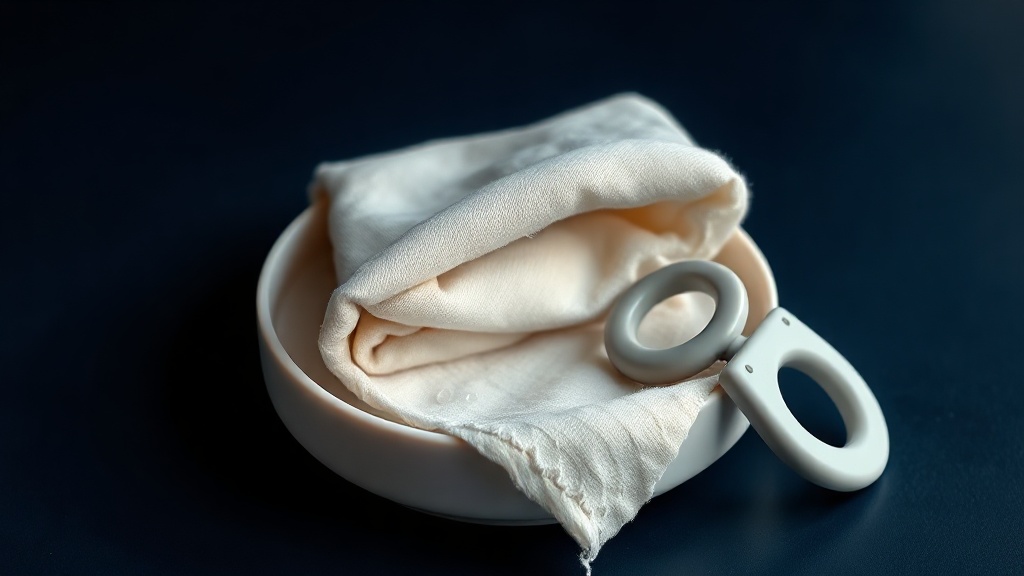
Chill a solid teether or a clean damp cloth in the fridge - not the freezer - so it soothes the gum without being hard enough to bruise it.
Call your pediatrician if your baby has a true or persistent fever (38C/100.4F or higher, and especially in a baby under three months), diarrhoea or vomiting, is refusing to feed or drink, seems unusually sleepy or hard to rouse, or has a rash that is spreading - these are not teething. Separately, plan a first visit with a pediatric dentist when the first tooth appears or by the first birthday, so brushing and diet get set up right from the start.
Frequently asked questions
Sources
- 1.
- 2.
- 3.
- 4.
- 5.
- 6.

Fix your breath at the source.
The complete science-backed protocol — engineered to eliminate volatile sulfur compounds at the biological source.
Start the Breath Protocol →Related reading
Educational purposes only. The content on this page is not medical advice and is not a substitute for consultation with a qualified dental or medical professional.
More from the library
 Guides8 min
Teething and Fever: What's Normal and When to Call
A teething baby who feels warm worries every parent. Here is the honest science on teething and temperature, and the fever signs that mean it is time to call.
Read →→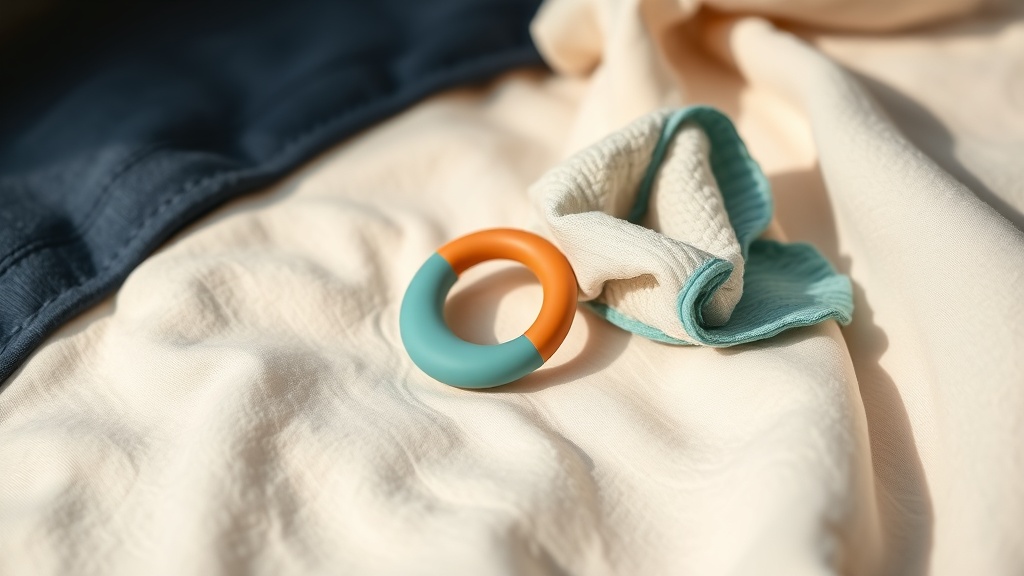 Answers8 min
How Long Does Teething Last? Timeline by Tooth
How long teething really lasts — a reassuring timeline by tooth, why each tooth is only briefly uncomfortable, and safe soothing (no benzocaine, no amber necklaces).
Read →→ Causes8 min
Why Is My Baby Drooling So Much? Causes and When It Is Normal
Why babies drool so much, why it is usually nothing to worry about, and how to protect the skin.
Read →→ Guides9 min
Teething Pain Relief: How to Soothe Your Baby Without Medicine
When a teething baby is in real distress, you want relief that is both effective and safe. Here is the step-by-step ladder, from cold and cuddles to careful use of medicine.
Read →→ Guides9 min
Early Childhood Caries: Gentle Prevention for Little Smiles
What early childhood caries is, why it happens, and the calm daily habits - diet, bottle routines, brushing, dental visits - that lower a young child's risk.
Read →→ Best Of8 min
Best Teething Gel for Babies: Safer Soothing Options Compared
Why the honest best is non-medicated relief - and why the FDA warns against benzocaine and lidocaine teething gels for babies and toddlers.
Read →→