
Best Teething Toys for Babies
Forget the gadgets. A solid, one-piece teether you can chill in the fridge is the honest best - here is how to choose one safely and what to avoid.
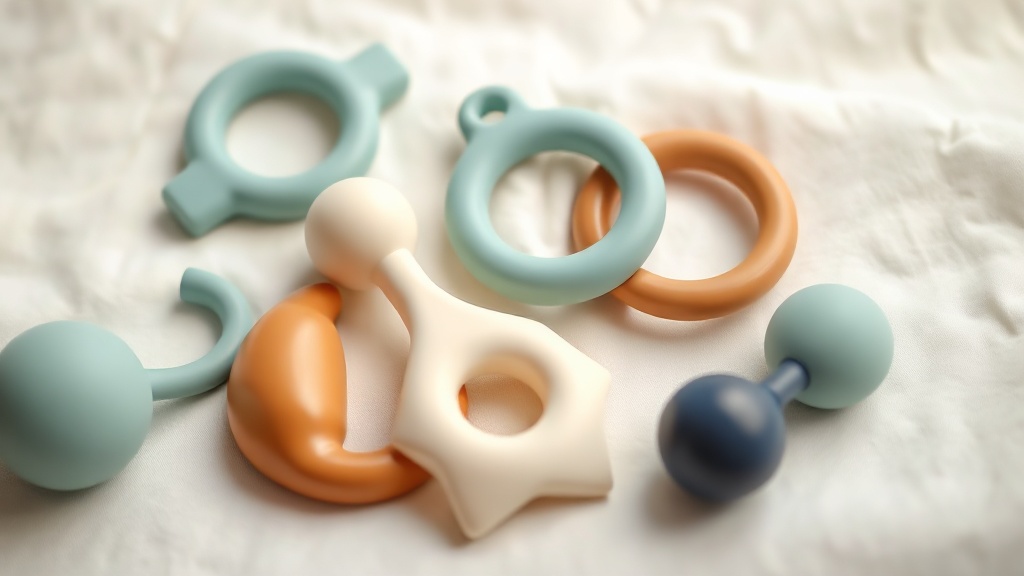
- The best teething toy is refreshingly simple: a solid, one-piece teether made from a safe material that you can chill in the fridge - cold plus firm counter-pressure is what actually soothes a sore gum.
- Chill, do not freeze. A rock-hard frozen teether can bruise already-tender gums; fridge-cool and firm is the goal.
- Safety is mostly about choking: choose a one-piece design with no small parts, nothing that can break off, and no liquid or gel filling that can leak.
- Skip amber teething necklaces - major pediatric groups warn they pose strangulation and choking risks, and the science says they do not relieve teething anyway.
- Look for BPA-free food-grade silicone, natural rubber, or solid wood, check for recalls, and always use a teether under supervision.
The best teething toy is a solid, one-piece teether made from BPA-free silicone, natural rubber, or wood that you can chill - not freeze - in the fridge. Cold and firm counter-pressure soothe sore gums safely. Avoid liquid-filled, beaded, or breakable toys and amber necklaces, and always supervise.
What actually soothes a teething baby - and what makes a teether safe
Teething discomfort comes from inflamed gum tissue as a new tooth pushes toward the surface. Two simple things genuinely help: cold, which calms the inflammation and lightly dulls the ache, and firm counter-pressure, which feels satisfying to bite against. A good solid teether delivers both at once, which is why the fanciest gadget on the shelf rarely beats a plain, well-made one. But there is a second half to the story that marketing tends to skip. A teething baby explores the world by putting everything in their mouth, so the toy itself has to be safe before it is anything else. That means one-piece construction, so nothing can detach and be swallowed; a size and shape too big to lodge in a small throat; no liquid or gel filling that could rupture and leak; and a material that will not splinter or shed small fragments. Reassuringly, the discomfort you are soothing is usually mild and passing - the classic teething signs of gum irritation, extra drool and fussiness are self-limiting - so the job of a teether is comfort, not medicine. Get the safety basics right and the simplest solid teether becomes the best one.
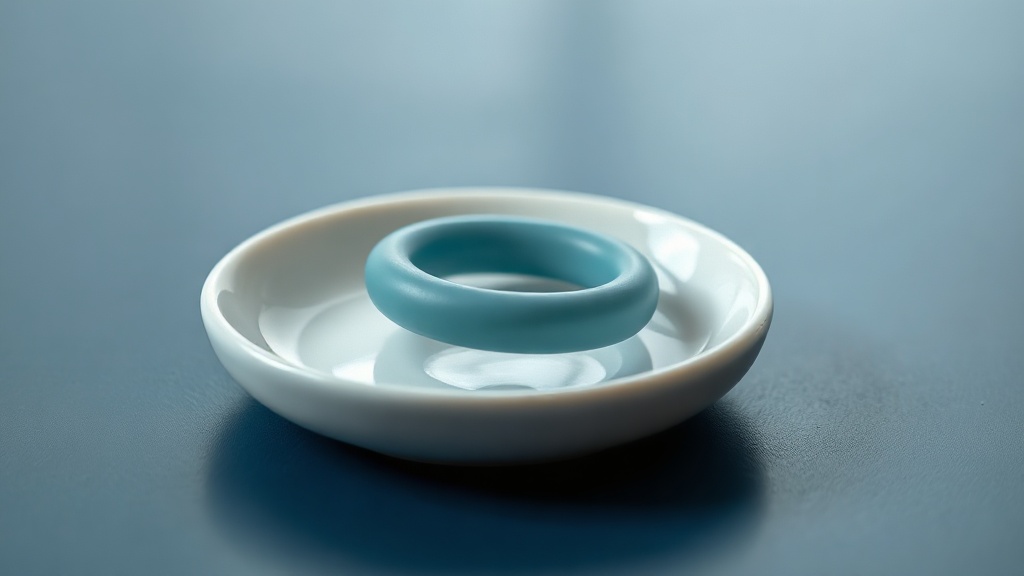
A solid, one-piece teether chilled in the fridge - not frozen - is the workhorse of safe teething relief: cold and counter-pressure, no small parts, no filling.
What the safety record actually shows
Every claim below maps to a named, peer-reviewed source in the Sources section. According to PubMed.
| Claim | Evidence | Source |
|---|---|---|
| Teething signs are typically mild, local, and self-limiting - gum irritation, drooling, irritability - so a baby needs soothing comfort, not medication. | Meta-analysis of 16 studies (3,506 children). | Massignan et al., 2016 |
| Unsafe teething products are common despite warnings: in one survey 67% of families used an unsafe remedy and 27% used an amber teething necklace. | Survey of caregivers of 123 children aged 12 to 18 months. | Abdulsatar et al., 2022 |
| Teething necklaces and liquid-filled teething rings are classed as unsafe by pediatric bodies because they have been implicated in suffocation and choking injuries. | Definitions based on AAP and Canadian Paediatric Society guidance. | Abdulsatar et al., 2022 |
| Small objects are a genuine choking danger at this age: fatal foreign-body aspiration typically involves children under three, and not only food - one reviewed case involved a pebble. | Case series and literature review of fatal aspiration in children. | Montana et al., 2020 |
| Amber necklaces do not deliver a soothing dose: the succinic acid they are said to release underperforms compared with what skin bacteria already produce. | Laboratory analysis of amber-necklace succinic acid release. | de Azevedo et al., 2024 |
Teething toys compared - safest first
| Teething toy | What it is | Safety and evidence |
|---|---|---|
| Solid one-piece silicone teether (top pick) | A single moulded piece of food-grade silicone, chillable | Safe and effective - cold and counter-pressure, no small parts, no filling |
| Natural rubber teether | A one-piece natural rubber toy | Very good - soft and grippable; choose a single-piece design with no valve |
| Solid wood or wood-and-silicone ring | A smooth, untreated hardwood ring | Good when solid and unpainted; avoid loose beads or surface coatings |
| Chilled clean washcloth | A damp cloth cooled in the fridge | Safe, cheap, and effective; supervise and launder often |
| Liquid- or gel-filled teether | A ring filled with fluid to chill | Avoid - can rupture and leak, and can freeze too hard |
| Beaded or multi-part toy, or amber necklace | Small beads, clasps, or a worn necklace | Avoid - choking and strangulation risk; amber does not relieve teething |
How to choose a safe teether (and spot a hazard)
A safe teether is mostly a matter of reading past the marketing. Start with the material: BPA-free food-grade silicone, natural rubber, or smooth solid wood are the dependable choices, and a clear age label should be on the pack. Then check the build. Pick up the toy and ask whether any part could come loose in a determined mouth - beads, clasps, rings, or a squeaker are all small parts waiting to happen. Reject anything with a liquid or gel fill, which can split and leak, and anything painted or coated that could flake. Be especially wary of products sold on a natural or gentle story rather than a safety one: amber teething necklaces are the classic example, marketed as soothing yet flagged by pediatric groups for strangulation and choking risk - and, on the evidence, they do not actually ease teething. It helps to remember why this matters so much at this age. Choking and airway obstruction are among the leading injury risks for children under three, and it does not take food to cause them. A quick search for recalls before you buy, and a habit of inspecting a teether for damage before each use, are two of the highest-value minutes you can spend.
Evidence you can act on.
Occasional emails — new research, new protocols, no noise.
How to pick and use a teether safely
This is comfort care for a normal stage, not treatment for an illness. A safe teether and a few simple habits cover almost every teething day.
- 1
Choose one-piece and solid
once, at purchasePick a single moulded piece with no beads, clasps, or detachable parts, made from BPA-free silicone, natural rubber, or solid wood. If any part could twist or break off, put it back.
- 2
Chill it, never freeze it
20 to 30 minutesCool the teether in the fridge, not the freezer. A frozen-hard teether can bruise already-sore gums, while a fridge-cool one gives comforting cold with a firm-but-kind surface to bite.
- 3
Offer cold plus a clean finger
as neededLet your baby gnaw the chilled teether, and know that a clean fingertip or a cool, damp washcloth rubbed gently on the gum works just as well when a teether is not to hand.
- 4
Keep it clean and check it often
dailyWash the teether the way the maker directs - many silicone ones are dishwasher- or boil-safe - and inspect it before each use for cracks, tears, or a loose piece. Bin it the moment it is damaged.
- 5
Supervise, and skip the necklace
every useNever leave a baby alone with any teether, and never put an amber or beaded teething necklace on a child, awake or asleep. Supervision is the single most important safety habit.
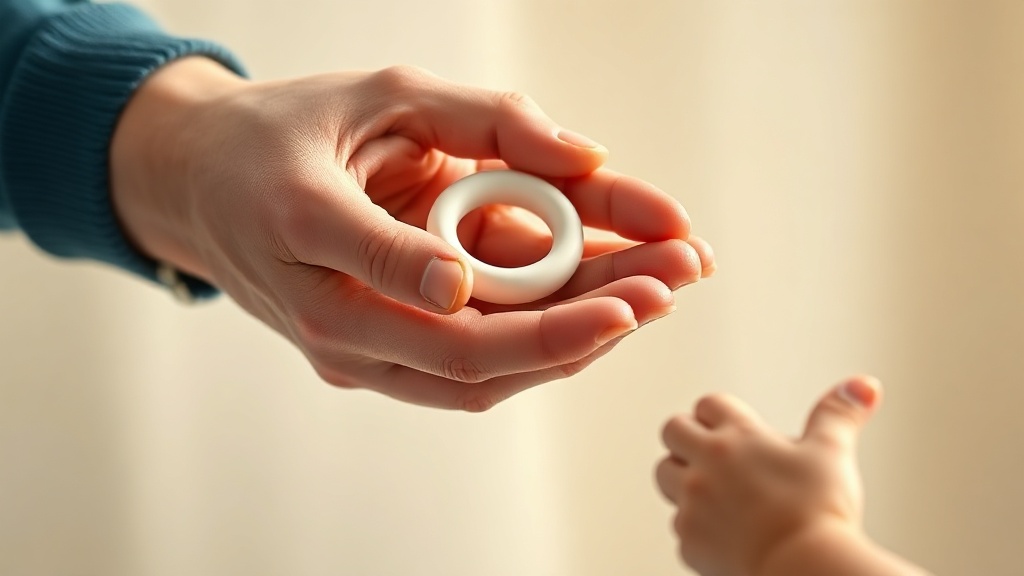
Hand a chilled, solid one-piece teether to your baby and stay close - supervised cold and counter-pressure is the safest soothing there is.
Teething should only cause mild, local symptoms. A true fever (above 100.4F / 38C), diarrhea, vomiting, an unusual rash, or a baby who will not eat or drink is not teething - contact your pediatrician promptly, because another cause may need attention. If you think your child has choked on or swallowed part of a toy, seek emergency care or call your local emergency number right away, and it is worth learning infant choking first aid before you ever need it. Schedule a first visit with a pediatric dentist by age one. Never place an amber necklace on a child or tape a child mouth to soothe them.
Frequently asked questions
Sources
- 1.
- 2.
- 3.
- 4.
- 5.
- 6.

Fix your breath at the source.
The complete science-backed protocol — engineered to eliminate volatile sulfur compounds at the biological source.
Start the Breath Protocol →Related reading
Educational purposes only. The content on this page is not medical advice and is not a substitute for consultation with a qualified dental or medical professional.
More from the library
 Best Of8 min
Best Teething Gel for Babies: Safer Soothing Options Compared
Why the honest best is non-medicated relief - and why the FDA warns against benzocaine and lidocaine teething gels for babies and toddlers.
Read →→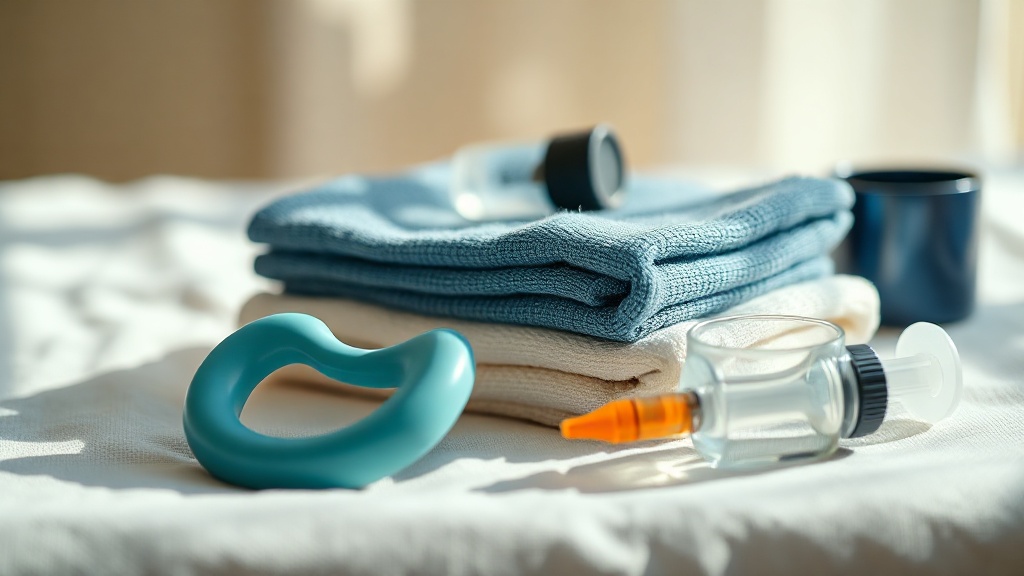 Guides9 min
Teething Pain Relief: How to Soothe Your Baby Without Medicine
When a teething baby is in real distress, you want relief that is both effective and safe. Here is the step-by-step ladder, from cold and cuddles to careful use of medicine.
Read →→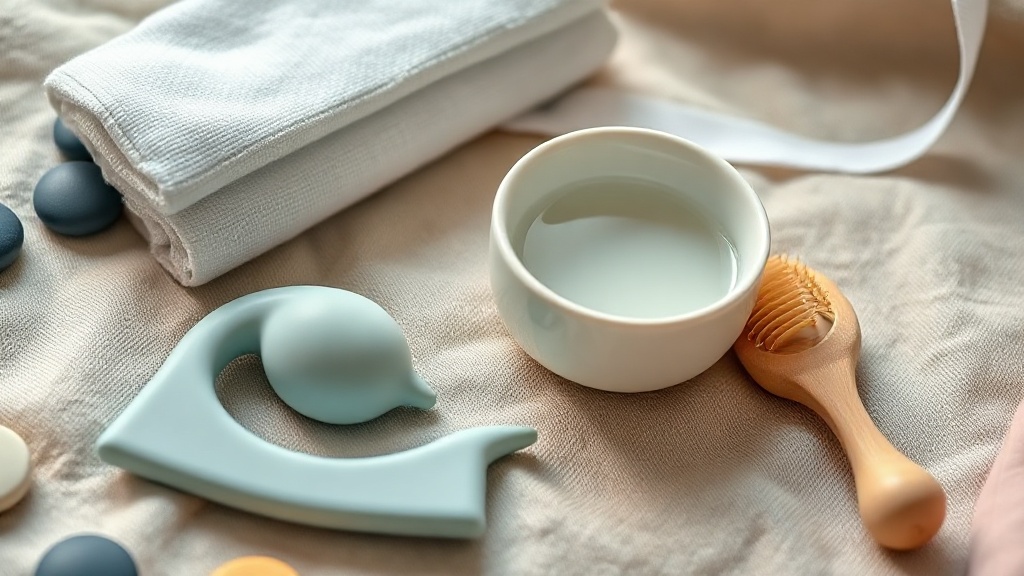 Guides9 min
Natural Teething Remedies: Safe, Gentle Ways to Soothe Sore Gums
Sore gums, endless drool, a miserable baby. Here are the gentle, genuinely safe natural teething remedies, and the natural-sounding ones that are best left on the shelf.
Read →→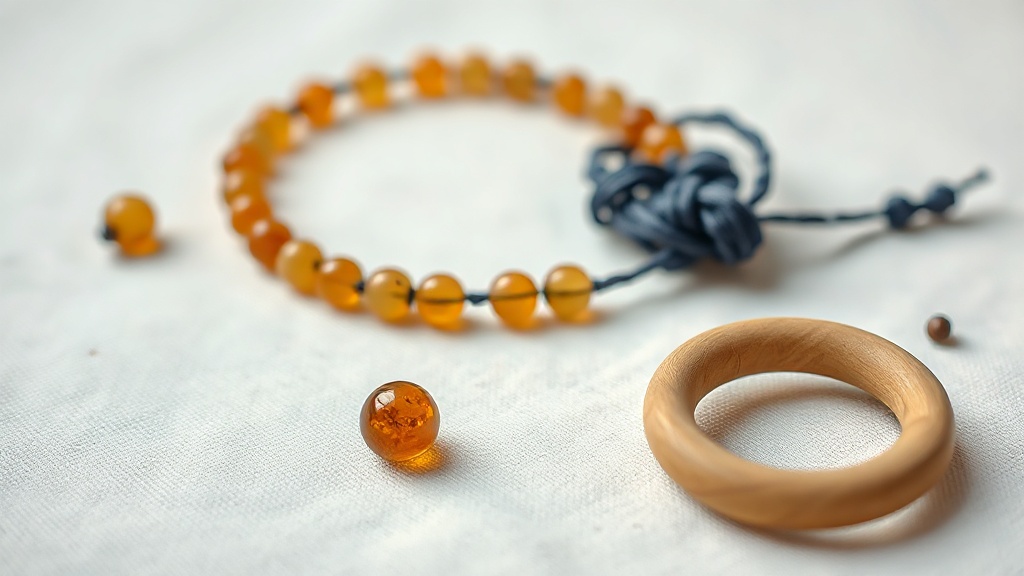 Answers8 min
Are Amber Teething Necklaces Safe? What Parents Should Know
Pediatric and safety authorities say no. Here is the honest science on the risks, the debunked succinic-acid theory, and what to soothe with instead.
Read →→ Guides9 min
Early Childhood Caries: Gentle Prevention for Little Smiles
What early childhood caries is, why it happens, and the calm daily habits - diet, bottle routines, brushing, dental visits - that lower a young child's risk.
Read →→ Best Of8 min
Best Toothbrush for Kids by Age (2026 Buying Guide)
A calm, honest guide to choosing a child toothbrush by age — soft bristles, small head, and the habits that matter more than any brand.
Read →→