Natural Teething Remedies: Safe, Gentle Ways to Soothe Sore Gums
Sore gums, endless drool, a miserable baby. Here are the gentle, genuinely safe natural teething remedies, and the natural-sounding ones that are best left on the shelf.
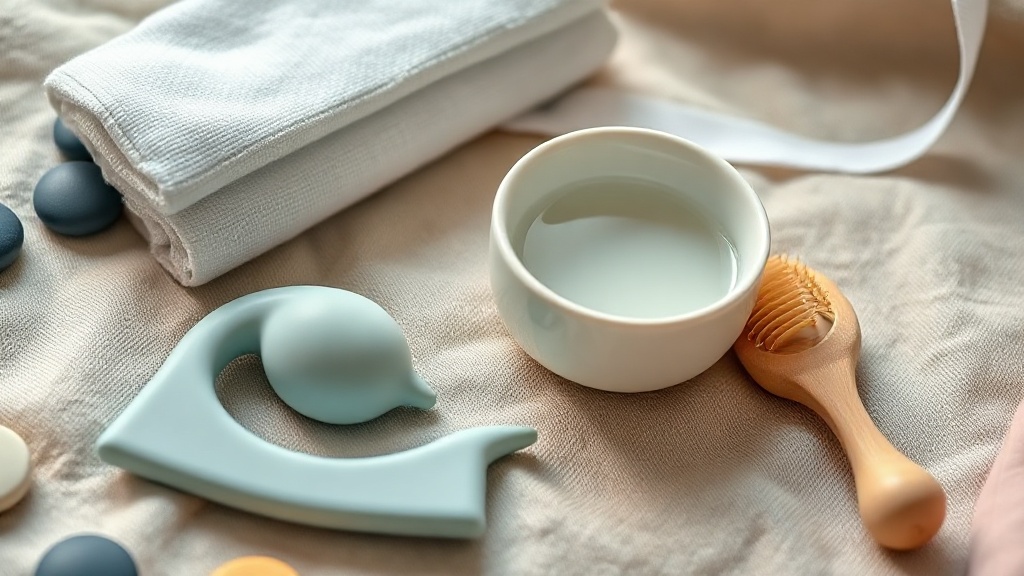
- The remedies with the best safety record are the plainest: cold, gentle counter-pressure, and keeping the drool off the skin.
- A clean, chilled (never frozen) one-piece teether and a clean-finger gum massage are the two most reliable comforts, and there is nothing to swallow or choke on.
- Amber teething necklaces are not a safe natural remedy: they carry documented strangulation and choking risks, are heavily colonised by bacteria, and have no proven benefit.
- Homeopathic and belladonna teething tablets are not harmless because they are natural. Belladonna is a genuine toxin, and a homeopathic product containing it has caused seizures in an infant.
- Skip frozen-solid or hard foods and benzocaine gels too. Safe, natural, and effective are not the same thing, and here the simplest options win.
The safest natural teething remedies are the simplest: something clean and chilled, but not frozen, to chew on, gentle counter-pressure on the gum from a clean finger or a cool washcloth, and staying on top of the drool. Skip amber necklaces, homeopathic belladonna tablets and frozen hard foods, which carry real risks and no proven benefit.
What actually soothes a sore gum
Teething discomfort comes from a tooth pushing up through the gum, which leaves that patch of tissue inflamed and tender. Two simple things counter it, and both are completely natural. The first is cold, which gently numbs the area and calms the swelling, the same instinct that makes an ice pack feel good on any bruise. The second is counter-pressure: firm, steady contact against the gum gives the nerves something to push back on and distracts from the ache, which is exactly why babies chew so determinedly on anything they can reach. Put the two together, a clean chilled teether or a cool damp washcloth to gnaw on, and you have covered most of what a sore gum actually needs. A gentle rub of the gum with a clean finger works on the same principle and has the advantage that you control the pressure. None of this is exotic, and that is the point. The most effective natural teething relief is also the least gimmicky, and it happens to be the safest.
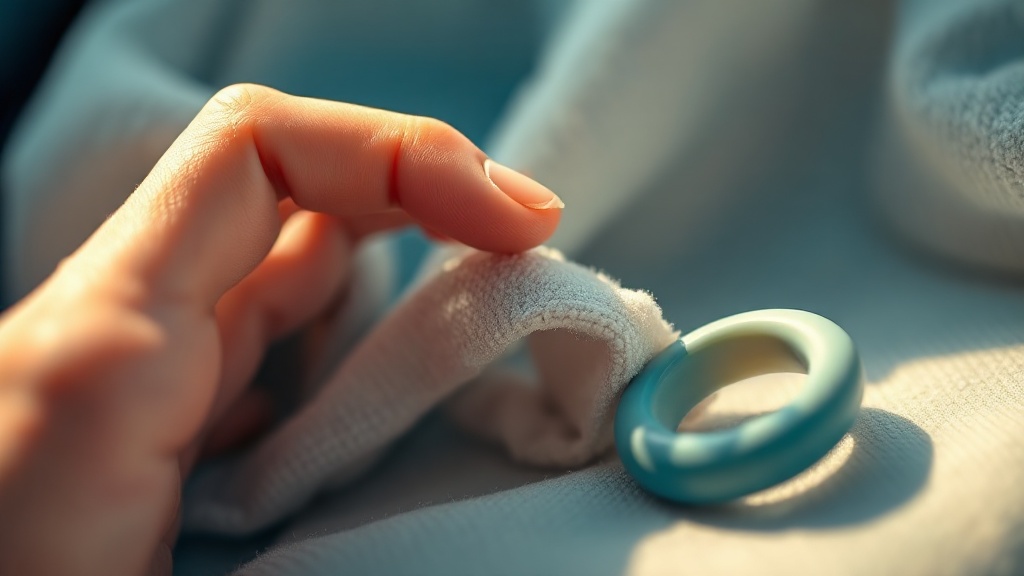
A clean-finger or cool-washcloth gum rub gives steady counter-pressure, and you control exactly how gentle it is.
What the research actually shows
Every claim below maps to a named, peer-reviewed source in the Sources section. According to PubMed.
| Claim | Evidence | Source |
|---|---|---|
| Drooling, gum irritation and irritability are the genuine teething signs (about 56%, 87% and 68% of children), so gentle comfort aimed at the gum and the drool addresses what is really happening. | Meta-analysis of primary tooth eruption signs and symptoms. | Massignan et al., 2016 |
| Unsafe teething remedies are common: in one survey 98% of families used some remedy and 67% used an unsafe one, including amber necklaces in 27%. | Survey of caregivers at routine well-child visits. | Abdulsatar et al., 2022 |
| Amber teething necklaces carry a documented strangulation risk, including a reported case of non-fatal infant strangulation on first use. | Emergency-medicine case report and review. | Cox et al., 2016 |
| Every amber necklace tested on infants was colonised by bacteria (a median of four species each), with Staphylococcus aureus on three of them, adding an infection concern to the physical risk. | Prospective bacteriological study of worn necklaces. | Machet et al., 2016 |
| Belladonna is a real toxin, not a gentle herb: a 20-day-old infant suffered serious seizures after a correct dose of a homeopathic medicine containing Atropa belladonna. | Clinical case report and literature review. | Glatstein et al., 2014 |
Safe versus unsafe natural remedies
| Remedy | Safe to use? | Why |
|---|---|---|
| Chilled (not frozen) one-piece teether | Yes | Cold plus firm counter-pressure ease the ache, with nothing to break off |
| Clean-finger or cool-washcloth gum rub | Yes | Simple and direct, and you control the pressure |
| Amber teething necklace | No | Strangulation and choking risk, heavy bacterial load, no proven benefit |
| Homeopathic or belladonna teething tablets | No | Belladonna is a genuine toxin and has been linked to infant seizures |
| Frozen-solid teethers or hard or frozen foods | No | Choking risk, and rock-hard cold can bruise the gum |
| Benzocaine numbing gel | No | Risk of methemoglobinemia, a dangerous blood condition, in young children |
The natural-sounding remedies to leave on the shelf
The word natural does a lot of quiet work in the teething aisle, and it is worth pausing on. Amber necklaces are marketed as a gentle, natural fix, but a necklace on a baby is a strangulation and choking hazard first and foremost, the beads carry a striking bacterial load, and there is no sound evidence they relieve pain at all. Homeopathic and belladonna teething tablets sound soft because they are plant-based and heavily diluted, yet belladonna is one of the classic poisons, dilution in these products has been inconsistent, and a homeopathic medicine containing it has put an infant into seizures. Frozen foods and frozen-solid teethers get recommended as natural too, but hard frozen surfaces can bruise a tender gum, and any food a baby can bite a piece off is a choking risk, with hard sweets and small food pieces being a leading cause of childhood choking. The theme is consistent: natural is not the same as safe. When a remedy asks you to hang something round a baby's neck, give a toxin by mouth, or offer a food that can break into a choke-sized piece, the natural label does not make it a good idea.
Evidence you can act on.
Occasional emails — new research, new protocols, no noise.
A safe, gentle teething-comfort routine
This is simple comfort for sore gums, not treatment for an illness. Work down the list, and lean on the first two steps, which do most of the work.
- 1
Reach for cold first
a few minutesChill a clean one-piece silicone teether or a damp washcloth in the fridge, never the freezer, and offer it. Cold calms the swelling and the firm surface gives the gum something to press against. A chilled (not frozen) washcloth twisted into a rope is a cheap favourite.
- 2
Give a gentle gum massage
1 to 2 minutesWith a clean finger or a cool damp cloth, rub the sore gum in slow circles. The steady counter-pressure is genuinely soothing, and because it is your finger you can feel exactly how firm to be. Stop if your baby turns away.
- 3
Stay ahead of the drool
through the dayTeething means drool, and drool sitting on the chin and neck can leave the skin red and sore. Dab (do not rub) it dry often with a soft cloth, and a thin layer of a plain barrier balm on the chin protects the skin. A bib saves endless outfit changes.
- 4
Add comfort and distraction
as neededExtra cuddles, a feed, a change of scene or a favourite toy genuinely help, because a distracted baby notices the ache less. Teething comes in waves; riding out the bad hour with closeness is a real remedy in itself.
- 5
Choose teethers wisely
when you buyPick solid one-piece teethers with no small parts, no liquid or gel filling that can leak, and nothing on a cord. Check the size so it cannot be swallowed, and wash it as you would a bottle. The right object is safe to chew for as long as your baby wants it.

Chilled, not frozen, and all one piece. The plainest teether is also the safest, and it covers most of what a sore gum needs.
Teething is uncomfortable but not an illness. Check in with your pediatrician or pediatric dentist if your baby seems genuinely unwell rather than just fretful, is feeding poorly, has a true fever of 38 C (100.4 F) or higher, or if you are ever tempted to reach for a medicine, gel or product to cope, so you can be guided to something safe for your child's age. A first dental visit around the time the first tooth appears, and no later than the first birthday, is also a good moment to ask any teething questions in person.
Frequently asked questions
Sources
- 1.
- 2.
- 3.
- 4.
- 5.
- 6.
- 7.

Fix your breath at the source.
The complete science-backed protocol — engineered to eliminate volatile sulfur compounds at the biological source.
Start the Breath Protocol →Related reading
Educational purposes only. The content on this page is not medical advice and is not a substitute for consultation with a qualified dental or medical professional.
More from the library
 Guides9 min
Teething Pain Relief: How to Soothe Your Baby Without Medicine
When a teething baby is in real distress, you want relief that is both effective and safe. Here is the step-by-step ladder, from cold and cuddles to careful use of medicine.
Read →→ Guides8 min
Teething and Fever: What's Normal and When to Call
A teething baby who feels warm worries every parent. Here is the honest science on teething and temperature, and the fever signs that mean it is time to call.
Read →→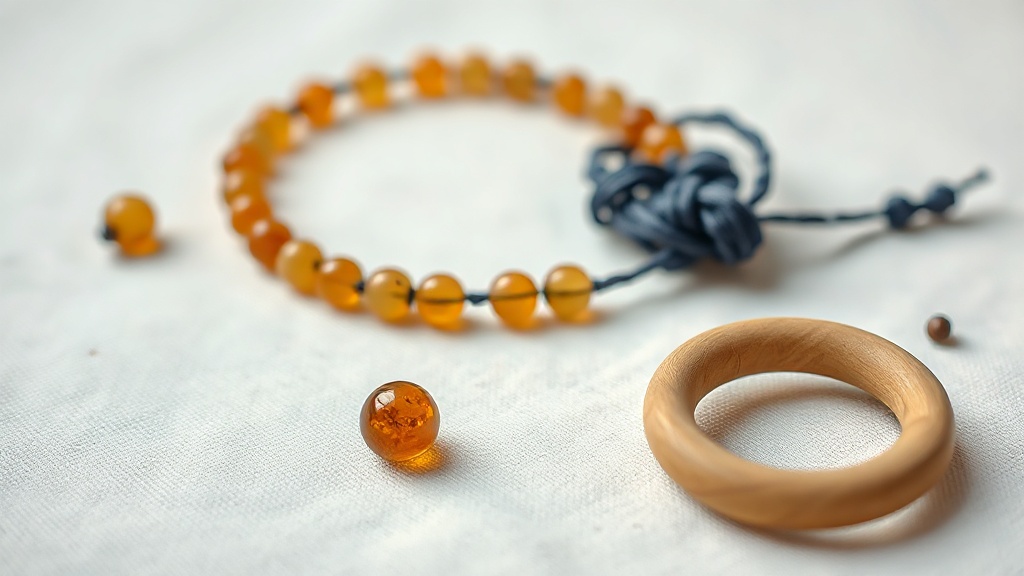 Answers8 min
Are Amber Teething Necklaces Safe? What Parents Should Know
Pediatric and safety authorities say no. Here is the honest science on the risks, the debunked succinic-acid theory, and what to soothe with instead.
Read →→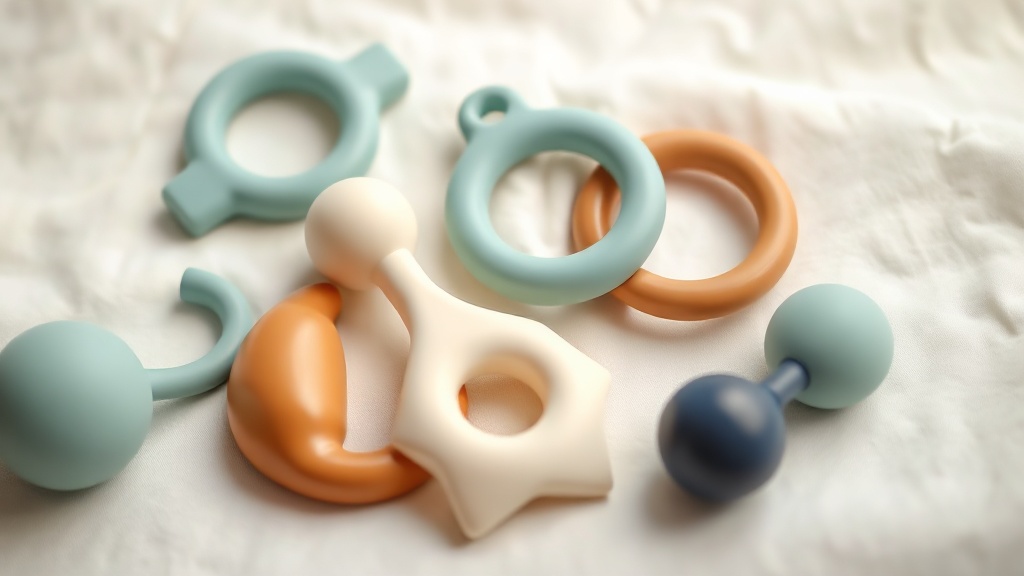 Best Of8 min
Best Teething Toys for Babies (2026): Safe, Simple Picks
Forget the gadgets. A solid, one-piece teether you can chill in the fridge is the honest best - here is how to choose one safely and what to avoid.
Read →→ Guides9 min
Early Childhood Caries: Gentle Prevention for Little Smiles
What early childhood caries is, why it happens, and the calm daily habits - diet, bottle routines, brushing, dental visits - that lower a young child's risk.
Read →→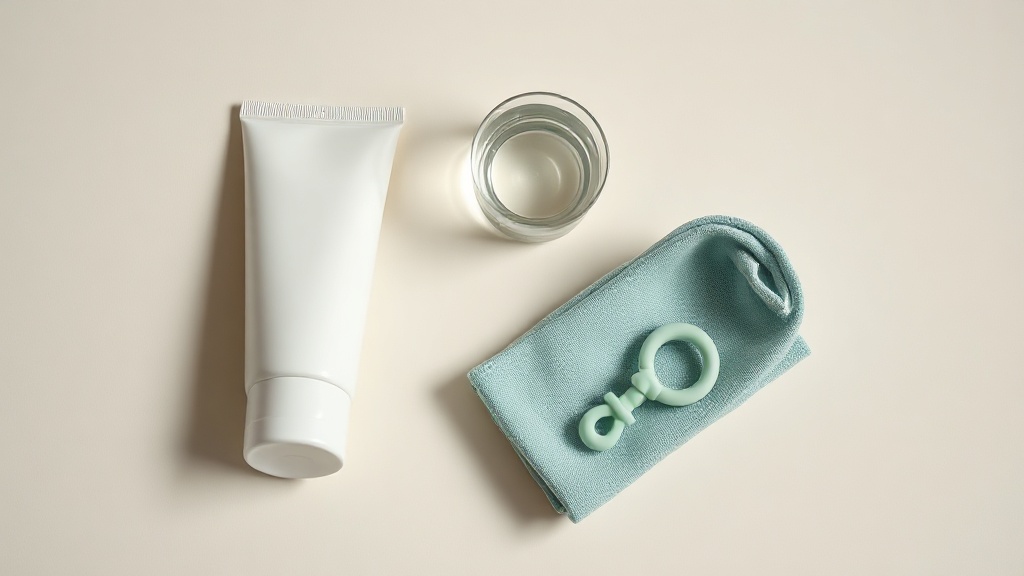 Best Of8 min
Best Teething Gel for Babies: Safer Soothing Options Compared
Why the honest best is non-medicated relief - and why the FDA warns against benzocaine and lidocaine teething gels for babies and toddlers.
Read →→