
Best Teeth Whitening Powder: What Is Safe, What Works, What to Skip
Whitening powders lift surface stain by polishing, not bleaching. The safe pick removes stain at low abrasivity; the trendy one quietly wears enamel.
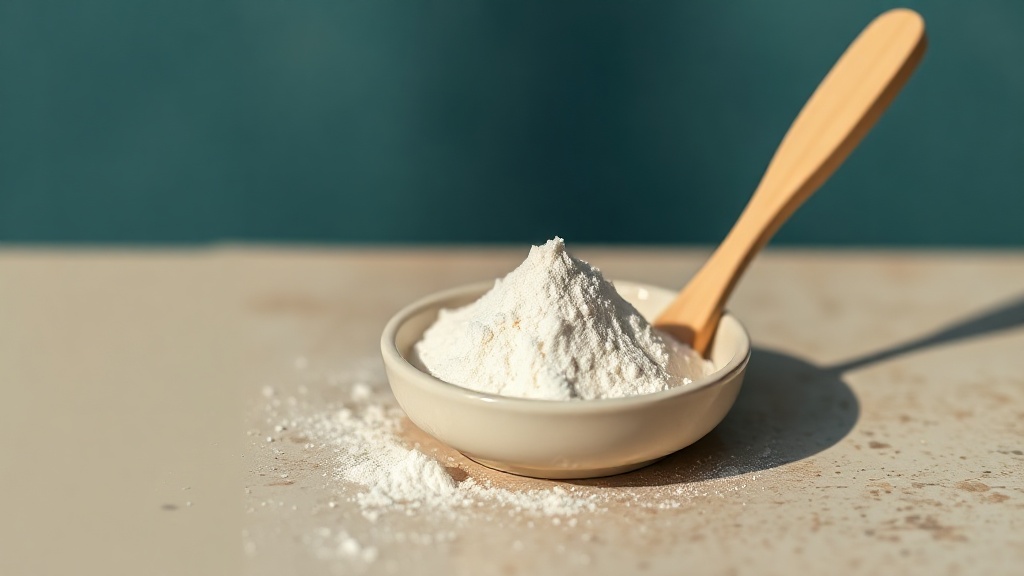
- Whitening powder is a polish, not a bleach: it lifts surface stains by mild abrasion and cannot change the deeper colour that lives inside the tooth.
- The safest and best-evidenced powder is plain baking soda, which removes stain at low abrasivity and even buffers acid in the mouth.
- Charcoal is the powder to skip: reviews find it whitens less than the alternatives and abrades more, and lost enamel does not grow back.
- Nano-hydroxyapatite powders can make teeth look brighter and smoother and help remineralise the surface, but they are shade-neutral rather than true whiteners.
- For a real change in shade you need peroxide; powders are best used to maintain brightness and control everyday staining.
The best whitening powder for most people is a low-abrasion baking-soda powder, which lifts surface stains safely and even neutralises acid. Nano-hydroxyapatite powders are a good gentle option that brightens and remineralises. Skip charcoal, which abrades more and whitens less. And remember: powders polish stains off, they do not bleach the tooth.
What a whitening powder can and cannot do
A whitening powder works by mechanics, not chemistry. When you brush with one, fine particles gently scour the outer surface of the enamel and lift away the film of stain that coffee, tea, red wine and tobacco leave behind, which collects in the thin protein layer, the pellicle, that coats every tooth. Clear that surface stain and the tooth looks noticeably cleaner and a shade or two brighter. What a powder cannot do is reach the colour that sits deeper down. Most of a tooth natural yellow-to-brown tone comes from the dentin beneath the enamel, and only a chemical bleach such as peroxide can diffuse inward and lighten it. Independent testing makes the ceiling plain: non-peroxide agents remove surface stain but produce a colour change so small it is barely perceptible, while peroxide is the only thing that truly whitens. That is not a reason to dismiss powders, it is a reason to use them for what they are genuinely good at. A well-chosen powder keeps accumulated stain in check, brightens a dulled smile, and does so without the sensitivity that comes with bleaching. The catch is that the very abrasion that lifts stain can also wear enamel if the powder is harsh or you brush too hard, which is why the choice of powder matters far more than the marketing on the jar.
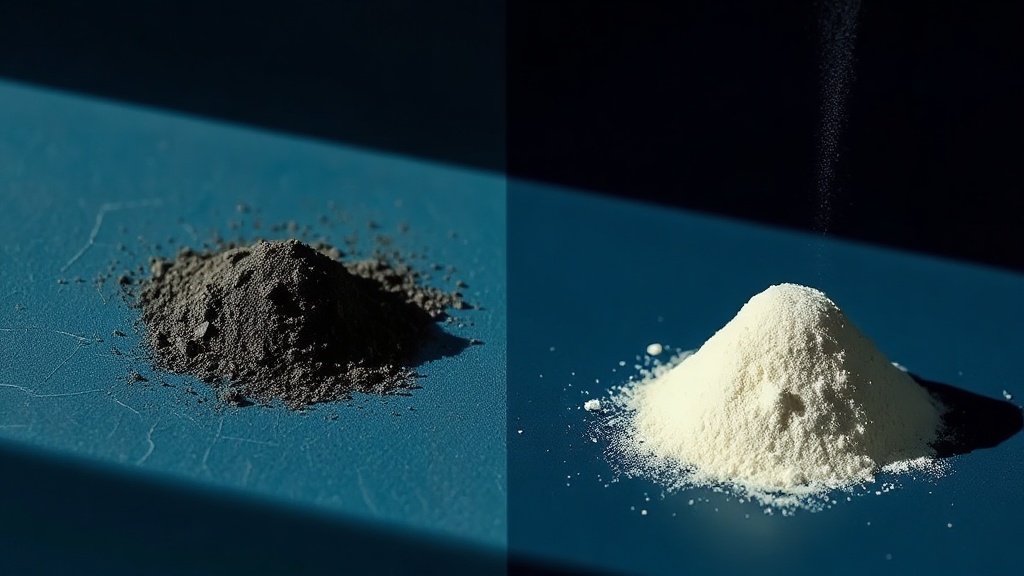
Not all powders behave alike: coarse charcoal scours and can wear enamel, while fine baking soda lifts stain at much lower abrasivity.
What the research actually shows
Every claim below maps to a named, peer-reviewed source in the Sources section. According to PubMed.
| Claim | Evidence | Source |
|---|---|---|
| Over-the-counter powders and non-peroxide agents mostly remove surface stain, whereas only peroxide oxidation genuinely whitens the tooth. | In vitro comparison of OTC agents versus hydrogen peroxide on stained human teeth. | Muller-Heupt et al., 2023 |
| Charcoal toothpastes whitened less than other options and had higher abrasive potential, and were judged less safe. | Systematic review of 11 in vitro studies. | Montero Tomas et al., 2022 |
| A baking-soda dentifrice cut extrinsic stain by 61.6% and lightened teeth by 2.57 shade units in six weeks, while a silica control barely changed. | Randomised controlled clinical trial (n=146). | Ghassemi et al., 2012 |
| Baking soda is low in abrasivity, buffers acid, and is effective and safe for stain removal, often out-cleaning more abrasive pastes. | Review of in vitro and clinical evidence. | Li, 2017 |
| A well-powered double-blind trial found a hydroxyapatite toothpaste produced no objective stain reduction versus placebo. | Randomised double-blind clinical trial with spectrophotometry (n=150). | Raoufi & Birkhed, 2010 |
The main types of whitening powder
| Powder type | How it works | Best for | Honest caveat |
|---|---|---|---|
| Baking soda (sodium bicarbonate) | Gentle low-abrasion polishing that lifts surface stain | Everyday stain control and a safe budget pick | Removes surface stain only; it will not bleach deeper colour |
| Nano-hydroxyapatite powder | Deposits a light-scattering mineral layer and remineralises | Sensitive teeth wanting a smoother, brighter look | Brightens optically; shade-neutral in bleaching trials |
| Charcoal powder | Abrasive scrubbing of the surface | Best avoided | Whitens less and abrades more; loose powder is the harshest form |
| PAP or enzyme powder | A peroxide-free oxidiser or a stain-digesting enzyme | People who want to avoid peroxide | Mostly surface-stain removal, slower and weaker than peroxide |
| Blended tooth-powder | Silica or other abrasives with flavour and minerals | People who enjoy a tooth-powder ritual | Check the abrasivity; scrubbing harder is not whiter |
The charcoal problem, and what to use instead
Charcoal is the powder everyone has seen on social media, and it is also the one the evidence argues against. A systematic review concluded that charcoal toothpastes whiten less than the alternatives and carry a higher abrasive potential, making them, in the authors words, less safe. That matters because abrasion is not reversible: as one widely shared community warning puts it, you cannot get enamel back. Loose charcoal powder is the harshest form of all, since there is nothing to temper the grit. The reassuring news is that the genuinely good option is also the cheapest. Baking soda is low in abrasivity, buffers acid in the mouth, and is effective and safe for removing stain, in several studies out-cleaning pastes that are far more abrasive. Crucially, how well a powder removes stain is not tied to how hard it scours, so you do not need a gritty product to get a cleaner, brighter surface. Nano-hydroxyapatite powders are a pleasant third route: they lay down a thin, light-scattering mineral layer that can make enamel look smoother and brighter and help it remineralise, though in controlled bleaching trials they are shade-neutral rather than true whiteners. The honest hierarchy is simple: reach for baking soda or hydroxyapatite, treat charcoal as a trend to skip, and use any powder to maintain brightness rather than to manufacture it.
Evidence you can act on.
Occasional emails — new research, new protocols, no noise.
How to use a whitening powder safely
A powder can keep your smile bright for pennies if you respect the one risk that comes with it, which is abrasion. None of this treats a medical condition; it simply keeps surface stain in check without wearing the enamel.
- 1
Choose a low-abrasion powder
once, at purchaseFavour baking soda or nano-hydroxyapatite and steer clear of gritty charcoal. If a jar lists an abrasivity or RDA value, lower is gentler. The goal is a powder that lifts stain without scouring the surface it sits on.
- 2
Use a soft brush and a light hand
2 minutesLet the powder do the work with gentle circles rather than pressure. Hard scrubbing and medium or firm bristles are what turn a harmless polish into enamel wear, so ease off and keep the touch light.
- 3
Keep it occasional, not obsessive
a few times a weekSurface-stain removal has a natural ceiling, and brushing with powder every single day mostly adds wear rather than whiteness. A few considered uses a week maintains the result far better than daily scrubbing.
- 4
Protect the enamel you are polishing
ongoingMany powders contain no fluoride, so keep a fluoride or remineralising toothpaste in your routine to shore the surface back up. Avoid pairing powder with acidic drinks in the same window, when enamel is softest.
- 5
Set honest expectations
ongoingA powder brightens and maintains; it does not bleach. If your teeth are genuinely darker than you want, a peroxide gel is the tool that changes shade, and a powder is what keeps that result looking fresh afterwards.
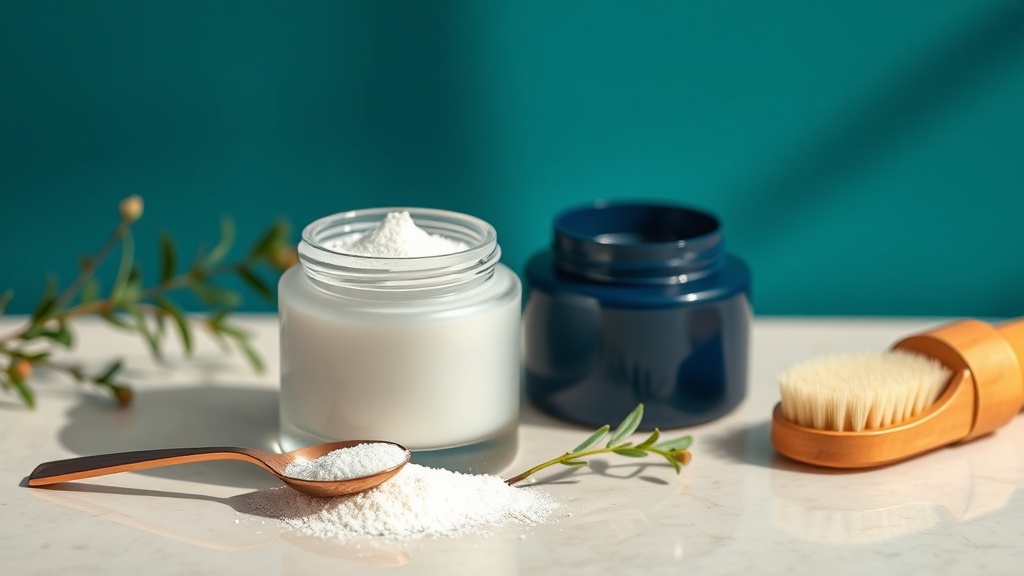
Nano-hydroxyapatite and baking-soda powders are the enamel-friendly picks: they brighten and smooth the surface without the abrasion of charcoal.
Whitening powder is a cosmetic surface polish, and it works only on stains that sit on the outside of the enamel. See a dentist if the discoloration is grey, banded, or concentrated in a single dark tooth, which usually means the colour is inside the tooth where a powder cannot reach. Book a check, too, if you notice notching or sensitivity along the gumline, since that can signal abrasion or gum recession that harder brushing will only worsen. A professional clean removes stubborn stain safely and can tell you whether a powder is helping or slowly costing you enamel.
Frequently asked questions
Sources
- 1.
- 2.
- 3.
- 4.
- 5.
- 6.
- 7.

Fix your breath at the source.
The complete science-backed protocol — engineered to eliminate volatile sulfur compounds at the biological source.
Start the Breath Protocol →Related reading
Educational purposes only. The content on this page is not medical advice and is not a substitute for consultation with a qualified dental or medical professional.
More from the library
 Answers8 min
Does Teeth Whitening Damage Enamel? The Evidence-Based Answer
The honest, evidence-based answer to whether whitening harms enamel — what peroxide really does to the surface, why sensitivity is not damage, and the DIY methods that actually cause wear.
Read →→ Answers8 min
Does Coconut Oil Whiten Teeth? An Honest, Evidence-Based Answer
An honest look at the coconut oil whitening claim, what the research on oil pulling really measured, and the gentle methods that actually work.
Read →→ Comparisons8 min
Carbamide Peroxide vs Hydrogen Peroxide for Teeth Whitening: Which Works Better?
An evidence-based comparison of the two whitening peroxides, what actually separates them, and how to choose by format and comfort rather than by the biggest number.
Read →→ Answers8 min
Do Whitening Strips Damage Enamel? What Studies Show
An evidence-based look at whether whitening strips harm enamel: what peroxide really does to the surface, why softening is reversible, and how sensitivity differs from damage.
Read →→ Answers8 min
Does Baking Soda Whiten Teeth? What the Evidence Says
An honest look at what baking soda can and cannot do for a whiter smile.
Read →→ Best Of9 min
Best Fluoride-Free Whitening Toothpaste: An Honest, Evidence-Based Guide (2026)
Which fluoride-free whitening ingredients hold up to the research — and which are marketing. An honest buyer's guide.
Read →→