Best Teeth Whitening Light: LED & Blue-Light Devices Compared
An honest buyer's guide to whitening lights: what the LED glow really does, why the gel is doing all the work, and how to choose a kit that is worth it.
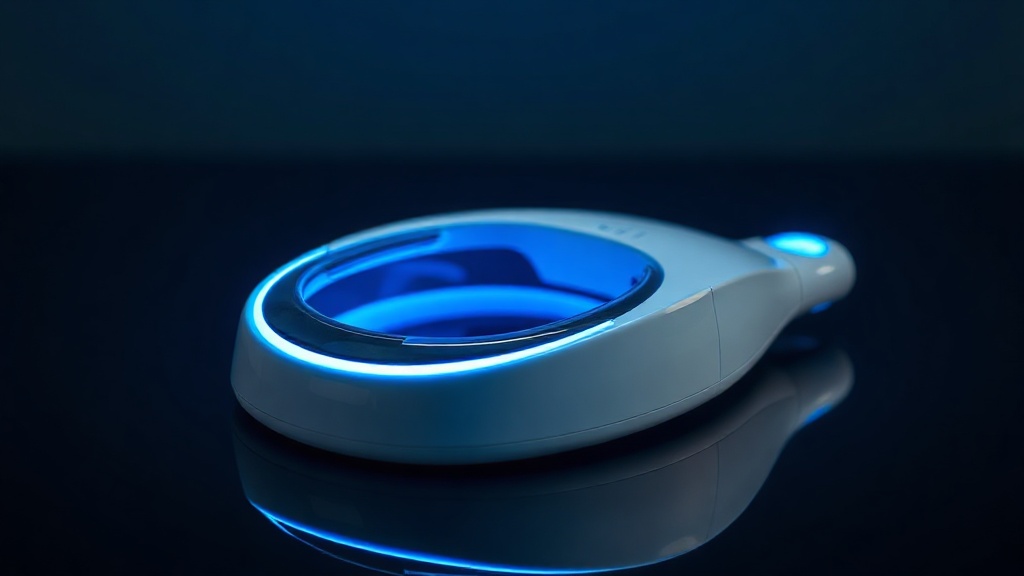
- The headline finding across the best evidence is blunt: adding an LED or laser light to a peroxide gel produces no extra whitening compared with the same gel used without any light.
- The light also makes no difference to sensitivity, and any apparent early edge from a light has vanished by the one-month mark.
- What actually whitens is the peroxide, whose effect is set by concentration and contact time — so the gel and how long you wear it are what matter, not the glow.
- Violet or purple LED devices are a partial exception: single trials show a small, contested effect from the light itself, with low sensitivity, but it is modest and not confirmed by the larger analyses.
- The best whitening light kit is really the one attached to a proven gel, comfortable to wear, and free of UV — you are buying a good gel and a nice experience, not a whitening accelerator.
Whitening lights look high-tech, but network meta-analyses of dozens of trials show the light adds no whitening over the same peroxide gel used without it, and no change in sensitivity. Choose a kit for its gel strength, comfort and fit rather than its LED. Violet-light devices show a small contested effect, and UV lights should be avoided outright. Treat the light as a pleasant extra, not the thing doing the work.
What a whitening light is supposed to do
The pitch behind every glowing mouthtray is that the light activates or accelerates the whitening gel, so you get more colour change in less time. It is an appealing idea, and the blue glow certainly feels like science happening. The problem is that when researchers pool the actual trials, the light does not deliver. Whitening is a chemical reaction: peroxide breaks down and oxidises the coloured molecules in the tooth, and how far it goes depends on the concentration of the gel and how long it stays in contact. A lamp shining on the outside of the tooth does not meaningfully change that reaction for the everyday hydrogen-peroxide and carbamide-peroxide gels these kits use. So while a light kit can absolutely whiten your teeth, it is the gel in the tray doing the whitening — the same gel would work just as well in the dark. That single fact reframes the whole buying decision: you are not shopping for the best light, you are shopping for the best gel with a comfortable delivery system.
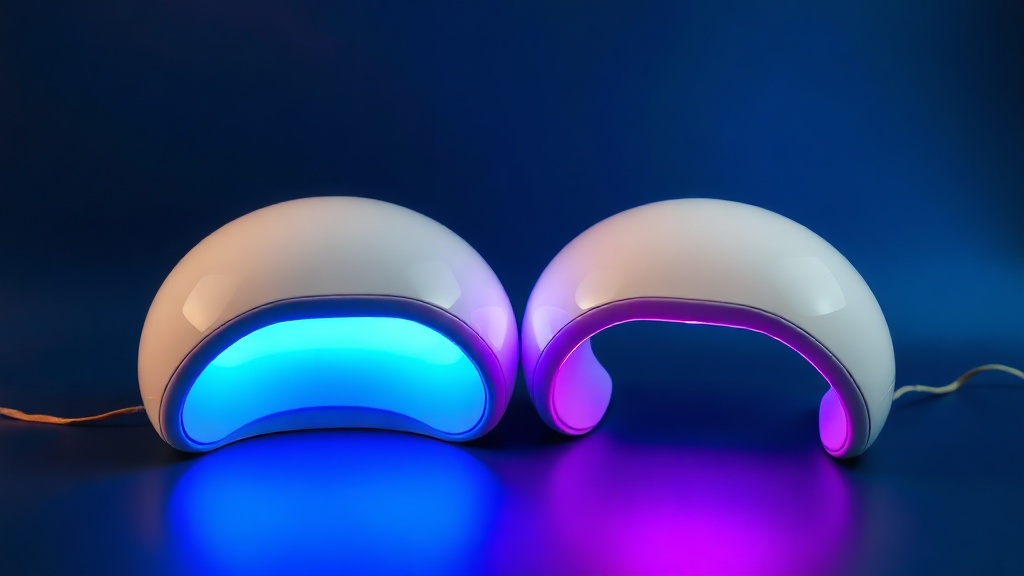
Blue versus violet: most kits use blue LEDs, which the evidence says add nothing; violet devices show only a small, contested effect.
What the research actually shows
Every claim below maps to a named, peer-reviewed source in the Sources section. According to PubMed.
| Claim | Evidence | Source |
|---|---|---|
| Adding any light or laser to an in-office peroxide gel produced no additional whitening, at any peroxide concentration. | Bayesian network meta-analysis of 28 randomised trials. | Maran et al., 2019 |
| Light activation also made no difference to the risk or intensity of tooth sensitivity. | Companion network meta-analysis of 32 randomised trials. | Moran et al., 2021 |
| Any apparent early advantage from a light had disappeared by one month after treatment. | Randomised in-office clinical trial with follow-up. | Alomari & El Damanhoury, 2010 |
| What actually whitens is the peroxide, whose effect is driven by concentration multiplied by contact time. | Reference review of the bleaching mechanism. | Joiner, 2006 |
| Even violet-LED light used on its own delivers only a limited cosmetic benefit compared with peroxide. | Clinical study of aesthetic perception after violet-LED bleaching. | Zanin et al., 2025 |
Whitening light types compared
| Device type | What the light claims | What the evidence says |
|---|---|---|
| Blue-light LED mouthtray kit | Speeds up and boosts the gel | No added whitening over the same gel used with no light |
| Violet / purple LED device | Whitens with light alone | A real but contested small effect in single trials; low sensitivity |
| In-office laser whitening | The laser accelerates bleaching | A marketing term; the meta-analysis found no benefit from the light |
| UV-light devices | Powerful activation | No proven whitening benefit and UV carries its own risks — avoid |
| No-light strips or trays | Makes no light claim | Whiten just as well; the peroxide gel is what does the work |
So why do the kits still ship with a light?
If the light does not whiten, why is one in almost every box? Part of the answer is experience and expectation. A glowing device makes the routine feel active and premium, and there is genuine evidence that people report feeling more satisfied with whitening even when the measured colour change is small — perception matters in a cosmetic category. Part of it is simple marketing: laser whitening and blue-light activation are powerful phrases, even though the pooled trials do not support them. The violet-light kits are the one nuance worth respecting. A handful of single studies suggest a violet wavelength may nudge the look of teeth on its own, with notably low sensitivity, though the effect is small and the big analyses have not confirmed it. None of this makes light kits a scam — many contain perfectly good gel and are pleasant to use. It just means the light should be a tie-breaker at most. When you choose, judge the peroxide concentration, the fit of the tray, the wear time and the sensitivity profile first, and treat the glow as a bonus rather than the reason to buy.
Evidence you can act on.
Occasional emails — new research, new protocols, no noise.
How to choose a whitening light kit wisely
Since the light is not the active ingredient, a good buyer's checklist ignores the glow and focuses on what actually changes your tooth colour safely.
- 1
Judge the gel, not the glow
before you buyLook at the peroxide type and concentration, since that plus wear time is what whitens. A kit with a sensible gel and a dim light beats a dazzling light paired with a token amount of gel every time.
- 2
Favour comfort and full wear time
each sessionBecause whitening is time-driven, a tray you will actually keep in for the recommended period matters more than raw power. A comfortable, well-fitting mouthpiece you tolerate for the full session outperforms a fancier device you cut short.
- 3
Treat the light as optional
ongoingIf a kit works for you, keep using it — but know you are not losing whitening power on the days you skip the light. Do not pay a large premium for the lamp itself, and do not expect it to rescue a weak gel.
- 4
Avoid UV-light devices entirely
alwaysUV activation offers no proven whitening advantage and introduces its own risks. Stick to LED or, better, judge kits on their gel and skip UV-marketed products altogether.
- 5
Match the kit to your sensitivity
as neededThe light will not change how sensitive whitening feels, so if your teeth react, choose a lower-concentration gel or a violet-light option with a gentle profile, and space out sessions. A dentist can advise if sensitivity is a recurring problem.
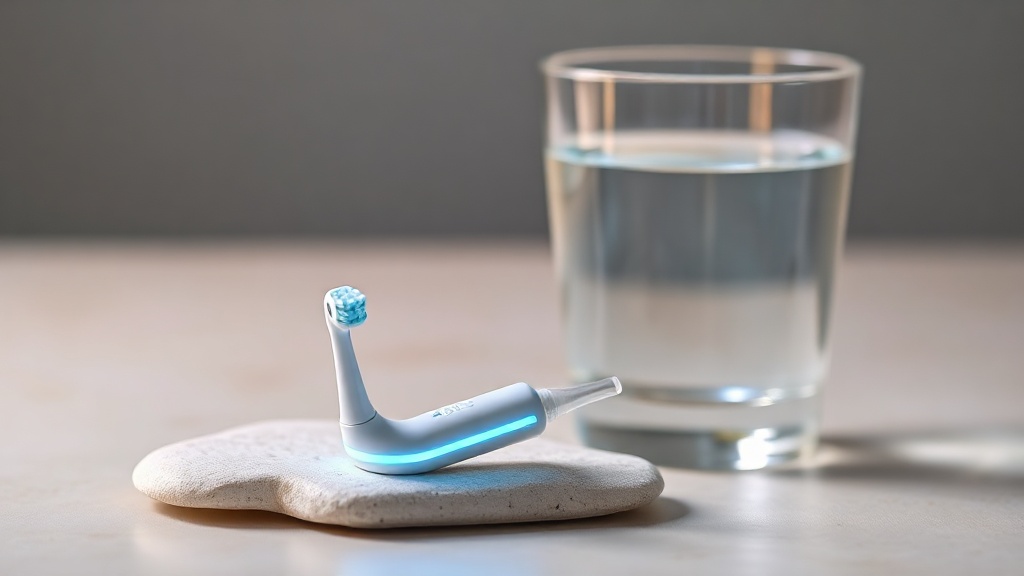
The glow is the experience; the gel is the result. Choose a kit for its peroxide and fit, and treat the light as a pleasant extra.
A whitening light is a cosmetic gadget, but the peroxide it delivers still deserves care. See a dentist before using a light kit if you have crowns, veneers or fillings on your front teeth (they will not whiten and may end up mismatched), if you have gum recession, untreated sensitivity or visible decay, or if you are pregnant or breastfeeding. If a device ever causes gum burning, sharp pain or lasting sensitivity, stop and get it checked in person.
Frequently asked questions
Sources
- 1.
- 2.
- 3.
- 4.
- 5.
- 6.
- 7.
- 8.
Fix your breath at the source.
The complete science-backed protocol — engineered to eliminate volatile sulfur compounds at the biological source.
Start the Breath Protocol →Related reading
Educational purposes only. The content on this page is not medical advice and is not a substitute for consultation with a qualified dental or medical professional.
More from the library
 Best Of8 min
Best Teeth Whitening Gel (2025): Dentist-Tested Picks for Every Budget
Whitening gel is the only at-home format that genuinely bleaches teeth. Pick the right concentration and delivery, and contact time does the rest.
Read →→ Best Of8 min
Best Teeth Whitening Trays: Boil-and-Bite vs Custom
A whitening tray does not bleach; it controls contact time and protects the gums. Fit is what separates even, comfortable results from patchy ones.
Read →→ Answers9 min
Does Teeth Whitening Hurt? Why It Happens and How to Prevent It
The sting is common but manageable — and the real levers are lower concentration and shorter wear time, not gimmicks.
Read →→ Guides8 min
How to Whiten Teeth at Home in One Day (Realistic, Enamel-Safe Methods)
The honest, evidence-based answer: real bleaching takes time, but you can safely lift surface stains and look a shade brighter in a single day.
Read →→ Answers8 min
Does Teeth Whitening Damage Enamel? The Evidence-Based Answer
The honest, evidence-based answer to whether whitening harms enamel — what peroxide really does to the surface, why sensitivity is not damage, and the DIY methods that actually cause wear.
Read →→ Answers8 min
Does Baking Soda Whiten Teeth? What the Evidence Says
An honest look at what baking soda can and cannot do for a whiter smile.
Read →→