Best Saliva Substitutes for Dry Mouth
A plain-English guide to what saliva substitutes are, which ingredients and formats exist, and what the evidence honestly says about the comfort they offer.
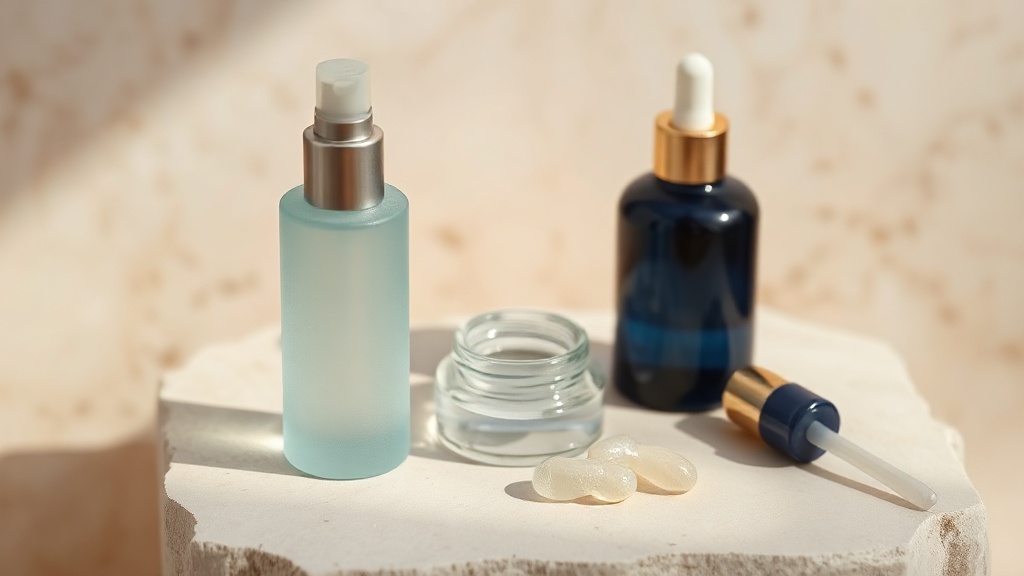
- A saliva substitute is a product designed to replace the coating and lubrication of real saliva, not to switch your glands back on. Most are built around a thickening agent such as carboxymethylcellulose (CMC), animal-derived mucin, or a glycerin base, often with xylitol added.
- The honest evidence is modest: a Cochrane review of 36 trials found no strong proof that any single topical product reliably relieves dry mouth, and symptoms can linger even when measured saliva rises.
- The best-supported spray in that review was an oxygenated glycerol triester (OGT) formula, which beat a simple electrolyte spray by about two points on a ten-point dryness scale.
- Substitutes (which coat) and stimulants such as sugar-free gum and xylitol (which coax your own saliva) do different jobs; many people layer a gel or spray for coating with gum for stimulation.
- Comfort, not saliva production, is the realistic goal. A saliva substitute soothes the feeling of dryness for a while; it is a symptom-comfort tool, not something that fixes the underlying reason your mouth is dry.
A saliva substitute is a gel, spray, or rinse that mimics the coating and lubrication of real saliva. Most are built on carboxymethylcellulose, mucin, or glycerin, often with xylitol added. The evidence shows modest, temporary comfort rather than a fix, so pick by format and feel, and layer with gum for stimulation.
What a saliva substitute actually is
Real saliva is far more than water. It is a thin, slippery film of water, salts, and large sticky proteins called mucins that cling to the surfaces of your mouth, hold moisture against the tissue, and let your tongue, cheeks, and teeth glide past one another. When that film thins, everything feels dry, sticky, and raw. A saliva substitute is an attempt to rebuild that film from the outside. Rather than trying to squeeze more liquid out of tired glands, it lays down a moisture-holding, lubricating layer of its own. Most substitutes are built on one of three backbones. Carboxymethylcellulose (CMC) and related cellulose gums are plant-derived thickeners that give a slippery, water-holding coat. Mucin-based products use animal mucins, often from pig stomach, to more closely copy the real protein network of saliva. Glycerin-based formulas rely on a humectant that pulls and holds water at the surface. To these, makers commonly add xylitol (a tooth-friendly sweetener that mouth bacteria cannot ferment), electrolytes, and sometimes fluoride. What none of them do is switch your own glands back on. That is the single most important thing to understand, and it shapes every honest expectation below.
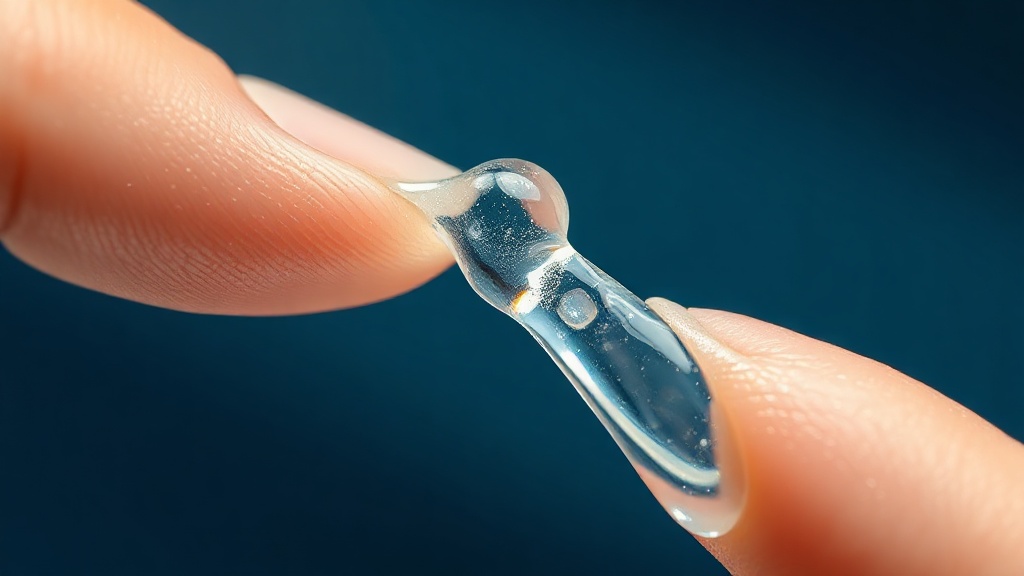
A saliva substitute works by laying down a slippery, moisture-holding film, the job real mucins normally do.
What the research actually shows
Every claim below maps to a named, peer-reviewed source in the Sources section. According to PubMed.
| Claim | Evidence | Source |
|---|---|---|
| No single topical product reliably relieves dry mouth; the clearest signal was an oxygenated glycerol triester (OGT) spray, about two points better than an electrolyte spray on a ten-point scale. | Cochrane review, 36 RCTs, 1,597 participants (only 1 at low risk of bias). | Furness et al., 2011 |
| Dry-mouth symptoms can persist even when saliva production rises, so a product can help how the mouth feels without changing flow, and vice versa. | Cochrane review of non-pharmacological interventions. | Furness et al., 2013 |
| Three different saliva substitutes each reduced dryness versus baseline, but none reached the pre-set target of halving the symptom, partial relief rather than resolution. | Multicentre crossover randomised trial. | Salom et al., 2015 |
| A moisturizing gel and an edible jelly both significantly improved dry-mouth and swallowing scores after radiotherapy. | Randomised trial, n=62, p<0.0001. | Nuchit et al., 2019 |
| An overnight xylitol adhering disc raised perceived night-time wetness more than threefold and eased morning discomfort. | Small uncontrolled pilot, n=15, promising rather than proof. | Burgess & Lee, 2011 |
The main ingredient families and formats
| Ingredient / format | What it does | Best suited to |
|---|---|---|
| Carboxymethylcellulose (CMC) gel or spray | Plant-based gum that coats and holds water | General daytime dryness; widely available |
| Mucin-based rinse or spray | Animal mucins that mimic real saliva proteins | People wanting the closest feel to natural saliva |
| Glycerin / humectant gel | Draws and holds moisture at the surface | Overnight coating and sticky-dry relief |
| Oxygenated glycerol triester (OGT) spray | Lipid-based spray with the strongest trial signal | Those who want the best-evidenced spray to try first |
| Xylitol lozenge or overnight disc | Tooth-friendly; adds mild stimulation and long contact | Night-time comfort and slow, steady coating |
Substitute or stimulant, and why flow is not the whole story
It helps to split dry-mouth products into two camps. Substitutes, the gels, sprays, rinses, and coating discs, replace the film you are missing. Stimulants, such as sugar-free gum, xylitol, and mild acids like malic acid, nudge your own glands to release more of their own saliva. The two are not rivals; they solve different halves of the problem, and many people do best layering them: a substitute for a protective coat, a stimulant for a genuine if modest trickle of the real thing. Which camp helps depends on how much working gland tissue remains. Stimulants only do something if your glands can still respond, which is why chewing gum can lift saliva in someone whose dryness comes from medication, yet does little for someone whose glands were heavily affected by radiation. For that person, a coating substitute is often the more realistic comfort. And here is the honest catch that runs through all of it: in trials, the feeling of dryness and the measured amount of saliva do not always move together. People can produce a little more saliva and still feel dry, or feel better with no measurable change at all. That is why the right way to judge a saliva substitute is simply whether it makes your mouth more comfortable to live in, not whether a label promises to boost your saliva.
Evidence you can act on.
Occasional emails — new research, new protocols, no noise.
How to choose and use a saliva substitute
There is no single winner, so the sensible approach is to match the format to your worst moments and keep expectations honest. None of this addresses why your mouth is dry; it makes the dryness easier to live with.
- 1
Start with your hardest time of day
1 minuteIf dryness peaks overnight, lean toward a thick gel or a slow-dissolving overnight disc that stays put for hours. If it is worst while talking or eating, a spray or rinse you can reuse on demand is more practical. Buy a small size first, because feel beats marketing.
- 2
Try a coating gel or spray as your base
as neededA CMC, mucin, or glycerin gel gives the longest-lasting coat; a spray is easier to reapply through the day. The best-evidenced spray format in the Cochrane review was an oxygenated glycerol triester (OGT) formula, so it is a reasonable first spray to try.
- 3
Add a stimulant if your glands still respond
throughout the daySugar-free (xylitol) gum or lozenges can lift your own saliva modestly and make a useful partner to a coating product. Gum helps most when some gland function remains; it does little in severe dryness, and that is expected rather than a failure of the product.
- 4
Favour xylitol and fluoride; go easy on sugar and strong acid
ongoingBecause dry mouth leaves teeth more exposed, choose sugar-free products; xylitol is a tooth-friendly sweetener. A dry mouth is one of the strongest risk factors for tooth decay, so many people pair a substitute with a high-fluoride toothpaste on a dentist advice. Go easy on very acidic sprays, which can wear enamel over time.
- 5
Judge it by comfort over a week
7 daysGive one product a fair run before switching. If nothing brings relief, or if your dryness is getting worse, that is a signal to see a professional rather than keep buying, because the cause may need attention no substitute can provide.
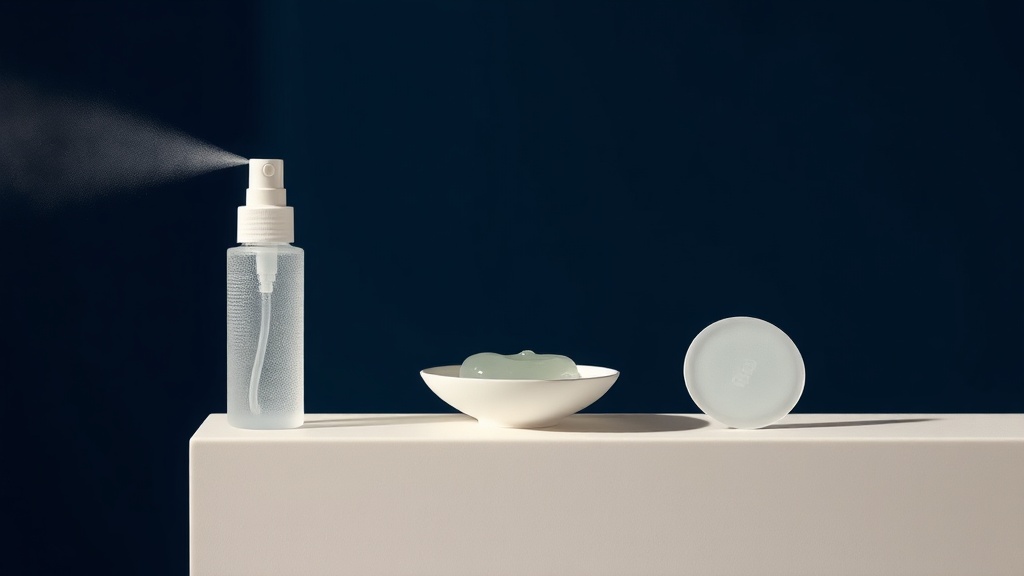
Sprays, gels, and slow-dissolving discs each coat the mouth differently; the best format is the one that fits your worst moments.
Saliva substitutes are comfort tools, not answers to why your mouth is dry. See a dentist or doctor if dryness is constant, is getting worse, comes with dry eyes, follows a new medication, or is making eating, speaking, or sleeping hard. Never stop or change a prescribed medicine on your own to chase relief; ask the prescriber whether an alternative is possible. Persistent dryness also raises the risk of tooth decay, so more frequent dental check-ups are worth arranging.
Frequently asked questions
Sources
- 1.
- 2.
- 3.
- 4.
- 5.
- 6.
- 7.
- 8.
- 9.

Fix your breath at the source.
The complete science-backed protocol — engineered to eliminate volatile sulfur compounds at the biological source.
Start the Breath Protocol →Related reading
Educational purposes only. The content on this page is not medical advice and is not a substitute for consultation with a qualified dental or medical professional.
More from the library
 Best Of8 min
Best Dry Mouth Sprays: What the Evidence Actually Shows
The honest, evidence-led guide to choosing a dry mouth spray that genuinely eases the dry feeling.
Read →→ Best Of8 min
Dry Mouth Lozenges: What Actually Works, and What to Look For
How dry-mouth lozenges really work, which type fits which situation, and the honest limits of what a lozenge can do.
Read →→ Reviews8 min
Does Biotene Work? An Honest Review
What Biotene is, what the evidence really shows, and who it helps — an honest, balanced review.
Read →→ Best Of9 min
Best Dry Mouth Rinse
An honest, evidence-based guide to choosing a dry mouth rinse that soothes without making dryness worse.
Read →→ Guides8 min
How to Fix Dry Mouth: An Evidence-Based Guide
Dry mouth is usually manageable once you know what is driving it and which supportive habits actually move the needle.
Read →→ Guides8 min
Dry Mouth at Night: Why It Happens and How to Sleep Easier
Nighttime dryness is common because your saliva naturally slows while you sleep, and a few targeted habits can make a real difference.
Read →→