Best Dry Mouth Sprays: What the Evidence Actually Shows
The honest, evidence-led guide to choosing a dry mouth spray that genuinely eases the dry feeling.
- A dry mouth spray is a quick, portable way to re-wet the mouth and ease the dry feeling. It coats the tissues with a moisture film; it does not switch your salivary glands back on.
- The best-studied spray ingredient is an oxygenated glycerol triester (OGT) formula, which beat a plain electrolyte spray by roughly 2 points on a 10-point dryness scale in the largest review of topical therapies.
- Malic-acid (gustatory) sprays can make the mouth feel less dry, but the newest analysis found they improve comfort without reliably raising measured saliva, and acid can be erosive, so choose formulas buffered with fluoride and xylitol.
- No spray reliably relieves dry mouth for everyone: a landmark review of 36 trials found no strong evidence any single topical works, and comfort does not always track with saliva flow.
- A spray is a daytime, on-the-go comfort tool. If your dryness is worst overnight, a longer-lasting gel or an overnight adhering disc usually outperforms a mist that fades within the hour.
The best dry mouth spray is the one you will actually reach for through the day, a fine mist that re-wets and coats the mouth to ease the dry feeling. The evidence favours oxygenated-glycerol (OGT) and buffered malic-acid formulas. No spray cures dry mouth or replaces saliva; it buys comfortable minutes, not a permanent fix.
What a dry mouth spray actually does
Saliva is not a puddle; it is a paper-thin film spread across every surface of your mouth. The dry, sticky feeling arrives when that film thins out, and it is thinnest of all across the hard palate, where the coating can be just a few micrometres deep. A spray works by laying down a temporary moisture layer where your own saliva has gone missing. That is genuinely useful, but it is worth being honest about the ceiling: a spray mimics the wetness and slipperiness of saliva without replacing the enzymes, minerals and antibacterial proteins real saliva carries. Sprays fall into two broad families. Humectant and lipid-based formulas, the best known being oxygenated glycerol triester (OGT), coat the tissues and hold water against them, so the mouth simply feels wetter for longer. Gustatory sprays, usually built around a mild acid such as malic acid, take a different route: the sour taste and the tingling of oral sensory channels coax any remaining gland tissue to release a little more saliva. The catch with that second type is that it only has something to work with if some gland function remains, which is why the same spray can feel transformative for one person and pointless for another.
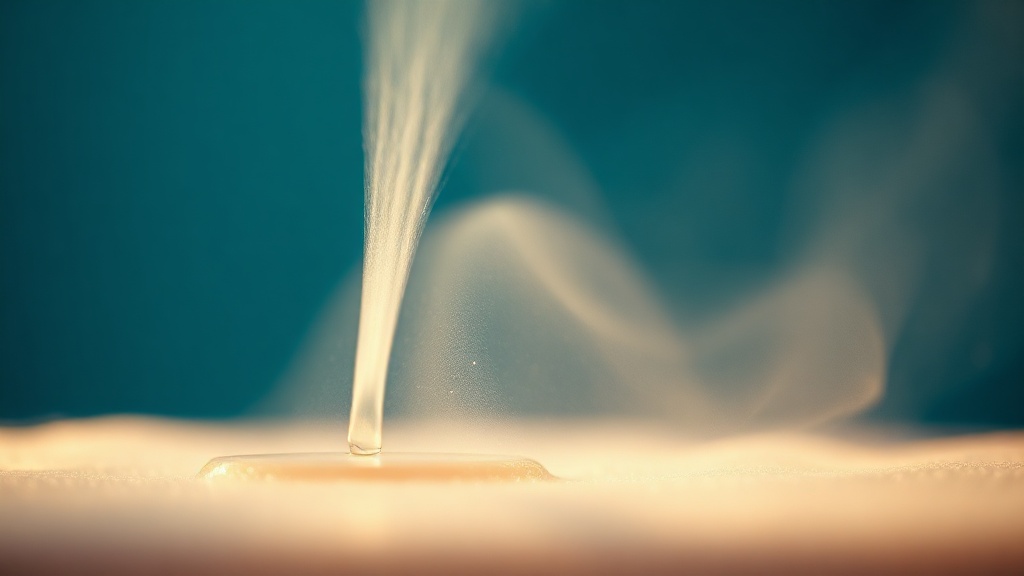
A spray works by laying a thin moisture film over tissues where your own saliva has thinned, most noticeably across the palate.
What the research actually shows
Every claim below maps to a named, peer-reviewed source in the Sources section. According to PubMed.
| Claim | Evidence | Source |
|---|---|---|
| The clearest topical signal in the largest review was an oxygenated glycerol triester (OGT) spray, which beat an electrolyte spray by SMD 0.77, about 2 points on a 10-point dryness scale. | Cochrane review of 36 randomised trials (1,597 participants). | Furness et al., 2011 |
| A 1% malic-acid spray improved dry-mouth symptom scores and raised measured saliva versus placebo. | Systematic review and meta-analysis of 5 RCTs (244 patients). | Liu et al., 2022 |
| In older adults, malic acid reduced dry-mouth symptoms but pooled saliva-flow rates showed no significant change, so lead with comfort, not more saliva. | 2025 systematic review and meta-analysis in older adults. | Spirig et al., 2025 |
| There is no strong evidence that any single topical therapy reliably relieves dry mouth, and symptoms can persist even when saliva production rises. | Cochrane topical and non-pharmacological reviews. | Furness et al., 2011 and 2013 |
| Acid-based gustatory sprays are erosive to enamel, which is why trials deliberately co-formulate them with fluoride and xylitol. | Randomised controlled trial of a buffered malic-acid spray. | Niklander et al., 2018 |
The main types of spray, compared
| Spray type | How it helps | Best for | Watch-outs |
|---|---|---|---|
| Oxygenated glycerol (OGT) / lipid-based | Coats and holds a moisture film on the tissues | Best-evidenced all-round daytime comfort | Effect fades within roughly an hour |
| Buffered malic-acid (gustatory) | Sour taste cue coaxes any remaining glands and the mouth feels less dry | People who still have some gland function | Acidic, so choose formulas buffered with fluoride and xylitol |
| Electrolyte / water-based | A simple re-wetting mist | Light or occasional dryness | Weakest signal and very short-lived |
| Plain water | Free, instant re-wetting anytime | In a pinch, anywhere | Evaporates fastest and leaves no coating |
Why a spray is a daytime tool, not an overnight fix
Your saliva flow naturally falls to its lowest as you sleep, which is exactly when many people feel driest and wake with a parched, sticky mouth. A spray is poorly suited to that window, because most re-wetting mists fade within an hour and you are not awake to reapply them. For overnight dryness, formats that stay put do more: a thicker moisturising gel clings for longer, and an overnight adhering disc slowly releases moisture through the night. There is a second reason to judge a spray by your own experience rather than its label. In the controlled trials, the placebo spray also significantly reduced dry-mouth scores, meaning a good chunk of the relief people feel comes from the act of misting a cool, pleasant liquid into a dry mouth. That is not a criticism; comfort is comfort. But it does mean the honest test of any spray is a simple one: does it make your day noticeably easier over a couple of weeks of real use? If yes, it is the right spray for you, regardless of which clever ingredient is on the front.
Evidence you can act on.
Occasional emails — new research, new protocols, no noise.
How to choose and use a dry mouth spray
None of this treats a disease. It is about picking a spray that fits your worst moment and using it so it actually helps.
- 1
Match the format to your driest moment
1 minuteIf your mouth is worst during meetings, commutes and conversations, a pocket spray is ideal. If it is worst in bed, keep a spray for waking moments but lean on a gel or overnight disc for the night itself.
- 2
Read for a buffered acid, not a bare one
1 minuteIf you like the fresher feel of a gustatory (malic-acid) spray, check the label for added fluoride and xylitol. That buffering is what offsets the erosive downside of the acid on your enamel.
- 3
Prime the mouth, then coat it
secondsA quick sip of water followed by the spray helps the mist spread and cling rather than hitting a bone-dry surface and evaporating straight off. Aim it toward the roof of the mouth and the cheeks.
- 4
Reapply on a rhythm, not in a panic
through the dayBecause the effect is short, plan to re-mist every hour or two during dry stretches instead of waiting until you are uncomfortable. A spray rewards little-and-often use.
- 5
Pair it with the unglamorous basics
ongoingSip water steadily, run a bedroom humidifier if nights are dry, and consider sugar-free gum when you can chew, since chewing is one of the strongest ways to nudge your own flow. A spray works best as one layer, not the whole plan.
- 6
Give it an honest two-week trial
2 weeksJudge a spray by how much easier your days feel, not by the promise on the bottle. If two weeks of regular use change little, switch types rather than buying more of the same.
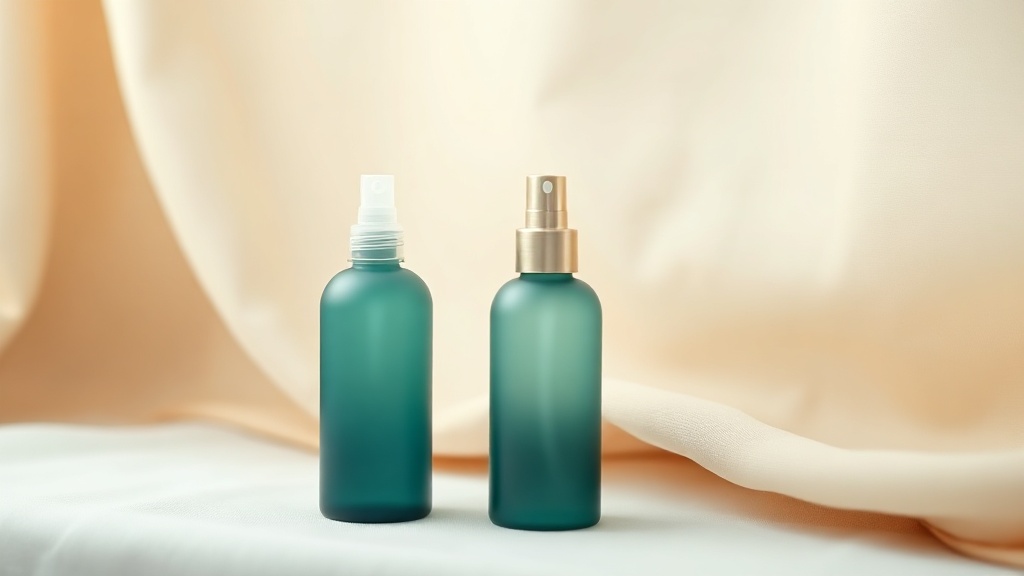
There is no single best bottle: the right spray is the format and ingredient that fits your driest moments and passes your own comfort test.
A spray manages the feeling of dryness, but persistent dry mouth deserves a proper look at the cause. See a dentist or doctor if dryness lasts for weeks, if you have dry eyes and a dry mouth together, if you are getting a run of new cavities, or if swallowing and speaking are becoming difficult. If you suspect a medication is drying you out, ask your prescriber about a review, but never stop or change a prescribed medicine on your own.
Frequently asked questions
Sources
- 1.
- 2.
- 3.
- 4.
- 5.
- 6.
- 7.

Fix your breath at the source.
The complete science-backed protocol — engineered to eliminate volatile sulfur compounds at the biological source.
Start the Breath Protocol →Related reading
Educational purposes only. The content on this page is not medical advice and is not a substitute for consultation with a qualified dental or medical professional.
More from the library
 Best Of8 min
Best Saliva Substitutes for Dry Mouth
A plain-English guide to what saliva substitutes are, which ingredients and formats exist, and what the evidence honestly says about the comfort they offer.
Read →→ Best Of8 min
Dry Mouth Lozenges: What Actually Works, and What to Look For
How dry-mouth lozenges really work, which type fits which situation, and the honest limits of what a lozenge can do.
Read →→ Answers8 min
How to Produce More Saliva Naturally: 12 Ways to Stimulate Salivary Flow
The honest answer: the physical act of chewing and tasting is your strongest natural saliva switch — here is how to use it, and when it will not be enough.
Read →→ Guides9 min
Dry Mouth Treatment: Relief Options and Care, Explained
A calm, honest map of the dry mouth treatment ladder - what each option does, how strong the evidence is, and when to bring in a professional.
Read →→ Guides8 min
How to Fix Dry Mouth: An Evidence-Based Guide
Dry mouth is usually manageable once you know what is driving it and which supportive habits actually move the needle.
Read →→ Guides8 min
Dry Mouth at Night: Why It Happens and How to Sleep Easier
Nighttime dryness is common because your saliva naturally slows while you sleep, and a few targeted habits can make a real difference.
Read →→