
How to Fix Dry Mouth: An Evidence-Based Guide
Dry mouth is usually manageable once you know what is driving it and which supportive habits actually move the needle.

- Dry mouth (xerostomia) is a symptom, not a disease, and the most useful first step is finding the cause rather than chasing quick fixes.
- Medications are the single biggest driver; in a meta-analysis, urological drugs raised the odds of dry mouth almost sixfold and antidepressants nearly fivefold, so a medication review with your prescriber is often the highest-impact move.
- Chewing sugar-free gum reliably stimulates saliva in people who still have working salivary glands, and it was rated as helpful as saliva substitutes in a Cochrane review.
- Saliva substitutes and gels can relieve the feeling of dryness, but no single topical product is a clear winner, so it is reasonable to try a few and keep what works for you.
- Because saliva protects teeth, ongoing dry mouth raises decay risk, so pair relief habits with fluoride and regular dental checkups rather than relying on comfort alone.
To relieve dry mouth, sip water often, chew sugar-free gum to stimulate saliva, use an alcohol-free rinse or saliva substitute, and humidify your bedroom. Most importantly, review your medications with your prescriber, since drugs are the leading cause. See a dentist to protect against the higher decay risk dryness brings.
Why your mouth goes dry in the first place
Saliva does far more than keep your mouth wet. It buffers acids, washes away food debris, delivers minerals that help keep enamel strong, and carries antimicrobial proteins that hold oral bacteria in check. When salivary flow drops, all of those jobs slow down at once, which is why a dry mouth can feel sticky, taste strange, and become more prone to bad breath and decay. The sensation of dryness (xerostomia) does not always track perfectly with measured flow, but the two often go together. Flow can fall for many reasons: the medications you take, autoimmune conditions such as Sjogren syndrome, radiotherapy to the head and neck, dehydration, mouth breathing, and simply getting older with more prescriptions on board. Understanding which of these applies to you is what turns dry mouth from a nagging nuisance into something you can actually manage, because the fix for drug-induced dryness is different from the fix for a stuffy-nose mouth-breather.
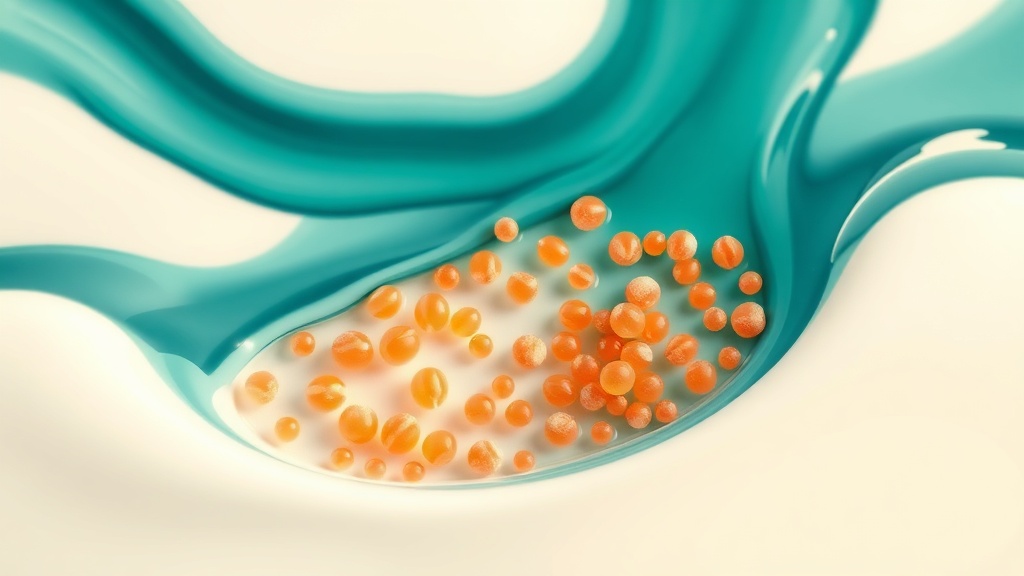
When saliva drops, the mouth loses its natural rinse-and-buffer system, letting bacteria and volatile compounds build up.
What the research actually shows
Every claim below maps to a named, peer-reviewed source in the Sources section. According to PubMed.
| Claim | Evidence | Source |
|---|---|---|
| Medications are the leading cause of dry mouth; urological drugs raised the odds of dry mouth about sixfold and antidepressants nearly fivefold in older adults. | Systematic review and meta-analysis of medication classes and xerostomia. | Tan et al., J Am Geriatr Soc 2017 |
| Chewing gum increases saliva in most people who still have residual gland capacity, and is about as helpful as saliva substitutes for symptom relief. | Cochrane review of 36 randomised trials of topical dry-mouth therapies. | Furness et al., Cochrane Review 2011 |
| Among people with dry mouth from rheumatic disease, sugar-free gum or lozenges relieved symptoms in about a third of users. | Two-week crossover clinical trial in 18 patients with low salivary flow. | Risheim and Arneberg, Scand J Dent Res 1993 |
| Saliva protects teeth through dilution, buffering, remineralisation and antimicrobial action, so persistent dryness undermines all four. | Narrative review of saliva physiology and oral health. | Llena-Puy, Med Oral Patol Oral Cir Bucal 2006 |
Dry-mouth relief options, compared
| Approach | What it does | Best for | Caveats |
|---|---|---|---|
| Frequent water sips | Wets tissues and clears debris | Everyone; mild dryness | Temporary; does not restore saliva |
| Sugar-free gum or lozenges (xylitol) | Stimulates your own saliva | People with residual gland function | Little help if glands are badly damaged |
| Saliva substitutes / gels / sprays | Coat and lubricate tissues | Nighttime or severe dryness | No single product clearly wins; try a few |
| Alcohol-free rinse | Freshens without drying | Daily comfort | Alcohol-based rinses can worsen dryness |
| Medication review | Removes or swaps a drying drug | Anyone on multiple medications | Only your prescriber should adjust doses |
When a quick fix is not enough
Sipping water and chewing gum help most people with mild, occasional dryness, but they cannot fix a cause that lives outside the mouth. If your dryness is driven by a long medication list, the most powerful step is a structured medication review: the more drugs you take, the higher your anticholinergic burden and the more likely you are to feel dry. In residential aged care, where residents often take many medications, dry mouth affects roughly one to three people in ten, and deprescribing or swapping a drug is a recognised strategy, though it must be done by your prescriber rather than on your own. Persistent, severe dryness, especially with dry eyes or joint symptoms, can point to Sjogren syndrome or the after-effects of radiotherapy; those situations sometimes call for prescription saliva-stimulating medicines and belong in a clinician conversation rather than a self-care routine.
Evidence you can act on.
Occasional emails — new research, new protocols, no noise.
A practical dry-mouth relief routine
Layer these habits over one to two weeks. Consistency matters more than any single product, and the goal is comfort plus protecting your teeth.
- 1
Hydrate on a schedule
all dayKeep water within reach and take small sips regularly rather than large drinks occasionally. Cut back on caffeine and alcohol, both of which are dehydrating, and avoid frequent sugary or acidic drinks, which are riskier when saliva is not there to buffer them.
- 2
Stimulate your own saliva
after mealsChew sugar-free gum or suck a xylitol lozenge, especially after eating. If your salivary glands still have working capacity, chewing reliably raises flow, and trials rate gum as helpful as many saliva substitutes for symptom relief.
- 3
Add a substitute for the dry stretches
as neededFor nighttime or severe dryness, try an alcohol-free saliva substitute, gel or spray. No single product clearly outperforms the rest, so it is reasonable to trial a couple and keep whichever feels best; gels tend to last longer overnight.
- 4
Protect the teeth and book a review
ongoingUse a fluoride toothpaste, keep up regular dental visits, and ask your prescriber or pharmacist whether any of your medications could be causing the dryness. This two-part step, protection plus a medication review, addresses both the symptom and its most common cause.
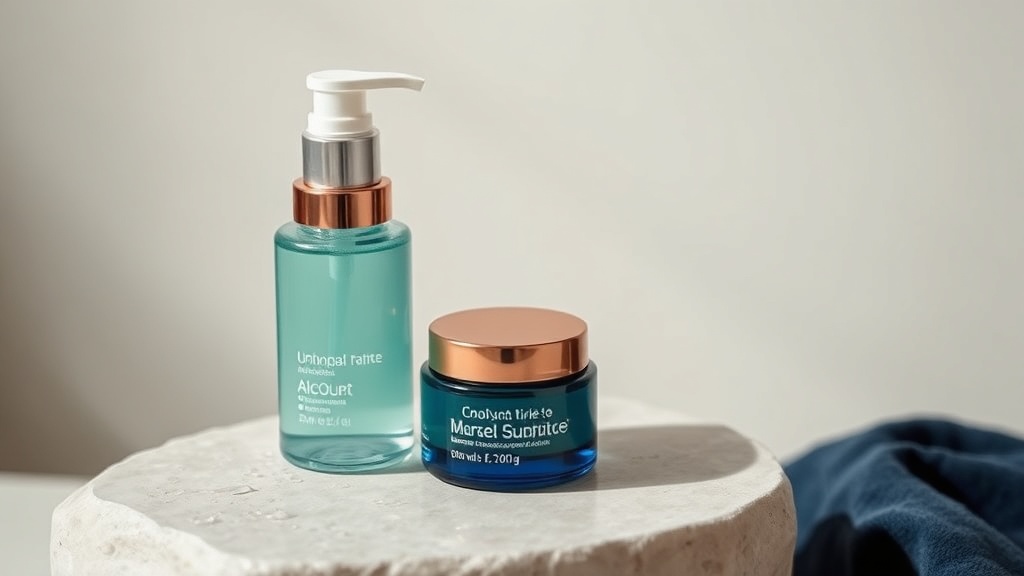
Alcohol-free rinses and saliva substitutes support comfort; choose products that do not contain drying alcohol.
See a dentist or doctor if dryness is constant, wakes you at night, comes with dry eyes or joint pain, follows head-and-neck radiotherapy, or arrives after starting a new medicine. Constant dryness raises decay risk and can signal conditions such as Sjogren syndrome that need proper assessment rather than home care alone.
Frequently asked questions
Sources
- 1.
- 2.
- 3.
- 4.
- 5.

Fix your breath at the source.
The complete science-backed protocol — engineered to eliminate volatile sulfur compounds at the biological source.
Start the Breath Protocol →Related reading
Educational purposes only. The content on this page is not medical advice and is not a substitute for consultation with a qualified dental or medical professional.
More from the library
 Guides8 min
Dry Mouth at Night: Why It Happens and How to Sleep Easier
Nighttime dryness is common because your saliva naturally slows while you sleep, and a few targeted habits can make a real difference.
Read →→ Guides8 min
What Causes Dry Mouth? The Common Triggers, Explained
Dry mouth almost always has an identifiable trigger, and knowing yours is the first step toward relief.
Read →→ Best Of8 min
Best Mouthwash for Dry Mouth: What to Look For
The best dry-mouth rinse is the one that soothes without drying, and the label tells you more than the marketing.
Read →→ Answers8 min
Does Dry Mouth Cause Bad Breath?
Low saliva and bad breath are closely linked, and understanding the connection points straight to what helps.
Read →→ Reviews8 min
XyliMelts Side Effects: An Honest, Evidence-Based Review
An honest look at what XyliMelts adhering discs feel like overnight, what side effects people report, and where the evidence for comfort really stands.
Read →→ Answers8 min
Can You Cure Dry Mouth? What Actually Helps
Dry mouth is usually a symptom, not a disease — here is why it is managed rather than cured, and the realistic steps that bring relief.
Read →→