Does Biotene Work? An Honest, Evidence-Based Review
What Biotene is, what the evidence really shows, and who it helps — an honest, balanced review.
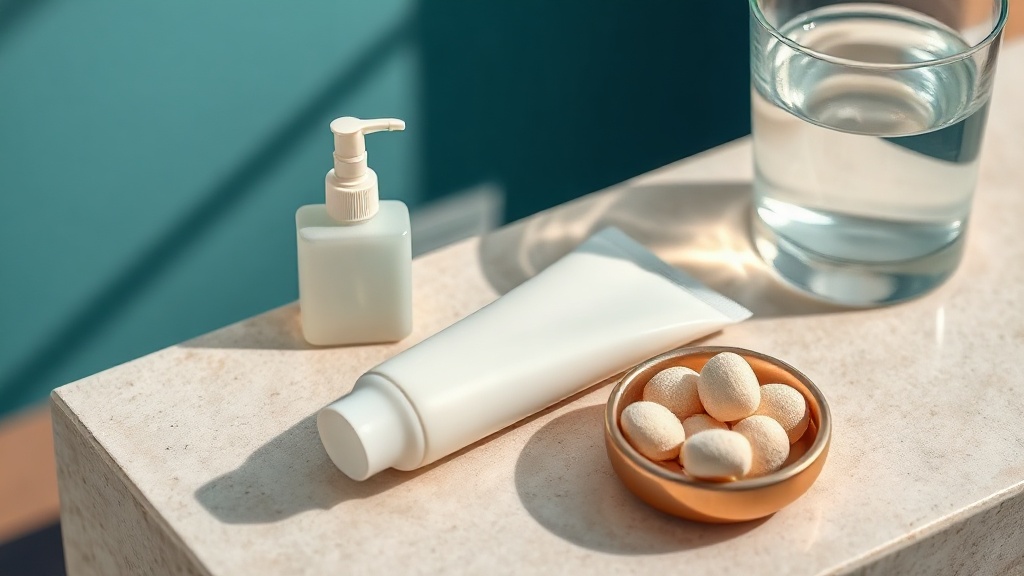
- Biotene is a family of saliva-substitute products — gel, mouthwash, spray and lozenges — built around moisturizers like glycerin plus a mild salivary-enzyme system; it is designed to coat and lubricate a dry mouth, not to make you produce more of your own saliva.
- The honest verdict is that it works as short-term comfort. In a controlled 14-day study, Biotene Oral Balance gel significantly eased dry-mouth symptoms and beat a comparison gel on immediate relief.
- But the effect is modest and temporary. A Cochrane review of 36 trials found no strong evidence that any topical product reliably relieves dry mouth, and relief tends to fade within an hour or two.
- Relief does not mean more saliva — dry-mouth symptoms can persist even when measured saliva rises, and placebo products often perform surprisingly well, so keep expectations realistic.
- Biotene eases the feeling of dryness; it does not address the underlying cause. Because medications are the most common cause, the highest-value step is still a dentist or doctor review — never stop a prescribed medicine on your own.
Yes — Biotene works as short-term comfort. Its gels, sprays and rinses coat and lubricate a dry mouth, and a controlled study showed its moisturizing gel eased symptoms over two weeks. But relief is modest, lasts an hour or two, and does not increase your own saliva or fix the cause. It is a comfort aid, not a solution.
What Biotene actually is and how it works
Biotene is not one product but a range — a moisturizing gel, an alcohol-free mouthwash, a spray and lozenges — and understanding how it works explains both its appeal and its limits. It leans on two ideas. The first is simple lubrication: humectants such as glycerin coat the mouth and hold a thin layer of moisture against the tissues, standing in for the slippery, protective film that saliva normally provides. That is why a dry mouth feels immediately more comfortable after the gel goes on. The second is a mild enzyme system — proteins such as lactoperoxidase, glucose oxidase and lysozyme — meant to echo some of saliva natural antibacterial chemistry. Together these substitute for a few of saliva jobs, coating and soothing rather than curing anything. What Biotene does not do is stimulate your salivary glands or increase the amount of saliva you make. It is a saliva substitute, not a saliva booster, and that distinction is the key to judging whether it will meet your expectations.
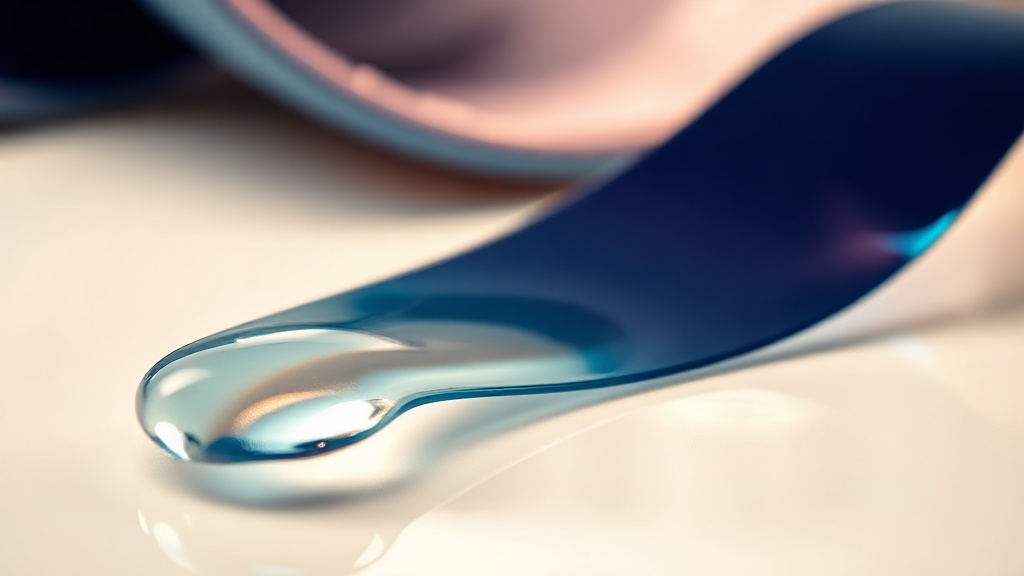
Biotene gels lean on humectants like glycerin to coat and lubricate — standing in for saliva rather than replacing it.
What the research actually shows
Every claim below maps to a named, peer-reviewed source in the Sources section. According to PubMed.
| Claim | Evidence | Source |
|---|---|---|
| In a controlled 14-day crossover study, Biotene Oral Balance gel significantly reduced self-reported dry-mouth symptoms and was significantly better than a comparison gel at immediate relief and moisturizing (p<0.05). | Single-blind randomised crossover clinical study. | Milleman et al., 2016 |
| A Cochrane review of 36 trials (1,597 people) found no strong evidence that any topical therapy reliably relieves dry mouth; the best single signal was an oxygenated-glycerol-triester spray, about 2 points on a 10-point scale. | Systematic review and meta-analysis. | Furness et al., 2011 |
| Saliva-substitute gels significantly improved dry-mouth and swallowing scores over one to two months in post-radiotherapy patients (p<0.0001) — real, measurable relief. | Randomised controlled trial. | Nuchit et al., 2019 |
| Dry-mouth symptoms can persist even when saliva production rises — relief and saliva flow are not the same thing. | Cochrane review of non-pharmacological interventions. | Furness et al., 2013 |
| Dry mouth is one of the strongest risk factors for tooth decay (caries incidence rate ratio 5.30), so a comfort product should sit alongside fluoride protection, not replace it. | 18-month prospective cohort. | Bulthuis et al., 2022 |
The Biotene formats at a glance
| Biotene format | Best for | Honest limitation |
|---|---|---|
| Oral Balance moisturizing gel | Longest-lasting coating; good at night | Still wears off — reapply as needed |
| Dry Mouth mouthwash / rinse | Quick daytime freshening | Short-lived, alcohol-free but brief relief |
| Spray | On-the-go touch-ups | Very short duration |
| Lozenges or gum-style | Adds a chewing or sucking cue that can help flow | Only helps if your glands still respond |
Where Biotene falls short (and who it is really for)
The gap between what Biotene promises and what it delivers is mostly about duration and expectation. Relief is real but brief — often an hour or two — which is why the research world is careful: the landmark Cochrane review concluded there is no strong evidence that any topical product reliably relieves dry mouth, and placebo versions frequently perform surprisingly well, a reminder that feeling better is not the same as measurable improvement. Biotene also does nothing for the root of the problem. In severe dryness from radiation or Sjögren syndrome, a coating gel adds genuine comfort but cannot rescue lost saliva flow. And when the cause is a medication — by far the most common scenario — Biotene is best seen as a stopgap that makes daily life easier while your prescriber reviews the drug that is drying you out. Read that way, it is a sensible, gentle, alcohol-free comfort option that many people find helpful, provided you are not expecting it to restore your own saliva or solve what is causing the dryness.
Evidence you can act on.
Occasional emails — new research, new protocols, no noise.
How to get the most out of Biotene (or any saliva substitute)
These tips help a saliva substitute deliver as much comfort as possible. None of them turn it into a fix — they make an honest comfort product work harder for you.
- 1
Use the gel at night
nightlyThe coating lasts longest, and night is when your own saliva is lowest, so bedtime is where a gel earns its keep. Apply it after brushing, once the mouth is clean.
- 2
Layer the formats
through the dayReach for the rinse or spray during the day for quick freshening, and keep the gel for the long stretch of sleep. Reapply whenever the effect fades rather than waiting until you feel parched.
- 3
Do not rely on it for your teeth
twice dailyA saliva substitute soothes but does not shield enamel. Because low saliva leaves teeth exposed, pair it with a fluoride toothpaste — and ask your dentist whether a high-fluoride option is right for you.
- 4
Add a saliva cue if your glands still respond
as neededSugar-free gum or a lozenge prompts your own flow, which a substitute cannot do. If chewing produces even a little saliva, that natural moisture beats any coating.
- 5
Track whether it is enough
ongoingIf you still feel dry despite regular use, or your teeth start to suffer, treat that as a signal to see your dentist or doctor and review any medications rather than simply buying more product.
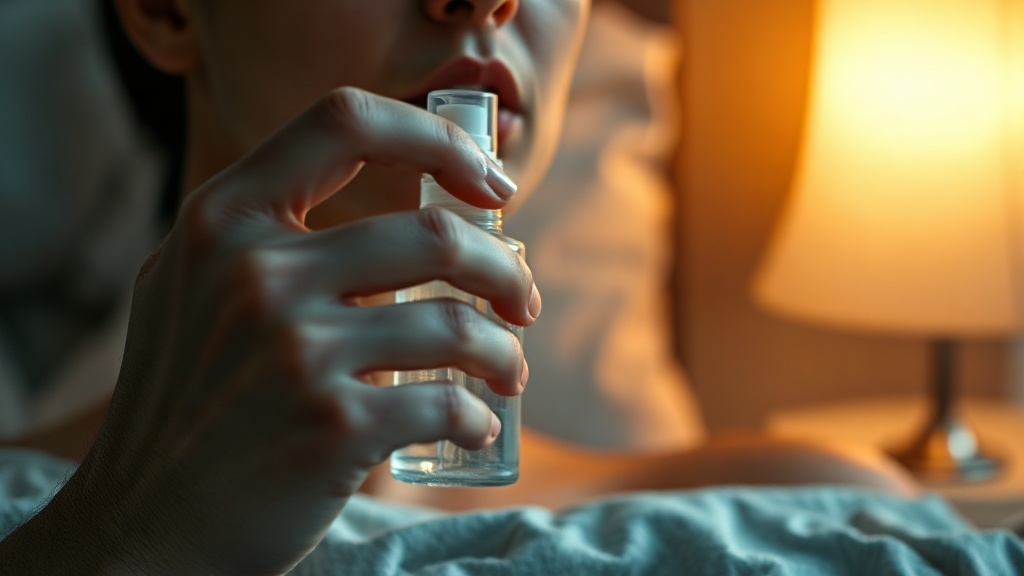
A spray or gel at the bedside offers quick, honest comfort — best used alongside fluoride and a search for the cause.
If Biotene is not enough, or if dryness comes with dry eyes, trouble swallowing, a new medication, or rising cavities, see a dentist or doctor to identify the cause — which can range from a medication to Sjögren syndrome. Prescription saliva stimulants exist for some people, but that is a clinician decision. Whatever you try, do not stop a prescribed medicine on your own.
Frequently asked questions
Sources
- 1.
- 2.
- 3.
- 4.
- 5.
- 6.

Fix your breath at the source.
The complete science-backed protocol — engineered to eliminate volatile sulfur compounds at the biological source.
Start the Breath Protocol →Related reading
Educational purposes only. The content on this page is not medical advice and is not a substitute for consultation with a qualified dental or medical professional.
More from the library
 Reviews8 min
XyliMelts Side Effects: An Honest, Evidence-Based Review
An honest look at what XyliMelts adhering discs feel like overnight, what side effects people report, and where the evidence for comfort really stands.
Read →→ Best Of8 min
Best Mouthwash for Dry Mouth: What to Look For
The best dry-mouth rinse is the one that soothes without drying, and the label tells you more than the marketing.
Read →→ Guides8 min
What Causes Dry Mouth? The Common Triggers, Explained
Dry mouth almost always has an identifiable trigger, and knowing yours is the first step toward relief.
Read →→ Guides8 min
Dry Mouth at Night: Why It Happens and How to Sleep Easier
Nighttime dryness is common because your saliva naturally slows while you sleep, and a few targeted habits can make a real difference.
Read →→ Guides8 min
How to Fix Dry Mouth: An Evidence-Based Guide
Dry mouth is usually manageable once you know what is driving it and which supportive habits actually move the needle.
Read →→ Answers8 min
Does Dry Mouth Cause Bad Breath?
Low saliva and bad breath are closely linked, and understanding the connection points straight to what helps.
Read →→