
The Best Dry Mouth Rinse: How to Choose One That Actually Helps
An honest, evidence-based guide to choosing a dry mouth rinse that soothes without making dryness worse.
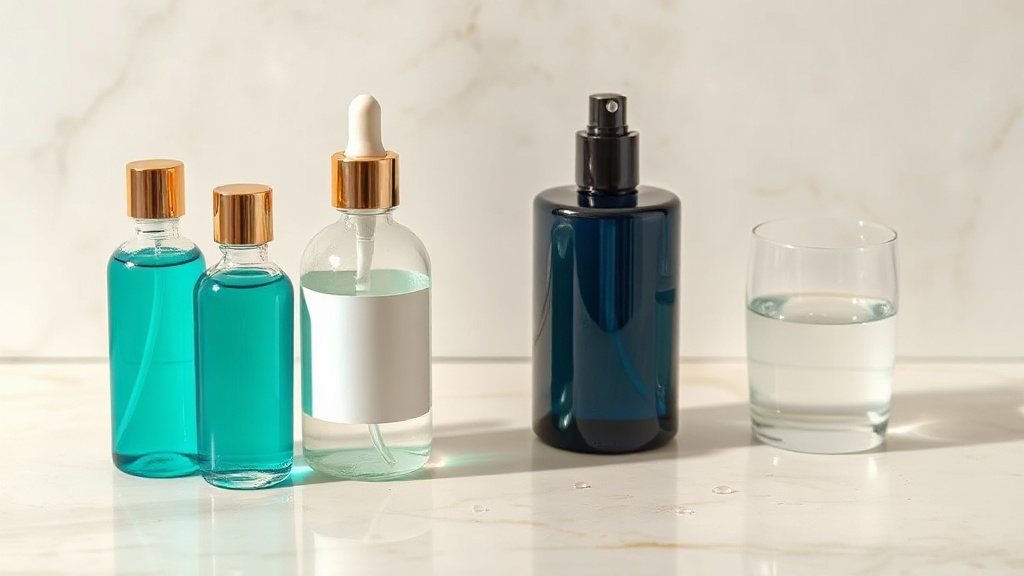
- A dry mouth rinse cannot make your glands produce more saliva. What a good one does is coat, moisten and soothe the tissues so your mouth feels more comfortable, which is a real and worthwhile goal on its own.
- The most important rule is the simplest: choose an alcohol-free rinse. Alcohol (ethanol) is drying, and a high-alcohol antiseptic mouthwash can leave an already dry mouth feeling worse.
- In the largest review of topical dry-mouth products (36 trials), no rinse or spray reliably relieved dryness for everyone; the best-supported option, an oxygenated glycerol spray, moved dryness by only about 2 points on a 10-point scale.
- Relief and saliva are not the same thing. Symptoms can persist even when measured saliva goes up, so judge a rinse by how your mouth feels, not by any promise to restore flow.
- If your dry mouth is persistent, started with a new medicine, or comes with dry eyes, that is a reason to see a dentist or doctor. A rinse is for comfort, not a substitute for finding the cause.
The best dry mouth rinse is an alcohol-free, moisturizing one that coats and soothes the tissues rather than promising to restore saliva. Alcohol-based antiseptic rinses tend to make dryness feel worse. Look for gentle humectant or saliva-substitute formulas, and treat any rinse as comfort care, not a cure.
What a dry mouth rinse actually does
It helps to be honest about the job a rinse can and cannot do. Saliva is made by your salivary glands, and no liquid you swish will switch those glands back on. What a well-designed dry mouth rinse does instead is sit on the surfaces of your mouth, replacing some of the thin protective film that saliva normally provides. Menthol and flavour can create a brief cooling, fresh sensation; humectants such as glycerin hold a little moisture against the tissue; and some formulas add enzymes or minerals meant to mimic what natural saliva contributes. The result you are after is comfort: less of that stuck, sticky feeling, easier speaking, and a mouth that does not feel like sandpaper. This is a structure-and-comfort goal, not a medical one. The clearest evidence base for topical dry-mouth products comes from a large review of 36 randomized trials, which concluded there was no strong evidence that any single topical therapy reliably relieves dry mouth, while noting that an oxygenated glycerol triester saliva-substitute spray had the most convincing signal. That is the honest frame for shopping: expect meaningful comfort from the right product, not a fix.
The single most useful rule when choosing a rinse: skip the drying alcohol, favour a moisturizing formula.
What the research actually shows
Every claim below maps to a named, peer-reviewed source in the Sources section. According to PubMed.
| Claim | Evidence | Source |
|---|---|---|
| Across 36 randomized trials, no topical rinse or spray reliably relieved dry mouth for everyone; the clearest signal was an oxygenated glycerol saliva-substitute spray (about 2 points on a 10-point dryness scale). | Cochrane systematic review, 1,597 participants. | Furness et al., 2011 |
| Dry-mouth symptoms can persist even when measured saliva production rises, so a product that raises flow may not feel like relief. | Cochrane review of non-pharmacological interventions. | Furness et al., 2013 |
| Moisturizing saliva substitutes measurably reduced dryness and improved swallowing and comfort after radiotherapy. | Randomized controlled trial, 62 patients. | Nuchit et al., 2019 |
| A 1% malic-acid stimulant spray improved dry-mouth symptom scores, but acidic sprays are erosive and are deliberately co-formulated with fluoride and xylitol to protect enamel. | Systematic review and meta-analysis, 5 trials. | Liu et al., 2022 |
| When medication is the driver, the first step is a clinician-led medication review, not a stronger rinse. | Narrative review of medication-induced xerostomia. | Barbe, 2018 |
How the main rinse types compare
| Rinse type | How it helps | Watch-outs |
|---|---|---|
| Alcohol-free moisturizing rinse | Coats and soothes tissue; the sensible everyday default for comfort | Effect is temporary; reapply as needed |
| Alcohol-based antiseptic rinse | Marketed for germs and fresh breath | Ethanol is drying and can make a dry mouth feel worse |
| Saliva-substitute spray or gel | Best-evidenced format; mimics saliva film for longer-lasting coating | Works while present, not a permanent change |
| Acidic or malic-acid stimulant spray | Can prompt a little flow and freshen | Acidic and erosive; use only fluoride-protected formulas |
| Xylitol-containing rinse | Tooth-friendly, non-fermentable sweetener; pleasant and non-drying | Keep all xylitol products away from dogs |
Why an alcohol rinse can quietly backfire
If you remember one thing while standing in the mouthwash aisle, make it this: read the label for alcohol. Ethanol is a solvent, and a high-alcohol antiseptic rinse can leave the delicate lining of an already dry mouth feeling tighter and rawer rather than fresher. The fresh-breath tingle people associate with those rinses is not the same as moisture, and for a dry mouth it can be counterproductive. There is a deeper point here too. Dryness is often a downstream symptom rather than the root problem, and by far the most common driver is medication; more than fifty drugs have strong evidence for causing dry mouth, and tricyclic antidepressants are among the worst offenders. No rinse addresses that cause. That is why a rinse should be treated as one comfort tool in a bigger routine that also includes sipping water, protecting your teeth with fluoride, and, when a medicine seems to be the trigger, a conversation with the prescriber. A rinse makes the day more bearable; it does not change why your mouth is dry, and it should never be a reason to keep quiet about a symptom that keeps coming back.
Evidence you can act on.
Occasional emails — new research, new protocols, no noise.
How to choose and use a dry mouth rinse
None of this treats a disease. It is simply how to get the most comfort from a rinse and avoid the choices that make dryness worse.
- 1
Rule out alcohol first
10 seconds at the shelfTurn the bottle over and check the ingredients. If ethanol or alcohol is high on the list, put it back. An alcohol-free formula is the single most reliable way to avoid making a dry mouth feel worse.
- 2
Favour moisturizing and saliva-substitute formulas
onceLook for words like moisturizing, hydrating, or saliva substitute, and for gentle humectants such as glycerin. Spray and gel saliva substitutes have the best evidence for lasting coating, especially overnight when your own flow is lowest.
- 3
Rinse at the moments dryness bites
as neededUse it before bed, on waking, before speaking for a long stretch, and after coffee or alcohol. Because relief is temporary, timing it to your driest moments matters more than how often you use it in total.
- 4
Be careful with acidic stimulant sprays
ongoingSour or malic-acid sprays can prompt a little flow, but acid erodes enamel. If you use one, choose a version formulated with fluoride and xylitol, and pair it with good daily fluoride care.
- 5
Pair the rinse with the basics
dailySip water through the day, keep up thorough brushing with a fluoride toothpaste, and chew sugar-free gum if it suits you. A rinse works best as one part of a simple comfort routine, not on its own.
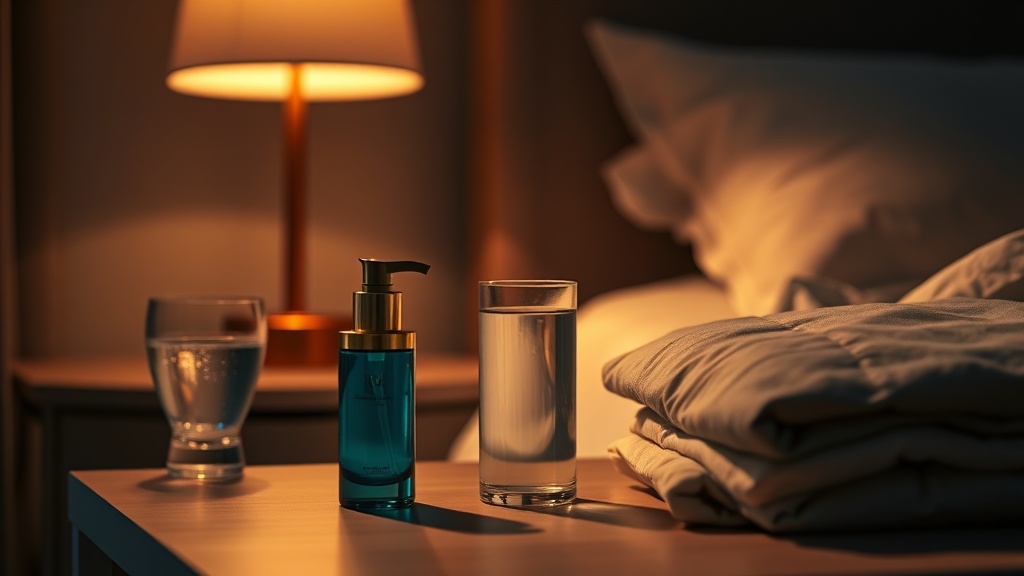
Overnight is when saliva is lowest, so a bedtime rinse or moisturizing spray is where many people feel the biggest difference.
Reach out to a dentist or doctor if your dry mouth is persistent, started soon after a new medicine, comes with dry eyes or difficulty swallowing, or is accompanied by new tooth decay or a burning feeling. These deserve a proper assessment rather than another product. Never stop or change a prescribed medicine on your own to chase relief; if you suspect a drug is the cause, ask the prescriber about your options. A rinse is for comfort while you and a professional sort out the underlying reason.
Frequently asked questions
Sources
- 1.
- 2.
- 3.
- 4.
- 5.
- 6.

Fix your breath at the source.
The complete science-backed protocol — engineered to eliminate volatile sulfur compounds at the biological source.
Start the Breath Protocol →Related reading
Educational purposes only. The content on this page is not medical advice and is not a substitute for consultation with a qualified dental or medical professional.
More from the library
 Best Of8 min
Best Mouthwash for Dry Mouth: What to Look For
The best dry-mouth rinse is the one that soothes without drying, and the label tells you more than the marketing.
Read →→ Guides8 min
What Causes Dry Mouth? The Common Triggers, Explained
Dry mouth almost always has an identifiable trigger, and knowing yours is the first step toward relief.
Read →→ Guides8 min
Dry Mouth at Night: Why It Happens and How to Sleep Easier
Nighttime dryness is common because your saliva naturally slows while you sleep, and a few targeted habits can make a real difference.
Read →→ Answers8 min
Can You Cure Dry Mouth? What Actually Helps
Dry mouth is usually a symptom, not a disease — here is why it is managed rather than cured, and the realistic steps that bring relief.
Read →→ Guides8 min
How to Fix Dry Mouth: An Evidence-Based Guide
Dry mouth is usually manageable once you know what is driving it and which supportive habits actually move the needle.
Read →→ Answers8 min
Does Dry Mouth Cause Bad Breath?
Low saliva and bad breath are closely linked, and understanding the connection points straight to what helps.
Read →→