Best LED Teeth Whitening Kit: What Actually Works
The LED light is theatre; the peroxide gel does the work. Here is how to choose an LED whitening kit on the things that actually matter.
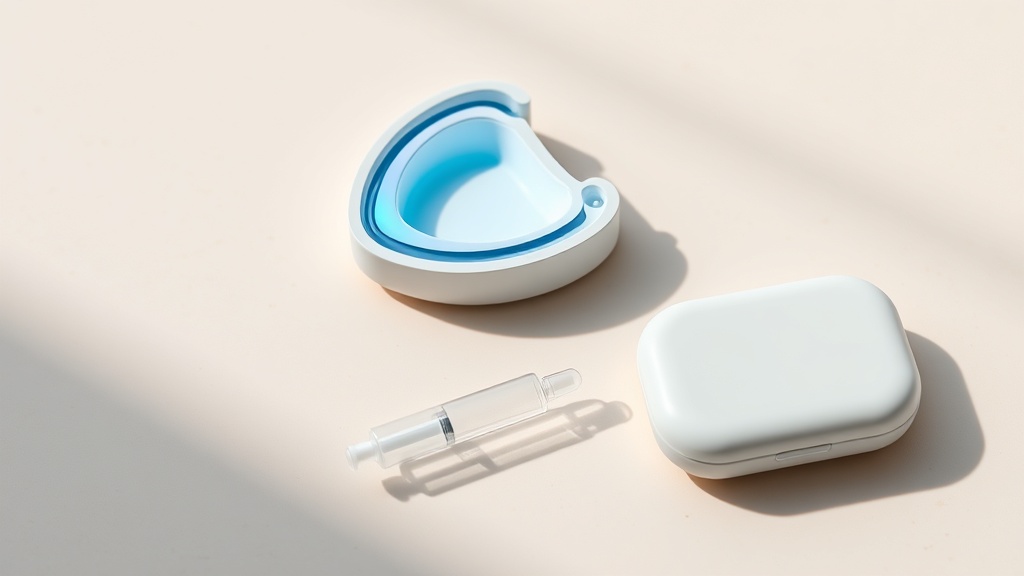
- The blue LED light is the part of the kit that sells it, but a network meta-analysis of 28 trials found light adds no extra whitening over the peroxide gel alone.
- The peroxide gel is what actually whitens your teeth. If a 'kit' is just a light with no meaningful peroxide, it will not change your shade.
- Judge an LED kit on its gel — the type and concentration of peroxide, how well the tray fits, wear time and comfort — and treat the light as a nice-to-have, not the active ingredient.
- Light does not reduce sensitivity either: a companion meta-analysis found no difference in sensitivity risk whether or not a light was used.
- A gentler, lower-concentration gel that fits well and is worn for its full time is a better buy than a dramatic light paired with a harsh gel.
An LED whitening kit works because of the peroxide gel inside it, not the light. Studies show the light adds no measurable whitening and no reduction in sensitivity. So choose a kit for its gel — a sensible peroxide concentration, a tray that fits your teeth, and a comfortable wear time — and think of the glowing light as ambience rather than the thing doing the work.
What the LED light actually does (and does not do)
Every LED whitening kit is built on the same promise: the blue light 'activates' or 'accelerates' the gel for a faster, brighter result. It is a compelling story, and it is the reason the light exists — but it does not hold up. When researchers pooled 28 randomised trials in a network meta-analysis, they found that no light-activation protocol improved colour change over light-free bleaching at any peroxide concentration, and the authors flatly noted that 'laser whitening' is used as a form of marketing rather than a proven benefit. A companion analysis of 32 trials found the same for comfort: adding a light made no difference to the risk or intensity of tooth sensitivity. Even studies that hint at a short-term edge see it vanish — one trial found any light-related difference had disappeared by the one-month mark. What genuinely whitens your teeth is the peroxide gel, which diffuses into the enamel and oxidises the coloured molecules inside, driven mostly by how long it stays in contact. The light, in almost every kit, is a small blue-glowing prop that makes the routine feel high-tech. It is not harming anything; it just is not the reason your teeth get lighter.
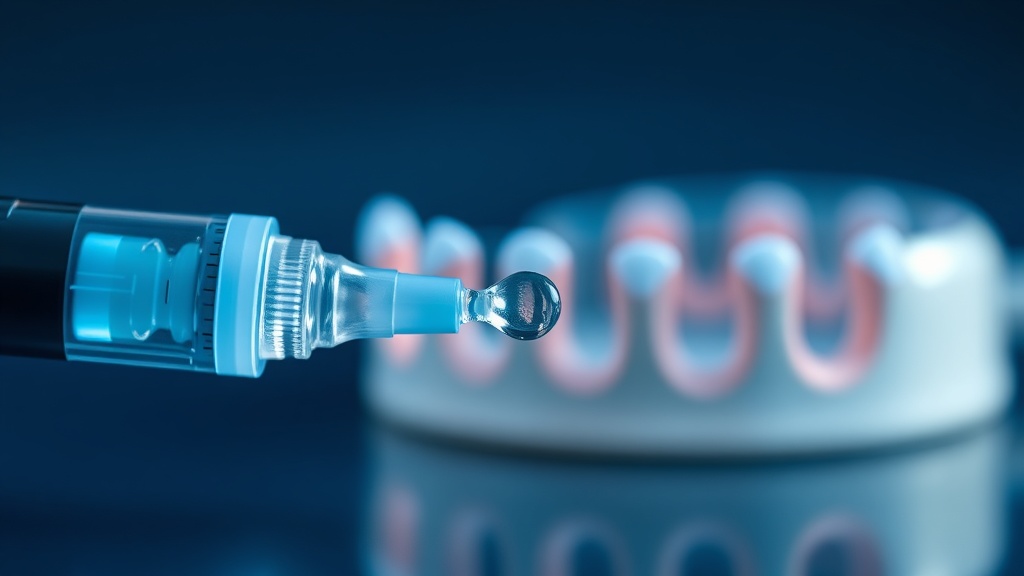
The gel is the hero. In a good LED kit the peroxide does the whitening; the glowing tray behind it is mostly for show.
What the research actually shows
Every claim below maps to a named, peer-reviewed source in the Sources section. According to PubMed.
| Claim | Evidence | Source |
|---|---|---|
| No light-activation protocol improved whitening over light-free bleaching, at any peroxide concentration; the authors called 'laser whitening' a form of marketing. | Bayesian network meta-analysis of 28 randomised trials. | Maran et al., 2019 |
| Light activation made no difference to the risk or intensity of tooth sensitivity during whitening. | Companion network meta-analysis of 32 randomised trials. | Moran et al., 2021 |
| Any short-term advantage from light activation had disappeared by one month after treatment. | Randomised clinical trial comparing in-office bleaching with and without light. | Alomari & El Daraa, 2010 |
| At-home whitening is driven by how long the peroxide gel stays on the tooth, not by chasing a higher concentration. | Randomised clinical trial of application time versus concentration. | Lopez Darriba et al., 2017 |
| Lower- and medium-concentration peroxide gave about 33% less sensitivity with no loss of colour change — so a gentler gel is a smarter default. | Systematic review and meta-analysis of hydrogen peroxide concentrations. | Maran et al., 2020 |
What to actually judge an LED kit on
| Feature | How much it matters | Why |
|---|---|---|
| The peroxide gel (type and concentration) | Most important | This is the only part that changes your tooth colour |
| Tray fit against your teeth | Very important | Even gel contact is what prevents patchy results |
| Wear time you can stick to | Very important | Whitening is driven by contact time, not strength |
| Comfort and gel gentleness | Important | A gentler gel means you finish the course instead of quitting |
| Brightness or 'power' of the LED light | Barely matters | Trials show the light adds no whitening and no comfort benefit |
So why is there a light at all?
If the light does not whiten, why does nearly every kit have one? Partly because it photographs beautifully and makes an ordinary gel-and-tray routine feel like a device rather than a chemical, and partly because a glowing mouthpiece gives buyers a reassuring sense that something is happening. There is a grain of psychology worth being honest about: whitening genuinely lifts people's confidence, and the ritual around it is part of that experience. But when a trial isolated a violet LED on its own, it produced only limited improvement in how people felt about their smile, while the peroxide gel produced the meaningful gains. Meanwhile the temptation the light creates — to reach for the most dramatic, highest-strength kit — actually works against you: higher peroxide concentrations mostly add sensitivity without adding whiteness, and gentler gels reach a similar shade with far less discomfort. So the sensible way to read an LED kit is to mentally set the light aside and look straight at the gel and the tray. If those are good, the kit is good. If the marketing is all about lumens and 'blue-light technology' and says little about the peroxide, that is a kit selling you the prop instead of the product.
Evidence you can act on.
Occasional emails — new research, new protocols, no noise.
How to choose an LED whitening kit that actually works
None of this treats a condition — it is cosmetic. The goal is to buy for the gel and the fit, not the glow, so your money goes to the part that changes your shade.
- 1
Read the gel before the light
at purchaseLook for a stated peroxide gel — hydrogen or carbamide peroxide — at a clear, sensible concentration. If a kit advertises the light in huge type and barely mentions the gel, or contains no real peroxide, it cannot change your tooth colour.
- 2
Favour a gentler concentration
at purchaseA lower- or medium-strength peroxide gel reaches a similar shade with roughly a third less sensitivity than a high-strength one. Gentler also means you are more likely to complete the full course, which is what actually delivers the result.
- 3
Check the tray fit
at purchaseA tray that hugs your teeth keeps the gel in even contact and off your gums. Boil-and-bite or custom trays fit better than a one-size mouthpiece; even contact is what prevents the streaky, patchy look.
- 4
Match the wear time to your routine
per kitBecause contact time drives whitening, pick a kit whose daily wear time you will realistically keep up for the whole course. A comfortable routine you finish beats an intense one you abandon after three days.
- 5
Treat the light as a bonus, not the reason
ongoingUse the light if the kit includes it and you enjoy the ritual, but do not pay a premium for it or expect it to speed things up. Judge your results by the gel and your consistency, and give the full course time to work.
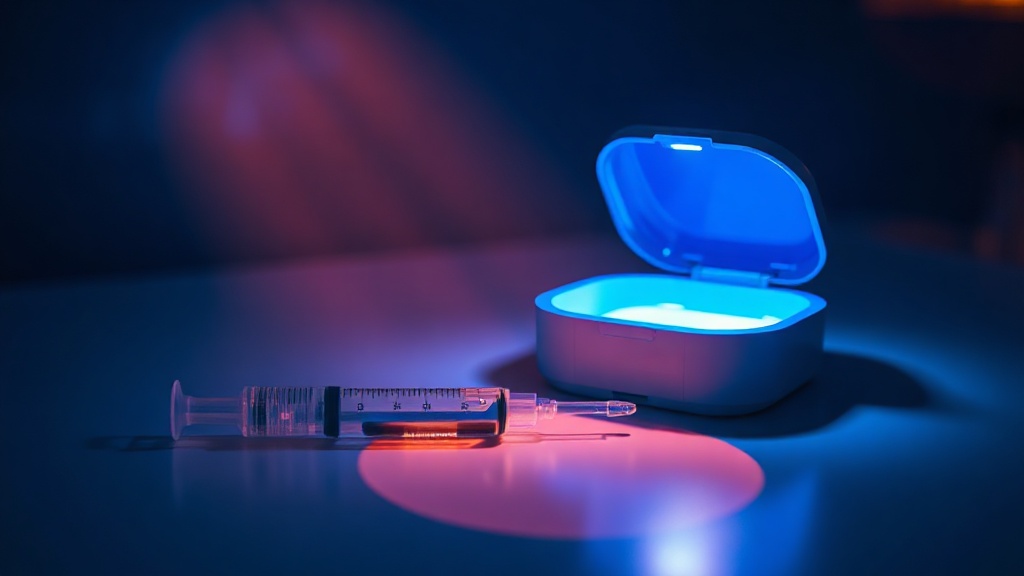
The light gets the spotlight; the gel quietly does the job. Buy for the peroxide, not the glow.
LED kits are cosmetic and safe for most healthy mouths used as directed, but talk to a dentist first if you have crowns, veneers or front-tooth fillings (they will not lighten and can end up mismatched), gum recession, untreated decay, or if you are pregnant. See a dentist if whitening brings on sharp or lasting sensitivity rather than mild and brief, if your gums stay sore, or if a single tooth stays noticeably darker than the rest — that can point to a problem inside the tooth that no at-home kit, light or gel, can fix.
Frequently asked questions
Sources
- 1.
- 2.
- 3.
- 4.
- 5.
- 6.
- 7.
- 8.
Fix your breath at the source.
The complete science-backed protocol — engineered to eliminate volatile sulfur compounds at the biological source.
Start the Breath Protocol →Related reading
Educational purposes only. The content on this page is not medical advice and is not a substitute for consultation with a qualified dental or medical professional.
More from the library
 Best Of8 min
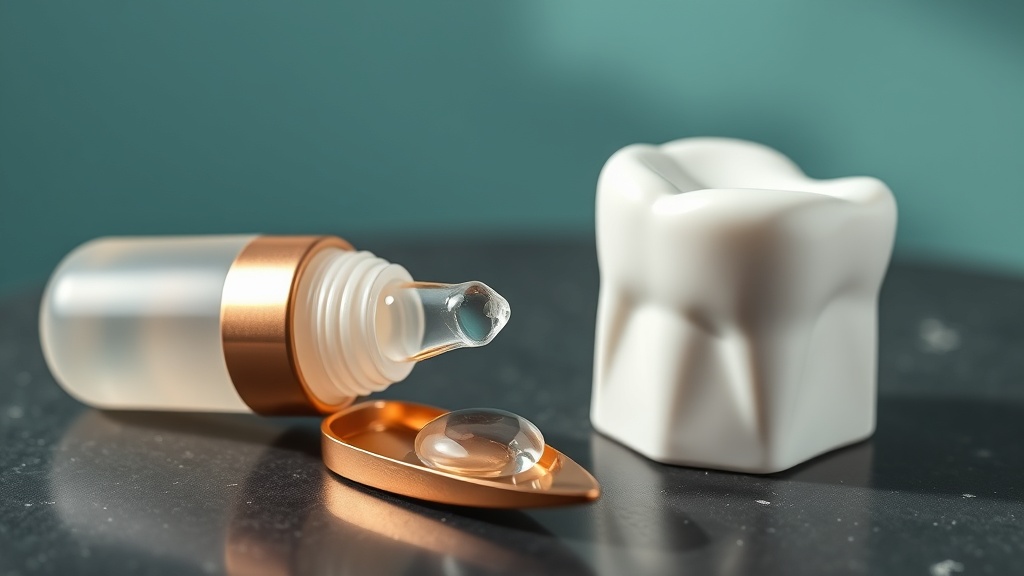
Best Teeth Whitening Gel (2025): Dentist-Tested Picks for Every Budget
Whitening gel is the only at-home format that genuinely bleaches teeth. Pick the right concentration and delivery, and contact time does the rest.
Read →→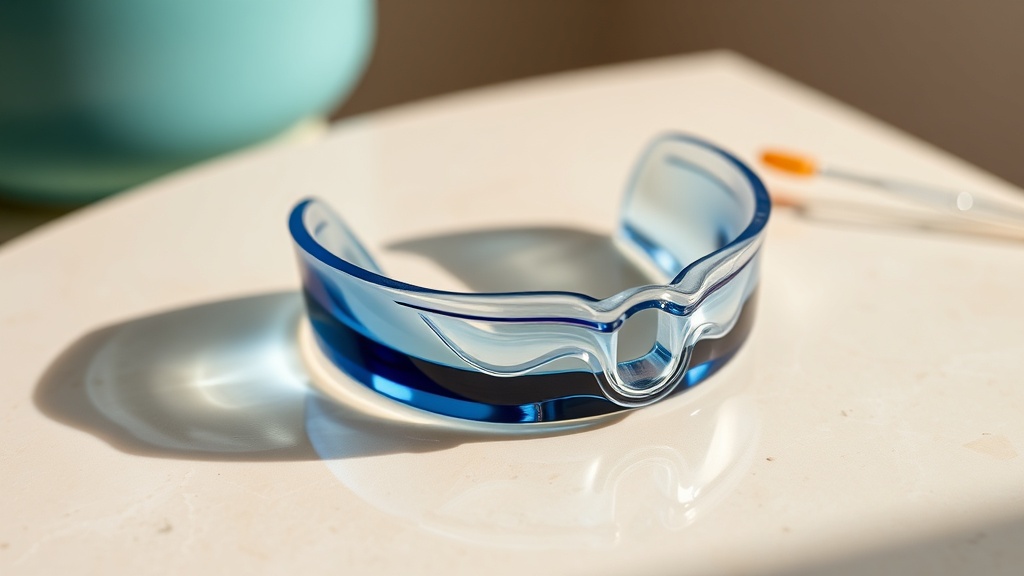 Best Of8 min
Best Teeth Whitening Trays: Boil-and-Bite vs Custom
A whitening tray does not bleach; it controls contact time and protects the gums. Fit is what separates even, comfortable results from patchy ones.
Read →→ Answers9 min
Does Teeth Whitening Hurt? Why It Happens and How to Prevent It
The sting is common but manageable — and the real levers are lower concentration and shorter wear time, not gimmicks.
Read →→ Answers8 min
How Long Does Teeth Whitening Last? (And How to Extend It)
Whitening results last longer than most people think — teeth stay lighter for years — but they fade gradually, and a few simple habits slow it down.
Read →→ Answers8 min
Does Teeth Whitening Damage Enamel? The Evidence-Based Answer
The honest, evidence-based answer to whether whitening harms enamel — what peroxide really does to the surface, why sensitivity is not damage, and the DIY methods that actually cause wear.
Read →→ Answers8 min
Does Baking Soda Whiten Teeth? What the Evidence Says
An honest look at what baking soda can and cannot do for a whiter smile.
Read →→