Kids Whitening Toothpaste: What's Safe and What to Choose
Why kids usually do not need whitening toothpaste - and how to choose a safe, gentle one instead.
- Most children do not need whitening toothpaste. Baby teeth are naturally whiter than adult teeth, and true staining that would call for whitening is uncommon in kids.
- The genuinely 'best' toothpaste for a child is not a whitening one - it is a safe, low-abrasion, age-appropriate fluoride toothpaste, because fluoride is the best-proven ingredient for reducing decay.
- Whitening toothpastes work mainly by adding extra abrasives to scrub off surface stain (some also use low-dose peroxide). Children rarely need that, and harsher abrasives are not a good fit for young smiles.
- Peroxide bleaching gels and strips, and trendy charcoal pastes, are not intended for young children - charcoal pastes are often abrasive, frequently contain no fluoride, and have little proven benefit.
- If a child's tooth is genuinely discoloured - a single dark tooth, or white or brown spots - that is a reason to see a pediatric dentist, not to reach for whitening toothpaste.
Children generally do not need whitening toothpaste. Their baby teeth are already naturally white, and real staining is rare. The best choice for kids is a safe, low-abrasion fluoride toothpaste in an age-appropriate amount - not a whitening formula, charcoal paste, or peroxide product. For genuine discoloration, see a pediatric dentist.
Why kids usually do not need whitening toothpaste
Baby teeth are naturally whiter and more opaque than adult teeth, so a healthy child's smile is already about as bright as it gets. A very common worry - 'my child's new front teeth look yellow' - is usually not staining at all. When the first permanent teeth erupt beside the remaining baby teeth, they often look yellower simply by contrast: adult enamel is more translucent and sits over naturally yellow dentine, so it reads as darker next to a bright baby tooth. That is normal development, not dirt. Genuine surface stain in children - from certain foods, some iron supplements, or heavy plaque - does happen, but it typically lifts with ordinary brushing or a quick professional cleaning, without any whitening product. And the discolorations that whitening cannot fix, such as a grey tooth after a knock or the white and brown marks of an enamel defect, are exactly the ones that need a dentist's eye rather than a brighter tube of paste. So for the large majority of kids, whitening toothpaste is solving a problem that is not there.
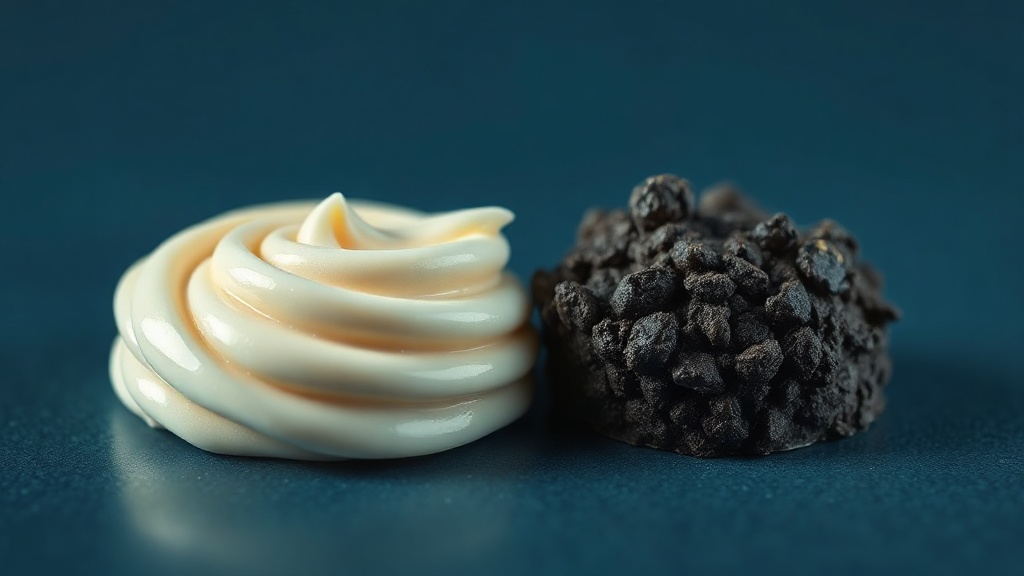
Whitening and charcoal pastes tend to work by being more abrasive - a poor trade for young teeth that do not need whitening in the first place.
What the research actually shows
Every claim below maps to a named, peer-reviewed source in the Sources section. According to PubMed.
| Claim | Evidence | Source |
|---|---|---|
| Fluoride toothpaste reduced childhood tooth decay by about 24% compared with non-fluoride toothpaste - the real reason to choose a paste. | Cochrane systematic review (70 trials, ~42,300 children). | Marinho et al., 2003 |
| Toothpaste below 550 ppm fluoride showed no significant benefit over placebo; meaningful decay reduction appeared at roughly 1000 ppm and above. | Cochrane review of fluoride toothpaste concentrations. | Walsh et al., 2010 |
| For young children the fluoride concentration should be balanced against the risk of fluorosis - which is why the right amount and age-appropriate paste matter. | Cochrane review of fluoride toothpaste concentrations. | Walsh et al., 2019 |
| Popular charcoal and 'whitening' pastes did not protect enamel better; instead, fluoride content correlated strongly with less surface loss. | In-vitro erosion-and-brushing study of nine toothpastes. | Viana et al., 2021 |
| Nano-hydroxyapatite / calcium phosphate is safe to swallow because it dissolves in stomach acid - a reasonable gentle option for fluoride-free families, though an alternative rather than a superior one. | Nanotoxicology safety review. | Epple, 2018 |
Types of kids' toothpaste - what to know
| Type | What it does | Best for |
|---|---|---|
| Age-appropriate fluoride paste | Best-proven ingredient for reducing decay; low abrasion | Most children - the everyday default |
| 'Whitening' kids paste | Adds extra abrasives (sometimes low-dose peroxide) to lift surface stain | Rarely needed; skip for young children |
| Charcoal / 'natural whitening' | Often abrasive, frequently fluoride-free, little proven benefit | Not recommended for kids |
| Fluoride-free hydroxyapatite | A gentle option that is safe to swallow; an alternative to fluoride, not a superior one | Fluoride-free families, with dentist input |
| Peroxide gels or strips | Bleaches the colour of the tooth; not intended for young children | Teens only, and only after a dentist's advice |
What 'whitening' toothpaste actually does
It helps to know what the word 'whitening' on a tube usually means, because it is not the same as the bleaching a dentist does. Most whitening toothpastes do not change the true colour of a tooth at all - they lift surface stain by being more abrasive, essentially scrubbing a bit harder. A smaller number add a low dose of peroxide, the same family of agent behind professional whitening, which can lighten the tooth itself but works slowly at toothpaste strength. Neither approach is a natural fit for children. A child rarely has the built-up surface stain that abrasive pastes target, and reaching for a grittier formula on developing teeth trades a benefit they do not need for wear they do not want. Peroxide, meanwhile, is simply not intended for young children, and any whitening in that age group is a conversation for a dentist, not a supermarket aisle. The honest bottom line: for a child, the value of a toothpaste is in its fluoride and its gentleness, and 'whitening' adds nothing a healthy young smile actually needs.
Evidence you can act on.
Occasional emails — new research, new protocols, no noise.
How to choose and use a kids' toothpaste
Skip the whitening claims and judge a kids' toothpaste on what matters: the right fluoride, the right amount, and a gentle formula. None of this treats a disease - it is everyday cosmetic and dental care. Your pediatric dentist can confirm the best pick for your child.
- 1
Check the fluoride level
once, when you buyLook on the tube for the fluoride amount in ppm. Standard family toothpastes around 1000 to 1500 ppm are the best-proven for reducing decay; formulas below about 550 ppm have not shown a real benefit.
- 2
Match the amount to your child's age
every brushUse only a smear or rice-grain size for children under three, and a pea-sized amount from about three to six. Supervise brushing and encourage spitting rather than swallowing - the amount, not the brand, is what keeps fluoride use safe.
- 3
Favour low abrasion, and look for a recognised seal
once, when you buyChoose a gentle, low-abrasion paste and look for an ADA Seal of Acceptance or your country's equivalent. That, not a whitening label, is the mark of a formula that is both effective and safe for young teeth.
- 4
Skip whitening, charcoal, and peroxide for young kids
ongoingThese add abrasiveness or bleaching a child does not need, and charcoal pastes are often fluoride-free. If your family prefers fluoride-free, a nano-hydroxyapatite paste is a gentler, swallow-safe alternative to discuss with your dentist.
- 5
See the dentist about real discoloration
as neededIf a tooth is truly discoloured or a stain will not brush off, book a dental visit rather than buying a whitening paste - the cause matters, and whitening often cannot fix it.
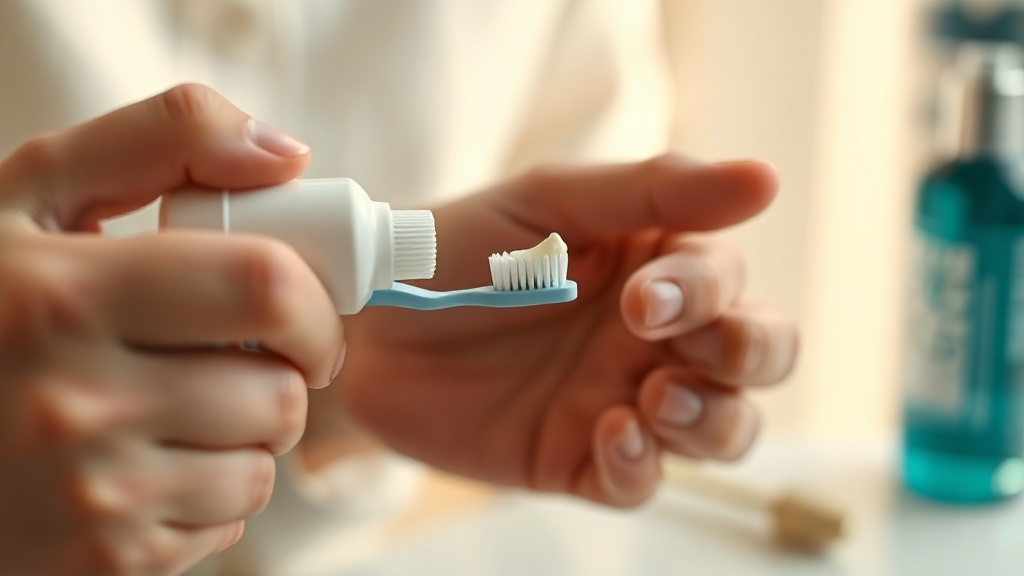
For kids, the value of a toothpaste is fluoride and gentleness in the right amount - a smear under three, a pea from three to six.
See a pediatric dentist if your child has genuine discoloration rather than a passing surface mark: a single grey or dark tooth (which can follow a knock or injury), chalky white or brown spots (which can signal an enamel defect or fluorosis), or a stain that simply will not brush off. Whitening toothpaste cannot correct these and is not the right tool for developing teeth. A dentist can find the cause and advise what, if anything, is safe. This article is educational and does not replace an in-person exam.
Frequently asked questions
Sources
- 1.
- 2.
- 3.
- 4.
- 5.
- 6.

Fix your breath at the source.
The complete science-backed protocol — engineered to eliminate volatile sulfur compounds at the biological source.
Start the Breath Protocol →Related reading
Educational purposes only. The content on this page is not medical advice and is not a substitute for consultation with a qualified dental or medical professional.
More from the library
 Best Of8 min
Best Toothpaste for Kids by Age: An Honest Guide
A calm, age-by-age guide to choosing a kids toothpaste - the right fluoride amount, why flavour matters, and the whitening and charcoal pastes worth skipping.
Read →→ Best Of8 min
Fluoride Toothpaste for Kids: How Much Is Safe (2026)
Fluoride is the best-proven way to protect a child teeth from decay - and using the right small amount for their age is what keeps it both effective and safe.
Read →→ Best Of8 min
Best Toothpaste for Toddlers (2026): An Honest, Dentist-Informed Guide
How to pick a safe toddler toothpaste - why fluoride is the evidence-backed choice, how little you actually need, and how to think about fluoride-free honestly.
Read →→ Guides9 min
Early Childhood Caries: Gentle Prevention for Little Smiles
What early childhood caries is, why it happens, and the calm daily habits - diet, bottle routines, brushing, dental visits - that lower a young child's risk.
Read →→ Best Of8 min
Best Teething Gel for Babies: Safer Soothing Options Compared
Why the honest best is non-medicated relief - and why the FDA warns against benzocaine and lidocaine teething gels for babies and toddlers.
Read →→ Best Of8 min
Best Toothbrush for Kids by Age (2026 Buying Guide)
A calm, honest guide to choosing a child toothbrush by age — soft bristles, small head, and the habits that matter more than any brand.
Read →→