Dry Mouth Relief: Products and Comfort Tips That Actually Help
The fastest dry mouth relief is not one product but a small kit: something to stimulate saliva, something to coat and moisturize, and an overnight option - matched to how dry you actually feel.
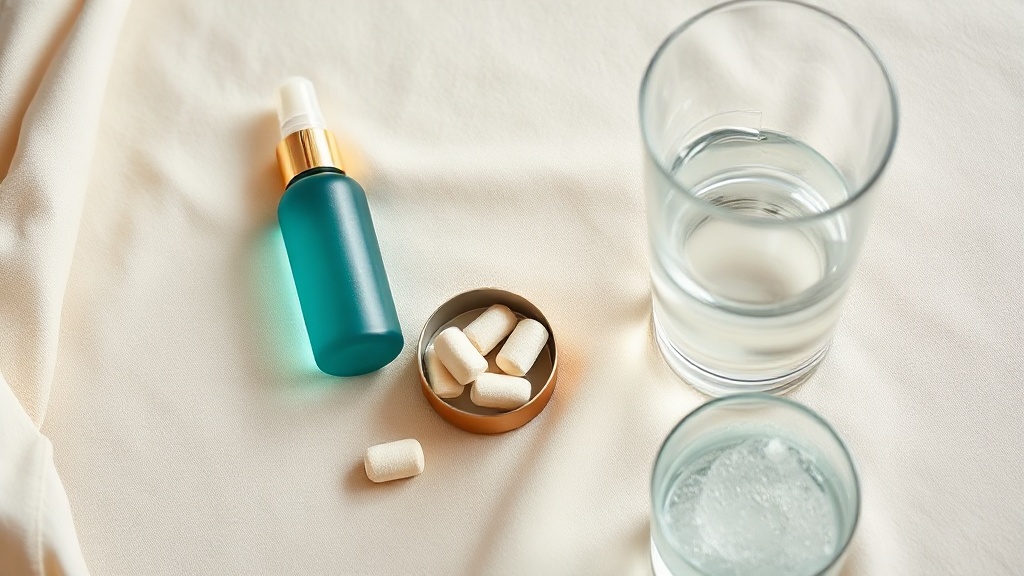
- No over-the-counter product resolves dry mouth completely - the honest goal is fast, repeatable comfort, and the best results come from combining two or three approaches rather than chasing one miracle item.
- The best-evidenced saliva substitute in the research is an oxygenated glycerol triester (OGT) spray, which beat a plain electrolyte spray by about 2 points on a 10-point dryness scale.
- If your salivary glands still have some reserve, sugar-free gum and lozenges are the strongest self-care lever - chewing measurably raises saliva flow.
- For night-time dryness, a slow-dissolving adhering disc is the one format designed to last through sleep, and a small pilot found it more than tripled how wet the mouth felt by morning.
- Persistent dry mouth deserves a professional visit - it is often a medication side effect, and the fix may be a dose review, never stopping a prescribed medicine on your own.
For fast dry mouth relief, sip water and chew sugar-free gum to wake up your own saliva, then add a moisturizing spray or gel to coat the tissue, and an overnight adhering disc if nights are worst. No product resolves it completely - they deliver real, repeatable comfort. If dryness is constant, see a dentist or doctor to find the cause.
Why relief comes from a kit, not a single product
Dry mouth - the feeling clinicians call xerostomia - is the sensation that there is not enough moisture bathing your tissues. It happens when saliva cannot keep up with the fluid lost through breathing and swallowing, leaving thin, dry patches on the palate and tongue. That means there are really two different jobs to be done, and no single product does both well. The first job is to make more of your own saliva, which only works if your glands still have reserve - here gum, lozenges and tart flavors help. The second job is to add moisture from outside when your glands cannot, which is what sprays, gels and rinses do by coating the tissue. The honest ceiling is worth saying plainly: a large Cochrane review of 36 trials found no strong evidence that any topical product reliably relieves dry mouth, and symptoms can linger even when saliva output rises. That is not a reason to give up - it is the reason to build a small kit and match the tool to the moment, rather than expecting one bottle to fix everything.
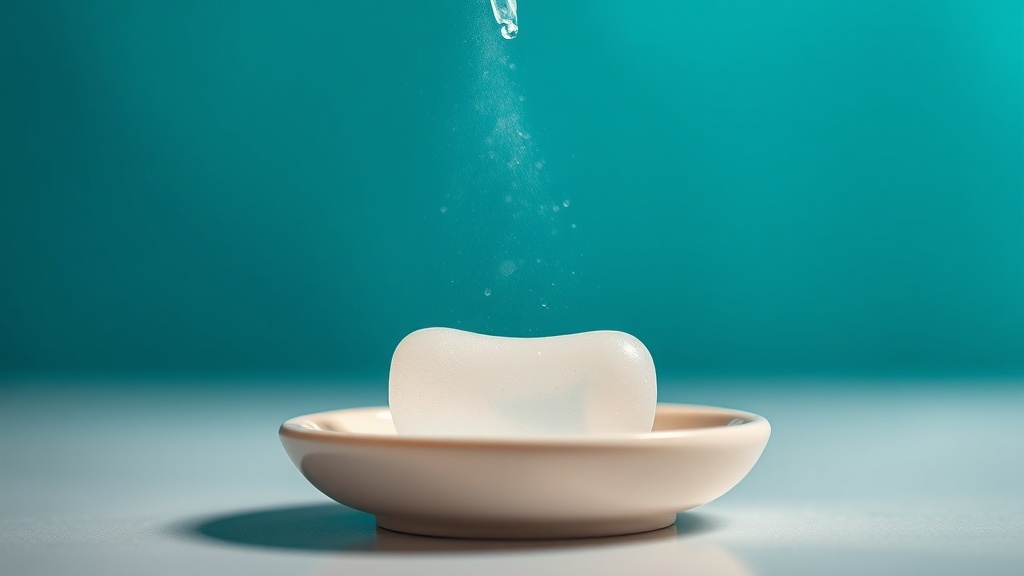
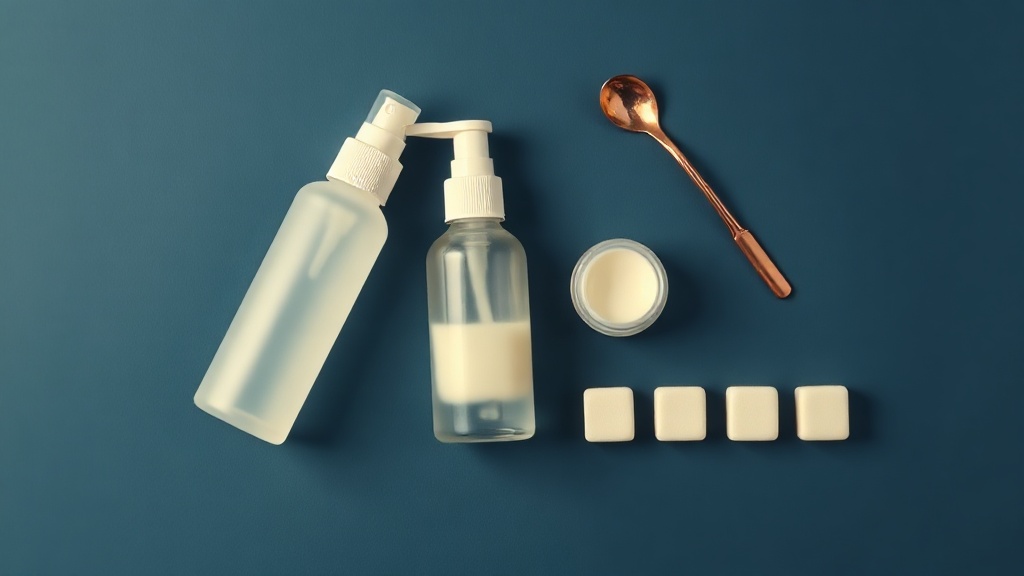
Two jobs, two tools: sprays and gels add moisture from outside, while lozenges and gum coax your own saliva to flow.
What the research says about the products
Every claim below maps to a named, peer-reviewed source in the Sources section. According to PubMed.
| Claim | Evidence | Source |
|---|---|---|
| The best-supported saliva substitute is an oxygenated glycerol triester (OGT) spray, which improved dryness by roughly 2 points on a 10-point scale versus a plain electrolyte spray. | Cochrane systematic review of 36 randomized trials (1,597 participants). | Furness et al., 2011 |
| Chewing sugar-free gum measurably increases unstimulated saliva flow in older and medically compromised people, and chewing on more days improves the effect. | Systematic review and meta-analysis (SMD 0.44, 95% CI 0.22-0.66). | Dodds et al., 2023 |
| A slow-dissolving xylitol adhering disc used overnight more than tripled how wet the mouth felt and eased morning discomfort - promising for night-time comfort. | Small uncontrolled pilot study (n=15); not a large controlled trial. | Burgess and Lee, 2011 |
| An edible saliva-substitute jelly and a topical gel both significantly reduced dry mouth and improved swallowing over two months, with the edible jelly performing best. | Randomized controlled trial in post-radiotherapy patients (n=62; p<0.0001). | Nuchit et al., 2019 |
| A moisturizing oral balance gel significantly relieved dry-mouth symptoms over 14 days and was well tolerated with no adverse events. | Randomized crossover clinical study (52 participants). | Milleman et al., 2016 |
The dry mouth relief toolkit at a glance
| Product type | What it does | Best for | Honest limit |
|---|---|---|---|
| Sugar-free gum and lozenges | Stimulate your own saliva through chewing and tart flavor | Daytime dryness when glands still have reserve | Little help in severe cases with almost no flow |
| Moisturizing spray or gel | Coat and lubricate tissue with an outside moisture layer | On-the-spot comfort, speaking, before meals | Relief is short-lived; reapply often |
| Overnight adhering disc | Slowly releases moisture and xylitol while you sleep | People whose dryness is worst at night | Evidence is a small pilot, not a large trial |
| Alcohol-free rinse | Freshens without the drying sting of alcohol | A gentler daily rinse than standard mouthwash | Comfort only; does not add lasting moisture |
| High-fluoride toothpaste | Keeps vulnerable tooth surfaces hard when saliva is low | Protecting teeth that a dry mouth leaves exposed | Not a comfort product; a dental safeguard |
What actually works versus what is hype
A recurring theme in the research is that the feeling of dryness and the amount of saliva are not the same thing, so a product can raise your flow numbers and still leave you feeling parched - and the reverse is true too. That is why the honest lever in gum and lozenges is not a magic ingredient but the physical act of chewing and sucking: studies show sucking a lozenge can raise saliva several-fold, and steady chewing keeps flow and pH up for as long as you keep going. It is also why some heavily marketed fixes do not hold up. A Cochrane review of non-drug approaches found acupuncture was no better than a placebo for dry-mouth symptoms. And overnight discs, while genuinely useful for night comfort, rest on a single small study - they have not been confirmed in a large controlled trial, so treat bold product claims with healthy skepticism. The practical takeaway: favor the simple, cheap tools that reliably do something - water, gum, a substitute you like the feel of - and layer them, rather than paying a premium for promises.
Evidence you can act on.
Occasional emails — new research, new protocols, no noise.
How to build your relief kit
None of this fixes a disease - it is about keeping your mouth comfortable through the day and night. Start simple and add only what you need.
- 1
Sip water and keep it nearby
all dayFrequent small sips are the cheapest relief there is. Keep water within reach, especially after coffee, alcohol or a long stretch of talking, and favor sips over gulps so the moisture stays where you need it.
- 2
Wake up your own saliva
as neededIf your glands still have reserve, chew a piece of sugar-free gum or let a lozenge dissolve when dryness creeps in. A slightly tart, xylitol-sweetened option adds a gentle flavor nudge without feeding decay-causing bacteria.
- 3
Add a moisturizing spray or gel
before meals and speakingWhen your own saliva is not enough, a spray or gel lays down an outside moisture layer. Use it before eating, before a meeting, or any time the tissue feels tight. Reapply freely - the relief is real but short.
- 4
Cover the night
overnightNight-time is often the worst, because saliva naturally slows during sleep. A slow-dissolving adhering disc tucked against the gum is the one format built to last through the night; a bedside glass of water helps too.
- 5
Protect the teeth underneath
twice dailyA dry mouth leaves tooth surfaces more exposed, so brush with a high-fluoride toothpaste to keep them hard. This is a safeguard, not a comfort step - and it is worth asking your dentist whether a prescription-strength paste suits you.
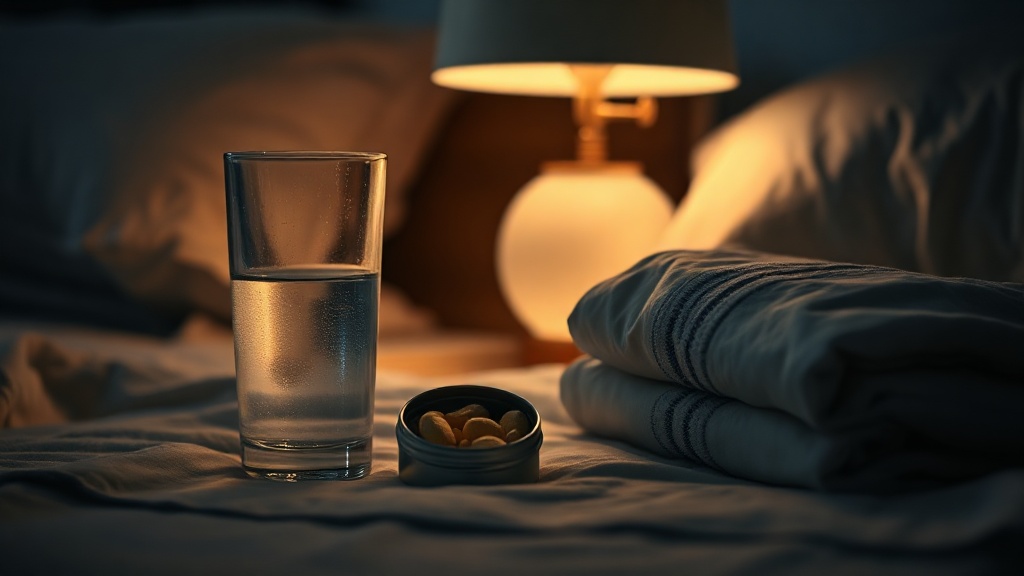
Night-time is often the driest stretch - an overnight option and water within reach make the biggest difference.
Reach out to a dentist or doctor if dry mouth is constant rather than occasional, if it started after a new medicine, if you also have dry eyes, or if you notice new tooth sensitivity, sores, or trouble swallowing. Persistent dry mouth is most often a medication side effect, and the right move is a professional review of your prescriptions - never stop a prescribed medicine on your own. A clinician can help identify the cause and protect your teeth while you manage the comfort day to day.
Frequently asked questions
Sources
- 1.
- 2.
- 3.
- 4.
- 5.
- 6.
- 7.
- 8.

Fix your breath at the source.
The complete science-backed protocol — engineered to eliminate volatile sulfur compounds at the biological source.
Start the Breath Protocol →Related reading
Educational purposes only. The content on this page is not medical advice and is not a substitute for consultation with a qualified dental or medical professional.
More from the library
 Best Of8 min
Best Products for Dry Mouth
An evidence-based roundup of the product categories that ease dry mouth, and how to assemble a small kit that covers your worst moments day and night.
Read →→ Best Of8 min
Best Dry Mouth Sprays: What the Evidence Actually Shows
The honest, evidence-led guide to choosing a dry mouth spray that genuinely eases the dry feeling.
Read →→ Best Of8 min
Best Saliva Substitutes for Dry Mouth
A plain-English guide to what saliva substitutes are, which ingredients and formats exist, and what the evidence honestly says about the comfort they offer.
Read →→ Answers8 min
How to Get Rid of Dry Mouth: Comfort Steps That Actually Work
The practical, evidence-based steps that ease a dry mouth - and an honest note on where relief ends and a professional begins.
Read →→ Guides8 min
How to Fix Dry Mouth: An Evidence-Based Guide
Dry mouth is usually manageable once you know what is driving it and which supportive habits actually move the needle.
Read →→ Guides8 min
Dry Mouth at Night: Why It Happens and How to Sleep Easier
Nighttime dryness is common because your saliva naturally slows while you sleep, and a few targeted habits can make a real difference.
Read →→