Best Products for Dry Mouth
An evidence-based roundup of the product categories that ease dry mouth, and how to assemble a small kit that covers your worst moments day and night.
- There is no single best product for dry mouth; the honest goal is to assemble a small kit that covers your worst moments, day and night.
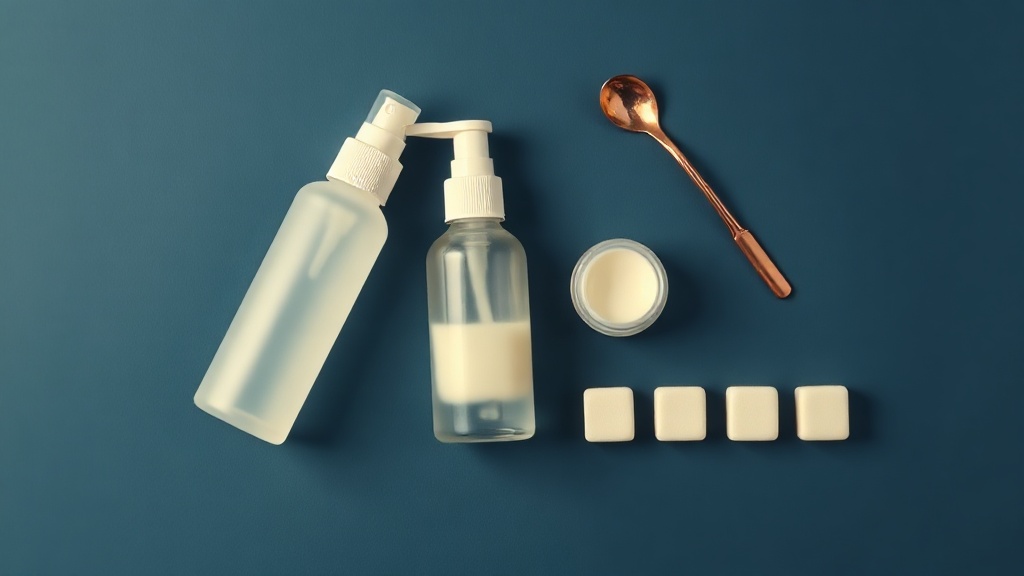
- The categories that matter: saliva substitutes (sprays and gels that coat), stimulants (sugar-free gum and lozenges that coax your own saliva), overnight products (thick gels and slow-dissolving discs), a high-fluoride toothpaste, and, for many people, a bedroom humidifier.
- The evidence is modest but real: a Cochrane review found no product reliably relieves dry mouth, yet gels, an oxygenated glycerol triester spray, chewing gum, and overnight discs each help some people feel better.
- Because dry mouth is one of the strongest risk factors for tooth decay, a high-fluoride toothpaste and sugar-free (xylitol) choices matter as much as any comfort spray.
- Products manage the symptom, not the cause. If dryness is constant or follows a new medication, see a professional, and never stop a prescribed medicine on your own.
The best approach to dry mouth is a small kit, not one product: a coating spray or gel for the day, an overnight gel or disc for night, sugar-free gum or lozenges to stimulate your own saliva, a high-fluoride toothpaste to protect exposed teeth, and often a bedroom humidifier. The evidence shows modest comfort, so match products to your worst moments.
Why one product is never the whole answer
Dry mouth is not one problem but several at once. During the day it makes talking and eating uncomfortable; at night it wakes you and leaves you parched by morning; and around the clock it removes saliva tooth-guarding role. No single product covers all of that, which is why the people who cope best tend to build a small, deliberate kit rather than hunt for one miracle bottle. The kit has four jobs to fill. First, coating: a spray or gel that lays down a slippery, moisture-holding film in place of missing saliva. Second, stimulation: sugar-free gum or lozenges that gently encourage your own glands to release more of their own saliva, useful when some gland function remains. Third, the overnight problem, which is its own beast: thin films evaporate during mouth-breathing sleep, so thicker gels, slow-dissolving discs worn overnight, and a bedroom humidifier that adds moisture to the air all target the small hours specifically. Fourth, protection: because a dry mouth leaves teeth far more exposed, a high-fluoride toothpaste and sugar-free choices do quiet, important work that no comfort spray can. Understanding those four jobs turns a confusing shelf of products into a simple shopping list.

Night-time is a distinct problem: overnight gels, slow-dissolving discs, and a bedroom humidifier all target the small hours.
What the research actually shows
Every claim below maps to a named, peer-reviewed source in the Sources section. According to PubMed.
| Claim | Evidence | Source |
|---|---|---|
| No single topical product reliably relieves dry mouth; the clearest signal was an oxygenated glycerol triester spray, so realistic products aim for comfort rather than a fix. | Cochrane review, 36 randomised trials, 1,597 participants. | Furness et al., 2011 |
| Chewing sugar-free gum modestly raised unstimulated saliva flow in older and medically compromised people; longer chewing gave more benefit. | Systematic review and meta-analysis, effect size SMD 0.44 (one author is a gum maker). | Dodds et al., 2023 |
| A moisturizing gel and an edible jelly both significantly improved dry-mouth and swallowing scores after radiotherapy. | Randomised trial, n=62, p<0.0001. | Nuchit et al., 2019 |
| An overnight xylitol adhering disc raised perceived night-time wetness more than threefold and eased morning discomfort. | Small uncontrolled pilot, n=15, promising rather than proof. | Burgess & Lee, 2011 |
| Overnight heated humidification significantly reduced night-time and early-morning dry-mouth discomfort. | Sjögren pilot; night-time improvement p=0.005. | Hay & Morton, 2006 |
The product categories at a glance
| Category | What it does | When it shines |
|---|---|---|
| Coating spray or gel (saliva substitute) | Replaces saliva slippery film | Daytime dryness while talking or eating |
| Sugar-free gum or lozenges (stimulant) | Coaxes your own glands to release saliva | When some gland function remains |
| Overnight gel or slow-dissolving disc | Long-lasting coat that survives sleep | Waking dry; morning discomfort |
| Bedroom humidifier | Adds moisture to the air you breathe | Mouth-breathing and CPAP-related night dryness |
| High-fluoride toothpaste | Hardens enamel where dry mouth leaves it exposed | Protecting teeth over the long term |
How to build your kit without wasting money
The quickest way to waste money on dry mouth is to buy the biggest, boldest bottle first. A smarter path is to start with the moment that bothers you most and add only what earns its place. If your worst time is the working day, a refillable coating spray plus a pack of sugar-free gum will cover most of it cheaply. If nights are the problem, a thick overnight gel or a slow-dissolving disc, plus a humidifier by the bed, targets the exact hours when saliva runs lowest. Everyone, regardless of their worst moment, benefits from the two quiet protectors: a high-fluoride toothpaste and a habit of choosing sugar-free, xylitol-sweetened products, because a dry mouth is one of the strongest risk factors for tooth decay and those two choices do the most to keep exposed teeth safe. Two honest cautions keep the kit sensible. First, flavour and strength are not the same as effectiveness; very acidic sprays can feel zingy but wear enamel, so gentler is usually better for daily use. Second, no product on this list changes why your mouth is dry. If dryness is constant, worsening, or newly arrived with a medication, the most valuable thing in your kit is a visit to a dentist or doctor.
Evidence you can act on.
Occasional emails — new research, new protocols, no noise.
Building your dry-mouth kit, step by step
Add one layer at a time and judge each by comfort. This kit manages the feeling of dryness; it does not address the cause, which is a conversation for your dentist or doctor.
- 1
Cover the daytime with a coating spray or gel
as neededA carboxymethylcellulose, mucin, or glycerin-based product lays down a slippery film in place of missing saliva. A spray is easy to reapply on the go; a gel lasts longer. This is the backbone of most kits.
- 2
Keep your own saliva flowing with sugar-free gum
through the dayChewing sugar-free (xylitol) gum modestly lifts your own saliva when some gland function remains, and it costs little. Lozenges do a similar job if chewing is awkward. Skip anything sweetened with sugar.
- 3
Solve the night separately
overnightNight-time is its own problem. A thick overnight gel or a slow-dissolving disc worn while you sleep keeps a coat in place for hours, and a cool-mist humidifier by the bed adds moisture to the air, which trials link to less night-time and early-morning dryness.
- 4
Protect exposed teeth with high fluoride
twice dailyBecause dry mouth leaves teeth more exposed, a high-fluoride toothpaste (up to 5000 ppm on a dentist recommendation) hardens enamel and helps hold root surfaces firm. This is the least glamorous and arguably most important item in the kit.
- 5
Reassess, and route anything stubborn to a professional
ongoingGive the kit a couple of weeks. If comfort is still poor, or the dryness is worsening or tied to a new medicine, book a dental or medical review rather than buying more. Never stop a prescribed medication on your own to chase relief.
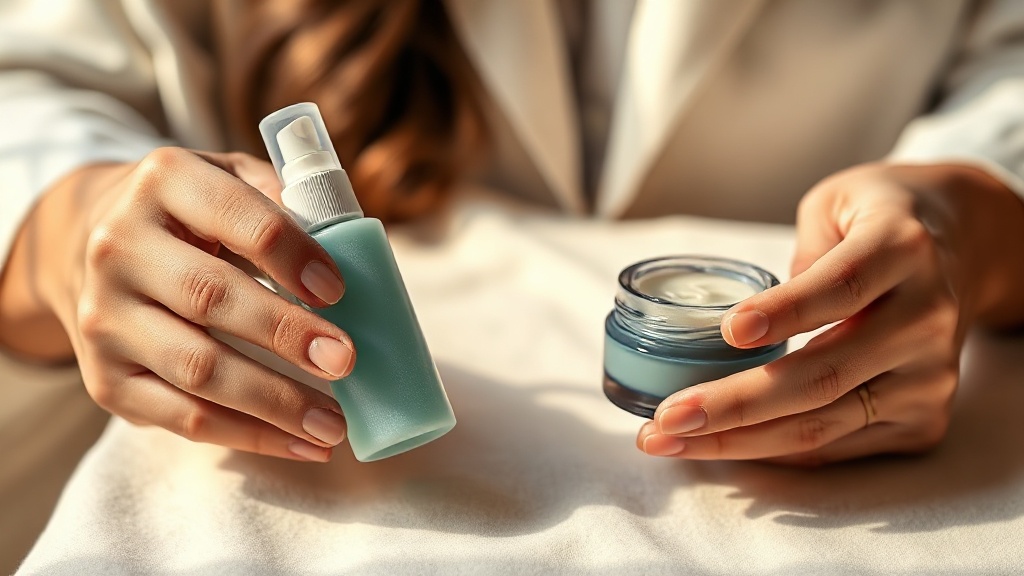
Start with the moment that bothers you most and add only what earns its place, rather than buying the biggest bottle first.
Products ease the feeling of dry mouth; they do not address why it is happening. See a dentist or doctor if dryness is constant, is getting worse, arrives with dry eyes, follows a new medication, or is making eating, speaking, or sleeping difficult. Persistent dry mouth is one of the strongest risk factors for tooth decay, so ask about more frequent check-ups and a high-fluoride toothpaste. Never stop or change a prescribed medicine on your own; ask the prescriber whether a different option is possible.
Frequently asked questions
Sources
- 1.
- 2.
- 3.
- 4.
- 5.
- 6.
- 7.
- 8.
- 9.

Fix your breath at the source.
The complete science-backed protocol — engineered to eliminate volatile sulfur compounds at the biological source.
Start the Breath Protocol →Related reading
Educational purposes only. The content on this page is not medical advice and is not a substitute for consultation with a qualified dental or medical professional.
More from the library
 Best Of8 min
Best Dry Mouth Sprays: What the Evidence Actually Shows
The honest, evidence-led guide to choosing a dry mouth spray that genuinely eases the dry feeling.
Read →→ Best Of8 min
Dry Mouth Lozenges: What Actually Works, and What to Look For
How dry-mouth lozenges really work, which type fits which situation, and the honest limits of what a lozenge can do.
Read →→ Best Of8 min
Best Toothpaste for Dry Mouth: An Honest, Evidence-Based Guide
The right toothpaste will not fix dry mouth, but it can protect the teeth a dry mouth leaves exposed and avoid the ingredients that sting. Here is how to choose.
Read →→ Best Of8 min
Best Humidifier for Dry Mouth
How a humidifier eases overnight dry mouth, which type to pick, and how to get the most from it.
Read →→ Guides8 min
How to Fix Dry Mouth: An Evidence-Based Guide
Dry mouth is usually manageable once you know what is driving it and which supportive habits actually move the needle.
Read →→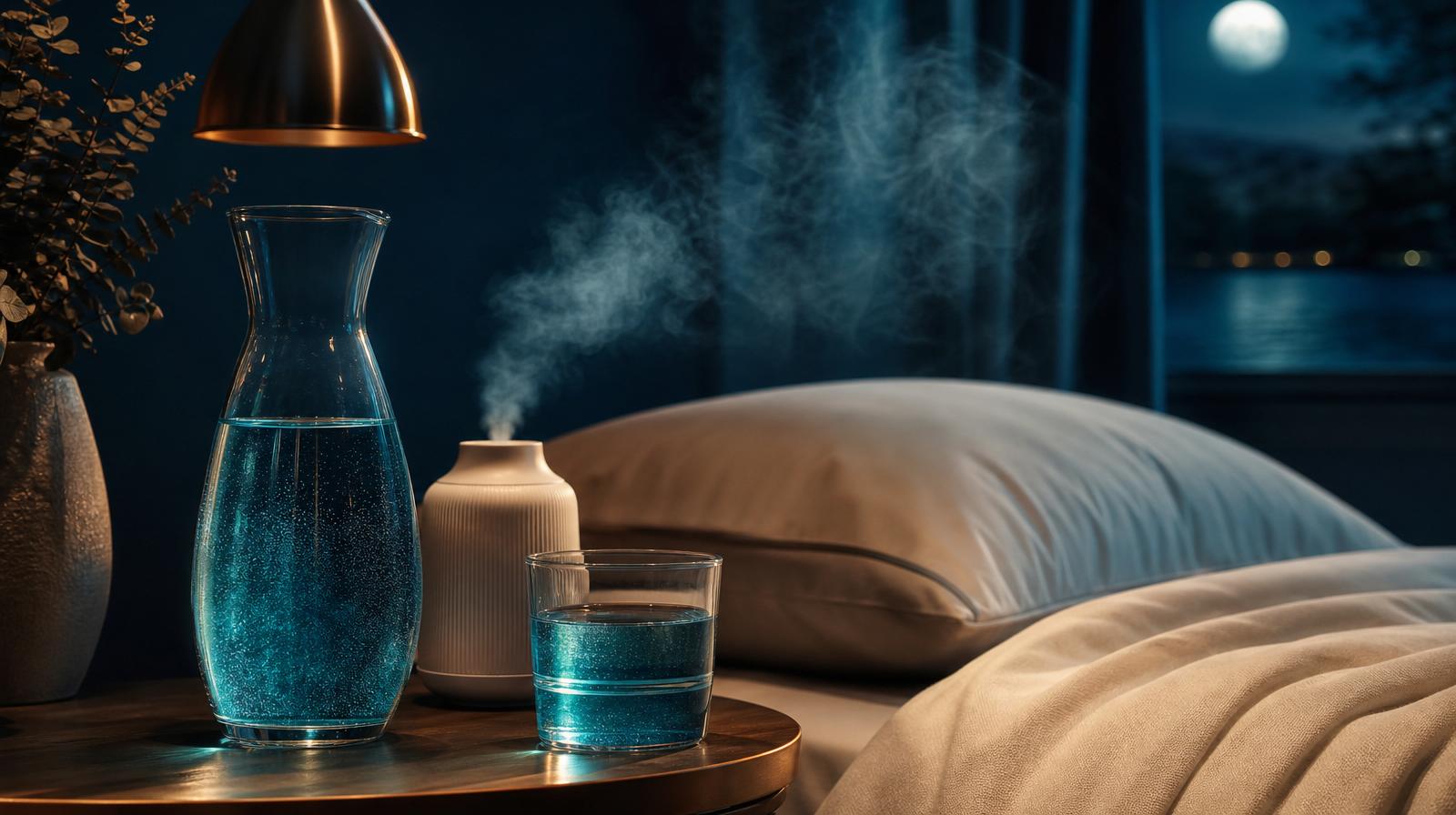 Guides8 min
Dry Mouth at Night: Why It Happens and How to Sleep Easier
Nighttime dryness is common because your saliva naturally slows while you sleep, and a few targeted habits can make a real difference.
Read →→