The Best Canker Sore Medicine: OTC Options Compared
Canker sores (aphthous ulcers) settle on their own — the right over-the-counter product mainly buys comfort and protection while they do. Here is what the evidence supports.
- Canker sores are aphthous ulcers inside the soft tissue of the mouth — they are not cold sores, which blister on the outer lip and are caused by a virus.
- No over-the-counter product cures a canker sore: they settle on their own, usually within a week or two. The best medicine mainly eases discomfort and protects the sore while it does.
- For comfort, numbing gels dull pain on contact; for protection, barrier pastes and soothing hyaluronic gels shield the sore from irritation while you eat and talk.
- In trials, amlexanox 5 percent paste, topical corticosteroids, antiseptic rinses, hyaluronic acid and even licorice each reduced pain or shortened how long ulcers lingered — but studies are small and effects are modest.
- See a professional if a sore lasts more than two to three weeks, is unusually large, keeps coming back in crops, or comes with fever or sores elsewhere on the body.
The best canker sore medicine depends on your goal. For pain, a benzocaine or lidocaine numbing gel helps you eat and talk. For protection, a barrier paste or soothing hyaluronic gel shields the sore. Antiseptic rinses and amlexanox paste can ease symptoms in trials. None cures the sore — they buy comfort while it settles on its own.
What a canker sore is, and what it is not
A canker sore, known clinically as recurrent aphthous stomatitis, is the most common ulcer of the mouth lining. Estimates of how many people get them range from about 5 to 25 percent of the general population, with the first flare-ups often arriving in the teens or twenties. The sore itself is small, round or oval, with a pale grey or yellowish centre and a red halo, and it forms on the soft, movable tissue: the inside of the lips and cheeks, the floor of the mouth, or the underside of the tongue. The most important thing to get right before buying anything is that a canker sore is not a cold sore. Cold sores are clusters of fluid-filled blisters caused by the herpes simplex virus, and they appear on the outer lip or around the mouth, where canker sores never do. That distinction matters because the products aimed at each are different. The exact trigger of a canker sore is still not fully understood — it is thought to be an immune and inflammatory response in people who are predisposed, sometimes set off by stress, a minor injury, certain foods or a run-down period — and, critically, there is no curative treatment. The sore runs its course and heals over on its own, which is exactly why the job of any over-the-counter medicine is comfort and protection, not a cure.
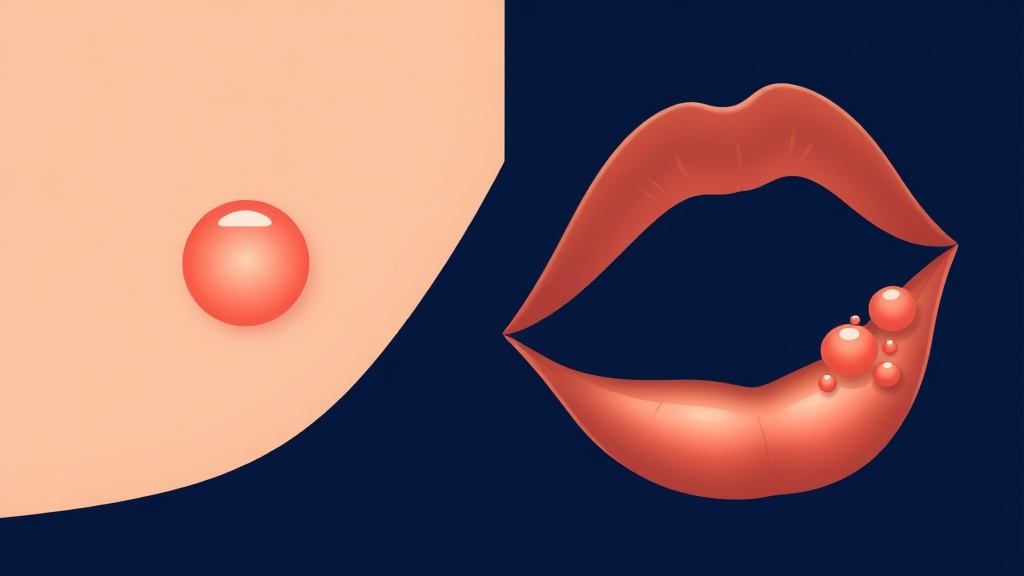
A canker sore sits inside the mouth on soft tissue; a cold sore blisters on the outer lip. They are different conditions with different products.
What the research actually shows
Every claim below maps to a named, peer-reviewed source in the Sources section. According to PubMed.
| Claim | Evidence | Source |
|---|---|---|
| Aphthous ulcers are the most common oral mucosal ulcer, affecting roughly 5 to 25 percent of people, and at present there is no curative treatment — they resolve on their own. | Narrative review of recurrent aphthous stomatitis. | Conejero Del Mazo et al., Med Clin 2023 |
| In a randomized trial, 5 percent amlexanox oral paste significantly reduced ulcer size, pain, redness and oozing by day 6 versus a placebo paste. | Randomized, vehicle-controlled trial in 100 patients. | Bhat & Sujatha, Indian J Dent Res 2013 |
| A topical corticosteroid (triamcinolone) and a chlorhexidine rinse each reduced ulcer pain, with no significant difference between the two. | Randomized controlled trial across 35 ulcer episodes. | Miles et al., Oral Surg Oral Med Oral Pathol 1993 |
| A systematic review of nine trials found topical hyaluronic acid eased pain and shortened healing time, with no reported side effects. | Systematic review of 9 clinical trials (538 patients). | Al-Maweri et al., Clin Oral Investig 2021 |
| A systematic review of six trials found topical licorice reduced pain, ulcer size and healing time — typically within 4 to 8 days — with no adverse effects reported. | Systematic review of 6 clinical trials (314 subjects). | Dorsareh et al., Iran J Med Sci 2023 |
The OTC options, compared
| OTC option | How it helps | Best when | Honest limit |
|---|---|---|---|
| Numbing gels (benzocaine, lidocaine) | Temporarily dulls pain on contact | You need to eat or talk comfortably | Wears off in about 30 to 60 minutes; does not speed healing |
| Barrier pastes and patches | Cover the sore from rubbing and food | A single sore that stings when you eat | A mechanical shield only; adhesion varies with placement |
| Hyaluronic acid gels | Soothing film; eased pain and time in trials | You want low-risk comfort with a gentle option | Evidence is promising but studies are mixed |
| Antiseptic rinses (chlorhexidine) | Lowers bacterial load; eased pain in trials | Multiple or hard-to-reach sores | Prolonged use can stain teeth and alter taste |
| Amlexanox 5 percent paste | Anti-inflammatory; cut size and pain in RCTs | A stubborn single ulcer, applied early | Prescription in some regions; apply four times daily |
| Natural soothers (licorice) | Anti-inflammatory, plant-based comfort | You prefer a botanical option | Fewer and smaller studies than the mainstream choices |
Why the best choice depends on what you actually want
There is no single best canker sore medicine, because the products do genuinely different jobs and people want different things. If your only problem is that the sore screams when food touches it, a numbing gel is the most direct answer — it deadens the surface for half an hour so a meal is bearable, though it does nothing to the ulcer underneath. If the sore keeps getting knocked and re-irritated, a barrier paste or an adhesive patch is the smarter buy, because covering it lets the tissue settle undisturbed. If you want gentle, low-risk comfort with a little evidence behind it, a hyaluronic acid gel forms a soothing film and, in a run of small trials, was linked to less pain and quicker settling with no reported side effects. Antiseptic rinses and amlexanox paste sit a step up in strength and are worth considering for stubborn or multiple sores, while licorice appeals to those who prefer a plant-based option. The unifying honesty across all of them is the same: the sore was always going to heal over on its own within a week or two, so what you are really buying is a more comfortable, better-protected week — not a shortcut to a cure.
Evidence you can act on.
Occasional emails — new research, new protocols, no noise.
How to use canker sore products well
Getting good relief is as much about technique and timing as it is about which tube you buy. A simple sequence gets the most out of any of these products.
- 1
Confirm it is a canker sore, not a cold sore
one minuteCheck the location. A canker sore sits inside the mouth on soft tissue and is a single round ulcer with a pale centre and red rim. A cold sore blisters on the outer lip. If it is on the lip border or blistering, this roundup does not apply — that is a different condition with different products.
- 2
Numb before meals
as neededDry the spot gently, then dab a benzocaine or lidocaine gel on about 10 to 15 minutes before eating. This is the difference between dreading a meal and getting through it. Follow the label on how often you can reapply.
- 3
Shield it after eating and before bed
twice daily or moreOnce the mouth is clean, apply a barrier paste or a hyaluronic gel over the sore to cover it from rubbing and acidic food. A protected sore is a more comfortable sore, and it is left alone to settle.
- 4
Rinse gently to keep it clean
as neededA mild antiseptic rinse or a simple warm salt-water swish keeps the area clean without stinging. Skip high-alcohol rinses while a sore is open — they burn and add nothing. Reserve chlorhexidine for short stretches, since prolonged use can stain teeth.
- 5
Remove the everyday irritants
while it settlesSwitch to a toothpaste without sodium lauryl sulfate (SLS), which some people find aggravates sores, and go easy on sharp, acidic or spicy foods that sting the raw spot. Small changes make the comfortable week easier to get through.
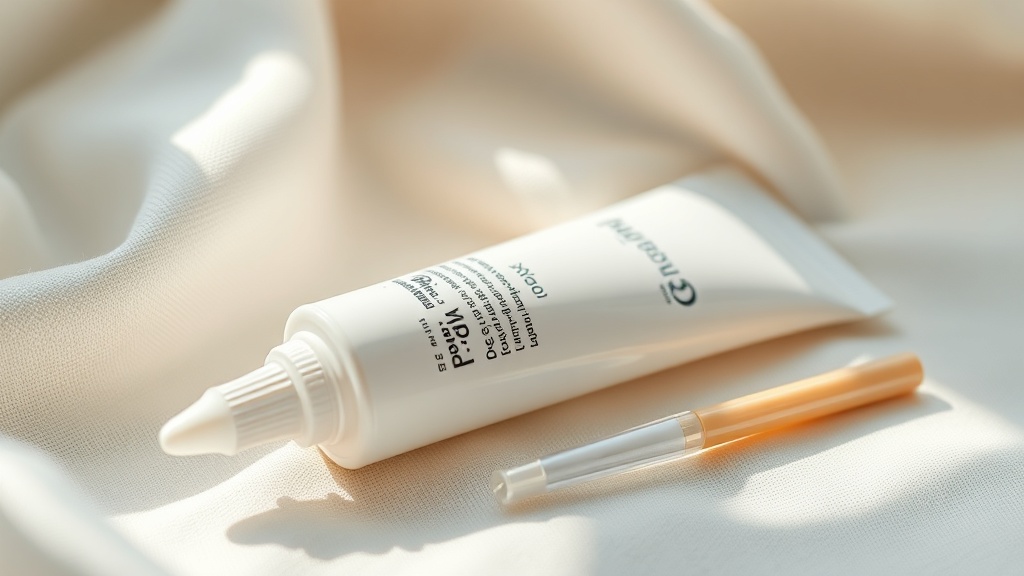
For a single sore, the practical kit is small: a numbing or soothing gel, a barrier product, and a gentle rinse.
Most canker sores settle on their own within a week or two. See a dentist or doctor if a sore lasts longer than two to three weeks, is unusually large or deep, keeps returning in crops, makes eating or drinking very difficult, or comes with a fever, swollen glands, or sores elsewhere on the body. A single ulcer that will not heal should always be assessed in person rather than self-managed, so a professional can rule out other causes.
Frequently asked questions
Sources
- 1.
- 2.
- 3.
- 4.
- 5.
- 6.
- 7.

Fix your breath at the source.
The complete science-backed protocol — engineered to eliminate volatile sulfur compounds at the biological source.
Start the Breath Protocol →Related reading
Educational purposes only. The content on this page is not medical advice and is not a substitute for consultation with a qualified dental or medical professional.
More from the library
 Best Of8 min
The Best Alcohol-Free Mouthwash for Fresh Breath
Skip the burn. Alcohol-free rinses can freshen breath just as well, if you choose by active ingredient rather than by that stinging tingle. Here is what the evidence supports.
Read →→ Best Of8 min
The Best Mouthwash for Bad Breath, by Active Ingredient
There is no single winner, only the right rinse for the right job. Here is how the active ingredients compare on the evidence, and which suits everyday fresh breath.
Read →→ Answers7 min
Does Mouthwash Kill Good Bacteria? What the Evidence Says
Antibacterial rinses do not tell friendly bacteria from unfriendly ones. Here is what that means for your breath, and how to use mouthwash without working against yourself.
Read →→ Guides8 min
How to Get Rid of Bad Breath Permanently: An Evidence-Based Plan
The honest version: "permanently" means ongoing control, not a one-time fix. Here is the daily routine the research actually supports, and when to get help.
Read →→ Guides7 min
Bad Breath Even After Brushing? The Biological Reason (and Fix)
You brushed, flossed and rinsed — and the smell is still there. The reason usually isn't hygiene; it's where the odour-causing bacteria actually live.
Read →→ Ingredients9 min
Probiotics for Bad Breath: Do Oral Probiotics Actually Work?
Oral probiotics try to fix bad breath at the source, by shifting which bacteria live on your tongue. The idea is promising; the evidence is still early.
Read →→