Best Toddler Toothbrushes: Dentist-Informed Picks for Ages 1-3
How to choose a toddler toothbrush that is soft, small and safe - and why the parent, not the brush, does the real cleaning until about age six.
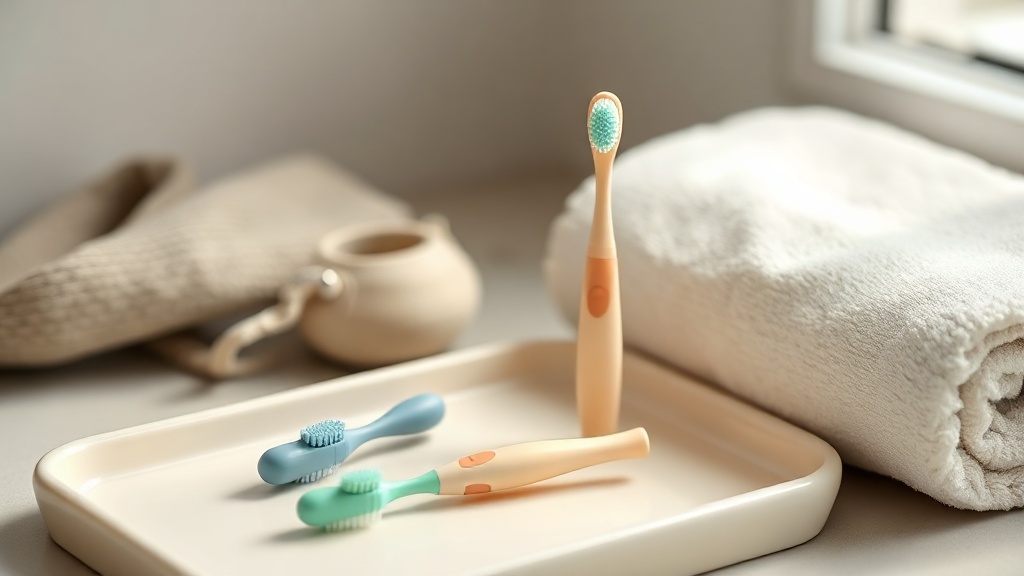
- For a child aged one to three, the toothbrush matters far less than who is holding it: until roughly age six to eight a toddler lacks the hand control to clean their own teeth, so the parent does the real brushing while the child practises alongside.
- The features that actually matter are boringly practical - soft, rounded bristles, a small head that fits a tiny mouth, and a fat, easy-to-grip handle, ideally with a shield or wide neck so it cannot be pushed too far back.
- A toothbrush is mostly a delivery device for a rice-grain smear of fluoride toothpaste, which is the ingredient with the strongest evidence behind it; brushing without it does far less for the teeth.
- Manual or powered is a matter of preference, not a safety line - both clean well when an adult guides them, so pick whichever your toddler will actually sit still for, twice a day.
- No brush prevents decay on its own. Brushing is one lever among several - diet and sugar frequency matter at least as much - and none of it replaces a first dental visit around your child's first birthday.
The best toddler toothbrush has soft rounded bristles, a small head, and a chunky handle a parent can control - because for ages one to three, you are the one doing the brushing. Manual or powered both work well; pair it with a rice-grain smear of fluoride toothpaste, gently, twice a day.
What a toddler toothbrush is actually for
It is easy to overthink this. A toddler's toothbrush has one job: to sweep a thin film of fluoride toothpaste across twenty small teeth twice a day, gently enough that it never hurts and never scares. Everything about a good toddler brush follows from that. The head is small because a one-to-three-year-old's mouth is small, and a bulky adult head simply cannot reach the back molars where decay most often starts. The bristles are soft and rounded because young gums bruise easily, and a scratchy brush is the fastest way to turn brushing into a nightly fight. The handle is short and fat - sometimes with a chunky ring or shield - partly so small hands can grip it while they learn, and partly so it cannot be jabbed too far toward the throat. What a toddler brush is not is a tool your child uses alone. At this age the brush that matters is in your hand; the colourful one they clutch is for play, for copying you, and for building the habit.
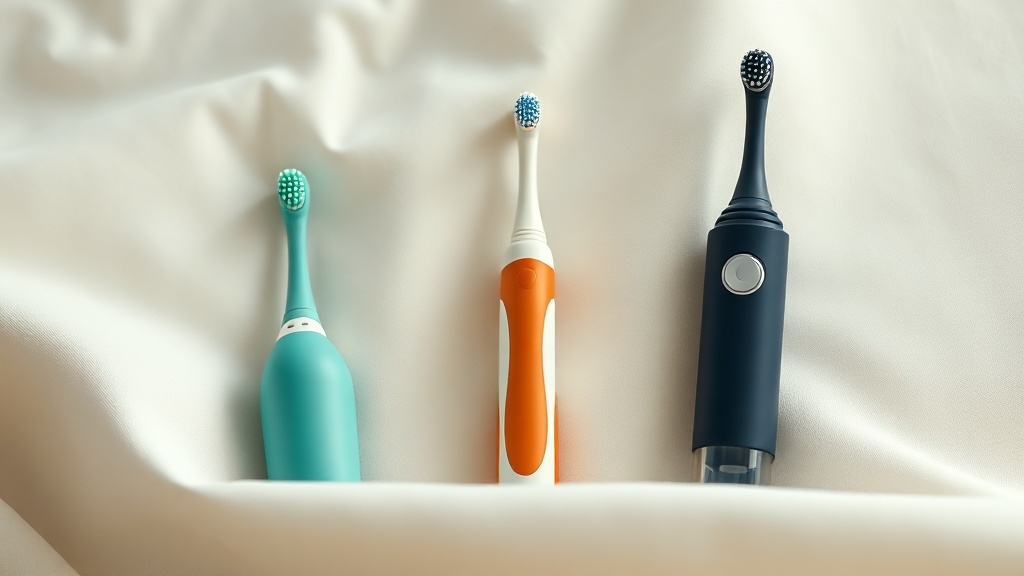
The three toddler brush types you will actually meet: a soft finger brush, a small-head manual brush, and a compact powered brush. All work when a parent guides them.
What the research actually shows
Every claim below maps to a named, peer-reviewed source in the Sources section. According to PubMed.
| Claim | Evidence | Source |
|---|---|---|
| Early childhood caries affects roughly 48% of preschoolers worldwide, which is why a simple daily brushing habit is one of the most valuable routines you can build. | Global pooled prevalence (64 reports, 59,018 children). | Uribe et al., 2021 |
| Brushing less than twice a day was linked to about 2.1 times higher odds of early childhood caries, and starting by around 12 months of age appears protective. | Systematic review and meta-analysis (32 studies). | Al-Sharani et al., 2025 |
| A smear of fluoride toothpaste prevents roughly 24% of tooth decay compared with a non-fluoride paste - the brush is mainly how you deliver it. | Cochrane review (70 trials, 42,300 children). | Marinho et al., 2003 |
| Adult-supervised toothbrushing is an effective, evidence-backed way to reduce decay in young children. | Systematic review of caries-prevention strategies. | Skeie & Klock, 2018 |
| Feeding and diet advice to caregivers cut early childhood caries by about 15% - a reminder that brushing works alongside, not instead of, cutting sugar. | Cochrane review of feeding interventions. | Gomersall et al., 2024 |
Toddler brush types at a glance
| Type | Best for | Watch-outs |
|---|---|---|
| Small-head manual brush | The everyday default - simple, inexpensive, easy for a parent to control | Replace when the bristles splay, about every three months |
| Silicone finger brush | The very first teeth and young babies; gentle and easy to control | Outgrown quickly; no real bristles to clean the grooves as molars arrive |
| Powered toddler brush | Children who enjoy the buzz and sit still a little longer for it | Heavier handle; still needs a parent guiding it, not a hands-off gadget |
| 360-degree / U-shape mouthpiece | Marketed as fast and hands-free | Weak evidence they clean well in small children; not a substitute for real brushing |
| Adult toothbrush | Nothing at this age - the head is too big | Cannot reach a toddler's back teeth; skip it |
Why the technique beats the brand
Marketing wants this choice to feel high-stakes, with endless colours, timers and cartoon characters. The honest truth is that the gap between a good inexpensive brush and a fancy one is small next to the gap made by how, and how often, the teeth are actually cleaned. Two moments a day, every day, matter more than any single feature. The most reliable approach is to brush your child's teeth for them - or at least go back over them after they have had their turn - until they have the coordination to do a thorough job alone, usually somewhere between six and eight years old. Angle the soft bristles gently where the tooth meets the gum, spend a few extra seconds on the chewing surfaces of the back teeth where food sticks, and keep the whole thing light and unhurried. Then pair the brush with the right amount of paste: a rice-grain smear of fluoride toothpaste under age three, a pea-sized amount from three to six, and teach them to spit rather than swallow. That quiet routine, not the packaging, is what protects the teeth.
Evidence you can act on.
Occasional emails — new research, new protocols, no noise.
How to choose and use a toddler toothbrush
None of this treats a disease - it is simply how to pick a brush your child will tolerate and use it well enough to keep their teeth clean.
- 1
Check the three basics before anything else
at the shopSoft, rounded bristles; a small head; a short, chunky handle. If a brush has those three things it is good enough. Ignore the character on the front - it is for the child, not for the teeth.
- 2
Match the brush to the age
—A silicone finger brush or a tiny soft brush suits the first teeth; a small-head toddler brush takes over from around one to two years. A powered toddler brush is an optional extra if your child enjoys it, never a requirement.
- 3
Add a rice-grain smear of fluoride paste
twice dailyThe paste, not the brush, carries the active ingredient. Use a rice-grain smear under age three and a pea-sized amount from three to six, and encourage spitting out rather than swallowing.
- 4
Brush for them, then let them practise
about two minutes totalYou do the real cleaning; their turn afterwards is for building the habit and a sense of ownership. Keep going with adult brushing until roughly six to eight years, when their coordination catches up.
- 5
Replace it on schedule
every ~3 monthsSwap the brush when the bristles splay or after an illness. A frayed, flattened brush cleans poorly and can irritate the gums.
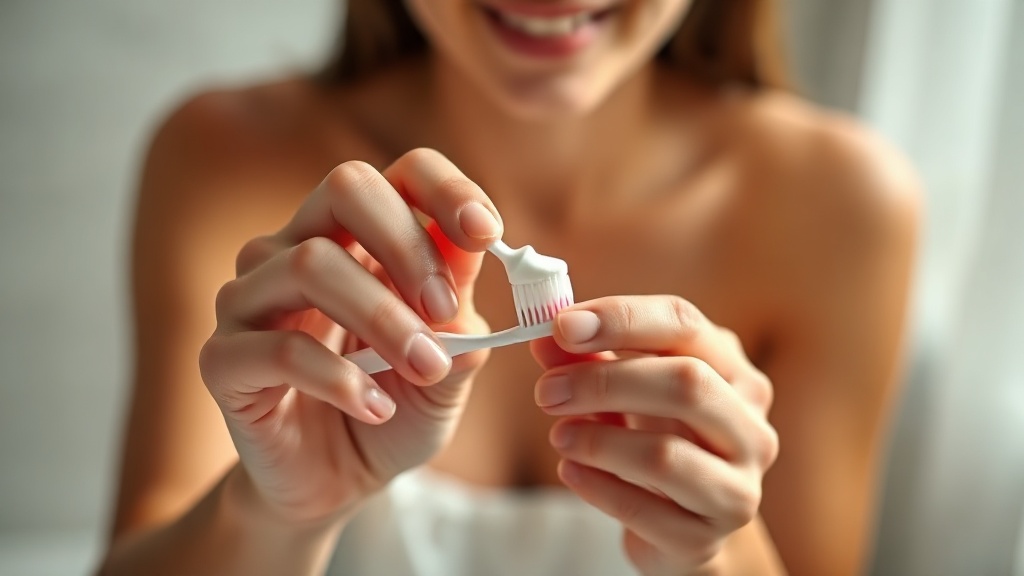
A rice-grain smear of fluoride paste on a soft, small-head brush - the amount matters as much as the brush.
A toothbrush is preventive, not a treatment. Book a dental visit if you notice white chalky spots or brown marks on the teeth, if your child complains of pain or sensitivity, or if a tooth looks chipped or discoloured - early decay in baby teeth can move quickly. The AAP and AAPD recommend a first dental visit by around your child's first birthday, which is also the best moment to have a pediatric dentist or pediatrician show you the brushing and fluoride routine in person and answer questions specific to your child.
Frequently asked questions
Sources
- 1.
- 2.
- 3.
- 4.
- 5.
- 6.
- 7.

Fix your breath at the source.
The complete science-backed protocol — engineered to eliminate volatile sulfur compounds at the biological source.
Start the Breath Protocol →Related reading
Educational purposes only. The content on this page is not medical advice and is not a substitute for consultation with a qualified dental or medical professional.
More from the library
 Best Of8 min
Best Toothpaste for Toddlers (2026): An Honest, Dentist-Informed Guide
How to pick a safe toddler toothpaste - why fluoride is the evidence-backed choice, how little you actually need, and how to think about fluoride-free honestly.
Read →→ Best Of8 min
Best Electric Toothbrush for Kids (2026): An Honest, Dentist-Informed Guide
What actually matters when choosing a powered brush for a child - and why the toothpaste and your supervision matter more than the gadget.
Read →→ Best Of8 min
Best Toothbrush for Kids by Age (2026 Buying Guide)
A calm, honest guide to choosing a child toothbrush by age — soft bristles, small head, and the habits that matter more than any brand.
Read →→ Answers8 min
When to Start Brushing Baby Teeth (Age-by-Age Guide)
A straight answer on when and how to start brushing, how much toothpaste to use at each age, and why a tiny smear is both safe and effective.
Read →→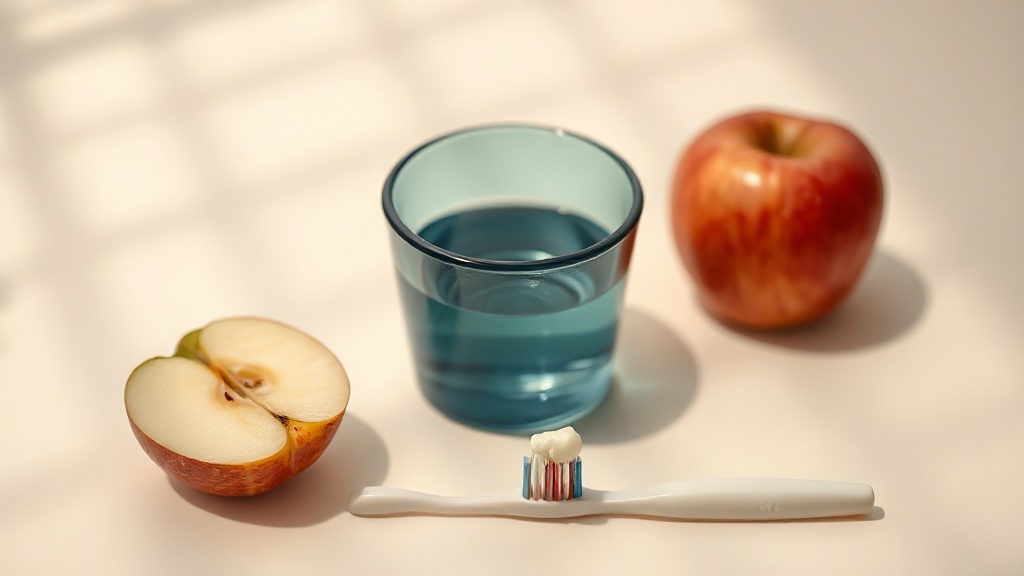 Guides9 min
Early Childhood Caries: Gentle Prevention for Little Smiles
What early childhood caries is, why it happens, and the calm daily habits - diet, bottle routines, brushing, dental visits - that lower a young child's risk.
Read →→ Best Of8 min
Best Teething Gel for Babies: Safer Soothing Options Compared
Why the honest best is non-medicated relief - and why the FDA warns against benzocaine and lidocaine teething gels for babies and toddlers.
Read →→