Copper Tongue Scraper Benefits: What the Evidence Actually Supports
Copper scrapers are having a moment — but which benefits are backed by research and which are marketing? Here is the honest, evidence-based breakdown.
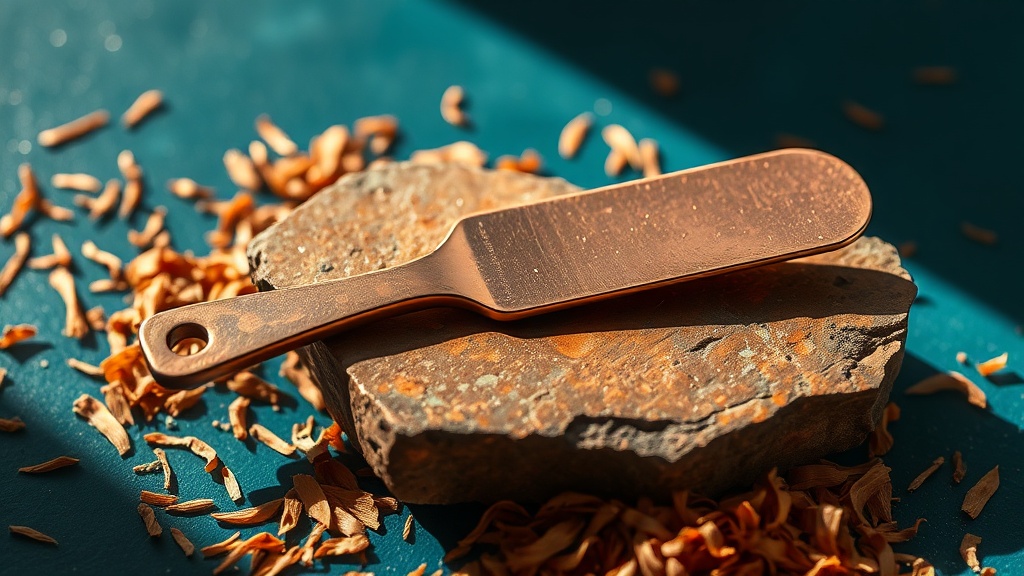
- The proven benefit of any tongue scraper is mechanical: it lifts the bacterial biofilm off the back of the tongue, where most odour-causing volatile sulfur compounds (VSCs) are made.
- In controlled trials, adding tongue cleaning to brushing produced a large reduction in VSCs and tongue coating versus brushing alone — the scraper does the work, not the metal it is made from.
- Copper's appeal is practical, not magical: it is smooth, durable, easy to keep clean, and does not harbour odour the way worn plastic can. No trial shows copper outperforms steel for fresher breath.
- Claims that copper is inherently antimicrobial in the mouth are not established by oral clinical trials; treat them as cosmetic marketing, not proven benefit.
- The habit matters more than the material: scraping is short-acting, so daily consistency and a balanced oral microbiome drive lasting freshness.
A copper tongue scraper's real benefit is that it physically removes the tongue's bacterial coating, which trials link to a meaningful drop in odour-causing sulfur compounds. Copper itself is prized for being smooth, hygienic and durable — but no study shows it beats stainless steel for breath. Consistency matters more than the metal.
Where the benefit actually comes from
The back of the tongue is a rough landscape of finger-like papillae that trap food debris, shed cells and bacteria in a sticky biofilm. Deep in that low-oxygen coating, anaerobic bacteria break down proteins and release volatile sulfur compounds (VSCs) — mainly hydrogen sulfide, the rotten-egg note, and methyl mercaptan, a sharper smell. Those gases are what other people notice, and a toothbrush skims over the papillae without lifting the coating out of the grooves. A scraper's firm edge drags that biofilm up and out in a single pass, physically removing the bacteria and the material they feed on. This is the mechanism behind every documented tongue-scraper benefit, and it is entirely about the edge doing mechanical work — not about the metal reacting with your mouth. A systematic review and meta-analysis of randomised trials found that adding tongue cleaning to toothbrushing reduced VSCs and tongue coating with a large effect size compared with brushing alone. Copper, steel or a well-made plastic scraper all deliver that same lifting action; the material mostly changes how the tool feels and how easy it is to keep clean.
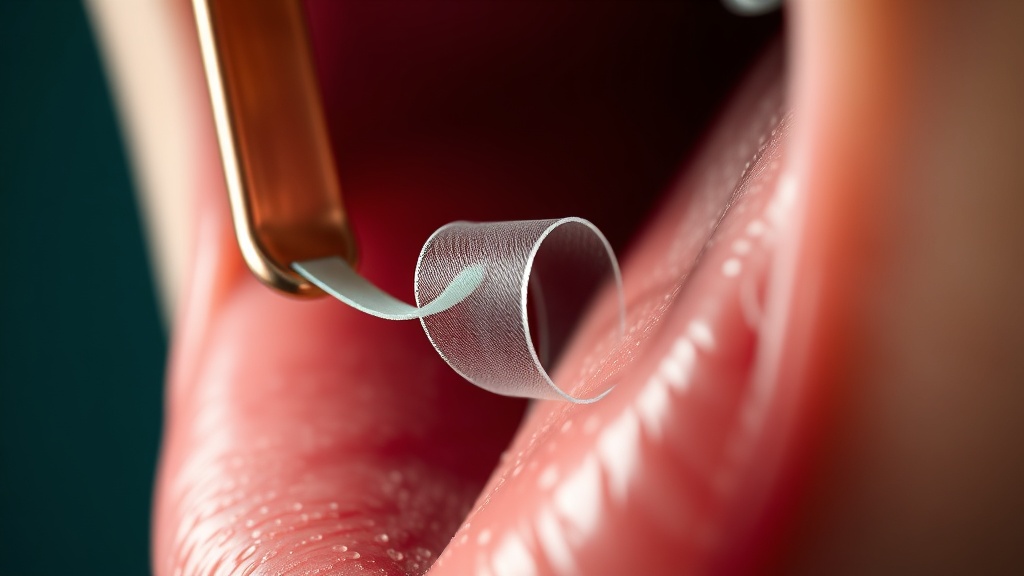
A copper scraper's benefit is mechanical: the smooth firm edge lifts the tongue biofilm out of the papillae in one pass.
What the research supports (and what it does not)
Every claim below maps to a named, peer-reviewed source in the Sources section. According to PubMed.
| Claim | Evidence | Source |
|---|---|---|
| Adding tongue cleaning to brushing reduced odour-causing VSCs and tongue coating with a large effect size versus brushing alone. | Systematic review and meta-analysis of five randomised controlled trials (251 subjects). | Kuo et al., Nursing Research 2013 |
| A tongue scraper lowered VSCs more than a toothbrush (about 75% vs 45% in one trial), though the effect fades within about 30 minutes. | Cochrane systematic review of randomised trials of tongue cleaning for halitosis. | Outhouse et al., Cochrane Review 2006 |
| In a randomised trial, oral care that included tongue scraping improved halitosis scores and VSC levels where brushing alone did not. | Randomised controlled clinical trial in 36 gingivitis patients over 7 days. | Acar et al., Clinical Oral Investigations 2018 |
| Most physiological bad breath is driven by ordinary tongue bacteria, not disease — the target a scraper addresses. | About 40% of people with bad breath have no underlying organic disease. | Scully and Porter, BMJ Clinical Evidence 2008 |
Copper vs stainless steel vs plastic
| Material | Freshness benefit | Feel and hygiene | Honest caveat |
|---|---|---|---|
| Copper | Same mechanical VSC reduction as any scraper | Smooth, heavy, durable; easy to keep clean; develops a natural patina | Antimicrobial claims for the mouth are not proven in oral trials; benefit is comfort and hygiene, not chemistry |
| Stainless steel | Same mechanical benefit; used in the trials that showed effect | Smooth, dishwasher-safe, does not tarnish | No downside for breath; a matter of preference vs copper |
| Plastic | Works when new | Lightweight and cheap | Wears rough, harder to keep hygienic, and can retain odour over time |
| Toothbrush on the tongue | Lower VSC reduction | Already in your kit | One trial reported nausea in some users; skims the coating rather than lifting it |
What copper does not do
Copper is genuinely antimicrobial on dry surfaces such as door handles, and that fact is often stretched into a claim that a copper scraper sterilises your tongue or kills odour bacteria on contact. There is no oral clinical trial showing that a copper scraper reduces breath VSCs more than a steel one, so that specific benefit should be treated as cosmetic marketing rather than proven science. Copper also will not fix bad breath that starts outside the mouth. Roughly one in ten cases of persistent halitosis comes from tonsil stones, post-nasal drip, reflux, uncontrolled diabetes or a very dry mouth, and no scraper — copper or otherwise — reaches those causes. Finally, copper needs sensible care: rinse and dry it after use, and replace it if the edge nicks or corrodes, since a rough edge can irritate the tongue. Pressing harder to chase a deeper clean does not help; it only risks minor trauma to the surface.
Evidence you can act on.
Occasional emails — new research, new protocols, no noise.
How to get the real benefit from a copper scraper
Thirty to sixty seconds each morning, before eating or drinking. Gentle and consistent beats hard and occasional.
- 1
Pick a smooth, well-finished scraper
one-timeChoose a copper or steel scraper with a rounded, smooth edge and no burrs. The trials that showed a benefit used scrapers, not brushes, so the shape and edge matter more than the metal.
- 2
Scrape from back to front
5 to 7 passesReach comfortably toward the back of the tongue and draw the scraper forward with light, even pressure. Rinse it under the tap between passes so you remove the coating rather than spread it. Breathe out slowly to ease the gag reflex, and start slightly further forward until it settles.
- 3
Clean, dry, and repeat daily
dailyRinse and dry the copper after each use to keep it hygienic and slow tarnish. Because the effect is short-lived, the daily habit matters most. Pairing scraping with an alcohol-free rinse, good hydration and a probiotic such as S. salivarius K12 supports a fresher-breath microbiome over the following weeks.
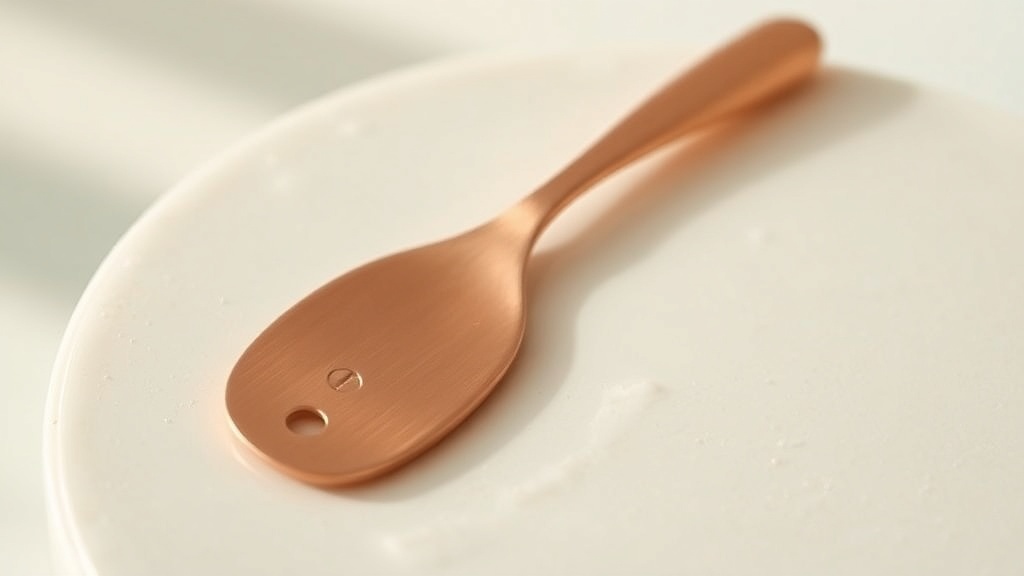
Technique beats material: place the scraper as far back as is comfortable and draw forward in one light pass.
If bad breath persists despite daily scraping and good oral hygiene, or if it comes with pain, bleeding gums, a persistent bad taste or loose teeth, see a dentist. These can signal periodontal disease or another condition that a copper scraper will not resolve.
Frequently asked questions
Sources
- 1.
- 2.
- 3.
- 4.

Fix your breath at the source.
The complete science-backed protocol — engineered to eliminate volatile sulfur compounds at the biological source.
Start the Breath Protocol →Related reading
Educational purposes only. The content on this page is not medical advice and is not a substitute for consultation with a qualified dental or medical professional.
More from the library
 Ingredients7 min
S. salivarius K12: The Fresh-Breath Probiotic, Explained
The idea is not to sterilise your mouth. It is to repopulate it with the right bacteria.
Read →→ Guides8 min
How to Get Rid of Bad Breath Permanently: An Evidence-Based Plan
The honest version: "permanently" means ongoing control, not a one-time fix. Here is the daily routine the research actually supports, and when to get help.
Read →→ Guides7 min
Bad Breath Even After Brushing? The Biological Reason (and Fix)
You brushed, flossed and rinsed — and the smell is still there. The reason usually isn't hygiene; it's where the odour-causing bacteria actually live.
Read →→ Best Of8 min
The Best Mouthwash for Bad Breath, by Active Ingredient
There is no single winner, only the right rinse for the right job. Here is how the active ingredients compare on the evidence, and which suits everyday fresh breath.
Read →→ Ingredients9 min
Probiotics for Bad Breath: Do Oral Probiotics Actually Work?
Oral probiotics try to fix bad breath at the source, by shifting which bacteria live on your tongue. The idea is promising; the evidence is still early.
Read →→ Answers6 min
How Often Should You Scrape Your Tongue?
Once a day? Twice? After every meal? Here is what the research on tongue cleaning actually supports — and why frequency matters less than consistency.
Read →→