Best Electric Toothbrush for Kids
What actually matters when choosing a powered brush for a child - and why the toothpaste and your supervision matter more than the gadget.
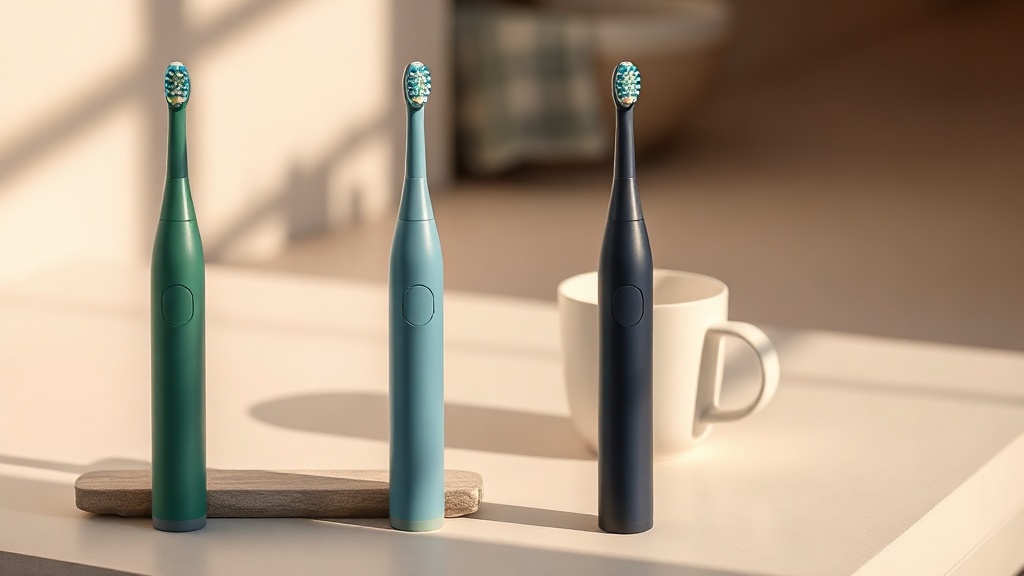
- An electric toothbrush is not essential for a healthy child smile - a soft manual brush used well, with the right amount of fluoride toothpaste, does the job. A kid-sized powered brush is a helpful upgrade, not a requirement.
- In children, powered brushes remove modestly more plaque than manual ones (about 11 percent more in the short term), but reviewers rate the everyday clinical importance of that difference as unclear.
- The biggest real-world benefit is behavioural: a built-in timer, gentle action, and a fun design help a child brush for the full two minutes, which is where most kids fall short.
- What matters more than the brush is the toothpaste - a fluoride paste in the correct age-appropriate amount - and an adult doing or closely supervising the brushing until about age six to eight.
- Look for a small soft head, an easy-grip handle, a two-minute timer, and a gentle mode. Skip anything with a hard brush head, and never rely on a gadget to replace supervision.
The best electric toothbrush for a child is a kid-sized one with a small soft head, an easy-grip handle, a two-minute timer, and a gentle action. It is not essential - a soft manual brush used well also works - but a powered brush removes slightly more plaque and helps a child brush for the full two minutes.
What actually cleans a child tooth
The toothbrush, powered or not, is really just a delivery system for the two things that do the real work: mechanical plaque removal and fluoride. Plaque is the soft, sticky film of bacteria that builds up along the gumline and in the grooves of the back teeth, and brushing physically disrupts it before it can settle in and turn sugars into enamel-dissolving acid. Fluoride, carried in the toothpaste, then makes the enamel surface tougher and more resistant to those acids. A powered brush can help with the first job - its rapid movement disrupts a little more plaque per stroke than a small child hand can - but it does nothing the toothpaste does, and it cannot reach what it is not guided to. This is why dentists are relaxed about brush type and firm about two other things: use a fluoride toothpaste, and make sure an adult is steering until the child has the coordination to do it alone. A child under about six simply does not have the manual dexterity to clean every surface, whatever is in their hand. Seen this way, the brush is the least important variable in the routine - a useful tool, not a magic wand.
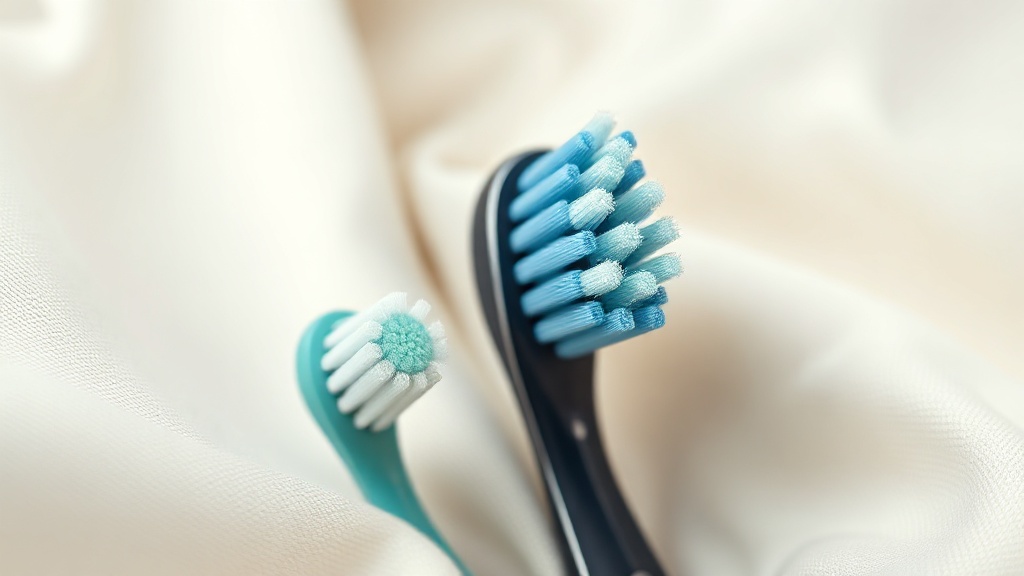
A child-sized head is smaller and softer than an adult one - the single most important fit feature for a small mouth and delicate gums.
What the research actually shows
Every claim below maps to a named, peer-reviewed source in the Sources section. According to PubMed.
| Claim | Evidence | Source |
|---|---|---|
| In children, powered toothbrushes removed more plaque than manual ones, earning a moderate GRADE quality rating. | Systematic review and meta-analysis of 9 paediatric randomised trials. | Davidovich et al., 2020 |
| Across all ages, powered brushes reduced plaque by about 11% in the short term and 21% long term versus manual, but the clinical importance was judged unclear. | Cochrane review of 56 trials, 4,624 participants. | Yaacob et al., Cochrane 2014 |
| Fluoride toothpaste reduced the caries increment by about 24% compared with non-fluoride toothpaste - the reason the paste matters more than the brush. | Cochrane review, 70 trials, 42,300 children. | Marinho et al., Cochrane 2003 |
| Toothpaste below 550 ppm fluoride showed no significant benefit over placebo; a meaningful effect appeared only at 1,000 ppm and above. | Cochrane network of concentration-comparison trials. | Walsh et al., Cochrane 2010 |
| Dental fear affects roughly 30% of 2- to 6-year-olds, and having no prior dental-visit experience raised the odds (OR 1.37) - a case for making brushing feel calm and fun early. | Systematic review and meta-analysis of 25 studies. | Sun et al., 2024 |
What to look for in a kids brush
| Feature | Why it matters for a child | Must-have? |
|---|---|---|
| Small, soft brush head | Fits a small mouth and is gentle on delicate gums and thin baby-tooth enamel | Yes |
| Built-in two-minute timer | Most kids stop far too soon; the timer is where a powered brush earns its keep | Yes |
| Chunky, easy-grip handle | Little hands - and a supervising parent hand - can hold and angle it | Yes |
| Gentle or low-speed mode | A softer action feels less startling and reduces the urge to refuse | Strongly preferred |
| Fun design, lights or app | Can boost engagement, but does not clean better - a nice-to-have, not a reason to overspend | Optional |
| Easy-to-find replacement heads | Small heads should swap easily every ~3 months or when the bristles fray | Practical |
Why fun does more than horsepower
Here is the honest part most product pages skip: for a young child, the brush that works best is the one they will actually let you use for two full minutes, twice a day. That is why the timer and the playful design matter more than motor speed. Children routinely under-brush, and early dental fear is common - close to a third of preschoolers show some - so anything that turns a battle into a game has real value. But keep the claims in proportion. Studies of gamified brushing apps and reward systems find they reliably raise a child engagement and knowledge, yet they do not consistently translate into better dental outcomes; most of that research also carries a moderate risk of bias, and several trials show plain supervised brushing doing just as well. So treat the lights, songs, and characters as tools to build a calm daily habit, not as a cleaning upgrade. The habit is the point. A cheerful two minutes with a fluoride paste and a parent guiding hand beats an expensive brush used for fifteen rushed seconds every time - and it costs nothing extra.
Evidence you can act on.
Occasional emails — new research, new protocols, no noise.
How to choose and use a kids electric toothbrush
None of this treats a medical problem - it is simply how to pick a sensible brush and get the most out of it. Match the brush to the child, and remember that how you use it matters more than which one you buy.
- 1
Match the brush to your child age
before you buyFor toddlers and preschoolers, choose the smallest soft head and the chunkiest handle you can find, with a gentle mode. Many brands label brushes by age band - a 3-plus head is smaller than a 6-plus head. When in doubt, smaller and softer is the safer pick for baby teeth.
- 2
Use the right amount of fluoride toothpaste
every brushThis matters more than the brush itself. For children under three, use a smear the size of a grain of rice; for ages three to six, a pea-sized amount. Encourage spitting rather than rinsing, so a little fluoride stays on the teeth. Keep the tube out of reach - kids like the taste.
- 3
Supervise, and often do it yourself
twice dailyUntil about age six to eight, a child cannot clean every surface alone. Stand behind or beside them, guide the brush along the gumline and over the chewing surfaces, and let them finish for a sense of independence. Two minutes, morning and before bed.
- 4
Let the timer run the clock
2 minutesThis is the powered brush real job. Let the built-in timer or quadrant pacing decide when you are done, rather than a child sense of enough. Turn it into a routine - a song, a story, a countdown - so the full two minutes feels normal instead of negotiable.
- 5
Replace the head and keep it gentle
every ~3 monthsSwap the brush head about every three months, or sooner if the bristles splay. Never press hard - the motor does the work, and scrubbing can bother the gums. If your child resists the buzzing, ease off the speed and pressure before giving up on powered brushing entirely.
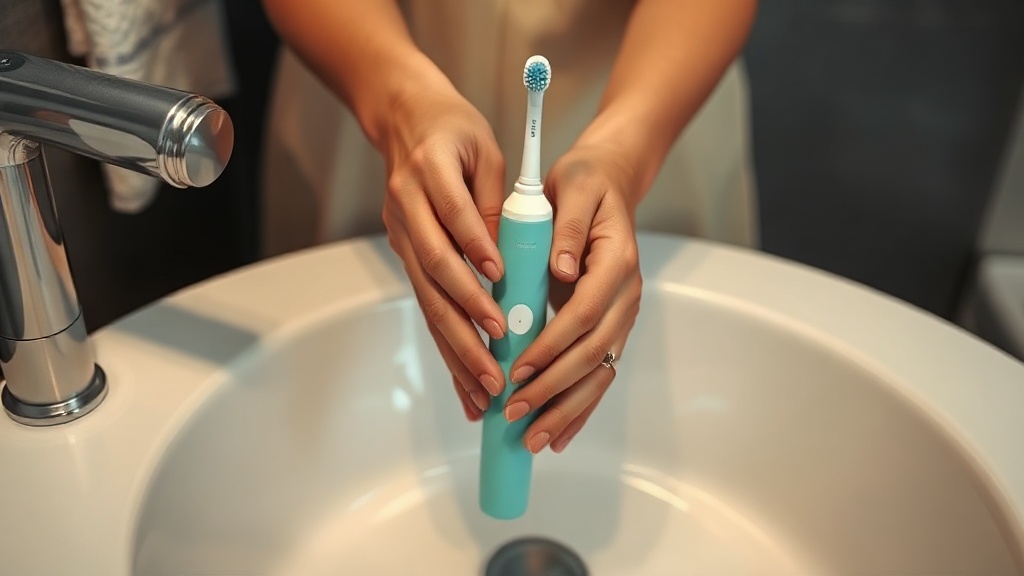
Supervision is the ingredient no brush can replace: guide the brush until your child has the coordination to reach every surface alone.
A toothbrush is for daily care, not for fixing problems. Book a visit with a paediatric dentist if you see a white, brown, or chalky spot on a tooth, if your child complains of tooth pain or sensitivity, if the gums bleed easily or look swollen, or if brushing is consistently painful. Every child should also have a first dental visit by around their first birthday to establish a dental home and get advice tailored to their risk. A dentist - not a brush - is who assesses and treats a child teeth.
Frequently asked questions
Sources
- 1.
- 2.
- 3.
- 4.
- 5.
- 6.

Fix your breath at the source.
The complete science-backed protocol — engineered to eliminate volatile sulfur compounds at the biological source.
Start the Breath Protocol →Related reading
Educational purposes only. The content on this page is not medical advice and is not a substitute for consultation with a qualified dental or medical professional.
More from the library
 Best Of8 min
Best Toothbrush for Kids by Age (2026 Buying Guide)
A calm, honest guide to choosing a child toothbrush by age — soft bristles, small head, and the habits that matter more than any brand.
Read →→ Best Of8 min
Best Toddler Toothbrushes: Dentist-Informed Picks for Ages 1-3
How to choose a toddler toothbrush that is soft, small and safe - and why the parent, not the brush, does the real cleaning until about age six.
Read →→ Best Of8 min
Best Toothpaste for Toddlers (2026): An Honest, Dentist-Informed Guide
How to pick a safe toddler toothpaste - why fluoride is the evidence-backed choice, how little you actually need, and how to think about fluoride-free honestly.
Read →→ Answers8 min
When to Start Brushing Baby Teeth (Age-by-Age Guide)
A straight answer on when and how to start brushing, how much toothpaste to use at each age, and why a tiny smear is both safe and effective.
Read →→ Guides9 min
Early Childhood Caries: Gentle Prevention for Little Smiles
What early childhood caries is, why it happens, and the calm daily habits - diet, bottle routines, brushing, dental visits - that lower a young child's risk.
Read →→ Best Of8 min
Best Teething Gel for Babies: Safer Soothing Options Compared
Why the honest best is non-medicated relief - and why the FDA warns against benzocaine and lidocaine teething gels for babies and toddlers.
Read →→