How Often Should You Floss?
Once a day, done consistently, is what the evidence supports — because cleaning between the teeth reaches the odour sources a toothbrush never can.

- Once a day is the sensible answer for most people — flossing daily is enough to disrupt the between-teeth plaque that a toothbrush cannot reach.
- Cochrane evidence suggests flossing plus brushing may reduce gum inflammation more than brushing alone, though the certainty of the evidence is low.
- Consistency matters more than frequency: flossing well once every day beats flossing twice today and then not again for a week.
- For fresh breath the between-teeth clean is important because trapped, fermenting debris in those tight contacts is a real source of odour that brushing leaves behind.
- Interdental brushes may work as well as or better than string floss for some people — the best tool is the one you will actually use daily.
Floss once a day. That is enough to clear the plaque and trapped debris between your teeth, which a toothbrush cannot reach and which can ferment into odour. Cochrane evidence suggests daily interdental cleaning reduces gum inflammation more than brushing alone. Being consistent every day matters more than flossing several times on some days and skipping others.
Why between-teeth cleaning matters for breath
A toothbrush, however good, can only reach the outer and inner faces of your teeth and their chewing surfaces. It glides over the tight contact points where adjacent teeth touch, leaving roughly a third of each tooth's surface untouched. Plaque accumulates in those gaps, and so does food debris — and because the area is sheltered, saliva flushes it poorly. Left there, that debris is broken down by the same anaerobic, sulfur-producing bacteria that cause bad breath elsewhere in the mouth, so the between-teeth spaces become quiet little factories of odour. Flossing or using an interdental brush is the only everyday way to physically clear them. This is why interdental cleaning shows up in the evidence as a genuine add-on benefit: Cochrane reviewers found that adding floss or an interdental brush to brushing may reduce gum inflammation beyond brushing alone. The frequency question follows directly from the biology. Plaque takes about a day to re-form and mature into a problematic film, so clearing those contacts once every 24 hours keeps it from ever settling in. Doing it more often is not harmful, but it adds little; doing it less lets the between-teeth biofilm re-establish.
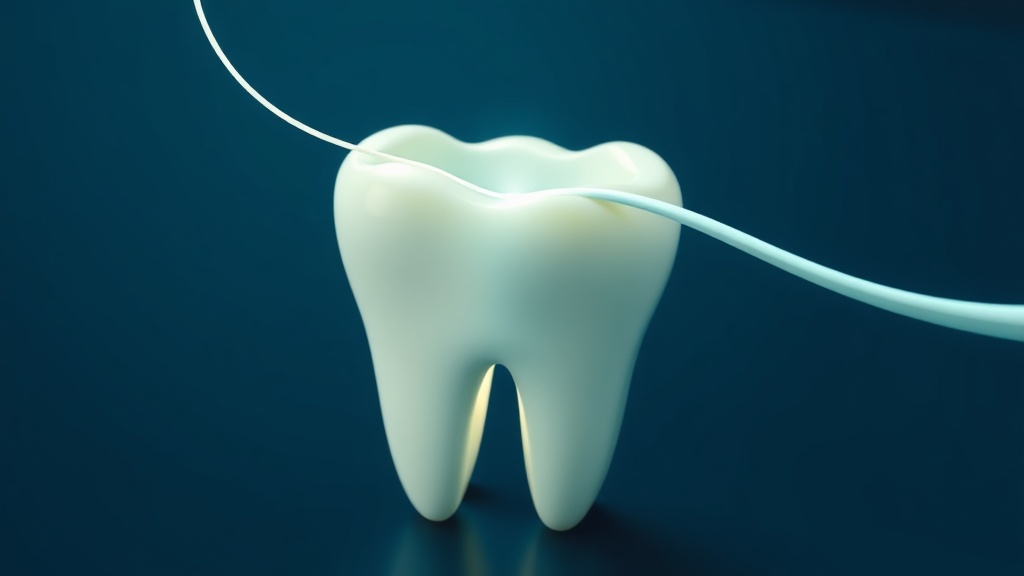
Floss reaches the sheltered contact points between teeth — the roughly one-third of each tooth a brush glides over.
What the research actually shows
Every claim below maps to a named, peer-reviewed source in the Sources section. According to PubMed.
| Claim | Evidence | Source |
|---|---|---|
| Flossing plus brushing may reduce gum inflammation (gingivitis) more than brushing alone at one month, with further reductions at three and six months. | Systematic review; 8 flossing trials, 585 participants (low certainty). | Worthington et al., 2019 (Cochrane) |
| Interdental brushes may reduce gingivitis and plaque more than floss for some people, so the best device is the one used consistently. | Device-versus-device comparisons within the review. | Worthington et al., 2019 (Cochrane) |
| Evidence for interdental cleaning is low-to-very-low certainty and mostly short-term, so consistency matters more than exact frequency. | GRADE certainty assessment across 35 trials. | Worthington et al., 2019 (Cochrane) |
| Toothbrushing removes plaque only on the outer, inner and chewing surfaces, leaving the between-teeth contacts to another device. | Systematic review of manual and powered brushing. | Yaacob et al., 2014 (Cochrane) |
| Odour is produced by sulfur-forming anaerobic bacteria in plaque, including the biofilm trapped between teeth, so clearing it supports fresher breath. | Review of the microbiology and management of halitosis. | Loesche & Kazor, 2002 |
How often is enough?
| Frequency | Effect | Verdict |
|---|---|---|
| Once a day | Clears between-teeth plaque before it matures | Recommended for most people |
| Twice a day or more | Little added benefit over once daily | Fine, but not necessary |
| A few times a week | Lets between-teeth biofilm re-establish | Better than never, below ideal |
| Only when something is stuck | Leaves most contacts uncleaned | Not enough on its own |
| Never | Between-teeth plaque and debris persist | A genuine gap in the routine |
Why consistency beats frequency
People often ask whether they should floss more than once a day, hoping extra effort will speed results. The biology says the timing, not the count, is what matters. Because between-teeth plaque takes roughly a day to re-form into a mature, odour-capable film, a single daily clearing keeps it perpetually reset — the film never gets the time it needs to organise and settle. Flossing three times on Monday and then skipping until Friday leaves that same film undisturbed for four days, which is plenty of time for trapped debris to ferment and for gum inflammation to creep in. So an ordinary, boring once-a-day habit out-performs sporadic bursts of enthusiasm. The other half of consistency is technique: gently curving the floss around each tooth and sliding it just under the gumline, rather than snapping it straight down, is what actually lifts the biofilm without bruising the gum. If string floss feels fiddly and you keep skipping it, that is a signal to switch tools, not to give up — an interdental brush or a floss pick that you will use every day is worth more than perfect floss you abandon. The best interdental routine is simply the one that happens daily.
Evidence you can act on.
Occasional emails — new research, new protocols, no noise.
How to clean between your teeth well
None of this treats a disease; it clears the plaque and debris between teeth that feed odour and gum inflammation. Aim for once a day, every day.
- 1
Floss once a day
1-2 min dailyPick a time you will keep to — many people find just before bed works, so the day's debris is not left overnight. Consistency is the whole game.
- 2
Curve, do not snap
ongoingEase the floss gently between teeth, curve it into a C around each tooth, and slide just under the gumline. Snapping it hard down can cut the gum.
- 3
Use a fresh section for each gap
ongoingWind to a clean length as you move along so you are not shifting debris from one contact to the next.
- 4
Switch tools if you keep skipping
as neededIf string floss is a chore, try an interdental brush or floss picks. Evidence suggests interdental brushes work at least as well for many people, and a tool you use daily beats one you avoid.
- 5
Pair it with tongue cleaning
under a minuteFor breath specifically, add a gentle tongue scrape. Between-teeth cleaning and tongue cleaning together cover the two biggest odour sources brushing misses.
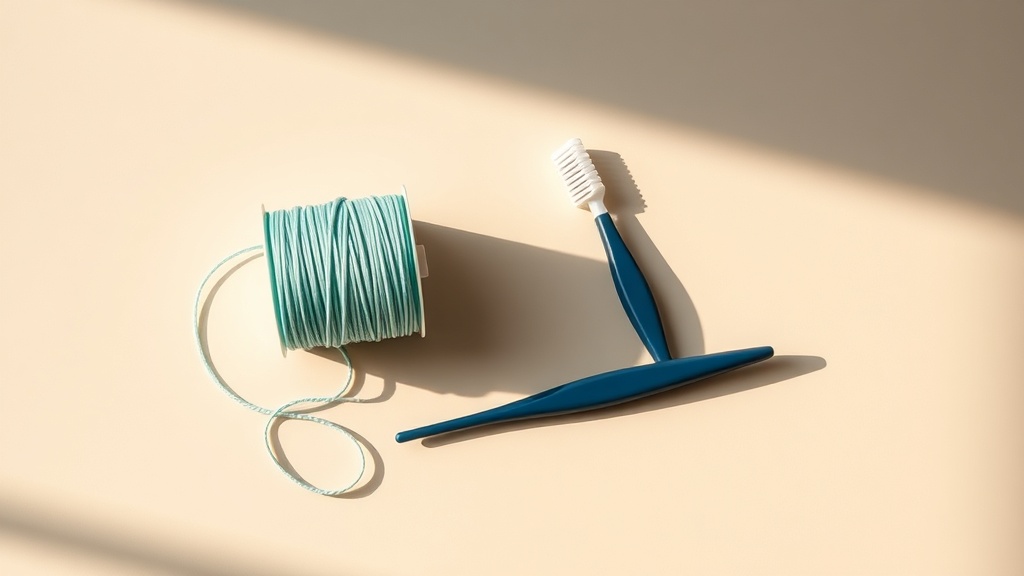
Floss, picks or an interdental brush — the best between-teeth tool is simply the one you will use every day.
If your gums bleed every time you floss, stay swollen, or your breath stays bad despite daily interdental cleaning and tongue care, see a dentist. Bleeding that does not settle after a week or two of gentle daily flossing can signal gum inflammation that needs assessment, and persistent odour despite a solid routine should always be checked in person.
Frequently asked questions
Sources
- 1.
- 2.
- 3.
- 4.
- 5.

Fix your breath at the source.
The complete science-backed protocol — engineered to eliminate volatile sulfur compounds at the biological source.
Start the Breath Protocol →Related reading
Educational purposes only. The content on this page is not medical advice and is not a substitute for consultation with a qualified dental or medical professional.
More from the library
 Answers9 min
How to Remove Plaque From Teeth at Home (and When You Can't)
A practical, science-based routine for controlling soft plaque yourself — and an honest line on where home care stops and the dentist begins.
Read →→ Best Of8 min
The Best Manual Toothbrush: What Actually Matters
Skip the marketing. The best manual toothbrush is soft-bristled, small-headed, and comfortable enough that you actually brush for the full two minutes.
Read →→ Guides8 min
The Best Way to Clean Your Tongue for Fresh Breath
Most bad breath starts on the back of the tongue — here is the gentle, evidence-based way to clean it for fresher breath.
Read →→ Comparisons9 min
Plaque vs Tartar: What's the Difference, Really?
The honest, science-based difference between the soft biofilm you can clear yourself and the calcified deposit that needs a professional.
Read →→ Guides8 min
How to Get Rid of Bad Breath Permanently: An Evidence-Based Plan
The honest version: "permanently" means ongoing control, not a one-time fix. Here is the daily routine the research actually supports, and when to get help.
Read →→ Guides7 min
Bad Breath Even After Brushing? The Biological Reason (and Fix)
You brushed, flossed and rinsed — and the smell is still there. The reason usually isn't hygiene; it's where the odour-causing bacteria actually live.
Read →→