Teething Rash: What It Looks Like and How to Soothe It
That red, chapped patch on your baby chin is usually drool rash from teething saliva, soothed with simple, gentle care.
- A teething rash is almost always a drool rash: the extra saliva that comes with teething keeps the skin around the mouth, chin, and neck damp, and constant wetness plus wiping irritates it into a red, chapped patch.
- It is caused by saliva contact, not by the teeth themselves and not by an infection. Drooling is one of the most common and best-documented teething signs, seen in roughly half to nearly all teething babies in studies.
- The fix is gentle skin protection: keep the area dry, dab rather than rub, and use a plain barrier balm. Most drool rash settles with simple care and needs no medicine.
- Teething causes at most a slight, harmless rise in temperature, not a true fever. A rash with a real fever, spreading blisters, or a very unwell baby is not teething and should be seen by a pediatrician.
- Skip benzocaine numbing gels, amber necklaces, and belladonna teething tablets. They carry real safety hazards and do nothing for the rash; safe soothing is cold, gentle pressure, and clean, dry skin.
A teething rash is a drool rash: irritation from the extra saliva teething babies produce, which keeps the chin and neck damp. It is not caused by the teeth or by infection. Keep the skin gently dry, use a plain barrier balm, and see a pediatrician if there is a true fever, spreading blisters, or a baby who seems genuinely unwell.
What a teething rash actually is
When a baby is teething, the mouth makes noticeably more saliva. That drool runs onto the chin, pools in the neck folds, and soaks into bibs and collars, so the skin there is wet far more of the day than it is designed to be. Saliva is not just water; it carries digestive enzymes meant to start breaking down food, and against soft baby skin that mild enzyme activity, combined with near-constant dampness and the friction of wiping, strips the skin protective barrier. The result is contact irritation: flat or slightly bumpy redness, dryness, and small chapped patches wherever drool sits longest. This is why the rash clusters on the chin, around the lips, in the neck creases, and sometimes on the chest, and why it flares on heavy-drooling days and fades on drier ones. It is important to be clear about what is not happening. The tooth pushing through the gum does not send a rash across the skin, and the rash is not a sign of infection or of anything the baby caught. It is simply skin reacting to too much saliva for too long, which is exactly why the remedy is about managing moisture, not treating the teeth.
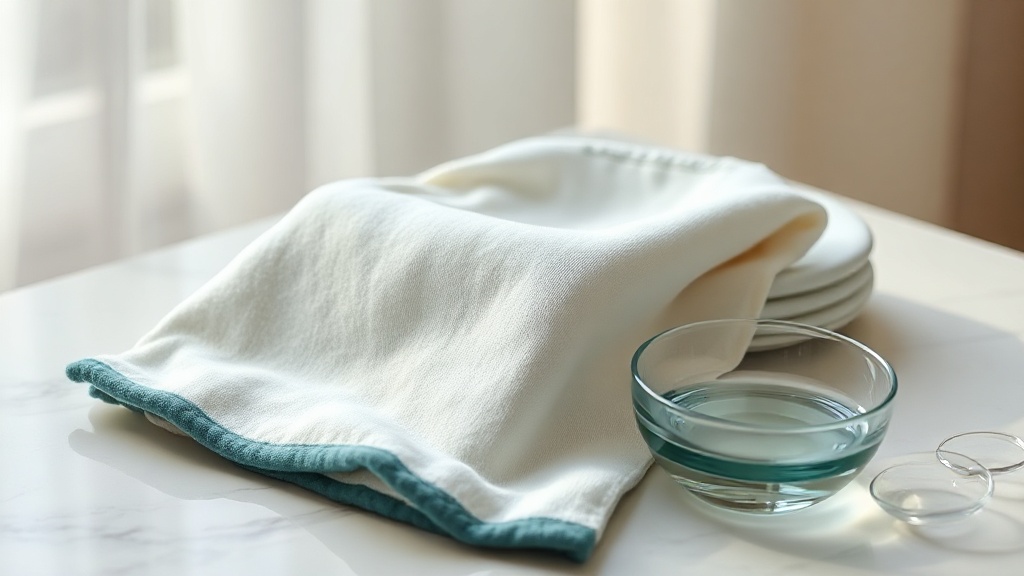
Drool rash is a moisture problem: patting the skin dry through the day is the first and most effective step.
What the research actually shows
Every claim below maps to a named, peer-reviewed source in the Sources section. According to PubMed.
| Claim | Evidence | Source |
|---|---|---|
| Drooling and increased salivation are among the most frequent teething signs, pooled at about 55.7%, alongside gum irritation at about 86.8%. | Meta-analysis of 16 studies (3,506 children). | Massignan et al., 2016 |
| A facial rash and increased salivation were significantly associated with primary tooth eruption in a daily-diary study of healthy infants. | Prospective cohort, 19,422 child-days. | Macknin et al., 2000 |
| Teething raised temperature only slightly on the day of eruption and was not associated with true fever or diarrhea. | Prospective longitudinal study, daily temperature readings. | Ramos-Jorge et al., 2011 |
| Drooling occurred in 92% of teething infants, and simple measures such as teething rings, cuddling, and gum-rubbing eased symptoms without medicine. | Clinical trial of nonpharmacological remedies (254 children). | Memarpour et al., 2015 |
| About 75% of parents mistakenly attribute fever and diarrhea to teething, symptoms the evidence does not support. | Cross-sectional survey of 1,500 parents. | Owais et al., 2010 |
Teething drool rash, or something else?
| Sign | Likely a teething drool rash | Worth a pediatrician call |
|---|---|---|
| Location | Chin, around the mouth, neck folds, and chest where drool pools | Rash spreading over the whole body, or only in the diaper area |
| Look | Flat or slightly bumpy red, dry, chapped patches | Blisters, weeping or crusting, or bright red slapped-looking cheeks |
| Temperature | None, or a very slight warmth | A true fever of 100.4F (38C) or higher, especially under 3 months |
| Baby mood | Fussy but consolable, still feeding and playing | Genuinely unwell, refusing feeds, unusually sleepy or floppy |
| Timing | Comes and goes with drooling around tooth eruption | Persists or worsens whether or not a tooth is coming |
When it is not teething
Teething is blamed for far more than it causes. In one survey about three-quarters of parents attributed fever and diarrhea to teething, yet careful daily-diary studies find teething is linked only to mild, local signs like drooling, gum soreness, irritability, and that saliva-driven facial rash, not to high fever or illness. That gap matters, because a baby can be teething and genuinely sick at the same time, and assuming a rash or fever is just teething can delay care that is actually needed. Several common conditions are mistaken for a teething rash. Viral illnesses such as roseola or hand-foot-and-mouth disease can bring a rash with a real fever or blisters. Eczema tends to be dry, itchy, and recurring in the same spots, including the cheeks and the creases of the elbows and knees. Impetigo produces honey-colored crusting and can spread. A contact or allergic reaction can flare quickly after a new food, wipe, or lotion. The rule of thumb is simple: a mild red patch that tracks with drooling is almost certainly teething-related, but a rash with a true fever, blisters, spreading, or a baby who seems unwell deserves a pediatrician look rather than a teething label.
Evidence you can act on.
Occasional emails — new research, new protocols, no noise.
How to soothe a teething drool rash
Drool rash is a moisture problem, so the whole plan is about keeping the skin dry and protected while the heavy-drooling phase passes. None of this treats the teeth; it simply looks after the skin.
- 1
Keep the skin dry through the day
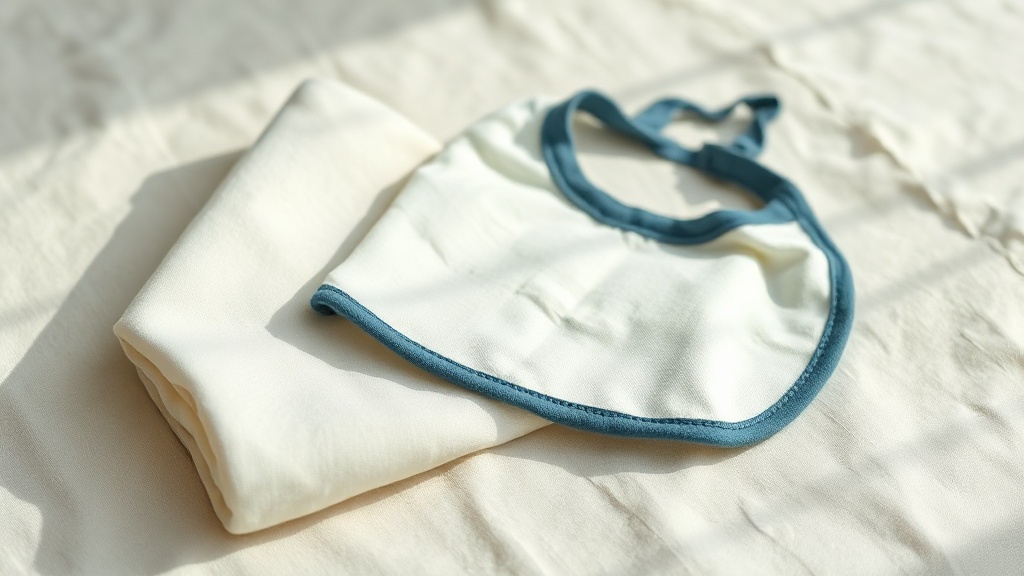
ongoingGently pat, do not rub, drool away with a soft clean cloth whenever you notice it. Change damp bibs and clothing often. A dry bib is far kinder to the skin than a soggy one, and reducing the wet time is the most effective single thing you can do.
- 2
Use a plain barrier balm
before naps and bedA thin layer of a plain, fragrance-free barrier such as petrolatum or a simple baby balm shields the skin from saliva, especially before sleep when you cannot keep wiping. Apply to clean, dry skin so you are sealing moisture out rather than in.
- 3
Clean gently, not harshly
as neededWash the area with just lukewarm water and pat dry. Skip fragranced wipes, bubbly soaps, and anything with alcohol on the raw patch, since these can sting and worsen the irritation.
- 4
Soothe the gums safely
a few minutes at a timeA chilled but not frozen teething ring, a clean cool damp washcloth to gnaw, or a clean finger to rub the gums are the safe, evidence-consistent comforts. Cold and gentle pressure calm sore gums; a frozen-solid object can bruise them.
- 5
Protect the skin at night
overnightLay a soft cloth under the cheek on the sheet to catch drool, and keep your baby fingernails short so scratching does not deepen the patch. Reapply barrier balm at bedtime.
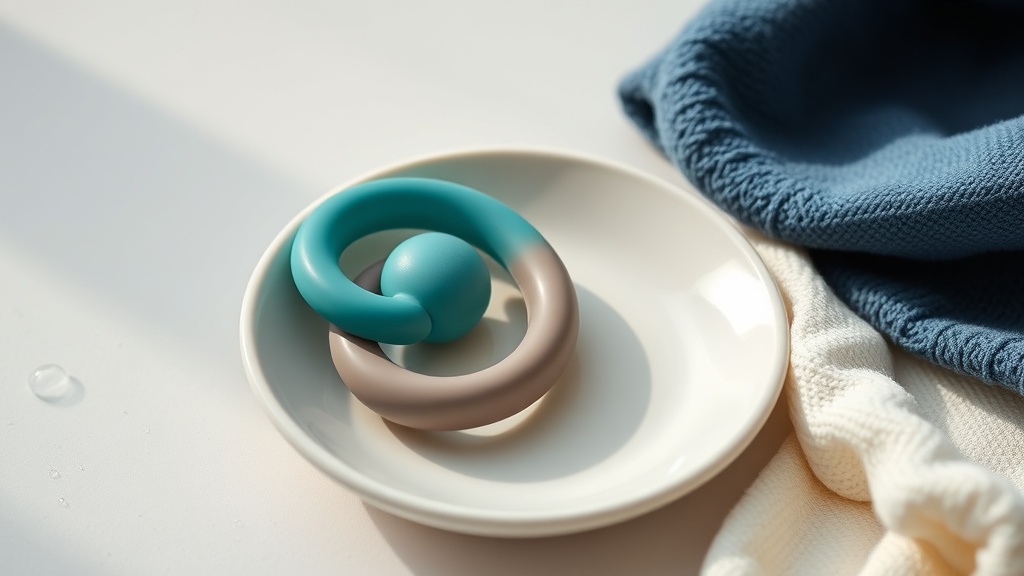
A chilled, not frozen, teething ring plus dry skin is the safe core of teething comfort.
Call your pediatrician if your baby has a true fever of 100.4F (38C) or higher (and for any fever at all under 3 months), if the rash blisters, weeps, crusts yellow, or spreads beyond the drool zone, if your baby is not feeding or seems genuinely unwell, or if a rash you have been treating as drool rash is not improving after a few days of gentle care. These point to something other than teething, and it is always safer to have a rash with a fever checked in person than to assume it is the teeth.
Frequently asked questions
Sources
- 1.
- 2.
- 3.
- 4.
- 5.
- 6.

Fix your breath at the source.
The complete science-backed protocol — engineered to eliminate volatile sulfur compounds at the biological source.
Start the Breath Protocol →Related reading
Educational purposes only. The content on this page is not medical advice and is not a substitute for consultation with a qualified dental or medical professional.
More from the library
 Guides9 min
Teething Pain Relief: How to Soothe Your Baby Without Medicine
When a teething baby is in real distress, you want relief that is both effective and safe. Here is the step-by-step ladder, from cold and cuddles to careful use of medicine.
Read →→ Guides9 min
Natural Teething Remedies: Safe, Gentle Ways to Soothe Sore Gums
Sore gums, endless drool, a miserable baby. Here are the gentle, genuinely safe natural teething remedies, and the natural-sounding ones that are best left on the shelf.
Read →→ Answers8 min
Signs of Teething: How to Tell Your Baby Is Teething
What teething actually looks like, and the warning signs that are not teething at all.
Read →→ Guides8 min
Teething and Fever: What's Normal and When to Call
A teething baby who feels warm worries every parent. Here is the honest science on teething and temperature, and the fever signs that mean it is time to call.
Read →→ Guides9 min
Early Childhood Caries: Gentle Prevention for Little Smiles
What early childhood caries is, why it happens, and the calm daily habits - diet, bottle routines, brushing, dental visits - that lower a young child's risk.
Read →→ Best Of8 min
Best Teething Gel for Babies: Safer Soothing Options Compared
Why the honest best is non-medicated relief - and why the FDA warns against benzocaine and lidocaine teething gels for babies and toddlers.
Read →→