How Many Baby Teeth Do Kids Lose?
Every child sheds all 20 primary teeth to make room for their adult set - here is what is normal and what is worth a dentist visit.

- A child loses all 20 of their baby (primary) teeth. Each one is naturally shed to make room for the permanent tooth growing in underneath it.
- Most children lose their first baby tooth around age 6 and their last around age 12, but the normal range is wide - some start closer to 4 and others well after 7.
- Children lose 20 baby teeth but gain more than 20 adult teeth: the 20 shed teeth are replaced one-for-one, while extra permanent molars erupt further back without replacing anything.
- Losing baby teeth roughly in the order they arrived is typical, and a wiggly tooth is best left to come out on its own rather than forced.
- Baby teeth still matter right up until they fall out - so keep brushing them, and check in with a pediatric dentist if teeth are lost very early, very late, or in an unusual order.
Children lose all 20 of their baby teeth. Each is pushed out naturally as the permanent tooth beneath it grows in, usually starting around age 6 and finishing around age 12. The timing varies widely from child to child, so an early or late start is often perfectly normal.
Why baby teeth are made to be lost
Baby teeth were never meant to last. From the moment they come in, a set of permanent teeth is already forming in the jaw just beneath them, and that hidden set is the quiet engine behind the whole process of losing teeth. As a permanent tooth grows and moves upward, it presses on the root of the baby tooth above it. The body responds by gradually dissolving that root away in a natural process called resorption. Little by little the baby tooth loses its anchor, until only the crown is left holding on by a thread of gum - which is exactly why a soon-to-be-lost tooth feels loose and wiggly. When it finally drops out there is usually very little blood and no lasting gap, because the permanent tooth is right there, waiting to take its place. So a lost baby tooth is not a sign that something went wrong. It is the visible end of a process that started years earlier, deep in the jaw, and it usually means the adult tooth underneath is right on schedule.
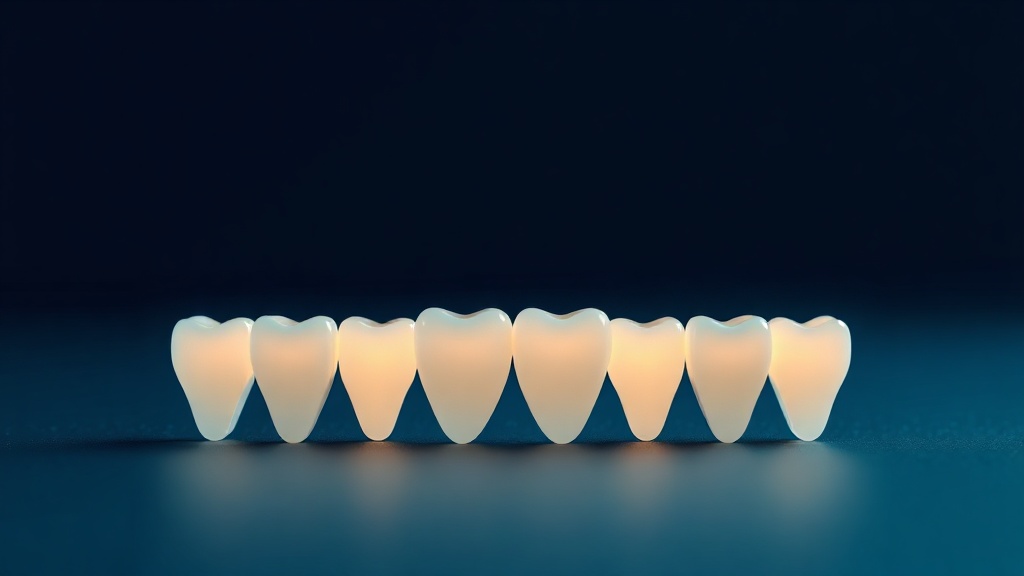
A child sheds 20 baby teeth, and each is replaced by the permanent tooth that has been forming beneath it.
What the research actually shows
Every claim below maps to a named, peer-reviewed source in the Sources section. According to PubMed.
| Claim | Evidence | Source |
|---|---|---|
| Children acquire a full set of 20 baby teeth, typically emerging between about 8 and 28 months of age. | Cross-sectional emergence study of 1,988 children. | Al-Batayneh et al., 2014 |
| The switch from baby teeth to permanent teeth usually begins around age 6, with a normal range spanning roughly 5 to 7 years. | Survey of 37,973 children across nine cities. | Zhang et al., 2020 |
| The last baby teeth are generally lost by about age 12, around when the second permanent molars come in; girls tend to run a few months ahead of boys. | Emergence standards from 3,596 children. | Almonaitiene et al., 2012 |
| When a baby tooth is lost early to decay, its permanent successor can arrive months off its usual schedule. | Prospective study of 4,468 children. | Leroy & Declerck, 2004 |
| Tooth decay is the most common chronic disease of childhood, which is why baby teeth need care right up until they are shed. | Global pooled analysis, 59,018 children. | Uribe et al., 2021 |
A rough map of when teeth are lost
| Milestone | Typical age | How much it varies |
|---|---|---|
| First baby tooth lost | Around age 6 | Some children start near 4, others after 7 - both can be normal |
| Front teeth (incisors) lost | About 6 to 8 | Usually the first to go, often the lower ones first |
| Canines and first baby molars lost | About 9 to 12 | A quieter middle stretch with fewer teeth lost |
| Last baby teeth (second molars) lost | About 10 to 12 | Completes the switch to the permanent set |
| All 20 baby teeth gone | By about age 13 | A year or two either side is common |
The maths: 20 out, but more than 20 in
Here is the part that surprises most parents: a child loses 20 baby teeth but ends up with more than 20 adult teeth. The reason is that not every permanent tooth replaces a baby one. The 20 baby teeth - eight incisors, four canines and eight molars - are each succeeded by a single permanent tooth growing directly beneath them. But the permanent molars are different. The first permanent molars, often called the six-year molars, and later the second molars, erupt into brand-new space at the very back of the mouth, behind the last baby teeth, without pushing anything out. Because they do not replace a baby tooth, many children get their first adult molars without losing a tooth at all - which is why a new tooth appearing at the back around age 6 is normal and not a cause for worry. Add it up and a typical child sheds 20 baby teeth but grows 28 permanent teeth by the early teens, with the four wisdom teeth arriving much later, if at all. Knowing this helps a lot of everyday worries make sense: the wobbly front tooth and the quiet new molar at the back are two different milestones happening at once.
Evidence you can act on.
Occasional emails — new research, new protocols, no noise.
How to support your child through losing teeth
There is nothing to fix here - losing baby teeth is healthy and happens on its own. These simple habits just keep the mouth comfortable and clean while nature does the work.
- 1
Let a loose tooth come out on its own
over days to weeksA wobbly tooth will usually fall out by itself once its root has fully dissolved. Encourage gentle wiggling with a clean finger or the tongue if your child enjoys it, but avoid yanking it or tying it to anything - forcing a tooth before it is ready can hurt, bleed and leave the gum sore. Patience is the whole strategy.
- 2
Keep brushing, including the wobbly ones
twice dailyBaby teeth still need cleaning right up until they drop out, and the new permanent teeth arriving alongside them need good habits from day one. Brush gently around a loose tooth with a soft, child-sized brush; a little tenderness is normal, so let your child guide the pressure.
- 3
Soothe a tender gum simply
as neededAs a tooth loosens and a new one pushes through, the gum can feel sore. A cool drink of water, softer foods on tough days, and clean hands for wiggling are usually all that is needed. There is no need for special gels or remedies for ordinary tooth loss.
- 4
Make room in the routine for the new molars
from around age 6The first permanent molars slip in at the very back with no baby tooth to announce them, so they are easy to miss - and easy to leave under-brushed. Guide the toothbrush all the way back to reach these new arrivals, since they are meant to last a lifetime.
- 5
Watch the pattern, not the calendar
ongoingTrack the rough order rather than exact dates. Teeth lost wildly out of sequence, a permanent tooth coming in well before its baby tooth is loose, or a baby tooth lost to a knock or to decay are the things worth mentioning at a routine checkup.
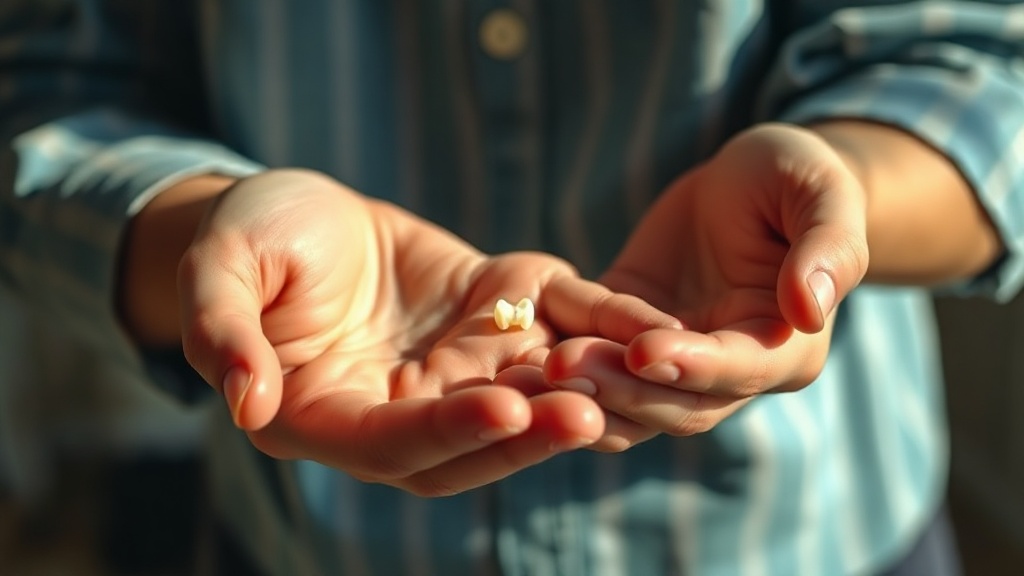
A lost baby tooth is a milestone, not a mishap - most come out with little fuss and no lasting gap.
Losing baby teeth is almost always a normal, healthy milestone that needs no treatment. Still, it is worth booking a visit with a pediatric dentist if your child loses a first tooth very early (well before age 4) or has not lost any by around age 8, if a permanent tooth is clearly coming in behind or in front of a baby tooth that will not budge, if a tooth is knocked out by injury, or if a tooth is lost to decay rather than natural shedding. A dentist can confirm everything is on track and set your mind at ease - which is often the whole point of the visit. Anything involving pain, swelling or bleeding that does not settle is always worth a call.
Frequently asked questions
Sources
- 1.
- 2.
- 3.
- 4.
- 5.

Fix your breath at the source.
The complete science-backed protocol — engineered to eliminate volatile sulfur compounds at the biological source.
Start the Breath Protocol →Related reading
Educational purposes only. The content on this page is not medical advice and is not a substitute for consultation with a qualified dental or medical professional.
More from the library
 Answers8 min
When Do Kids Lose Teeth? Age and Order Explained
The baby-teeth timeline in plain terms - the usual order, how wide normal really is, and the few signs worth a pediatric dentist visit.
Read →→ Answers8 min
When Do Molars Come In? Baby & Toddler Molar Timeline
When the baby molars arrive, how to soothe sore gums, and the honest truth about teething and fever.
Read →→ Guides8 min
Two-Year Molars: Timeline, Symptoms & How to Soothe Them
When two-year molars arrive, what teething really feels like, and how to soothe your toddler safely - plus why a high fever is never just teething.
Read →→ Answers8 min
How Long Does Teething Last? Timeline by Tooth
How long teething really lasts — a reassuring timeline by tooth, why each tooth is only briefly uncomfortable, and safe soothing (no benzocaine, no amber necklaces).
Read →→ Guides9 min
Early Childhood Caries: Gentle Prevention for Little Smiles
What early childhood caries is, why it happens, and the calm daily habits - diet, bottle routines, brushing, dental visits - that lower a young child's risk.
Read →→ Best Of8 min
Best Teething Gel for Babies: Safer Soothing Options Compared
Why the honest best is non-medicated relief - and why the FDA warns against benzocaine and lidocaine teething gels for babies and toddlers.
Read →→