Is Fluoride Bad for You? What the Evidence Actually Says
A calm, evidence-based answer to one of the most searched and most polarized questions in oral care.
- At the levels used in toothpaste, mouthrinse and US community water, the benefit-risk balance for fluoride favors preventing cavities for most people.
- Fluoride works mainly on the tooth surface, slowing acid damage and helping rebuild a more acid-resistant enamel crystal, which is why it is spat out rather than swallowed.
- The most common real side effect from higher-than-needed intake during childhood is dental fluorosis, usually a cosmetic change (faint white flecks), not a disease or pain.
- The widely shared IQ concern comes largely from studies of high systemic fluoride, generally above the WHO limit of 1.5 mg/L; at the US target of about 0.7 mg/L a 2025 analysis found the association null.
- If you prefer to avoid fluoride, honest alternatives like hydroxyapatite exist, but that is a preference-and-cosmetic decision, not a proven toxicity claim. Talk to your dentist.
For most people, at the levels recommended for everyday oral care, fluoride is not bad for you: its cavity-prevention benefit is well established and outweighs the small, mostly cosmetic risk of dental fluorosis. The safety concerns about IQ relate to high systemic exposure well above recommended fluoridation, not to spitting out toothpaste.
How fluoride actually works on enamel
Fluoride does its useful work on the surface of the tooth, not inside the body. Enamel is built from a mineral called hydroxyapatite, and every day it goes through a quiet tug-of-war: acids from plaque bacteria and sugary food pull calcium and phosphate out of the surface (demineralization), while saliva pushes minerals back in (remineralization). When fluoride is present in the mouth at low concentrations, from toothpaste, a rinse or a professionally applied varnish, it does three helpful things. It slows the acid dissolution of enamel, it speeds the redepositing of mineral, and, most importantly, it becomes part of the newly formed crystal as fluorapatite, which is more acid-resistant than the original enamel it replaced. This is why decades of research, including large reviews pooling tens of thousands of children, find that fluoride toothpaste meaningfully reduces new cavities compared with non-fluoride toothpaste. The effect is topical and surface-level: it is about what fluoride does while it is in contact with the tooth, not about swallowing it. That distinction is the heart of the whole safety conversation. The amount of fluoride in a pea-sized dab of toothpaste that you spit out is very different from a systemic dose absorbed over years, and the two get confused constantly online. Picturing fluoride as a surface mineral-helper, closer to a sunscreen for enamel than to a drug you take, makes the rest of the safety picture far easier to read honestly.
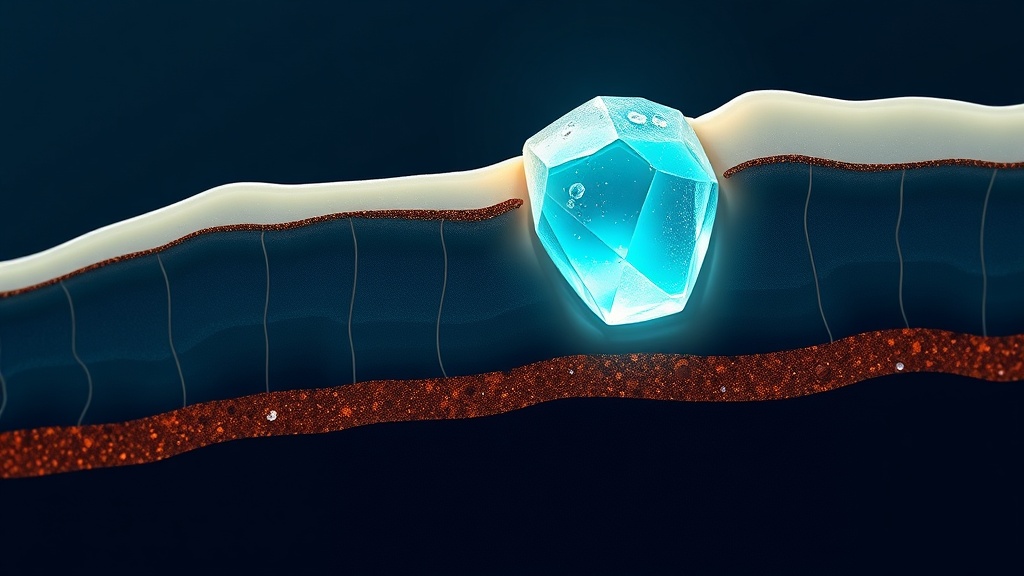
Fluoride works at the enamel surface, tilting the daily balance toward a more acid-resistant crystal.
What the research actually shows
Every claim below maps to a named, peer-reviewed source in the Sources section. According to PubMed.
| Claim | Evidence | Source |
|---|---|---|
| Fluoride toothpaste reduces new cavities versus non-fluoride toothpaste, with a firmly established prevented fraction of about 24 percent. | Pooled review of 70 trials, ~42,300 children. | Marinho et al., 2003 (Cochrane) |
| The effective range is roughly 1,000 to 1,500 ppm; below about 500 ppm there is no significant cavity-prevention benefit. | Concentration dose-response review. | Walsh et al., 2019 (Cochrane) |
| Topical fluoride is associated with roughly a 20 percent lower caries risk (RR about 0.80). | Evidence report for the US Preventive Services Task Force. | Chou et al., 2021 (USPSTF/JAMA) |
| About 12 percent of people had fluorosis of aesthetic concern at 0.7 ppm water fluoride; most fluorosis is mild and cosmetic. | Water fluoridation systematic review. | Iheozor-Ejiofor et al., 2024 (Cochrane) |
| The fluoride-IQ association was null for drinking water below 1.5 mg/L; the US target is about 0.7 mg/L. | Meta-analysis; NTP monograph companion. | Taylor et al., 2025 (JAMA Pediatrics) |
Recommended use versus high exposure
| Exposure | What it is | What the evidence shows |
|---|---|---|
| Fluoride toothpaste (1,000-1,500 ppm), spat out | Topical, twice daily | Established cavity-prevention benefit; not meant to be swallowed |
| US community water (~0.7 mg/L) | Low-level systemic | IQ association null at this level; small cosmetic fluorosis risk |
| Above 1.5 mg/L (WHO guideline) | High systemic exposure | Where the moderate-confidence neurodevelopment signal appears |
| Swallowed toothpaste (young children) | Unintended systemic dose | Why toddlers use a smear, older kids a pea, and both are supervised |
Where the safety concerns actually come from
Two worries dominate the is-fluoride-toxic conversation, and both deserve a straight answer rather than blanket reassurance or alarm. The first is dental fluorosis. This can happen only while teeth are still forming under the gums, roughly before age eight, if a child regularly takes in more fluoride than needed. In its common form it appears years later as faint white flecks or lacy patches on the enamel. It is a change in how the enamel mineralized, not decay, not pain, and not a sign the tooth is failing. National survey data put at least very-mild fluorosis in a meaningful minority of US children and teens, the great majority of it mild and mostly cosmetic. That is precisely why toothpaste labels tell you to use a smear for toddlers and a pea-sized amount for older children, and why kids are supervised so they spit rather than swallow. The second worry is the fluoride-and-IQ question, and here the honest summary is about dose. The signal that has driven headlines comes largely from populations with high systemic fluoride exposure, generally at or above the World Health Organization guideline of 1.5 mg/L for drinking water. A 2025 meta-analysis found the association with lower IQ was null below 1.5 mg/L, and the level the US aims for in fluoridated water is about 0.7 mg/L, well under that line. Government toxicology reviews landed in a similar place: a concern worth continued study at high exposures, not evidence that spitting out a fluoride toothpaste harms the brain. Holding both facts at once, a real cosmetic effect from childhood over-intake and an unresolved but high-dose neurodevelopment question, is the calm and accurate position.
Evidence you can act on.
Occasional emails — new research, new protocols, no noise.
How to use fluoride sensibly
Fluoride is a tool, and the point is simply to use the right amount in the right way. None of this treats a disease; it keeps the benefit high and the exposure sensible.
- 1
Use the right amount
twice dailyA smear (rice-grain size) for children under three, a pea-sized amount from three to six, and a pea-sized amount for adults is all you need. More paste does not clean better; it just increases what could be swallowed.
- 2
Spit, do not swallow, and go easy on rinsing
after brushingSpit out the excess and avoid rinsing with lots of water straight away, so a little fluoride stays working on the enamel. Supervise young children until they reliably spit, and keep tubes out of their reach.
- 3
Match the strength to your risk
ongoingStandard 1,000-1,500 ppm toothpaste suits most adults. High-strength prescription fluoride (around 5,000 ppm) exists for people at high cavity risk, but only on a dentist's advice, not as a default.
- 4
If you choose fluoride-free, choose evidence-backed
ongoingHydroxyapatite is the fluoride-free option with the most supporting data, and in some trials it performed comparably for cavity prevention. Avoid any product promising to cure or reverse cavities.
- 5
Let a professional stage your risk
at checkupsAnyone with white spots, a dry mouth, frequent cavities, or worries about fluorosis should have a personal risk assessment rather than relying on internet advice.
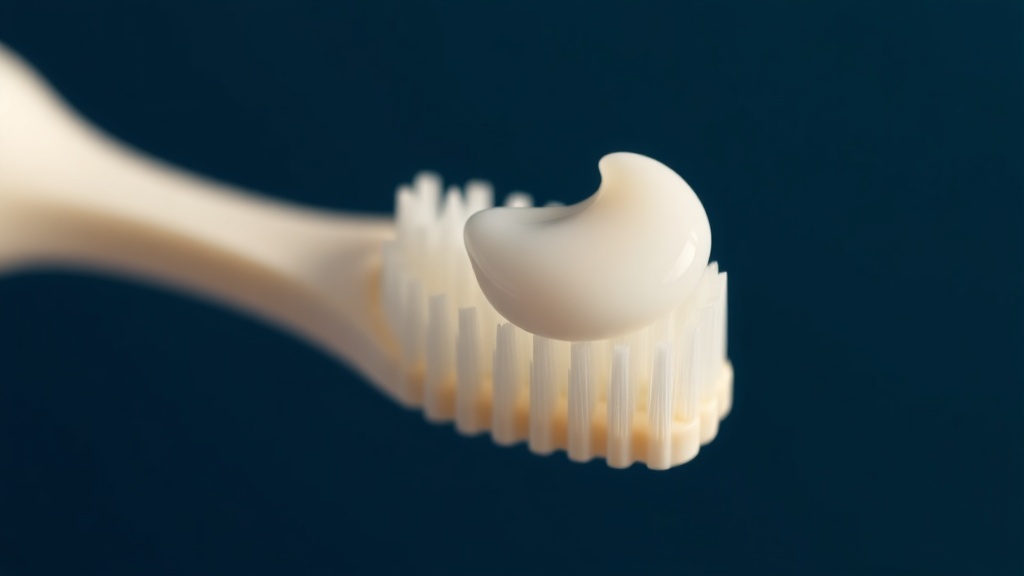
A pea-sized amount, spat out, is the whole safety story for everyday fluoride toothpaste.
See a dentist or physician if you have specific concerns about fluoride for your family, if a child may have swallowed a large amount of toothpaste, or if you notice unusual white or brown mottling on developing teeth. A dentist can stage your personal cavity risk and tailor how much fluoride, if any, makes sense for you rather than leaving you to decide from conflicting headlines.
Frequently asked questions
Sources
- 1.
- 2.
- 3.
- 4.
- 5.
- 6.
- 7.
- 8.

Fix your breath at the source.
The complete science-backed protocol — engineered to eliminate volatile sulfur compounds at the biological source.
Start the Breath Protocol →Related reading
Educational purposes only. The content on this page is not medical advice and is not a substitute for consultation with a qualified dental or medical professional.
More from the library
 Guides8 min
Fluoride-Free Toothpaste: An Honest, Balanced Guide
What a fluoride-free toothpaste can and cannot do, why nano-hydroxyapatite is the ingredient that matters, and a fair account of fluoride rather than a scare.
Read →→ Comparisons8 min
Hydroxyapatite vs Fluoride: Which Toothpaste Is Right for You?
Two ways to strengthen enamel, one big difference in how much evidence stands behind each.
Read →→ Ingredients8 min
How Fluoride Toothpaste Remineralizes Teeth
The chemistry behind fluoride's remineralizing power, and the honest line between the early lesions it can rebuild and the cavities it cannot.
Read →→ Answers8 min
Is Nano-Hydroxyapatite Toothpaste Safe?
The nanoparticle worry, answered by the actual toxicology reviews rather than the headlines.
Read →→ Answers8 min
How to Get Rid of White Spots on Teeth: Your Options, Ranked
An honest, evidence-based ladder of options, from what you can do at home to what only a dentist can fix.
Read →→ Ingredients8 min
Hydroxyapatite Toothpaste Benefits: What the Evidence Actually Supports
A calm, science-first look at what hydroxyapatite toothpaste can genuinely do for your enamel, and where the evidence stops.
Read →→