How to Remove Tartar at Home
The honest answer: once plaque hardens into tartar, only a dental professional can remove it safely. But you have real control over the plaque it starts as. Here is what works at home and where the line is.
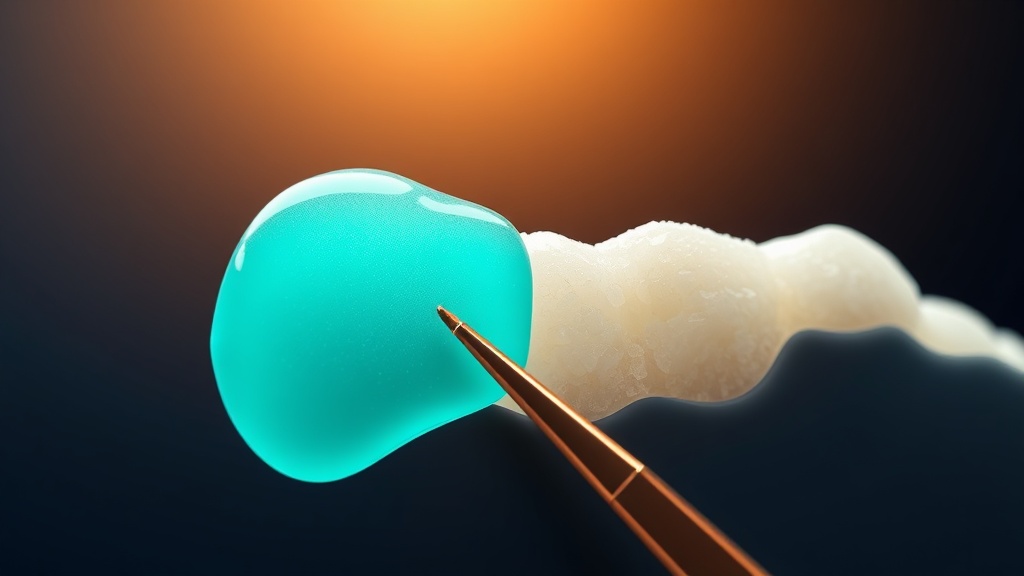
- There is an honest limit here: once plaque hardens into tartar (calculus), you cannot safely remove it at home — only a dentist or hygienist can, with proper scaling tools.
- What you can control is the plaque tartar forms from: soft plaque is easy to remove with daily brushing and cleaning between the teeth, before it has a chance to mineralise.
- Plaque can begin hardening within a day or two, so consistency matters more than intensity — thorough daily cleaning is what keeps new tartar from building.
- Tartar-control (anticalculus) toothpastes can slow how fast plaque mineralises, but they cannot dissolve tartar that has already formed and bonded to the tooth.
- Skip the viral hacks: metal picks, DIY scaling and acidic or abrasive scrubs can damage enamel and gums without removing bonded tartar. Book a professional clean instead.
You cannot safely scrape hardened tartar off your teeth at home — that needs a dentist or hygienist. What you can do is control the plaque it forms from: brush twice daily with fluoride toothpaste, clean between your teeth every day, and consider a tartar-control toothpaste to slow mineralisation. Once tartar has set, only professional scaling removes it.
Plaque versus tartar — the difference that decides everything
The whole question turns on one distinction. Plaque is a soft, sticky biofilm of bacteria and food residue that forms on teeth constantly; it is easy to remove with a brush and floss, which is exactly why daily cleaning works. Tartar, or calculus, is what plaque becomes when it is left in place: within a day or two, minerals from your saliva begin to harden the biofilm into a crusty deposit that bonds firmly to the enamel, usually along the gumline and behind the lower front teeth. That hardening is the problem. A soft film wipes away; a mineralised deposit does not, and the tools that could pry it off — metal scalers — are the same ones that scratch enamel and injure gums in untrained hands. This is why the realistic home goal is not to remove tartar but to keep it from forming, by clearing plaque thoroughly and often, before it has the chance to set. Removing tartar that already exists is a job for a professional clean.
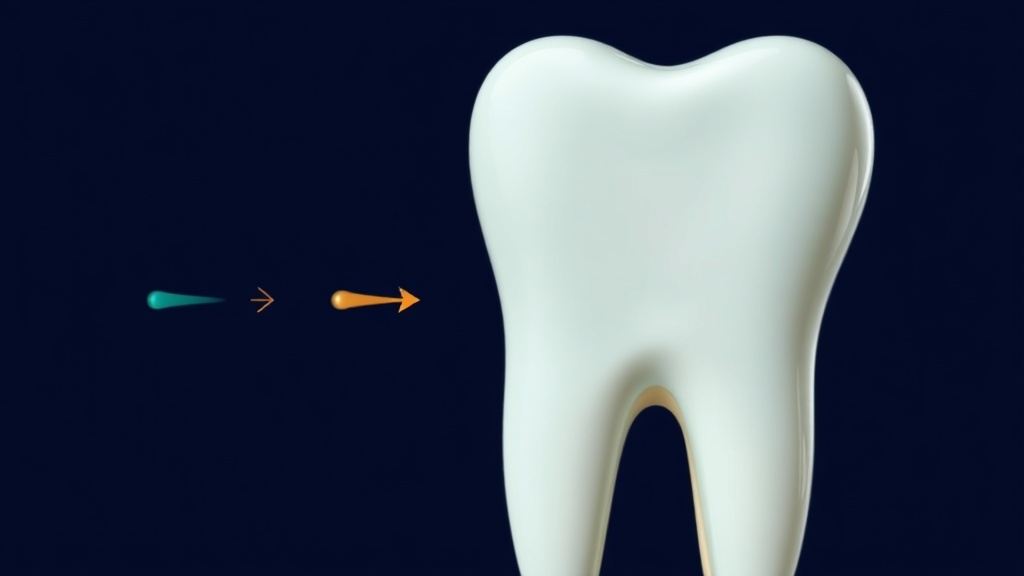
Left long enough, soft plaque takes up minerals from saliva and hardens into tartar bonded to the tooth.
What the research actually shows
Every claim below maps to a named, peer-reviewed source in the Sources section. According to PubMed.
| Claim | Evidence | Source |
|---|---|---|
| Once supragingival tartar has formed, it is removed by professional scaling, while anticalculus toothpastes can slow how fast new tartar forms. | Review of supragingival calculus control, scaling and anticalculus toothpastes. | Addy & Koltai, 1994 |
| Chlorhexidine mouthrinse reduces dental plaque as a chemical adjunct to mechanical cleaning. | Cochrane review of chlorhexidine mouthrinse for plaque control. | James et al., 2017 (Cochrane) |
| Dental plaque is a bacterial biofilm, and the odour-producing bacteria it harbours are a major source of oral malodour. | Review of the microbiology and treatment of oral malodour. | Loesche & Kazor, 2002 |
| Most bad breath is intra-oral, driven by bacterial buildup on the teeth and tongue rather than the stomach. | Clinical review of halitosis. | Scully & Porter, 2008 |
What you can and cannot remove at home
| Deposit | Can you remove it at home? | How it is actually handled |
|---|---|---|
| Soft plaque | Yes | Daily brushing and cleaning between the teeth |
| Plaque just starting to harden | Partly | Thorough daily cleaning now; a tartar-control toothpaste slows it |
| Hardened tartar above the gum | No — not safely | Professional scaling by a dentist or hygienist |
| Tartar below the gumline | No | A clinician only — never probe under the gum yourself |
Why tartar-removal hacks backfire
Search for at-home tartar removal and you will find metal dental picks, DIY scaling videos, and scrubs of baking soda, charcoal or acidic fruit. They share a problem: none of them safely remove bonded tartar, and several actively damage the mouth. A metal scaler in an untrained hand slips easily, gouging the gum or scratching the enamel and root surface — and a scratched surface actually collects plaque faster. Highly abrasive scrubbing wears away enamel, which does not grow back, while acidic tricks like lemon juice soften enamel rather than dissolving the calculus. Even when these methods knock off a visible fleck, they leave the deposit below the gumline untouched, which is the part that matters most for gum health. The sensible approach is the boring one: control plaque daily so less tartar forms, and let a professional remove what has already set, quickly and without harming the tooth. There is no safe shortcut that turns a home routine into a scaling appointment.
Evidence you can act on.
Occasional emails — new research, new protocols, no noise.
Your realistic at-home plaque-control routine
You cannot lift hardened tartar at home, but you can keep new tartar from building by clearing plaque well and often. This routine supports clean teeth and fresh breath; it is not a substitute for professional care.
- 1
Brush thoroughly, twice a day
2 minutes eachUse a fluoride toothpaste and brush for a full two minutes, angling the bristles toward the gumline where plaque and tartar gather. Thorough, gentle brushing clears soft plaque before it can mineralise; scrubbing hard does not help and can wear the enamel.
- 2
Clean between your teeth every day
1–2 minutesFloss or an interdental brush reaches the surfaces a toothbrush misses, especially between the teeth and near the gumline. These gaps are where tartar most often builds, so daily between-teeth cleaning is the step that makes the biggest difference.
- 3
Consider a tartar-control toothpaste
—Anticalculus toothpastes with ingredients like pyrophosphates can slow how fast plaque hardens into new tartar. They will not remove tartar you already have, but they help keep fresh deposits from forming between cleanings.
- 4
Limit sugar frequency and stay hydrated
all dayFrequent sugary or starchy snacking feeds plaque bacteria, and a dry mouth lets plaque and debris sit. Sipping water through the day and spacing out snacks helps keep the plaque load down and supports the mouth's natural cleaning.
- 5
Keep your professional cleanings
every 6 monthsA dentist or hygienist removes hardened tartar safely and checks your gums at the same time. Regular cleanings are the only reliable way to clear calculus, and they reset the surface so home cleaning stays effective.
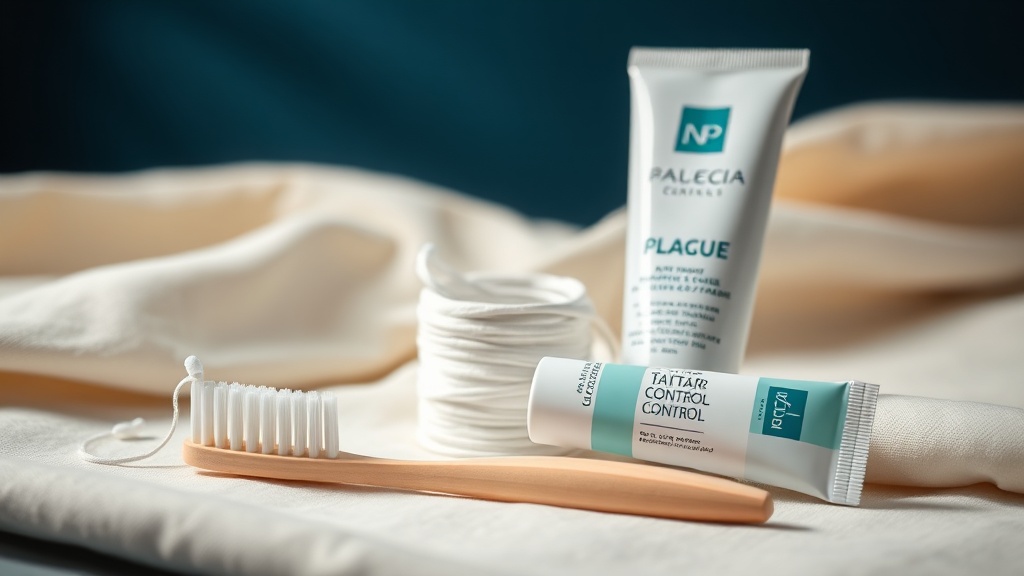
Daily brushing, cleaning between the teeth and a tartar-control paste are what keep new tartar from forming.
If you can see or feel hard, yellow-brown deposits along the gumline or behind your lower front teeth, that is tartar, and it needs a professional clean — not a home tool. Book a dental visit too if your gums bleed easily, look swollen or are receding, or if bad breath lingers despite good daily cleaning. Please do not try to scrape tartar off yourself with metal tools; the risk of damaging enamel and gums is real and avoidable.
Frequently asked questions
Sources
- 1.
- 2.
- 3.
- 4.

Fix your breath at the source.
The complete science-backed protocol — engineered to eliminate volatile sulfur compounds at the biological source.
Start the Breath Protocol →Related reading
Educational purposes only. The content on this page is not medical advice and is not a substitute for consultation with a qualified dental or medical professional.
More from the library
 Answers9 min
How to Remove Plaque From Teeth at Home (and When You Can't)
A practical, science-based routine for controlling soft plaque yourself — and an honest line on where home care stops and the dentist begins.
Read →→ Comparisons9 min
Plaque vs Tartar: What's the Difference, Really?
The honest, science-based difference between the soft biofilm you can clear yourself and the calcified deposit that needs a professional.
Read →→ Best Of9 min
Best Toothpaste for Bad Breath: What Ingredients Actually Matter
The active ingredient, not the brand on the tube, decides whether a toothpaste actually helps freshen your breath.
Read →→ Guides8 min
The Best Way to Clean Your Tongue for Fresh Breath
Most bad breath starts on the back of the tongue — here is the gentle, evidence-based way to clean it for fresher breath.
Read →→ Guides8 min
How to Get Rid of Bad Breath Permanently: An Evidence-Based Plan
The honest version: "permanently" means ongoing control, not a one-time fix. Here is the daily routine the research actually supports, and when to get help.
Read →→ Guides7 min
Bad Breath Even After Brushing? The Biological Reason (and Fix)
You brushed, flossed and rinsed — and the smell is still there. The reason usually isn't hygiene; it's where the odour-causing bacteria actually live.
Read →→