Remineralizing Toothpaste: How It Works and What Actually Rebuilds Enamel
A plain-English guide to how remineralizing toothpaste works — and an honest comparison of fluoride, n-HA and CPP-ACP.
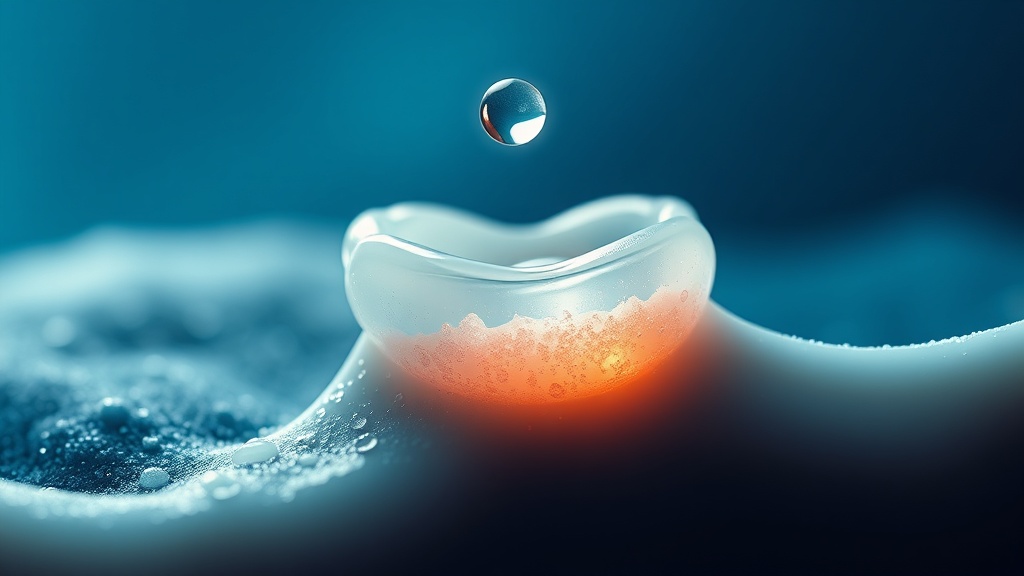
- Your enamel is constantly losing and regaining mineral; a remineralizing toothpaste tips that daily balance toward regaining it.
- The three ingredients with real evidence are fluoride, nano-hydroxyapatite (n-HA) and CPP-ACP — they work by different routes but toward the same goal: re-hardening softened enamel.
- Fluoride has over half a century of trials behind it and remains the scientific benchmark; n-HA is a well-supported alternative; CPP-ACP works but is not superior to fluoride for caries.
- Remineralization rebuilds surface mineral on early, non-cavitated lesions — the white-spot stage — and cannot rebuild a tooth that has already cavitated.
- The toothpaste is only half the story: saliva is your body's own remineralizing system, and how you use the paste matters as much as which one you choose.
A remineralizing toothpaste helps your enamel regain mineral faster than it loses it. Its active ingredient — fluoride, nano-hydroxyapatite or CPP-ACP — delivers calcium, phosphate or fluoride to the softened surface so early, non-cavitated lesions can re-harden. It can strengthen and support early enamel, but it cannot rebuild a tooth that has already formed a cavity.
What 'remineralizing' actually means
Enamel is not the inert, unchanging shell most people imagine. It is caught in a constant tug-of-war. Every time you eat or drink something acidic, the pH at the tooth surface drops, and below a critical point of about 5.5 the surface begins to lose mineral — this is demineralization. Between meals, saliva neutralizes the acid and delivers calcium and phosphate back to the surface — this is remineralization. Caries is simply what happens when demineralization outpaces remineralization for long enough, leaving a subsurface lesion that first shows as a chalky white spot. A remineralizing toothpaste exists to tip that daily balance back the other way. It floods the softened surface with the raw materials of enamel mineral — calcium, phosphate and, in the case of fluoride, an ion that helps build a tougher, more acid-resistant crystal. Crucially, this only works while the surface layer is intact. Progression can be arrested at any stage, but only if the tooth can be kept genuinely plaque-free — and once a lesion cavitates, its rough, plaque-retentive surface makes that impossible at home. Enamel is also acellular, with no living cells to regrow lost structure, so remineralization re-grows mineral crystals on a surface; it does not regrow a tooth.
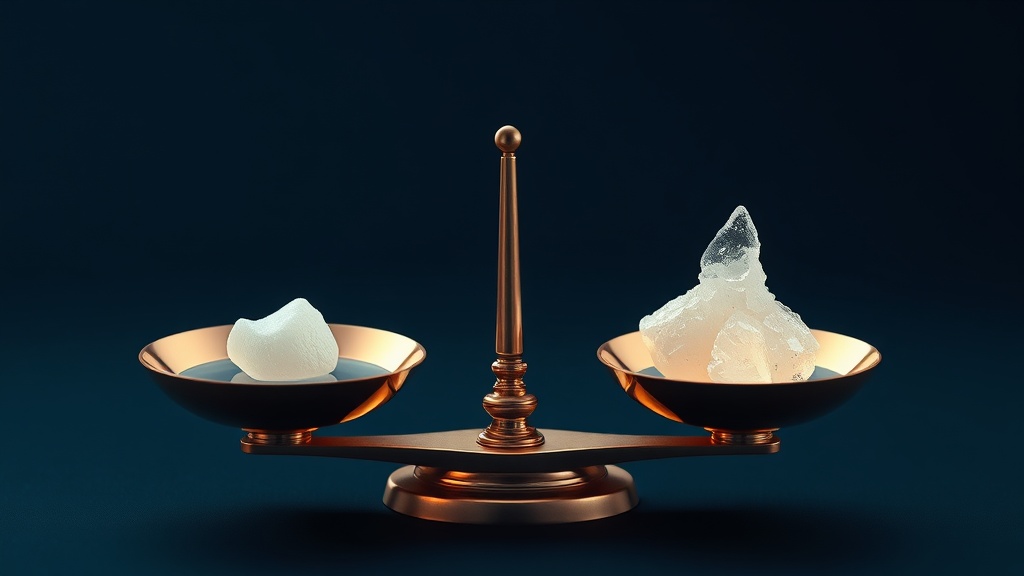
Remineralizing toothpaste tips the everyday balance — acid loss on one side, mineral gain from saliva and paste on the other — toward regaining mineral.
What the research actually shows
Every claim below maps to a named, peer-reviewed source in the Sources section. According to PubMed.
| Claim | Evidence | Source |
|---|---|---|
| Fluoride toothpaste at 1,000–1,500 ppm reduces caries versus non-fluoride paste, with a clear dose-response by concentration. | Cochrane systematic review of fluoride toothpaste concentrations. | Walsh et al., 2019 (Cochrane) |
| Fluoride toothpaste has a pooled prevented fraction of about 24% — benefits 'firmly established' over more than half a century. | Cochrane review of 70 trials, 42,300 children. | Marinho et al., 2003 (Cochrane) |
| A fluoride-free hydroxyapatite toothpaste was non-inferior to 1,450 ppm fluoride for caries prevention in adults over 18 months. | 18-month randomized non-inferiority trial. | Paszynska et al., 2023 |
| CPP-ACP remineralizes early lesions versus placebo but is 'not significantly different from that of fluorides.' | Systematic review of long-term remineralization. | Li et al., 2014 |
| Remineralized enamel formed with trace fluoride is more acid-resistant than the original mineral. | Review of fluoride mechanisms of action. | Buzalaf et al., 2011 |
The three remineralizing ingredients, side by side
| Ingredient | How it works | What the evidence says |
|---|---|---|
| Fluoride | Combines with the surface to build fluorapatite, a tougher, more acid-resistant crystal | The benchmark: over 50 years of trials, ~24% prevented fraction, clear dose-response |
| Nano-hydroxyapatite (n-HA) | Deposits enamel's own mineral onto the surface and seeds crystal re-growth | Non-inferior to fluoride in adult trials; a genuine alternative, not proven superior |
| CPP-ACP (casein / 'Recaldent') | Carries calcium and phosphate to the tooth in a stabilized form | Remineralizes vs placebo but not better than fluoride; ADA advises against it as a caries-arrest agent |
Fluoride vs n-HA vs CPP-ACP — how they differ
All three ingredients aim at the same target, but they get there differently, and the honest evidence picture is not that one is magic and the others are useless. Fluoride is the odd one out because it does not just supply mineral — it changes the chemistry of the mineral that forms, pulling calcium and phosphate into a fluorapatite crystal that resists acid better than the enamel you were born with. That mechanism, plus more than half a century of trials, is why it remains the scientific benchmark, with a well-established dose-response above about 1,000 ppm and essentially no benefit below 500 ppm. Nano-hydroxyapatite takes a more literal approach: it delivers particles of the exact mineral enamel is made of, which settle into the softened surface and act as seed crystals. In head-to-head studies it holds its own, matching fluoride for remineralization, though the strongest independent review graded that evidence 'very low' and noted it is gentler under a direct acid attack. CPP-ACP, derived from milk casein and sold as Recaldent, stabilizes calcium and phosphate so they stay available at the tooth surface; it genuinely remineralizes early lesions, but reviews find it no better than fluoride, and the American Dental Association specifically advises against it as a caries-arrest agent, reserving it for niches like sensitivity and erosion. The practical upshot: any of the three can support early enamel, and choosing between them is more about personal preference — fluoride-free, sensitivity, children — than about one being dramatically stronger.
Evidence you can act on.
Occasional emails — new research, new protocols, no noise.
How to use a remineralizing toothpaste well
How you use the paste matters as much as which active ingredient it contains. None of this treats a disease — it supports the enamel surface and your mouth's own repair system.
- 1
Pick one active ingredient and commit to it
one-time choiceFluoride, n-HA or CPP-ACP will all help. Rather than chasing the newest label, choose the one that fits your preferences and use it consistently — remineralization is a slow, cumulative process.
- 2
Brush twice daily, and don't rinse it all away
twice dailySpit out the excess but skip the water rinse. Leaving a thin film of paste keeps calcium, phosphate or fluoride in contact with the surface, which is where remineralization happens.
- 3
Protect your saliva
all daySaliva is your built-in remineralizing system, keeping the mouth supersaturated with the minerals enamel needs. Sip water through the day, especially after coffee, alcohol or medications that dry the mouth.
- 4
Cut the acid-and-sugar frequency, not just the amount
ongoingEvery sugary or acidic exposure restarts the demineralization clock. Grouping treats with meals, rather than sipping and snacking all day, gives saliva and your toothpaste time to win the balance back.
- 5
Have any spot professionally staged
as neededA remineralizing paste is for early, non-cavitated enamel. If a dentist judges a spot to be cavitated, it is past the reach of any toothpaste and needs restoring.
Fluoride, n-HA and CPP-ACP take different routes, but all aim to hand mineral back to the same softened enamel surface.
A remineralizing toothpaste is a preventive, everyday tool — not a fix for a tooth that already hurts or has a hole. See a dentist promptly if you have a visible pit or cavity, sensitivity or pain that lingers, or a spot that is darkening or growing. Only a professional can tell an early, arrestable lesion from a cavity that needs treatment, and catching that difference early is exactly what keeps small problems small.
Frequently asked questions
Sources
- 1.
- 2.
- 3.
- 4.
- 5.
- 6.
- 7.
- 8.
- 9.
- 10.

Fix your breath at the source.
The complete science-backed protocol — engineered to eliminate volatile sulfur compounds at the biological source.
Start the Breath Protocol →Related reading
Educational purposes only. The content on this page is not medical advice and is not a substitute for consultation with a qualified dental or medical professional.
More from the library
 Comparisons8 min
Hydroxyapatite vs Fluoride: Which Toothpaste Is Right for You?
Two ways to strengthen enamel, one big difference in how much evidence stands behind each.
Read →→ Ingredients8 min
Nano-Hydroxyapatite Toothpaste: What n-HA Really Does
A clear, evidence-based look at nano-hydroxyapatite — how the nano form differs from micro, and what the studies actually show.
Read →→ Best Of8 min
How to Choose the Best Remineralizing Toothpaste
How to pick a remineralizing toothpaste by the evidence — not the marketing — and match it to your needs.
Read →→ Best Of8 min
How to Choose the Best Hydroxyapatite Toothpaste
Skip the marketing and pick on the three things the research says actually matter.
Read →→ Answers8 min
How to Get Rid of White Spots on Teeth: Your Options, Ranked
An honest, evidence-based ladder of options, from what you can do at home to what only a dentist can fix.
Read →→ Ingredients8 min
Hydroxyapatite Toothpaste Benefits: What the Evidence Actually Supports
A calm, science-first look at what hydroxyapatite toothpaste can genuinely do for your enamel, and where the evidence stops.
Read →→