Does Whitening Toothpaste Work?
It works by polishing stains off the surface, not by bleaching, and that difference is everything.
- Yes, whitening toothpaste works, but only by removing surface stains through gentle abrasion. It does not bleach the tooth the way peroxide does.
- Researchers put it plainly: whitening dentifrices act through an abrasive effect rather than bleaching the tooth structure. The whitening you see is stain lifted off the surface.
- The results are real but modest. A baking-soda whitening paste cut surface stain by 61.6 percent and improved shade by 2.57 units over six weeks, and another removed 23.1 percent of stain in just five days.
- Non-peroxide whitening rinses barely change colour, with an effect below the threshold most people can even perceive. Only hydrogen peroxide truly whitens beyond stain removal.
- Because it is abrasion, the trade-off is wear. Some whitening pastes are more abrasive than regular ones, so a low-abrasivity formula that cleans without scouring is the smart choice.
Whitening toothpaste does work, but it removes surface stains by mild abrasion rather than bleaching the tooth. Studies show it can lift a meaningful amount of extrinsic stain, a baking-soda paste cut stain by over 60 percent in six weeks, yet it cannot change the tooth's built-in colour. For that you need peroxide. Choose a low-abrasivity formula to avoid unnecessary enamel wear.
How whitening toothpaste actually whitens
The word whitening on a toothpaste tube does a lot of quiet work. It suggests bleaching, but for the vast majority of these products the mechanism is mechanical, not chemical. True bleaching happens when peroxide diffuses through the enamel and oxidizes the coloured molecules inside the dentin, lightening the tooth from within. Ordinary whitening toothpaste does none of that. Instead it uses fine abrasives, often hydrated silica, and sometimes ingredients like baking soda, to scrub the stained protein film off the enamel surface. A laboratory study of proteolytic and commercial whitening pastes reached a blunt conclusion: whitening dentifrices only act through an abrasive effect rather than bleaching the tooth structures. In other words, the paste is polishing away coffee, tea, wine and tobacco pigment that sits on the surface, then revealing the cleaner enamel underneath. That is genuinely useful, and it is why your teeth look a shade brighter after switching, but it explains the ceiling too. Once the surface stain is gone, more brushing cannot make the tooth whiter, because the abrasive cannot reach or change the dentin's own colour. Understanding this one fact, polish not bleach, tells you exactly what to expect and what to avoid.
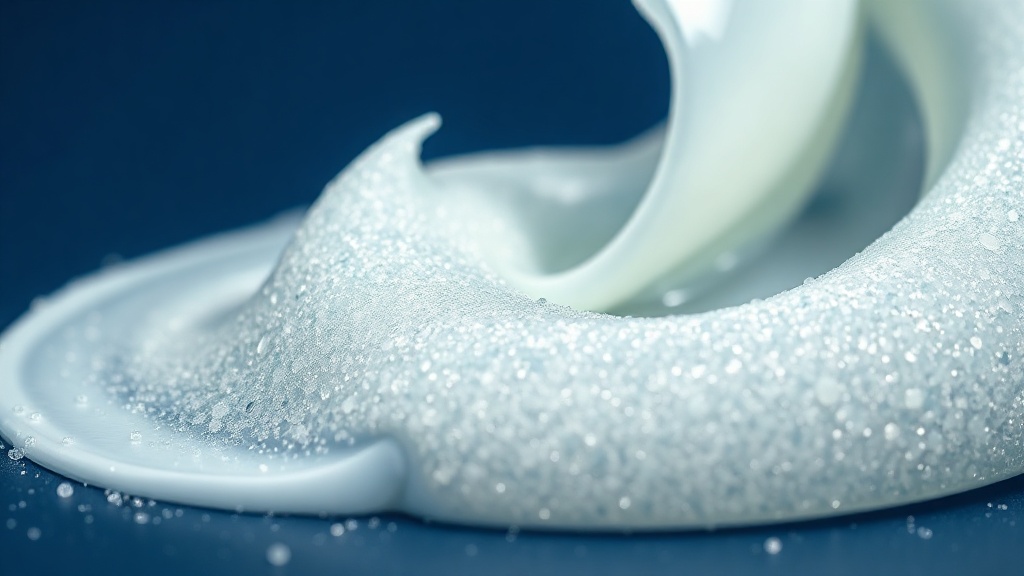
Most whitening toothpaste relies on fine abrasives like silica: it polishes stain off the surface rather than bleaching the tooth from within.
What the research actually shows
Every claim below maps to a named, peer-reviewed source in the Sources section. According to PubMed.
| Claim | Evidence | Source |
|---|---|---|
| Whitening dentifrices act through an abrasive effect rather than bleaching the tooth structure; none of the pastes raised the enamel whiteness index beyond stain removal. | In vitro brushing study of commercial and experimental whitening pastes. | Schwarzbold et al., 2020 |
| A baking-soda whitening toothpaste reduced surface stain by 61.6 percent and improved shade by 2.57 units over six weeks versus an unchanged control. | Randomized six-week clinical trial, 146 subjects. | Ghassemi et al., 2012 |
| A whitening dentifrice produced a 23.1 percent reduction in extrinsic stain in just five days versus a regular toothpaste that was essentially unchanged. | Randomized, examiner-blind five-day clinical trial. | Ghassemi et al., 2015 |
| Among over-the-counter agents, the maximum effect was stain removal; only hydrogen peroxide whitened the teeth further than surface cleaning. | In vitro comparison of six OTC whitening agents vs hydrogen peroxide. | Muller-Heupt et al., 2023 |
| Non-peroxide whitening rinses changed colour by only about 0.9 to 1.15 units, barely perceptible and well below true bleaching. | In vitro four-week mouthrinse study; perceptibility threshold near 1.2 units. | Ntovas 2021; Paravina 2015 |
Whitening toothpaste versus real bleaching
| Method | How it changes colour | What to expect |
|---|---|---|
| Whitening toothpaste | Mild abrasion lifts surface stain | Modest brightening, then a ceiling |
| Baking-soda paste | Low-abrasivity surface polishing | Effective stain removal, low wear |
| Blue-covarine paste | Optical blue tint offsets yellow | Temporary, washes off; evidence split |
| Whitening mouthrinse | Very light surface stain removal | Barely perceptible colour change |
| Peroxide gel or strips | Oxidizes pigment inside the dentin | True bleaching beyond surface stain |
Where the marketing gets ahead of the science
A few whitening-toothpaste claims deserve a sceptical eye. The first is the optical trick. Some pastes contain blue covarine, a pigment that deposits a faint blue tint to counter yellow and make teeth look whiter for a while. Industry-funded trials report an immediate improvement after a single brush, but an independent randomized trial found no clinically relevant whitening from blue covarine over a control paste, and any effect is cosmetic and temporary, it rinses away. The second is the enzyme story. Pastes and rinses built around papain or bromelain are marketed as gentle natural whiteners, yet a standalone enzyme rinse performed no better than water in testing, and where enzyme pastes did lift stain it was again down to abrasion, not the enzyme. The third is abrasiveness itself. Across 26 dentifrices, products marketed as whitening were generally more abrasive to dentin, especially silica-based ones, and yet cleaning power and abrasiveness were not directly coupled, meaning a harsher paste is not necessarily a better cleaner. The honest takeaway is that whitening toothpaste earns its name by removing stain, does so best when the abrasive is gentle like baking soda, and cannot deliver the deeper colour change that only peroxide provides. If a tube promises dramatic shade change without peroxide, the science does not back it.
Evidence you can act on.
Occasional emails — new research, new protocols, no noise.
How to get real results from whitening toothpaste
Used well, whitening toothpaste is a legitimate, low-cost way to keep surface stain down. Here is how to get the most from it while protecting enamel. This is cosmetic stain care, not disease treatment.
- 1
Pick a low-abrasivity formula
once, when choosingA baking-soda based paste cleans stain effectively at lower abrasivity, a better trade than a gritty silica-heavy whitening paste. Since abrasiveness and cleaning are not the same, gentler is usually smarter.
- 2
Brush twice daily, gently
two minutesConsistency lifts stain; pressure does not. Light circles with a soft or powered brush remove the surface film without scouring enamel. Bearing down harder just increases wear.
- 3
Give it a few weeks
4 to 6 weeksStain removal is gradual: trials show meaningful improvement by five days and more by six weeks. Expect a brighter surface, then a natural plateau once the extrinsic stain is gone.
- 4
Add peroxide only if you want true bleaching
as neededIf you want to change the tooth's built-in colour rather than just clean it, that is where a regulated peroxide product or a dentist comes in. Toothpaste and peroxide do different jobs.
- 5
Do not chase whiteness with abrasion
alwaysSwitching to an ever-harsher paste, or scrubbing longer, will not beat the ceiling; it only wears enamel and can leave teeth looking more yellow as the dentin shows through.
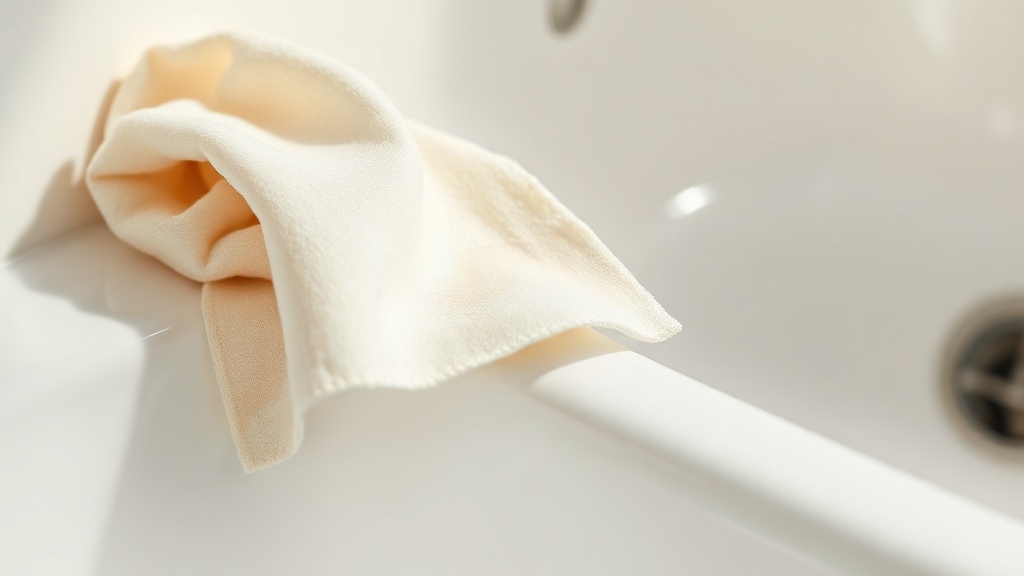
The whitening you see is surface stain lifted away, the clean half gleaming, not a change in the material's own colour.
If your teeth still look dull or yellow after weeks of a whitening toothpaste, that usually means the colour is intrinsic, inside the dentin, where toothpaste cannot reach. A dentist can confirm whether you are dealing with surface stain or built-in colour and, if you want a genuine shade change, offer a regulated peroxide treatment. Also check in if a whitening paste leaves your teeth sensitive or your gums sore, which can signal too much abrasion.
Frequently asked questions
Sources
- 1.
- 2.
- 3.
- 4.
- 5.
- 6.
- 7.
- 8.
- 9.
- 10.

Fix your breath at the source.
The complete science-backed protocol — engineered to eliminate volatile sulfur compounds at the biological source.
Start the Breath Protocol →Related reading
Educational purposes only. The content on this page is not medical advice and is not a substitute for consultation with a qualified dental or medical professional.
More from the library
 Guides8 min
Does Purple Toothpaste Work? An Honest Evidence Check
The honest verdict on purple toothpaste — why it is an optical trick rather than real bleaching, why industry and independent studies split, and where it fits.
Read →→ Answers8 min
Does Baking Soda Whiten Teeth? What the Evidence Says
An honest look at what baking soda can and cannot do for a whiter smile.
Read →→ Best Of8 min
Best Teeth Whitening Powder (2025): Peroxide-Free & Enamel-Safe Picks
Whitening powders lift surface stain by polishing, not bleaching. The safe pick removes stain at low abrasivity; the trendy one quietly wears enamel.
Read →→ Answers8 min
Do Whitening Strips Damage Enamel? What Studies Show
An evidence-based look at whether whitening strips harm enamel: what peroxide really does to the surface, why softening is reversible, and how sensitivity differs from damage.
Read →→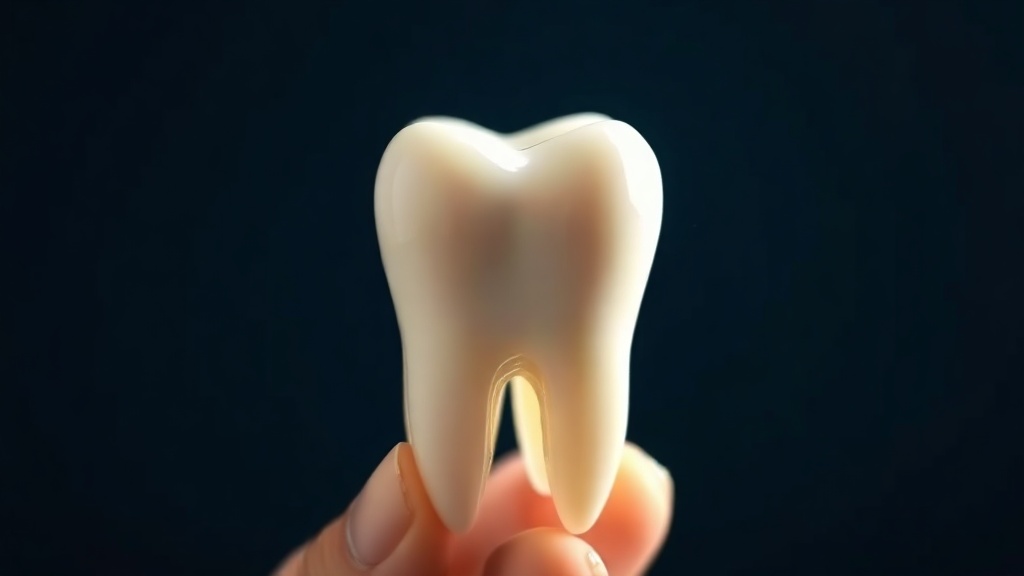 Answers8 min
Does Teeth Whitening Damage Enamel? The Evidence-Based Answer
The honest, evidence-based answer to whether whitening harms enamel — what peroxide really does to the surface, why sensitivity is not damage, and the DIY methods that actually cause wear.
Read →→ Best Of9 min
Best Fluoride-Free Whitening Toothpaste: An Honest, Evidence-Based Guide (2026)
Which fluoride-free whitening ingredients hold up to the research — and which are marketing. An honest buyer's guide.
Read →→