
Does Tooth Enamel Grow Back? The Honest Science
Why enamel is the one part of your body that never regrows — and what you can genuinely do instead.
- No — tooth enamel does not grow back. It is the only major structure in your body that cannot regenerate itself once it is lost.
- The reason is simple: enamel is acellular. Unlike skin, bone or hair, it has no living cells left after a tooth erupts, so there is nothing there to make more of it.
- You CAN remineralize the softened surface of early enamel — re-hardening a chalky white spot with fluoride or nano-hydroxyapatite before it becomes a hole.
- Popular claims that a special diet "reverses cavities" or regrows enamel from within are not supported by human evidence — the tooth cannot heal from the inside.
- When enamel is genuinely gone, a dentist restores the tooth with a filling, bonding or a crown. That is restoration, not regrowth — and it is the right answer for real loss.
No. Tooth enamel does not grow back — it has no living cells, so it cannot regenerate the way skin or bone does. What you can do is remineralize the surface of early, still-intact enamel, re-hardening a white spot and making it more acid-resistant. Enamel that is truly lost is restored by a dentist, not regrown.
Why enamel is the one part that never regrows
Almost every tissue in your body can repair itself because it is alive. A cut in your skin closes because skin cells divide and fill the gap. A broken bone knits because bone cells lay down fresh material. Enamel breaks that rule completely. It is built once, before the tooth ever appears in the mouth, by specialized cells called ameloblasts. The moment the tooth erupts, those cells are shed and gone. From that point on, enamel contains no living cells at all — it is roughly 96% mineral and biologically inert. That is the entire reason it cannot grow back: there is no cellular machinery left to manufacture new enamel, so a layer that dissolves or chips away is simply not replaced. This is genuinely unusual, and it is why enamel deserves more protection than any other surface in the body. The one thing enamel can still do is trade minerals with saliva at its surface. If acid has softened but not yet broken the outer crystal layer, minerals can move back in and re-harden it. That is a chemical exchange on the surface, not growth — and it is the whole of what is actually possible.
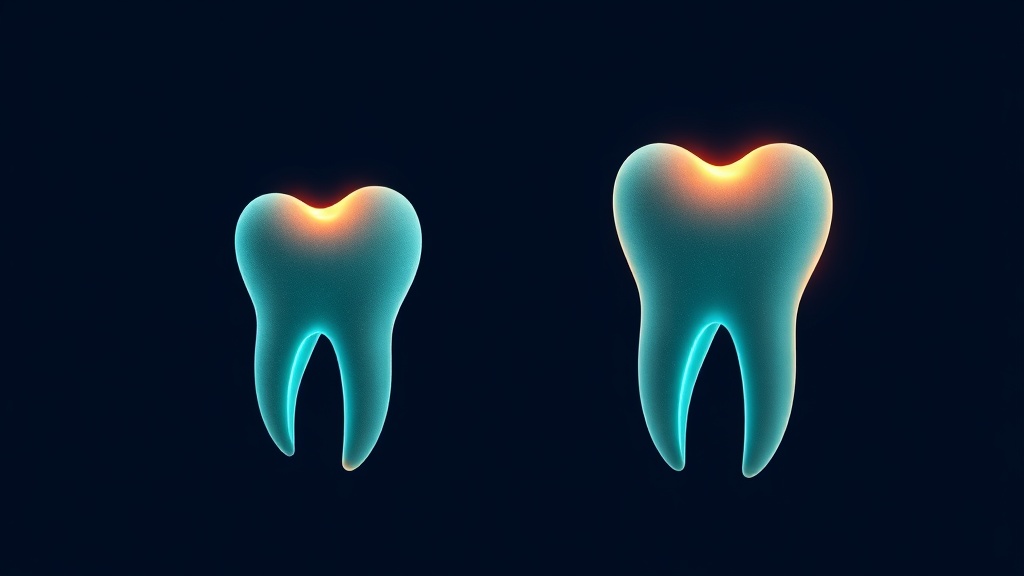
Enamel is made once, before the tooth erupts, by cells that are then lost for good — which is why lost enamel is never remade.
What the research actually shows
Every claim below maps to a named, peer-reviewed source in the Sources section. According to PubMed.
| Claim | Evidence | Source |
|---|---|---|
| Mature enamel is acellular with no cells to regenerate lost structure; the only non-invasive option is physicochemical re-growth of surface crystals from calcium and phosphate. | Review of enamel biomineralization and repair. | Grohe & Mittler, 2021 |
| Once enamel cavitates it cannot repair itself; the developed enamel does not remineralize back to sound tooth. | Materials-science review of enamel repair. | Liu et al., 2022 |
| Early enamel demineralization can be reversed by protective factors in saliva — but this is reversal of the surface process, not regrowth of a lost layer. | Landmark review of the caries balance. | Featherstone, 1999 |
| The "diet reverses cavities / heals from within" theory rests on 1930s and 1960s animal work and a single non-peer-reviewed hypothesis paper, with zero human remineralization data. | Hypothesis paper by design, not clinical evidence. | Southward, 2015 |
| Enamel remineralized with trace fluoride is more acid-resistant than the original mineral — so the surface can end up tougher than before. | Review of fluoride mechanisms. | Buzalaf et al., 2011 |
Grow back vs the things people confuse it with
| Claim you may have heard | Is it true? | What is really happening |
|---|---|---|
| "Enamel grows back over time" | No | Enamel has no cells; it cannot regenerate |
| "You can remineralize a white spot" | Yes, if intact | Surface crystals re-harden from saliva and toothpaste |
| "A special diet reverses cavities" | Not supported | Diet helps prevent damage; it does not regrow enamel |
| "Fluoride rebuilds enamel" | Partly | It re-hardens and toughens the existing surface, not lost structure |
| "A dentist can regrow my enamel" | No | A dentist restores the tooth with a material — not new enamel |
Where the "grows back" myth comes from
The myth is usually a garbled version of something true. Dentists and health bodies really do say that early tooth decay can be "reversed" or "stopped" — the U.S. National Institute of Dental and Craniofacial Research uses exactly that language about fluoride and early decay. But that reversal refers to re-hardening the softened surface of an early lesion, not to regrowing enamel that is gone. Somewhere between the clinic and a social feed, "you can reverse early decay at the surface" becomes "your enamel grows back," and then a whole online subculture pushes it further, claiming the right diet can heal established cavities from the inside. That last idea is where it turns risky. Enamel is acellular and cannot heal from within, and people who delayed real dental care while trying to remineralize an open tooth have described infections and lost teeth as a result. So the useful way to hold this: believe the honest, narrow claim — early surface damage can be re-hardened and stopped — and be skeptical of any promise that enamel regrows or that holes heal on their own.
Evidence you can act on.
Occasional emails — new research, new protocols, no noise.
What to do instead of waiting for enamel to grow back
You cannot regrow enamel, so the whole game is protecting and re-hardening what you still have. None of this treats a disease — it supports the surface and slows loss.
- 1
Re-mineralize the surface twice a day
twice dailyBrush with fluoride (1,000–1,500 ppm) or a properly dosed nano-hydroxyapatite toothpaste. This is the closest thing to "strengthening" enamel that genuinely works — on the surface that remains.
- 2
Spit, do not rinse
a few secondsLeave a thin film of paste behind so the mineral has contact time. Rinsing with water immediately undoes much of the benefit.
- 3
Starve the acid attacks
ongoingEnamel softens whenever the surface pH drops below about 5.5. Reduce how often acidic and sugary items hit your teeth, and give the surface long acid-free windows to re-harden between them.
- 4
Protect your saliva
all daySaliva is your natural remineralizing fluid. Stay hydrated, and flag a persistently dry mouth to a professional, since it accelerates enamel loss.
- 5
Act early — do not wait and hope
one visitBecause enamel never grows back, catching damage while it is still a re-hardenable white spot is everything. A dentist can tell that from a hole, which decides whether home care is enough.
Since enamel cannot regrow, the realistic win is holding the line: re-harden the surface and stop the next attack from breaking through.
If you are hoping enamel will grow back over a spot you can feel, that is the moment to see a dentist instead. Book a visit if you can feel a hole or rough catch, if a spot has darkened, if a tooth is chipped or sensitive in one place, or if a white patch keeps spreading. Waiting for regrowth that cannot happen only lets the damage go deeper — and deeper damage is harder to restore.
Frequently asked questions
Sources
- 1.
- 2.
- 3.
- 4.
- 5.
- 6.

Fix your breath at the source.
The complete science-backed protocol — engineered to eliminate volatile sulfur compounds at the biological source.
Start the Breath Protocol →Related reading
Educational purposes only. The content on this page is not medical advice and is not a substitute for consultation with a qualified dental or medical professional.
More from the library
 Answers8 min
Can You Rebuild Tooth Enamel? What Is Actually Possible
The honest split: what you can genuinely strengthen at home, and what only a dentist can restore.
Read →→ Guides8 min
How to Restore Tooth Enamel: A Practical, Honest Guide
A realistic daily routine to re-harden early enamel and stop the slide — plus the point where a dentist takes over.
Read →→ Answers8 min
How to Remineralize Teeth: An Honest, Practical Guide
The practical routine that supports enamel remineralization, and the clear line between the early lesions it can rebuild and the decay it cannot.
Read →→ Guides8 min
White Spots on Teeth: Causes and What to Do
The two common reasons enamel turns chalky white, and the honest guide to which spots you can rebuild at home and which need professional care.
Read →→ Answers8 min
How to Get Rid of White Spots on Teeth: Your Options, Ranked
An honest, evidence-based ladder of options, from what you can do at home to what only a dentist can fix.
Read →→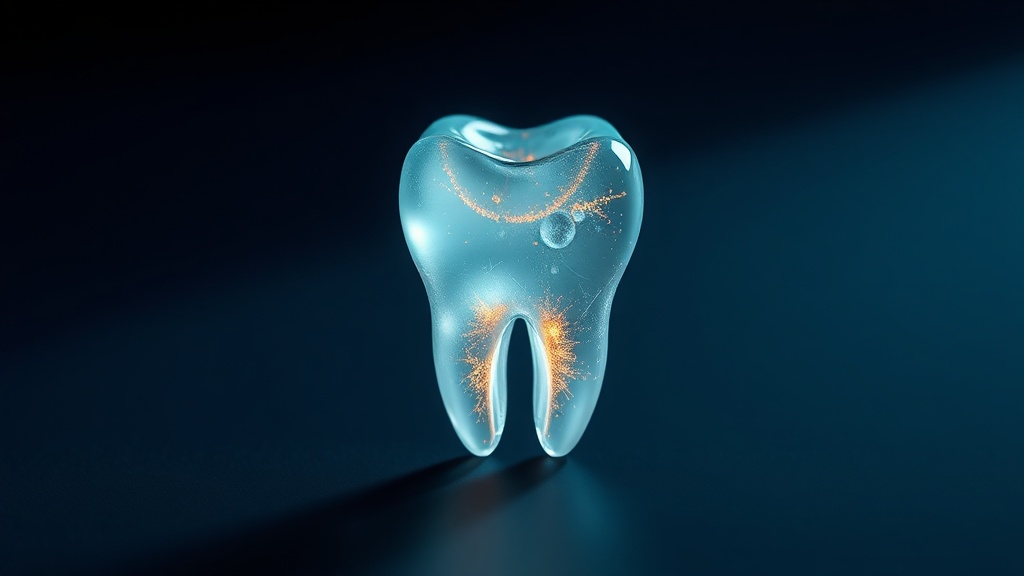 Ingredients8 min
Hydroxyapatite Toothpaste Benefits: What the Evidence Actually Supports
A calm, science-first look at what hydroxyapatite toothpaste can genuinely do for your enamel, and where the evidence stops.
Read →→