Can You Whiten Veneers? The Truth About Porcelain and Composite
Peroxide only lightens natural tooth structure, so a veneer's shade is essentially fixed — but surface stain is a different story.
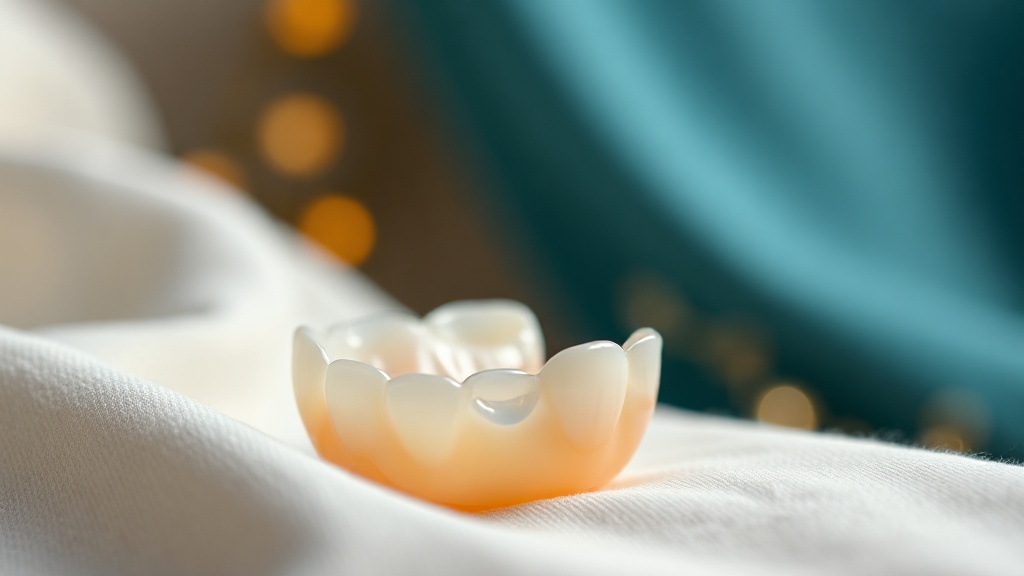
- Whitening gel and strips cannot change the colour of a porcelain or composite veneer — peroxide only lightens natural tooth structure, and a veneer has none of the dentine that whitening actually acts on.
- The porcelain used for veneers is glazed and essentially non-porous, so a bleaching agent sits on the surface and rinses away instead of diffusing inward the way it does with a real tooth.
- What you can refresh on a veneer is surface stain: gentle polishing and low-abrasivity cleaning lift coffee, tea and wine film and bring back much of the original brightness.
- The smartest sequence is to whiten your natural teeth first, then have veneers colour-matched to that brighter shade — because once a veneer is made, its colour is fixed.
- If a veneer no longer matches the teeth around it, the fix is a professional polish or a remake by your dentist, never a stronger whitening gel.
No — you cannot whiten veneers. Porcelain and composite veneers do not respond to peroxide, because bleaching works by diffusing into natural tooth structure, which a veneer lacks. You can remove surface stains with gentle polishing to refresh their look, but changing the actual shade means whitening your natural teeth first or having the veneer replaced.
Why whitening gel does nothing to a veneer
To understand why veneers will not whiten, it helps to know what whitening actually does. Peroxide-based gels work by diffusing through the outer enamel and oxidising the coloured molecules held deeper in the tooth, mostly within the dentine underneath. In other words, the effect depends entirely on natural tooth structure: a porous enamel layer to travel through and pigmented organic material inside to break down. A veneer has neither. Porcelain veneers are made from glazed dental ceramic — a dense, fired, essentially non-porous material with a sealed surface. Composite veneers are a hardened resin. When you lay a whitening gel over either one, the peroxide has nothing to soak into and nothing of the right kind to react with, so it simply rests on the surface and is rinsed or wiped away. The colour you see in a veneer was chosen and locked in at the moment it was fabricated in the lab or set in the chair. That shade does not lighten with more gel, a stronger concentration, longer wear time, or an LED lamp. This is not a limitation of one brand or one product; it is a property of the material itself.
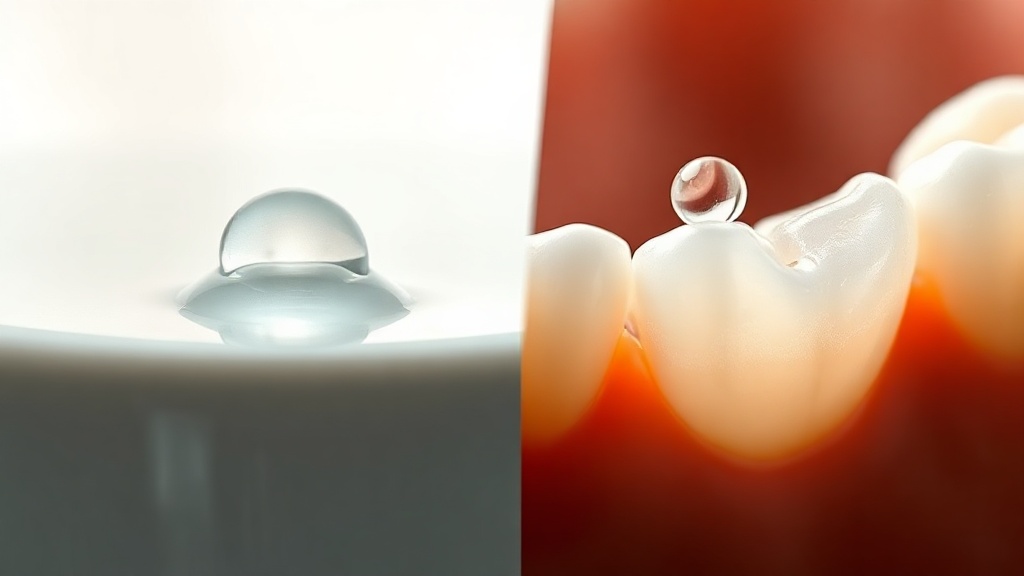
Whitening depends on porosity: gel beads and rolls off sealed porcelain, but soaks into natural enamel to reach the stain beneath.
What the research actually shows
Every claim below maps to a named, peer-reviewed source in the Sources section. According to PubMed.
| Claim | Evidence | Source |
|---|---|---|
| Peroxide whitens by diffusing through enamel and oxidising coloured molecules mainly in the dentine — a process that needs natural tooth structure a veneer does not have. | Reference review of the tooth-bleaching mechanism. | Joiner 2006 |
| Non-peroxide whitening products act only by removing surface stain, not by bleaching — the only kind of 'whitening' a veneer surface can receive. | In vitro study of whitening mouthrinses (barely perceptible colour change). | Ntovas et al. 2021 |
| Baking-soda dentifrices are low in abrasivity yet effective at lifting surface stain — a gentler way to refresh a restoration's shine. | Review of stain-removal and safety literature. | Li 2017 |
| Charcoal toothpastes whiten less than alternatives and are more abrasive, making them 'less safe' — a real risk to a polished veneer's glaze. | Systematic review of 11 in-vitro studies. | Montero Tomas et al. 2022 |
| A colour difference becomes visible at about a delta-E of 1.2 and clinically unacceptable near 2.7 — why a veneer that drifts out of match with its neighbours is so noticeable. | Multicentre colour-threshold study. | Paravina et al. 2015 |
What responds to whitening — and what does not
| Surface | Responds to whitening gel? | How to refresh its colour |
|---|---|---|
| Porcelain veneer | No — glazed and non-porous | Professional polish; whiten natural teeth before it is made |
| Composite veneer | No — and it stains and dulls faster | Re-polish or re-buff by your dentist; replace if worn |
| Natural enamel and dentine | Yes — peroxide diffuses in | At-home or in-office whitening |
| Crowns and bonding | No — same ceramic or resin limit | Polish; match to whitened teeth, or remake |
The one thing that does change a veneer's look: surface stain
Here is the nuance that makes the honest answer feel less disappointing. Although a veneer's built-in colour will not lighten, its surface can still darken over time — and that part is reversible. Within seconds of cleaning, a thin protein film called the pellicle forms on every surface in the mouth, veneers included. Chromogens from coffee, tea, red wine and tobacco bind to that film and to any micro-roughness in the glaze, and the classic mechanisms of extrinsic staining — browning reactions and pigmented deposits — do the rest. So a veneer that looks duller than it did on day one is usually not 'discoloured' in the deep sense; it is coated. A low-abrasivity toothpaste, a soft brush, and a periodic professional polish lift that film and bring back much of the original brightness. This is why baking-soda pastes, which clean stain well at low abrasivity, are a sensible choice, and why abrasive charcoal pastes are not — scrubbing a glaze with a harsh abrasive can dull it for good. It also explains the single most important piece of planning advice: because tooth colour is one of the strongest drivers of how a smile is perceived, whiten your natural teeth to the shade you want first, and only then have veneers matched to it. Do it in that order and everything stays in harmony; do it in reverse and your newly whitened natural teeth can end up brighter than the veneers beside them.
Evidence you can act on.
Occasional emails — new research, new protocols, no noise.
How to keep veneers looking bright
You cannot bleach a veneer, but you can protect its shine and keep it matched to the teeth around it. None of this is a medical treatment — it is simply good cosmetic maintenance.
- 1
Whiten your natural teeth first, then match
before veneers are madeIf you are still planning veneers, whiten your natural teeth to your target shade beforehand and have the veneers colour-matched to that result. Because the veneer shade is fixed, this is the one moment you fully control it.
- 2
Clean gently with a low-abrasivity paste
twice dailyUse a soft brush and a low-abrasivity toothpaste — a baking-soda formula is a good option — to lift surface film without wearing the glaze. Skip charcoal and 'ultra-whitening' gritty pastes, which abrade more than they brighten.
- 3
Reduce staining contact
ongoingCoffee, tea and red wine stain the film on a veneer just as they stain enamel, and the effect is cumulative with contact time. Rinsing with water afterwards and not sipping slowly for hours both help keep the surface clear.
- 4
Book a professional polish
every 6-12 monthsAn in-office polish removes stain and biofilm a home brush cannot, and safely restores lustre to both porcelain and composite. It is the closest thing to 'whitening' a veneer can actually receive.
- 5
If the colour no longer matches, ask about a remake
as neededWhen a veneer has genuinely drifted out of match — or chipped, or shows a dark margin — the answer is a professional assessment and, if needed, a new veneer. A stronger whitening gel will never fix it.
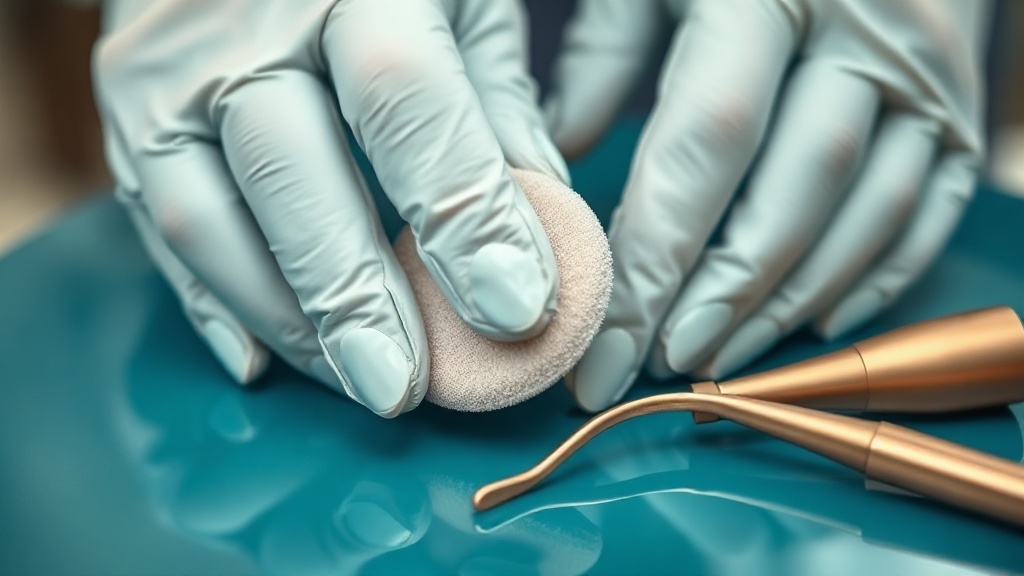
The only real way to brighten a veneer is to lift surface stain — a gentle professional polish, not a bleaching gel.
Book a dental visit if a veneer no longer matches the teeth around it, looks chipped or cracked, shows a dark line at the gum margin, feels rough, or if a tooth becomes sensitive at the edge of the veneer. These are cosmetic or fit issues a dentist should assess in person — not something to solve with a stronger whitening product at home.
Frequently asked questions
Sources
- 1.
- 2.
- 3.
- 4.
- 5.
- 6.
- 7.

Fix your breath at the source.
The complete science-backed protocol — engineered to eliminate volatile sulfur compounds at the biological source.
Start the Breath Protocol →Related reading
Educational purposes only. The content on this page is not medical advice and is not a substitute for consultation with a qualified dental or medical professional.
More from the library
 Answers8 min
Can You Whiten Crowns? What Works and What Doesn't
The honest, evidence-based answer to whether teeth whitening works on crowns, veneers and fillings — and what to do instead.
Read →→ Answers8 min
Does Teeth Whitening Damage Enamel? The Evidence-Based Answer
The honest, evidence-based answer to whether whitening harms enamel — what peroxide really does to the surface, why sensitivity is not damage, and the DIY methods that actually cause wear.
Read →→ Answers9 min
Does Teeth Whitening Hurt? Why It Happens and How to Prevent It
The sting is common but manageable — and the real levers are lower concentration and shorter wear time, not gimmicks.
Read →→ Answers9 min
How Often Can You Use Whitening Strips? Safe Frequency Explained
One course does most of the work; the smart move is occasional touch-ups, not back-to-back use.
Read →→ Answers8 min
Does Baking Soda Whiten Teeth? What the Evidence Says
An honest look at what baking soda can and cannot do for a whiter smile.
Read →→ Best Of9 min
Best Fluoride-Free Whitening Toothpaste: An Honest, Evidence-Based Guide (2026)
Which fluoride-free whitening ingredients hold up to the research — and which are marketing. An honest buyer's guide.
Read →→