Can You Reverse a Cavity?
The exact answer, by stage: why an early white-spot lesion can be reversed and a cavitated cavity cannot — and why only a dentist can tell them apart.
- The precise answer is stage-dependent: an early, non-cavitated lesion (a white spot, or ‘incipient’ decay) can be remineralized and reversed, but a cavitated cavity — a hole through the enamel surface — cannot be reversed and needs a dentist.
- ‘Reversing a cavity’ in the scientific sense means reversing the demineralization process before the surface breaks, not regrowing lost tooth structure.
- The dividing line is the surface itself: intact surface with softening underneath equals reversible; broken surface equals a restoration job.
- This distinction is genuinely hard to call by eye — most misread lesions are non-cavitated ones — which is exactly why a dentist should stage it rather than you guessing.
- Reassuringly, many lesions that look advanced on an X-ray are still non-cavitated and arrestable, so ‘watch and remineralize’ is often a legitimate plan for the earliest decay.
It depends on the stage. An early, non-cavitated cavity — a white-spot lesion — can be reversed by remineralization with fluoride or hydroxyapatite, saliva and less sugar. But once the enamel surface has broken into a true cavity, it cannot be reversed at home; a dentist must restore it. The whole answer turns on whether the surface is still intact.
The exact line: incipient vs cavitated
A cavity does not appear all at once — it develops along a continuum. It starts as subsurface demineralization: acid dissolves mineral just beneath a surface layer that is still, for now, intact. That is the white-spot or ‘incipient’ lesion, and it is the reversible stage, because calcium and phosphate from saliva — assisted by fluoride or hydroxyapatite — can diffuse back through the intact surface and re-crystallize the mineral underneath. The rebuilt mineral can even end up more acid-resistant than before. The point of no return is cavitation: the weakened surface finally collapses, leaving a physical hole. Now the picture changes completely. Mature enamel is acellular, so it cannot biologically regenerate, and a cavitated lesion is also plaque-retentive — it traps bacteria in a spot no brush can reach, which structurally prevents the plaque-free conditions remineralization needs. So the honest, precise statement is: the caries process is reversible up to the moment the surface breaks, and not after. Everything hinges on that surface.
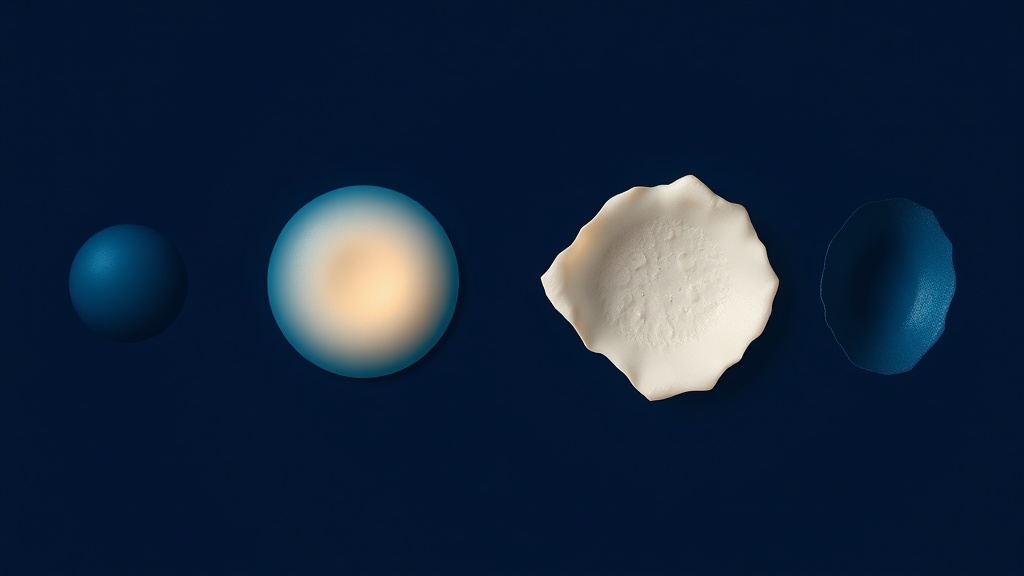
The caries process is reversible while the surface stays intact (white spot) and becomes irreversible once it cavitates into a hole.
What the research actually shows
Every claim below maps to a named, peer-reviewed source in the Sources section. According to PubMed.
| Claim | Evidence | Source |
|---|---|---|
| Early demineralization can be prevented, arrested or reversed by protective factors — the reversal is of the process/early lesion, not of a formed cavity. | Foundational review of the caries balance. | Featherstone, 1999 |
| Progression can be arrested at any stage only if clinically plaque-free conditions are obtained — which a cavitated, plaque-retentive lesion structurally prevents. | Longitudinal clinical caries study. | Nyvad & Fejerskov, 1997 |
| 79.6% of lesions that looked advanced on X-ray were still non-cavitated after tooth separation — many are arrestable rather than automatic drilling. | Tooth-separation validation study. | Nascimento et al., 2020 |
| Early lesions are the hardest to score — 81.6% of examiner misclassifications involved non-cavitated lesions, so staging by eye is unreliable. | Examiner reliability study. | Nyvad et al., 1999 |
| Once enamel cavitates it cannot repair itself — it is acellular and cannot regrow lost structure. | Enamel biomaterials review. | Liu et al., 2022 |
Reversible or not, by stage
| Stage | Surface | Reversible at home? |
|---|---|---|
| Healthy enamel | Intact and sound | N/A — keep it that way |
| White-spot / incipient lesion | Intact, softening beneath | Yes — remineralize and arrest |
| Cavitated enamel | Broken into a hole | No — dentist restores or arrests |
| Decay into dentin | Open and deeper | No — professional care needed |
Why a dentist has to make the call
Because the reversible and irreversible stages can look almost identical from the outside, this is not a judgment to make yourself. In a classic reliability study, the overwhelming majority of lesions that trained examiners misclassified were non-cavitated ones — the exact early lesions where the reversible-or-not decision matters most. Cavitation can also hide between teeth or under an intact-looking surface, and an X-ray shadow that looks alarming often turns out, on closer inspection, to be a lesion that has not broken through at all: in one validation study, nearly 80% of lesions that appeared advanced on film were still non-cavitated. That cuts both ways. It means many people are told to ‘watch’ a spot and can legitimately work to remineralize it — but it also means you cannot assume a spot is early just because it does not hurt. A dentist can stage the lesion, often decide to monitor rather than drill, and tell you whether you are in the window where reversal is realistic. That staging is the difference between a safe plan and a gamble.
Evidence you can act on.
Occasional emails — new research, new protocols, no noise.
If your dentist says a spot is still reversible
For a confirmed early, non-cavitated lesion, here is how to tilt the balance toward remineralization. This supports the reversal of early decay — it does not treat a formed cavity.
- 1
Confirm the staging first
before anything elseAsk your dentist directly whether the spot is non-cavitated and safe to monitor. That single answer decides whether the rest of this routine is remineralization or wishful thinking.
- 2
Remineralize daily with fluoride or hydroxyapatite
twice dailyBoth re-harden early lesions in human studies, and they perform similarly head-to-head. Spit without rinsing so the mineral keeps working on the spot between brushings.
- 3
Cut the frequency of acid attacks
every dayFewer sugar and refined-carb episodes keep the surface above the pH where enamel dissolves, giving the lesion long remineralizing windows. Frequency matters more than total amount.
- 4
Protect your saliva
all daySaliva delivers the calcium and phosphate that remineralization needs. Hydrate, chew xylitol gum, and address any dry mouth with your clinician.
- 5
Recheck on schedule
at follow-upsReversal is confirmed by a dentist seeing the lesion arrest or re-harden, not by how it feels. Keep the review appointments so a change of course can happen early if it is progressing.
When a dentist confirms a spot is still non-cavitated, a remineralizing routine plus scheduled rechecks is a legitimate ‘watch and reverse’ plan.
Since you cannot reliably tell a reversible lesion from a cavitated one by looking, any spot, discoloration or ‘cavity’ concern deserves a dental exam. See a dentist promptly if you can feel a rough edge or hole, if a tooth reacts to sweet, hot or cold in a way that lingers, or if there is pain or swelling. Trying to reverse a cavity that has already broken the surface can let decay reach the nerve — a real, documented harm. Get it staged in person, then let the diagnosis, not a hopeful guess, decide the plan.
Frequently asked questions
Sources
- 1.
- 2.
- 3.
- 4.
- 5.
- 6.
- 7.

Fix your breath at the source.
The complete science-backed protocol — engineered to eliminate volatile sulfur compounds at the biological source.
Start the Breath Protocol →Related reading
Educational purposes only. The content on this page is not medical advice and is not a substitute for consultation with a qualified dental or medical professional.
More from the library
 Answers8 min
How to Remineralize Teeth: An Honest, Practical Guide
The practical routine that supports enamel remineralization, and the clear line between the early lesions it can rebuild and the decay it cannot.
Read →→ Guides8 min
White Spots on Teeth: Causes and What to Do
The two common reasons enamel turns chalky white, and the honest guide to which spots you can rebuild at home and which need professional care.
Read →→ Comparisons8 min
Hydroxyapatite vs Fluoride: Which Toothpaste Is Right for You?
Two ways to strengthen enamel, one big difference in how much evidence stands behind each.
Read →→ Guides8 min
How to Reverse Tooth Decay: The Decay Continuum, Honestly
Decay is a demineralization–remineralization continuum. Learn which stages you can reverse at home, which need a dentist, and how to swing the balance back.
Read →→ Answers8 min
How to Get Rid of White Spots on Teeth: Your Options, Ranked
An honest, evidence-based ladder of options, from what you can do at home to what only a dentist can fix.
Read →→ Ingredients8 min
Hydroxyapatite Toothpaste Benefits: What the Evidence Actually Supports
A calm, science-first look at what hydroxyapatite toothpaste can genuinely do for your enamel, and where the evidence stops.
Read →→