Floss Before or After Brushing?
The sequence question, settled by the evidence: why cleaning between your teeth before brushing has the edge.
- The evidence favours flossing before brushing: clearing between the teeth first opens those spaces so fluoride toothpaste can reach them.
- A randomized crossover trial found that flossing then brushing removed significantly more interdental plaque and left more protective fluoride between the teeth than brushing first.
- For breath, the gaps between teeth are a key odour source, so cleaning them first and letting fluoride settle supports both fresher breath and healthier gums.
- The single biggest factor is that you clean between your teeth at all; the order is a useful refinement, not a make-or-break rule.
- After brushing, spit but do not rinse vigorously, so the fluoride you just worked into those cleared spaces is not immediately washed away.
Floss before brushing. In a randomized trial, flossing then brushing removed significantly more plaque between the teeth and left more protective fluoride there than brushing first. Cleaning between the teeth first opens those spaces so your fluoride toothpaste can reach them. That said, cleaning between your teeth at all matters far more than the exact order.
Why the order actually matters
Think about what each step physically does. Flossing, or using a water flosser or interdental brush, breaks up and drags out the biofilm and food packed into the contact points between teeth, the sheltered, low-oxygen spaces where odour-producing anaerobic bacteria thrive. Brushing then coats the newly opened surfaces with fluoride toothpaste. If you reverse the order and brush first, the bristles largely skim over the closed contact points without clearing them, and when you floss afterwards you can drag some of that fluoride away from between the teeth rather than settling it in. Cleaning between the teeth first is what lets the fluoride reach the exact spots most prone to decay and odour. It is a small sequencing choice, but it stacks the two steps so each one amplifies the other instead of partly undoing it.

Floss first, then brush: clearing the contact points before brushing lets fluoride reach the spaces most prone to odour and decay.
What the research actually shows
Every claim below maps to a named, peer-reviewed source in the Sources section. According to PubMed.
| Claim | Evidence | Source |
|---|---|---|
| In a randomized crossover trial, flossing then brushing reduced interdental plaque significantly more than brushing then flossing (p = 0.001). | Randomized controlled crossover trial, 25 participants. | Mazhari et al., J Periodontol 2018 |
| The floss-then-brush sequence also left significantly higher fluoride concentrations in interdental plaque than brushing first (p = 0.027). | Same crossover trial, fluoride measured by ion-specific electrode. | Mazhari et al., J Periodontol 2018 |
| Adding flossing to toothbrushing significantly improved gingival health, cutting the share of inflamed sites from 37.7% to 15.9% over a month versus brushing alone. | Randomized controlled trial summary, 75 participants. | Shamsoddin, Evid Based Dent 2022 |
| Around 80 to 90% of bad breath originates in the mouth, chiefly from bacteria between the teeth and on the tongue, so interdental cleaning targets a real source of odour. | Clinical review of halitosis. | Scully & Porter, BMJ 2008 |
Floss-then-brush vs brush-then-floss
| Approach | Interdental plaque removal | Fluoride left between teeth | Verdict |
|---|---|---|---|
| Floss then brush | Greater reduction (p = 0.001) | Higher (p = 0.027) | Preferred by the trial evidence |
| Brush then floss | Less interdental removal | Lower between the teeth | Still helpful, just less optimal |
| Brush only | Contact points largely untouched | Not delivered between teeth | Leaves the main odour niche uncleaned |
| Floss only | Debris removed, no fluoride step | No fluoride benefit | Incomplete on its own |
What matters more than the order
It is worth keeping this in proportion. The trial that favours flossing first studied a small group, and while its findings are consistent and biologically sensible, the largest determinant of fresh breath and gum health is simply whether you clean between your teeth consistently. Someone who brushes then flosses every night is far better off than someone who flosses first but only twice a week. Two habits do more for your breath than perfect sequencing: cleaning between the teeth daily, and not rinsing your mouth out vigorously straight after brushing, which washes away the fluoride you just delivered. Spit out the excess and leave the thin fluoride film in place. Add tongue cleaning, because the tongue coating is the single biggest source of volatile sulfur compounds, and you have covered the parts of the routine that move the needle most. Treat floss-before-brush as a refinement that stacks the odds slightly further in your favour, not as the thing that makes or breaks your breath.
Evidence you can act on.
Occasional emails — new research, new protocols, no noise.
The sequence, step by step
Here is the order the evidence supports, with the small details that make each step count.
- 1
Clean between your teeth first
dailyUse floss, a water flosser or interdental brushes to clear the contact points and just under the gumline. This breaks up the sheltered biofilm before the fluoride step, opening those spaces so the toothpaste can reach them.
- 2
Brush with a fluoride toothpaste for two minutes
dailyWith the gaps now open, brush all surfaces for a full two minutes. The fluoride now has a clear path to the interdental areas most prone to decay and the bacteria behind odour.
- 3
Spit, but do not rinse hard
dailySpit out the excess toothpaste and resist the urge to swill water around. Rinsing vigorously washes away the concentrated fluoride you just worked between your teeth; leaving the thin film in place is what protects those cleared spaces.
- 4
Clean your tongue
dailyGently scrape or brush the back of the tongue, where most volatile sulfur compounds are produced. This is the highest-yield single step for fresher breath and complements the interdental cleaning.
- 5
Save any rinse for a different time
optionalIf you like a cosmetic mouthwash, use it at another point in the day rather than straight after brushing, so it does not rinse the fluoride away. An alcohol-free rinse is gentler on a dry mouth.
- 6
Repeat every day
dailyConsistency beats perfect order. A daily floss-then-brush routine, done reliably, does more for your breath and gums than an occasional flawless session.
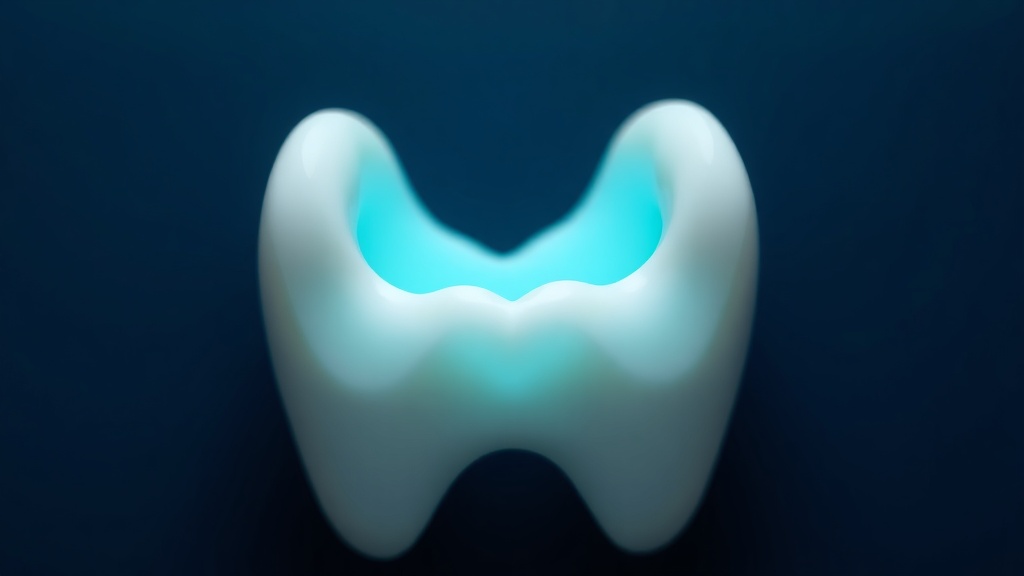
The payoff of order: cleaning between the teeth first lets fluoride settle into the spaces most prone to odour and decay.
If your gums bleed regularly when you floss, or bad breath persists despite a consistent daily routine, see a dentist. Persistent bleeding can be a sign of gum inflammation that needs professional care, and a dentist can check for gum disease, dry mouth or other sources that a home routine only partly addresses.
Frequently asked questions
Sources
- 1.
- 2.
- 3.
- 4.
- 5.

Fix your breath at the source.
The complete science-backed protocol — engineered to eliminate volatile sulfur compounds at the biological source.
Start the Breath Protocol →Related reading
Educational purposes only. The content on this page is not medical advice and is not a substitute for consultation with a qualified dental or medical professional.
More from the library
 Answers8 min
How to Use a Water Flosser: A Step-by-Step Guide for Fresh Breath
A practical, step-by-step technique guide to getting the most fresh-breath benefit from an oral irrigator.
Read →→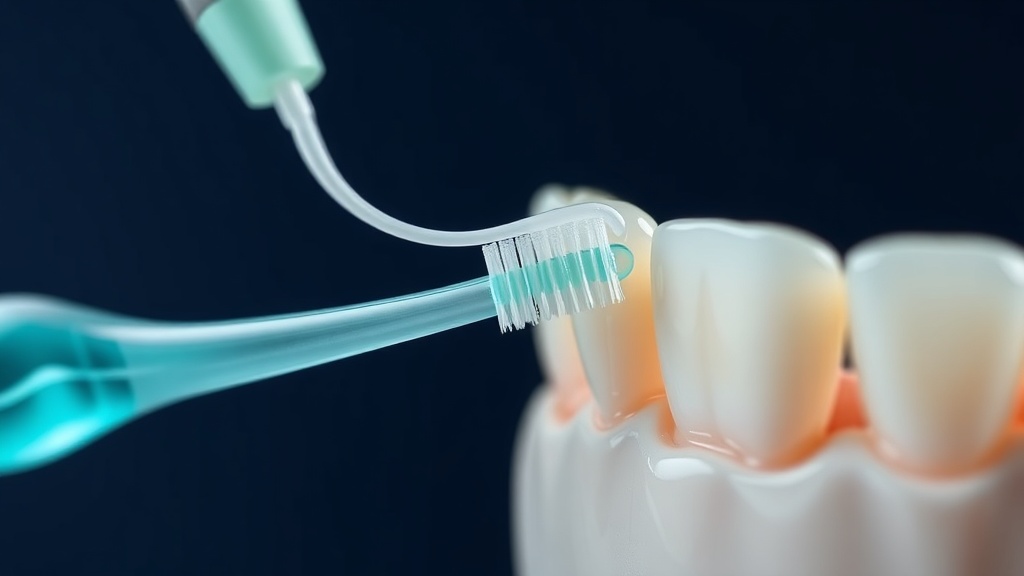 Answers9 min
How to Remove Plaque From Teeth at Home (and When You Can't)
A practical, science-based routine for controlling soft plaque yourself — and an honest line on where home care stops and the dentist begins.
Read →→ Guides9 min
How to Fix Bad Breath: A Practical, Step-by-Step Action Plan
The practical fix-it plan: four everyday moves — tongue, teeth, hydration, and microbiome — that target where bad breath actually starts.
Read →→ Guides8 min
The Best Way to Clean Your Tongue for Fresh Breath
Most bad breath starts on the back of the tongue — here is the gentle, evidence-based way to clean it for fresher breath.
Read →→ Guides8 min
How to Get Rid of Bad Breath Permanently: An Evidence-Based Plan
The honest version: "permanently" means ongoing control, not a one-time fix. Here is the daily routine the research actually supports, and when to get help.
Read →→ Guides7 min
Bad Breath Even After Brushing? The Biological Reason (and Fix)
You brushed, flossed and rinsed — and the smell is still there. The reason usually isn't hygiene; it's where the odour-causing bacteria actually live.
Read →→