XyliMelts Side Effects: What to Really Expect
An honest look at what XyliMelts adhering discs feel like overnight, what side effects people report, and where the evidence for comfort really stands.
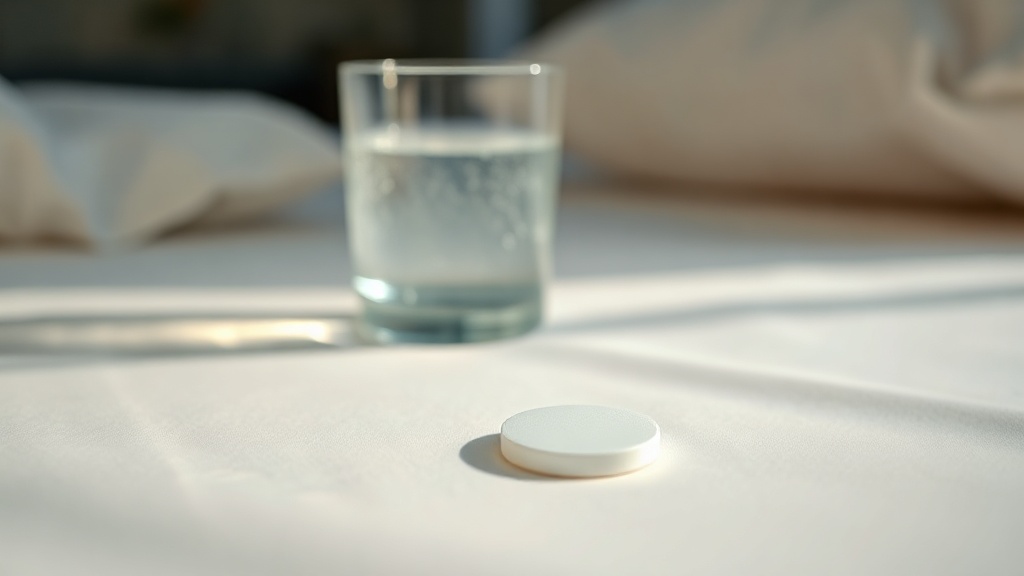
- XyliMelts are small adhering discs (about 500 mg of xylitol plus cellulose gum) that stick near a back tooth and slowly release moisture-holding sweetness over several hours, mainly to make the mouth feel more comfortable overnight.
- Reported side effects are usually mild and format-driven: a slightly odd or sweet taste, a little gum or cheek irritation where the disc sits, and occasional leftover residue in the morning.
- Digestive upset is unlikely at labeled use — one disc carries roughly 0.5 g of xylitol, about 70 to 100 times below the dose linked to stomach symptoms in adults.
- The one non-negotiable warning is not about you: xylitol is highly toxic to dogs, so the discs and pouch must be stored well out of any pet's reach.
- Honesty on results matters — the only direct study was small and uncontrolled, so XyliMelts are best seen as overnight comfort support, not a proven treatment or a cure for dry mouth.
For most people XyliMelts side effects are mild: a sweet or slightly odd taste, minor gum irritation where the disc sits, and occasional residue. Stomach upset is unlikely at the labeled dose. The serious caution is for dogs, not people — xylitol is toxic to them, so keep the discs safely out of reach.
What XyliMelts are — and why the format shapes the side effects
XyliMelts are small, disc-shaped lozenges designed to be parked against the gum, just above a back tooth, where they slowly dissolve over several hours. Each disc pairs about 500 mg of xylitol — a tooth-friendly sugar alcohol — with cellulose gum, the mild adhesive that lets the disc cling in place while you sleep. That adhering, time-release design is the entire point. Most dry-mouth products such as sprays, rinses and ordinary lozenges fade within an hour, which is little help at three in the morning when saliva flow naturally bottoms out and the mouth feels driest. A disc that stays put and keeps releasing a slow trickle of moisture-holding xylitol is built for exactly that overnight window. It helps to be clear about what the format does and does not do: it coats, humidifies and adds a cushion of comfort. It is not a drug, it does not switch your salivary glands back on, and it does not treat any disease. That framing is also the key to understanding the side effects, because almost all of them flow directly from a slightly sweet, slightly sticky object resting in your mouth for hours — not from anything the ingredient does to the rest of your body.
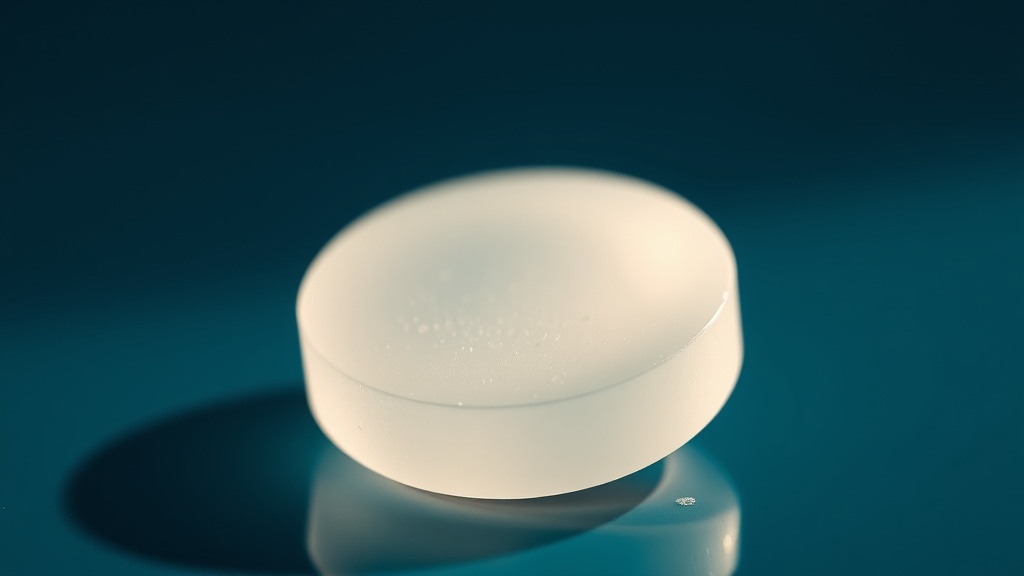
The adhering, slow-dissolving design is what makes XyliMelts an overnight product — and it is also where nearly all of the mild side effects come from.
What the research actually shows
Every claim below maps to a named, peer-reviewed source in the Sources section. According to PubMed.
| Claim | Evidence | Source |
|---|---|---|
| In the only direct study of the adhering discs, overnight perceived mouth wetness rose more than threefold and morning discomfort improved — but the trial was small (15 people) and uncontrolled. | Within-subject pilot, no placebo disc or blinding. | Burgess & Lee, 2011 |
| One disc delivers roughly 0.5 g of xylitol — about 70 to 100 times below the single dose (around 35 to 50 g) linked to stomach symptoms in adults, so digestive upset at labeled use is physiologically unlikely. | Human tolerance data for xylitol. | Storey et al., 2006 |
| No independent, blinded, placebo-controlled trial of the discs exists; the broader class of oral moisture-reservoir devices is rated promising but of insufficient evidence. | Cochrane review of 36 topical dry-mouth trials. | Furness et al., 2011 |
| Where salivary flow is severely low, xylitol lozenges and sprays produced no measurable flow benefit — the discs offer coating and comfort, not a salivary rescue. | Study in severe hyposalivation (flow under 0.1 mL/min). | Stewart et al., 1998 |
| Xylitol is highly toxic to dogs, causing dangerous low blood sugar that can progress to acute liver failure — a mandatory household caution wherever the discs are stored. | Veterinary review of xylitol toxicosis in dogs. | Murphy & Dunayer, 2018 |
The side effects people actually report
| Reported effect | How common and how it feels | What tends to help |
|---|---|---|
| Sweet or slightly odd taste | Common at first; the xylitol reads as sweet and can feel unusual overnight | Give it a few nights to adjust, or try half a disc |
| Mild gum or cheek irritation | Uncommon; a little rawness where the disc adheres | Rotate the placement spot; use fewer per night |
| Leftover residue in the morning | Occasional; a bit of the cellulose gum can remain | Rinse and brush as normal — it clears easily |
| Digestive upset (gas, loose stool) | Rare at labeled use; the xylitol dose is very small | Stay within the labeled number of discs |
| Worry about swallowing it in sleep | Uncommon; discs are small, adhere in place and dissolve | Park it above a back tooth rather than loose on the tongue |
How serious are they, really — and the one warning that is not about you
Put in perspective, the human side effects of XyliMelts are minor and self-limiting. The sweetness and the adhesive feel are cosmetic quirks of parking a lozenge in your mouth overnight, and they usually fade within a few nights as you get used to them. The theoretical worry people raise most — a xylitol stomach upset — barely applies here: because each disc holds only about half a gram, you would have to use many times the labeled amount to approach the dose that causes gas or loose stool in studies of adults. Used as directed, the discs sit far below that threshold. There is, however, one genuinely serious caution, and it has nothing to do with the person using the product. Xylitol is highly toxic to dogs, in whom even modest amounts can trigger a sharp drop in blood sugar and, in worse cases, acute liver failure. A pouch of sweet discs on a nightstand is exactly the kind of thing a curious dog will find, so storing them well out of reach is not optional. The honest bottom line on benefit is just as important as the safety picture: the only direct study of these discs was small and had no placebo group, so we cannot cleanly separate real effect from expectation, and where saliva flow is severely reduced the discs add comfort and coating rather than restoring saliva. They are a reasonable overnight comfort aid — not a treatment, and not a cure.
Evidence you can act on.
Occasional emails — new research, new protocols, no noise.
How to use XyliMelts with the fewest side effects
None of this treats a disease — it simply helps a comfort product feel better and stay safe in your home. If dry mouth is persistent or new, pair these habits with a professional visit to find the cause.
- 1
Start with one disc, not a handful
first nightsBegin with a single disc so you can judge the taste and feel before adding more. Most of the mild complaints — sweetness, an odd sensation — settle within a few nights, and starting low keeps the xylitol dose comfortably small.
- 2
Park it above a back tooth, between gum and cheek
at bedtimePlaced high against the gum near a molar, the disc adheres, dissolves slowly and stays out of the way — which lowers the chance of irritation on the tongue and eases the worry of it moving around while you sleep.
- 3
Rotate where you place it
nightlyIf you use one most nights, alternate sides and spots. Giving the same patch of gum a rest is the simplest way to avoid the mild local rawness some people notice from the adhesive.
- 4
Keep the count within the label
ongoingThere is rarely a reason to exceed the labeled number. Staying within it keeps the total xylitol trivial for your digestion and matches how the product was meant to be used — comfort through the night, not a dose you keep increasing.
- 5
Store them well out of any pet's reach
alwaysTreat the pouch like any sweet that is dangerous to dogs: keep it in a closed drawer or cabinet, never loose on a nightstand or bag a pet can nose into. If a dog does get into them, contact a vet promptly.

The single serious caution is not about you: xylitol is toxic to dogs, so the discs belong somewhere a curious pet can never reach.
Comfort products can make dry mouth easier to live with, but they do not tell you why it is happening. See a dentist or doctor if your dry mouth is persistent or getting worse, if it started after a new medication, if you also have dry eyes, or if you notice sores, cracks or a burning tongue that do not settle. Dry mouth raises the risk of tooth decay, so regular dental check-ups matter more than usual. Never stop or change a prescribed medicine on your own to chase relief — ask the prescriber whether an adjustment is possible.
Frequently asked questions
Sources
- 1.
- 2.
- 3.
- 4.
- 5.
- 6.
- 7.

Fix your breath at the source.
The complete science-backed protocol — engineered to eliminate volatile sulfur compounds at the biological source.
Start the Breath Protocol →Related reading
Educational purposes only. The content on this page is not medical advice and is not a substitute for consultation with a qualified dental or medical professional.
More from the library
 Reviews8 min
Does Biotene Work? An Honest Review
What Biotene is, what the evidence really shows, and who it helps — an honest, balanced review.
Read →→ Best Of8 min
Dry Mouth Lozenges: What Actually Works, and What to Look For
How dry-mouth lozenges really work, which type fits which situation, and the honest limits of what a lozenge can do.
Read →→ Guides8 min
Dry Mouth at Night: Why It Happens and How to Sleep Easier
Nighttime dryness is common because your saliva naturally slows while you sleep, and a few targeted habits can make a real difference.
Read →→ Ingredients8 min
Sugar-Free Gum for Dry Mouth: What the Evidence Says
It is not the flavour and it is not magic, it is the chewing. Here is why sugar-free gum is one of the few dry-mouth self-care steps with real evidence behind it, and where it stops helping.
Read →→ Guides8 min
How to Fix Dry Mouth: An Evidence-Based Guide
Dry mouth is usually manageable once you know what is driving it and which supportive habits actually move the needle.
Read →→ Guides8 min
What Causes Dry Mouth? The Common Triggers, Explained
Dry mouth almost always has an identifiable trigger, and knowing yours is the first step toward relief.
Read →→