Xylitol vs. Streptococcus Mutans: The Sweetness That Starves the Acid-Makers
The bacterium most linked to enamel wear takes xylitol in, cannot turn it into acid, and slowly wears itself down trying.

- Streptococcus mutans is the acid-producing bacterium most associated with enamel demineralisation - it converts dietary sugar into the acid that softens the enamel surface.
- Xylitol is a five-carbon sugar alcohol that S. mutans takes in but cannot ferment into acid; it gets trapped, phosphorylated and pumped back out in an energy-draining loop researchers call a futile cycle.
- Starved of usable fuel, the bacteria make less acid, cling more loosely, and - with regular use - show up in lower numbers in plaque and saliva.
- The effect depends on dose and frequency: the studies point to roughly 5 to 10 grams a day, spread across several exposures. Once a day is not enough.
- Xylitol is a supporting habit, not a magic bullet. Reviews are candid that the hard clinical evidence is mixed, and it never replaces brushing, cleaning between teeth, fluoride, or your dentist.
Streptococcus mutans is the mouth's main acid-maker. Xylitol fools it: the bacterium takes this sugar alcohol in but cannot ferment it into acid, wasting energy in a futile cycle. The payoff is less acid, weaker sticking power and fewer S. mutans over time - support for the enamel surface, and no substitute for good daily care.
A sugar the acid-makers cannot eat
Every mouth carries Streptococcus mutans. It is not a villain so much as an opportunist: give it fermentable sugar - the sucrose in a biscuit, the glucose in a soft drink - and it does what it evolved to do, turning that sugar into acid within minutes. That acid is the problem. It drops the pH right at the tooth surface and pulls mineral out of the enamel, the process dentists call demineralisation. S. mutans is the single species most consistently linked to that acid attack, which is why so much of enamel science keeps circling back to it. Xylitol changes the encounter. Chemically it is a sugar alcohol - a five-carbon polyol that tastes almost exactly like sugar but is built differently. To S. mutans it looks close enough to a real sugar that the bacterium pulls it inside through the same transport system it uses for fructose. And that is where the trap springs. Once inside, xylitol gets a phosphate group bolted onto it, becoming xylitol-5-phosphate. A normal sugar would now march down the glycolysis assembly line and be broken down into energy and acid. Xylitol-5-phosphate cannot. It sits there and jams the machinery - researchers pinned the block to an enzyme called phosphofructokinase, a key step in the bacterium's sugar metabolism. Worse for the microbe, it does not simply ignore the useless molecule: it spends energy stripping the phosphate back off and pumping the xylitol out again, only for another molecule to be taken up and the wasteful loop to repeat. Microbiologists call it a futile cycle, and the name is exact. The consequence is quietly elegant. A bacterium busy importing, phosphorylating and expelling a sugar it can never eat is a bacterium spending energy it cannot get back. It grows more slowly, makes less acid, and - as we will see - sticks less well and turns up in smaller numbers. Xylitol does not poison S. mutans. It simply offers it a meal that costs more than it delivers.

The futile cycle: S. mutans imports xylitol and locks a phosphate onto it - then has to spend energy pumping the useless molecule back out.
What the research shows
Every claim below maps to a named, peer-reviewed study. According to PubMed.
| Claim | Evidence | Source |
|---|---|---|
| S. mutans takes xylitol in but cannot ferment it, and burns energy pumping it back out - a futile cycle. | Lab work traced how S. mutans imports xylitol and locks a phosphate onto it, forming xylitol-5-phosphate that jams glycolysis at phosphofructokinase; the cell then dephosphorylates and expels it, running a wasteful futile cycle. | Assev and Rolla, Acta Pathol Microbiol Immunol Scand B, 1986 |
| Most plaque bacteria cannot turn xylitol into acid; regular use is linked to less plaque and fewer S. mutans. | A review of the field concluded that the vast majority of plaque bacteria cannot ferment xylitol into acid, that it builds up inside mutans streptococci as a dead-end metabolite that inhibits their growth, and that consumers show less plaque and lower S. mutans counts in plaque and saliva. | Trahan, Int Dent J, 1995 |
| Long-term xylitol users carried about a tenth as many S. mutans in their plaque, and the bacteria clung more loosely. | In a Finnish cross-sectional study, habitual xylitol-gum users had roughly 10 percent of the plaque mutans streptococci seen in non-users and less plaque overall, with the bacteria more loosely attached to the teeth. | Soderling et al., Caries Res, 1991 |
| The effect is dose-dependent: higher daily doses cut S. mutans in plaque about tenfold. | In a randomized controlled trial, xylitol gum at the higher daily doses (roughly 7 to 10 grams a day) lowered plaque mutans streptococci about tenfold at five weeks and six months, with signs of a plateau at the top of the range. | Milgrom et al., J Dent Res, 2006 |
| Frequency matters as much as amount - more exposures across the day meant fewer bacteria. | Holding the daily dose fixed at about 10 grams, plaque and saliva mutans streptococci fell in a straight line as chewing frequency rose; using it only twice a day produced a small, non-significant change. | Ly et al., BMC Oral Health, 2006 |
Sucrose vs. xylitol, through the eyes of a bacterium
| Sucrose (table sugar) | Xylitol (sugar alcohol) | |
|---|---|---|
| What S. mutans does with it | Ferments it fast into acid | Takes it in but cannot ferment it |
| Effect on plaque acid | Drives the acid that softens enamel | Little to none - no acid end-product |
| The bacteria over time | Feeds and selects for S. mutans | Numbers fall in plaque with regular use |
| Stickiness of the biofilm | Fuels sticky glucan that grips teeth | Bacteria adhere more loosely |
| Honest bottom line | A staple fuel for the acid-makers | A helper - dose-dependent, not a shield on its own |
What the evidence does - and does not - say
So the laboratory story is elegant and well-established: xylitol is a molecule the acid-makers cannot use, and in the test tube it slows their growth and quiets their acid. The human story is more interesting - and more honest - than the marketing suggests. On the microbiology, the real-world data broadly line up with the biology. Long-term users in Finland carried a fraction of the plaque S. mutans that non-users did; a randomized trial found the drop in plaque bacteria was dose-dependent, roughly tenfold at the higher intakes; and a second trial showed the reduction grew in a straight line the more often people used it through the day. Fewer acid-producing bacteria, clinging more loosely - that much the evidence supports. The harder question is what that means for your enamel over years. Here honesty has to lead. When large evidence reviews pooled the trials that actually measured tooth decay, the picture turned murky. The 2015 Cochrane review judged most of the clinical evidence low-quality and found only limited, uncertain benefit, mostly from a fluoride toothpaste that also contained xylitol; a 2017 meta-analysis reached a similar verdict - a small effect at best, on very low-quality evidence. Some studies even found other sugar alcohols, such as sorbitol and erythritol, doing as well or better. None of that erases the mechanism. It means xylitol is a supporting habit with a genuine, well-understood effect on the acid-producing bacteria - not a stand-alone shield for your teeth. The most defensible way to read the science: xylitol can help tilt the ecosystem in your enamel's favour, especially at the right dose and frequency, while the heavy lifting still belongs to brushing, cleaning between the teeth, fluoride, and regular professional care.
Evidence you can act on.
Occasional emails — new research, new protocols, no noise.
How to use xylitol well, if you choose to
Xylitol only earns its keep at the right dose and frequency. If you want to give the biology its best shot, this is how the studies suggest doing it - as an add-on to good daily care, never a replacement for it.
- 1
Hit the studied dose
~5-10 g/dayThe reductions in S. mutans showed up at roughly 5 to 10 grams of xylitol a day. Check the label: xylitol should be at or near the top of the ingredient list, not a trace amount added for taste.
- 2
Spread it across the day
3-5 timesFrequency drove the linear drop in the bacteria. Several small exposures - after meals and snacks - beat one big hit, because the effect works while the xylitol is actually in your mouth.
- 3
Use the after-meal window
Right after eatingChewing xylitol gum after a meal does double duty: it gives the acid-makers a sugar they cannot use, and the chewing itself stimulates saliva, which helps buffer acid and supports the enamel surface.
- 4
Keep it an add-on
OngoingXylitol complements brushing, cleaning between the teeth, and fluoride - all of which work by different mechanisms. It is a helper in the routine, not a swap for any part of it.
- 5
Mind the caveats
As neededLarge amounts can cause bloating or a laxative effect in some people, so build up gradually. And keep xylitol away from dogs - it is highly toxic to them even in small amounts.
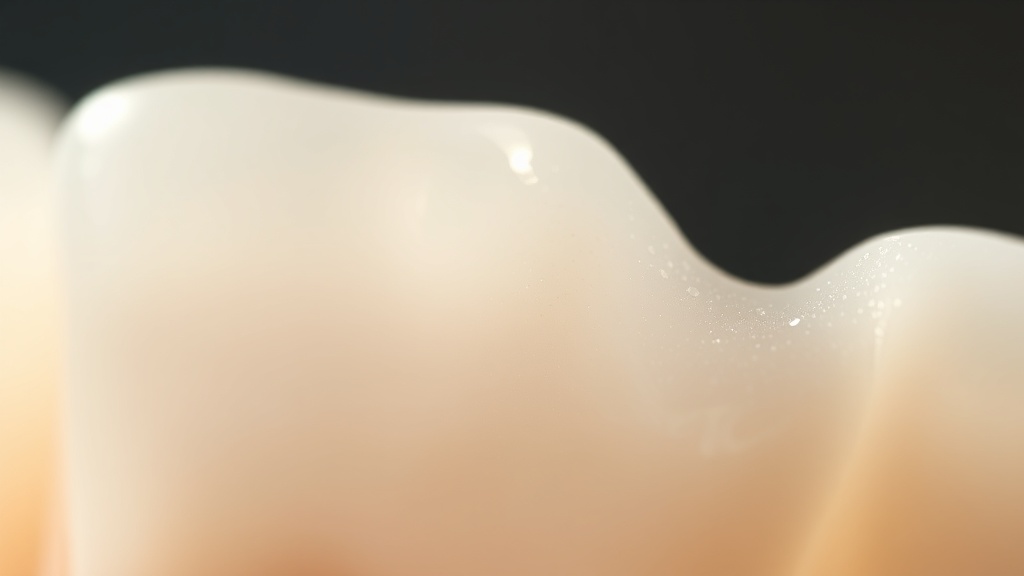
The payoff is not a sterile mouth - it is a calmer one: less acid, a looser biofilm, and a cleaner enamel surface.
White spots, rough or thinning edges, new sensitivity to hot or cold, or ongoing tooth pain deserve a professional look - they can signal enamel loss or decay that an article cannot assess for you. Xylitol supports your daily care; it does not replace your dentist, your toothbrush, or fluoride. And if you are caring for a young child, check with your dentist before starting any xylitol routine.
Frequently asked questions
Sources
- 1.
- 2.
- 3.
- 4.
- 5.
- 6.
- 7.
- 8.
- 9.
- 10.
- 11.
- 12.
Fix your breath at the source.
The complete science-backed protocol — engineered to eliminate volatile sulfur compounds at the biological source.
Start the Breath Protocol →Related reading
Educational purposes only. The content on this page is not medical advice and is not a substitute for consultation with a qualified dental or medical professional.
More from the library
 Guides8 min
How to Restore Tooth Enamel: A Practical, Honest Guide
A realistic daily routine to re-harden early enamel and stop the slide — plus the point where a dentist takes over.
Read →→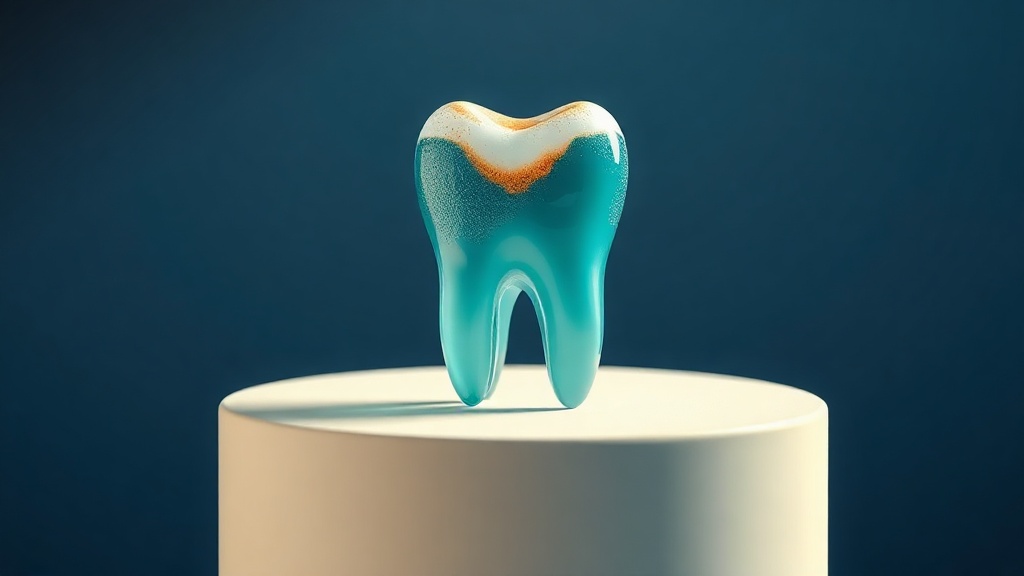 Answers8 min
Can You Rebuild Tooth Enamel? What Is Actually Possible
The honest split: what you can genuinely strengthen at home, and what only a dentist can restore.
Read →→ Comparisons8 min
Hydroxyapatite vs Fluoride: Which Toothpaste Is Right for You?
Two ways to strengthen enamel, one big difference in how much evidence stands behind each.
Read →→ The Journal9 min
The Oral Microbiome: Your Body's Command Center
Most of the bacteria in your mouth are allies — and keeping them in balance may matter far beyond your breath.
Read →→ Answers8 min
How to Get Rid of White Spots on Teeth: Your Options, Ranked
An honest, evidence-based ladder of options, from what you can do at home to what only a dentist can fix.
Read →→ Ingredients8 min
Hydroxyapatite Toothpaste Benefits: What the Evidence Actually Supports
A calm, science-first look at what hydroxyapatite toothpaste can genuinely do for your enamel, and where the evidence stops.
Read →→