Oil Pulling Benefits: What the Evidence Actually Supports
A traditional practice with a small but real evidence base — and a lot of overclaiming to separate out.

- Oil pulling means swishing a spoonful of edible oil (usually coconut or sesame) around the mouth for several minutes, then spitting it out; it is an ancient Ayurvedic practice, not a modern invention.
- The single best-supported benefit is a modest reduction in the bacterial load in saliva. A meta-analysis of nine trials found salivary bacterial counts fell significantly with oil pulling.
- The benefits for plaque and gum health are much weaker and inconsistent, and where trials compared it head-to-head, chlorhexidine mouthwash still controlled plaque better.
- Overall the certainty of the evidence is rated very low, and popular claims that oil pulling detoxifies the body or cures dozens of diseases are folklore, not findings.
- Treat it as a pleasant adjunct to brushing, flossing and regular dental care, never a replacement for them or for seeing a dentist.
Oil pulling has one reasonably supported benefit: it can modestly lower the number of bacteria in your saliva. Effects on plaque and gum inflammation are inconsistent and, where tested, chlorhexidine still works better. The evidence is very low certainty, so it is best used as an adjunct to normal oral care, not a substitute.
What oil pulling actually does
Oil pulling is simple: you take about a tablespoon of an edible oil, swish it slowly around your mouth and pull it between your teeth for several minutes, then spit it into the bin. The traditional Ayurvedic texts credit it with strengthening teeth and gums and freshening the mouth. The mechanism most reviewers propose is physical, not magical. As you swish, the oil emulsifies — it breaks into finer and finer droplets, and its surface area grows enormously. Fat-loving bacterial cell membranes, food debris and the sticky components of early plaque are thought to be trapped in those droplets and then carried out of the mouth when you spit. Sesame and coconut oils also carry their own mildly antibacterial compounds; coconut oil in particular is rich in lauric acid. What oil pulling does not do is chemically wipe out bacteria the way a prescription antiseptic such as chlorhexidine does. It is closer to a gentle mechanical rinse. That is why the most consistent measurable result across studies is a drop in the amount of bacteria floating in the saliva, rather than a dramatic change in the plaque stuck firmly to your teeth.
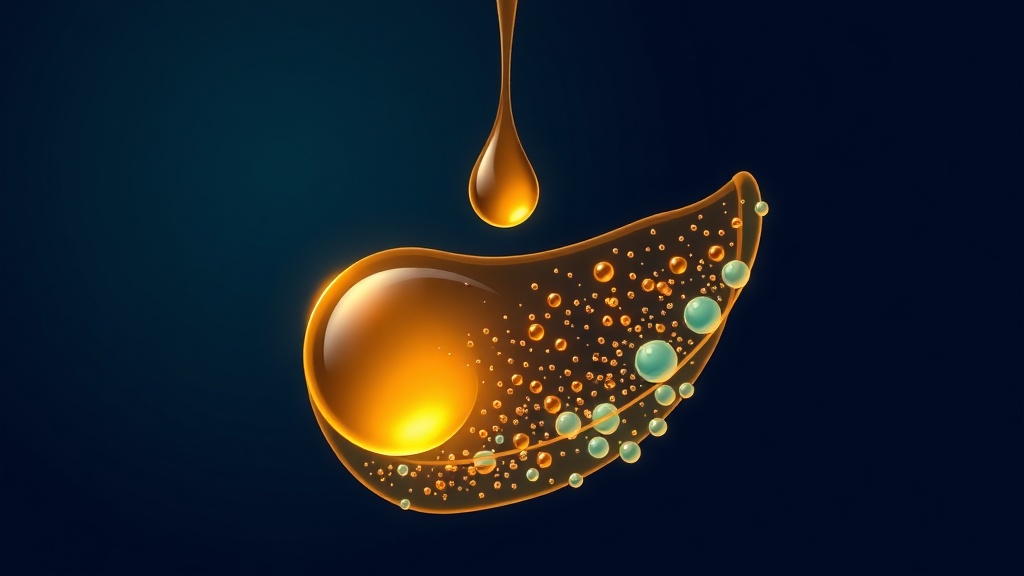
As the oil emulsifies into fine droplets, loose bacteria and debris are trapped and spat out — a mechanical effect, not a chemical kill.
What the research actually shows
Every claim below maps to a named, peer-reviewed source in the Sources section. According to PubMed.
| Claim | Evidence | Source |
|---|---|---|
| Across nine randomized trials, oil pulling significantly reduced salivary bacterial colony counts, but showed no significant advantage over controls for plaque index or gingival index. | Meta-analysis of 9 RCTs. | Peng et al., 2022 |
| Oil pulling improved gingival scores compared with non-chlorhexidine routines, but chlorhexidine remained better at reducing plaque; the overall body of evidence was graded very low certainty. | Systematic review and meta-analysis, 25 trials, 1,184 participants. | Jong et al., 2023 |
| Sesame-oil pulling reduced plaque, gingival index and aerobic colony counts over 10 days, comparably to a chlorhexidine mouthwash, in adolescents with plaque-induced gingivitis. | Randomized, triple-blind controlled trial (n=20). | Asokan et al., 2009 |
| Five randomized trials of oil pulling showed no significant differences versus chlorhexidine or placebo on plaque and gingival scores; the evidence was limited but suggested possible benefit. | Systematic review of 5 RCTs (n=160). | Gbinigie et al., 2016 |
| Coconut-oil pulling significantly reduced salivary bacterial colony count and plaque score across four small trials, but the studies were mixed in quality with a high risk of bias. | Systematic review of 4 RCTs (n=182). | Woolley et al., 2020 |
What oil pulling can and cannot do
| Popular claim | What the evidence shows | Honest verdict |
|---|---|---|
| Lowers the bacteria in your mouth | Salivary bacterial counts fall in several trials | Supported, but modestly |
| Controls plaque better than usual care | Chlorhexidine still outperforms it for plaque | Not supported as a replacement |
| Whitens teeth and detoxifies the body | No credible evidence for whitening or systemic detox | Not supported |
| Freshens breath | Plausible via a lower bacterial load; little direct data | Possible, as an adjunct |
| Replaces brushing, flossing or the dentist | Nothing in the evidence supports this | Not supported |
Why the benefits are real but easy to overstate
It is worth being clear-eyed about what a very low certainty rating means. It does not mean oil pulling does nothing; it means the trials are small, short, varied in method and often at high risk of bias, so we cannot be confident about the size of the effect. The most repeatable finding — fewer bacteria in the saliva — is genuinely plausible and shows up across independent reviews. The weaker, noisier findings are the ones people most want to be true: that it strips plaque, reverses gum disease, or works better than a rinse from the pharmacy. Head-to-head, it does not beat chlorhexidine for plaque. And the older folk claim that oil pulling cures more than thirty systemic diseases is exactly that — folklore repeated in traditional sources, with no clinical trials behind it. The honest framing is dual: a long tradition and a handful of modern trials both point to a mild, adjunctive oral-hygiene benefit, and neither supports the sweeping health claims that have grown up around the practice. Used sensibly, it is low-risk and may leave the mouth feeling fresher; used instead of proven care, it can let a real problem quietly progress.
Evidence you can act on.
Occasional emails — new research, new protocols, no noise.
How to get the benefit safely
If you want to try oil pulling, treat it as an add-on to your normal routine. None of this treats a disease — it simply supports a cleaner-feeling mouth.
- 1
Use a small amount of edible oil
—About one tablespoon of coconut or sesame oil is plenty. Coconut oil is popular for its taste and its lauric-acid content; sesame oil is the traditional choice. Warm coconut oil melts in the mouth within a few seconds.
- 2
Swish gently, do not gargle
5 to 20 minutesMove the oil slowly around your mouth and pull it between your teeth. Keep it relaxed; vigorous gargling is unnecessary and tiring. Never swallow the oil, as it now holds the debris and bacteria you are trying to remove.
- 3
Spit into the bin, not the sink
a few secondsOil can congeal and block drains over time. Spit the used oil into a tissue or the rubbish, then rinse your mouth with water.
- 4
Brush and floss as usual afterwards
twice dailyOil pulling does not remove firmly attached plaque, so follow it with your normal fluoride or hydroxyapatite brushing and flossing. Think of it as a warm-up, not the main event.
- 5
Keep your dental check-ups
as advisedIf you have bleeding gums, sensitivity, pain or a spot your dentist is watching, oil pulling is not a substitute for professional care. See a dentist for anything that persists.
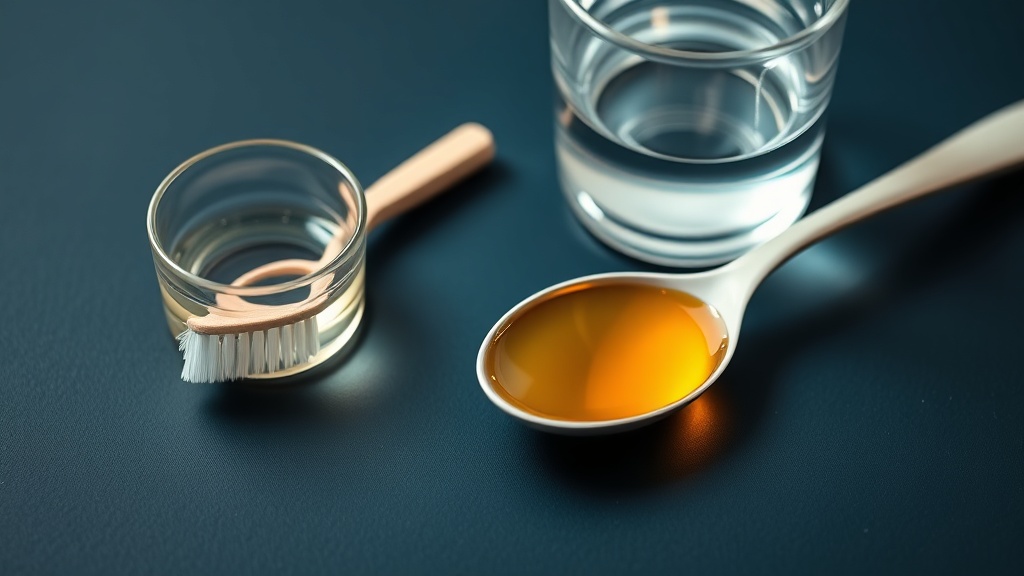
Oil pulling belongs alongside brushing and flossing — a low-risk adjunct, not a replacement for proven care.
Oil pulling is generally low-risk, but it can mask problems that need real attention. See a dentist if you have gums that bleed regularly, loose teeth, ongoing bad breath, tooth pain, or a white or dark spot someone has told you to keep an eye on. Do not rely on oil pulling to reverse gum disease or a cavity; those need professional assessment. Anyone with a history of aspiration problems should be especially careful never to swallow or inhale the oil.
Frequently asked questions
Sources
- 1.
- 2.
- 3.
- 4.
- 5.
- 6.
- 7.

Fix your breath at the source.
The complete science-backed protocol — engineered to eliminate volatile sulfur compounds at the biological source.
Start the Breath Protocol →Related reading
Educational purposes only. The content on this page is not medical advice and is not a substitute for consultation with a qualified dental or medical professional.
More from the library
 Ingredients8 min
How to Oil Pull: The Complete Step-by-Step Method
The full technique — which oil, how much, how to swish and spit safely, and where oil pulling honestly fits alongside a proven remineralizing routine.
Read →→ Ingredients8 min
How Long Should You Oil Pull? Duration and Frequency Explained
How many minutes, how often, and how long before you notice anything — the timing of oil pulling, grounded in what the trials actually did.
Read →→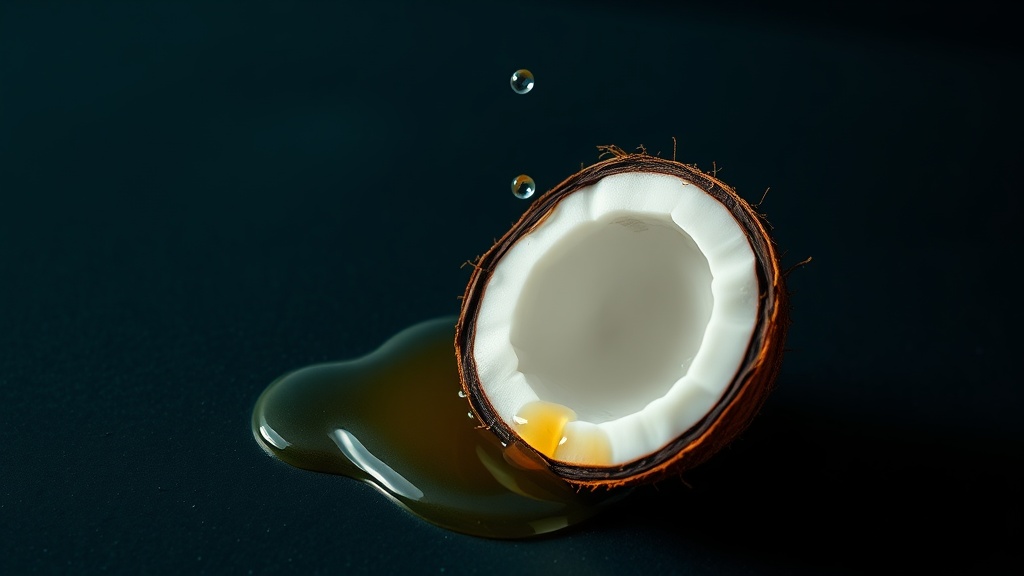 Ingredients8 min
Coconut Oil for Teeth: What It Actually Does
The most popular oil for pulling, weighed honestly against the traditional choice and the trial data.
Read →→ Best Of8 min
Best Oil for Oil Pulling: Coconut vs Sesame vs Sunflower
Which oil to swish, honestly ranked by evidence and by feel.
Read →→ Answers8 min
How to Get Rid of White Spots on Teeth: Your Options, Ranked
An honest, evidence-based ladder of options, from what you can do at home to what only a dentist can fix.
Read →→ Ingredients8 min
Hydroxyapatite Toothpaste Benefits: What the Evidence Actually Supports
A calm, science-first look at what hydroxyapatite toothpaste can genuinely do for your enamel, and where the evidence stops.
Read →→