Coconut Oil Toothpaste and Oil Pulling: What the Evidence Shows
Where a centuries-old oil-pulling tradition and a handful of modern randomized trials actually meet - an honest, cosmetic look at coconut oil for plaque and fresher breath.
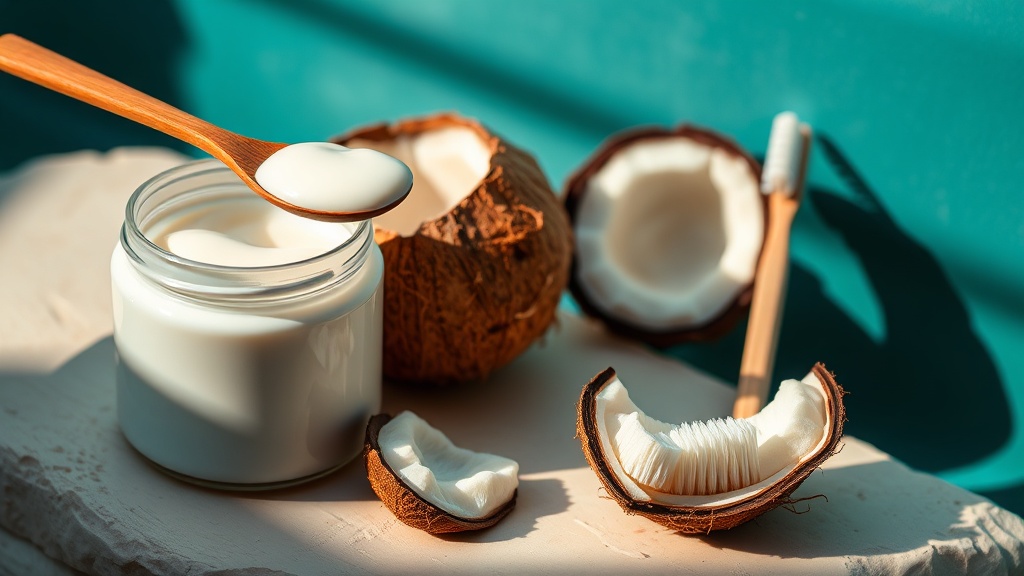
- Coconut oil is a traditional oral-care ingredient - the basis of oil pulling, a swishing habit rooted in Ayurvedic practice - now sold in natural toothpastes for its mild cleansing feel and lauric-acid content.
- Unusually for a folk remedy, coconut-oil pulling has been tested in small randomized trials, and several found it reduced dental plaque about as much as chlorhexidine mouthwash over a few days, with less tooth staining.
- Those studies are short, small, and measured plaque and gingival scores rather than bad breath directly, so the honest read is promising-but-limited, not proven.
- Fresh breath still depends on lowering the sulfur-producing bacteria on the tongue and teeth; coconut oil may help by trimming plaque, but it is a supporting player, not a cure.
- As a gentle, low-staining, cosmetic option, coconut oil toothpaste or a short daily swish is reasonable - just keep fluoride in your routine and never swallow the oil.
Coconut oil toothpaste and oil pulling combine an old tradition with a small but real evidence base: several randomized trials show coconut-oil swishing cuts plaque about as well as chlorhexidine over a few days, with less staining. The data is thin and short-term, and it targets plaque more than breath - so treat it as a helpful cosmetic habit, not a fix.
How coconut oil works in the mouth
Coconut oil is roughly half lauric acid, a fatty acid that in laboratory studies shows mild antibacterial activity against some mouth microbes, including Streptococcus mutans. That lab finding is the seed of coconut oil s oral reputation, but the more believable everyday mechanism is simpler and physical. Swishing oil around the mouth - the practice called oil pulling - emulsifies with saliva into a thin, milky liquid, and as it moves it traps and lifts loose bacteria, food particles and the sticky film they form, which you then spit out. Think of it less as a medicine and more as a fatty solvent giving the teeth and gumline a gentle rinse. In a toothpaste, coconut oil mainly adds slip and a soft, non-gritty feel and carries other ingredients. None of this changes the basic biology of bad breath: odour comes from bacteria on the tongue and between the teeth turning proteins into volatile sulfur gases. If coconut oil helps, it helps by trimming the overall bacterial load and plaque - an indirect, supporting effect rather than a targeted breath treatment.

Swished oil emulsifies with saliva and lifts loose bacteria and film off the teeth - a physical rinse you spit out, not a targeted breath cure.
What the research actually shows
Every claim below maps to a named, peer-reviewed source in the Sources section. According to PubMed.
| Claim | Evidence | Source |
|---|---|---|
| In a randomized crossover trial, coconut-oil pulling inhibited 4-day plaque regrowth about as well as a 0.2% chlorhexidine rinse, and caused noticeably less tooth staining. | Observer-masked randomized crossover trial (n=29). | Sezgin et al., 2019 |
| Coconut oil and sesame oil produced similar plaque, gingival and staining results, suggesting oil pulling works as a general technique rather than a coconut-specific effect. | Randomized crossover trial (n=24). | Sezgin et al., 2021 |
| In a randomized pilot, an enriched coconut oil performed comparably to chlorhexidine on antiplaque and anticaries measures, though the differences were not statistically significant. | Double-blinded randomized pilot trial (n=60). | Sai et al., 2023 |
| Bad breath itself is generated by oral bacteria producing volatile sulfur compounds, so any benefit of oil pulling comes indirectly, by lowering that bacterial load. | BMJ Clinical Evidence review of halitosis. | Scully & Porter, 2008 |
| Across halitosis interventions the overall evidence remains limited and short-term, which is exactly the caveat that applies to oil pulling for breath. | Cochrane review of halitosis interventions. | Kumbargere Nagraj et al., 2019 |
Oil pulling: claim vs. evidence
| What people say | What the trials actually found | Honest verdict |
|---|---|---|
| Works as well as chlorhexidine | Small short trials found similar 4-day plaque reduction, with less staining | Supported, but short-term and small |
| Whitens teeth | Less staining than chlorhexidine, but no proof it lightens natural tooth colour | Anti-stain, not whitening |
| Cures bad breath | Trials measured plaque, not breath; any effect on odour is indirect | Unproven for breath itself |
| Pulls toxins from the body | No evidence for systemic detox; the real action is trapping surface debris | Myth |
| Replaces brushing and fluoride | It is an add-on; it carries no fluoride and does not replace mechanical cleaning | Add-on only |
Why the tradition and the data do not fully line up
Oil pulling arrives wrapped in broad traditional claims - whitening, detoxing, healing gums, curing dozens of ailments. The modern evidence is narrower and more sober. The randomized trials that exist mostly run for a handful of days, enrol a few dozen people, and measure plaque and gum scores rather than breath, and several are published in smaller specialty journals. What they do show is genuinely interesting: coconut oil swishing repeatedly landed in the same ballpark as chlorhexidine for short-term plaque control, with the bonus of less staining. Under our dual-evidence view, that combination - a long lived-experience tradition plus a cluster of real, if modest, trials - is a meaningful signal worth taking seriously. But honesty cuts both ways: none of these studies measured bad breath directly, none ran long enough to prove lasting benefit, and none of it justifies swapping out fluoride or a proper brushing routine. The fair conclusion is that coconut oil is a reasonable, low-risk cosmetic habit with more supporting data than most folk remedies, and less than a proven treatment.
Evidence you can act on.
Occasional emails — new research, new protocols, no noise.
How to use coconut oil sensibly
Coconut oil can be a pleasant, low-staining addition to your routine if you treat it as a supporting habit and keep the basics in place. None of this treats a disease - it simply helps you use the ingredient safely.
- 1
Swish gently, about 5 to 10 minutes
5-10 minTake roughly a teaspoon of coconut oil and swish it slowly around your mouth and between your teeth. Keep it gentle; you are rinsing, not exercising. Stop sooner if your jaw tires - longer is not better.
- 2
Spit into a bin, never the sink
after swishingCoconut oil hardens as it cools and can clog drains. Spit the milky, emulsified oil into a rubbish bin or an old jar, then wipe your mouth. Never swallow it, since the point is to remove the bacteria you have just lifted.
- 3
Brush afterwards with fluoride
twice dailyOil pulling does not replace brushing. Follow it with two minutes of brushing using a fluoride toothpaste, so you keep the cavity protection most coconut-oil products lack.
- 4
Clean your tongue and floss
dailyThe tongue and the gaps between teeth are where breath is won or lost. Add daily tongue cleaning and flossing - these have the most direct evidence for fresher breath and let the coconut oil play its supporting role.
- 5
Skip it lying down or for young children
as neededBecause oil can be accidentally swallowed or inhaled, do not oil pull lying down and avoid it for young children who cannot reliably spit. If you have any swallowing difficulty, choose a rinse instead.
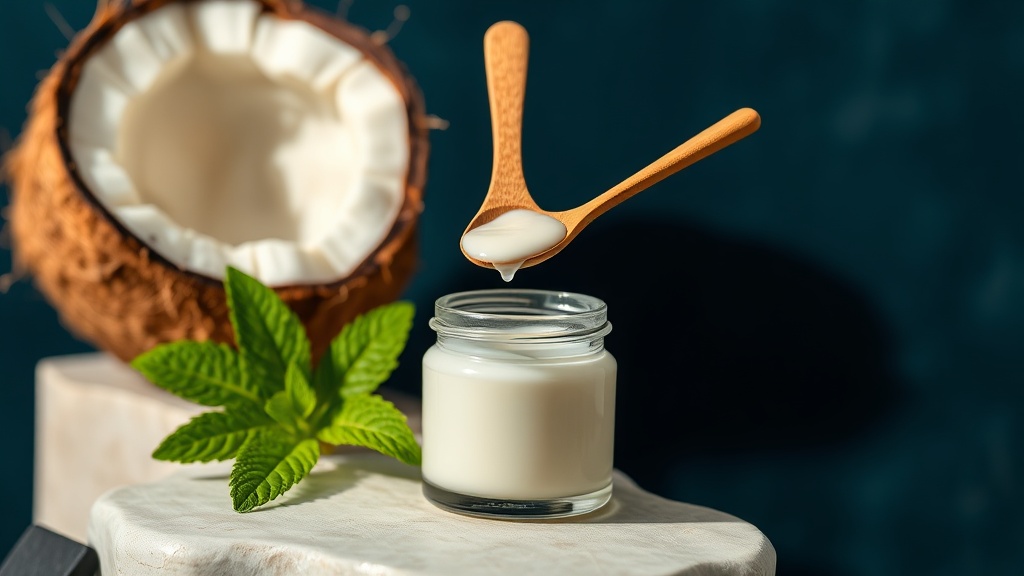
Coconut oil is a gentle, low-staining cosmetic habit - best used alongside fluoride brushing, tongue cleaning and flossing.
Oil pulling is a pleasant habit, not a treatment. If your breath stays bad despite gentle swishing, brushing with fluoride, flossing and tongue cleaning, see a dentist - persistent odour usually points to something specific like gum inflammation, a dry mouth or trapped debris that oil cannot fix. And because coconut oil can be accidentally inhaled, avoid it if you have swallowing difficulties, and never use it as a substitute for professional care.
Frequently asked questions
Sources
- 1.
- 2.
- 3.
- 4.
- 5.
- 6.

Fix your breath at the source.
The complete science-backed protocol — engineered to eliminate volatile sulfur compounds at the biological source.
Start the Breath Protocol →Related reading
Educational purposes only. The content on this page is not medical advice and is not a substitute for consultation with a qualified dental or medical professional.
More from the library
 Guides8 min
Home Remedies for Bad Breath: What the Evidence and Tradition Say
Salt water, baking soda, parsley and oil pulling, weighed honestly by both evidence and tradition, so you know what removes the source of odour and what only masks it.
Read →→ Best Of9 min
Best Toothpaste for Bad Breath: What Ingredients Actually Matter
The active ingredient, not the brand on the tube, decides whether a toothpaste actually helps freshen your breath.
Read →→ Ingredients9 min
Probiotics for Bad Breath: Do Oral Probiotics Actually Work?
Oral probiotics try to fix bad breath at the source, by shifting which bacteria live on your tongue. The idea is promising; the evidence is still early.
Read →→ Best Of8 min
The Best Mouthwash for Bad Breath, by Active Ingredient
There is no single winner, only the right rinse for the right job. Here is how the active ingredients compare on the evidence, and which suits everyday fresh breath.
Read →→ Guides8 min
How to Get Rid of Bad Breath Permanently: An Evidence-Based Plan
The honest version: "permanently" means ongoing control, not a one-time fix. Here is the daily routine the research actually supports, and when to get help.
Read →→ Guides7 min
Bad Breath Even After Brushing? The Biological Reason (and Fix)
You brushed, flossed and rinsed — and the smell is still there. The reason usually isn't hygiene; it's where the odour-causing bacteria actually live.
Read →→